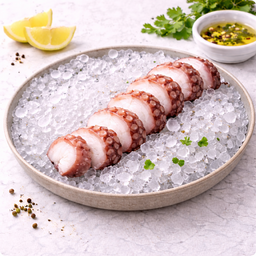
Octopus
Vitamin B12 Champion
What is this ingredient?
Octopus (Octopus vulgaris) is an intelligent mollusk belonging to the cephalopods. This remarkable sea creature is known for its exceptionally high vitamin B12 content — one of the highest in the entire food spectrum.
## Vitamin B12 Champion
With 20 mcg vitamin B12 per 100 grams, octopus delivers a remarkable 833% of daily needs in one serving. Research by Stabler & Allen (2004) shows that B12 is essential for myelin formation, DNA synthesis and homocysteine metabolism. B12 deficiency can lead to neurological problems and anemia.
## Iron for Energy
Octopus contains 5.3 mg heme iron per 100 grams, the most absorbable form of iron. This is crucial for oxygen transport and energy production. Hurrell & Egli (2010) confirm that heme iron is absorbed 2-3x better than plant iron.
## Selenium & Zinc
Selenium (44.8 mcg) and zinc (1.7 mg) contribute to the normal function of the immune system and to the protection of cells from oxidative stress (EU 432/2012).
## Taurine Richness
Like all cephalopods, octopus contains high concentrations of taurine (about 350 mg/100g), an amino acid derivative that supports heart rhythm stability and neurological functions.
## Culinary Tradition
Octopus is a delicacy in Mediterranean, Japanese and Korean cuisine. The secret for tender meat: either very short (2-3 min) or very long (45-60 min) cooking — never in between.
How does it taste?
Mild, slightly sweet and oceanic with a firm-yet-tender texture.
Pairs well with:
Pairs well with olive oilpaprikagarliclemon and potato.
Did you know...?
- An octopus has three hearts: two pump blood to the gills, one to the rest of the body.
- Octopuses have blue blood because they use copper-based hemocyanin instead of iron.
- An octopus can squeeze through any opening larger than its beak, its only hard body part.
Nutritional Value & Energy
Per 100g
Octopus provides energy thanks to natural nutrients .
Per 100g
Minerals
Vitamins
Omega-3 fatty acids
More nutrients
B-Vitamins
Trace Minerals
What's in a serving?
1 serving
Octopus naturally contains iron (5.3 mg per 100 g).
Octopus naturally contains zinc (1.7 mg per 100 g).
Octopus naturally contains potassium (350 mg per 100 g).
Octopus naturally contains phosphorus (186 mg per 100 g).
Octopus naturally contains copper (0.44 mg per 100 g).
Octopus naturally contains selenium (44.8 mcg per 100 g).
Octopus naturally contains vitamin b6 (0.36 mg per 100 g).
Octopus naturally contains vitamin b12 (20 mcg per 100 g).
% of daily reference intake (DRI)
EU-approved nutrition claims
This ingredient contains nutrients for which EFSA-authorized health claims exist (at nutrient level, not ingredient-specific).
Approved health claims (EU)
Vitamin_b12 EU 432/2012
Vitamin B12 contributes to the normal function of the immune system
Contains 20mcg/100g (threshold: ≥0.375mcg/100g)
Vitamin_b12 EU 432/2012
Vitamin B12 contributes to the reduction of tiredness and fatigue
Contains 20mcg/100g (threshold: ≥0.375mcg/100g)
Vitamin_b12 EU 432/2012
Vitamin B12 contributes to the normal functioning of the nervous system
Contains 20mcg/100g (threshold: ≥0.375mcg/100g)
Zinc EU 432/2012
Zinc contributes to the normal function of the immune system
Contains 1.7mg/100g (threshold: ≥1.5mg/100g)
Zinc EU 432/2012
Zinc contributes to the maintenance of normal skin
Contains 1.7mg/100g (threshold: ≥1.5mg/100g)
Iron EU 432/2012
Iron contributes to normal energy-yielding metabolism
Contains 5.3mg/100g (threshold: ≥2.1mg/100g)
Iron EU 432/2012
Iron contributes to the reduction of tiredness and fatigue
Contains 5.3mg/100g (threshold: ≥2.1mg/100g)
Potassium EU 432/2012
Potassium contributes to the maintenance of normal blood pressure
Contains 350mg/100g (threshold: ≥300mg/100g)
Vitamin_b6 EU 432/2012
Vitamin B6 contributes to normal cysteine synthesis
Contains 0.36mg/100g (threshold: ≥0.21mg/100g)
Vitamin_b6 EU 432/2012
Vitamin B6 contributes to normal energy-yielding metabolism
Contains 0.36mg/100g (threshold: ≥0.21mg/100g)
Vitamin_b6 EU 432/2012
Vitamin B6 contributes to normal functioning of the nervous system
Contains 0.36mg/100g (threshold: ≥0.21mg/100g)
Vitamin_b6 EU 432/2012
Vitamin B6 contributes to normal homocysteine metabolism
Contains 0.36mg/100g (threshold: ≥0.21mg/100g)
Vitamin_b6 EU 432/2012
Vitamin B6 contributes to normal protein and glycogen metabolism
Contains 0.36mg/100g (threshold: ≥0.21mg/100g)
Vitamin_b6 EU 432/2012
Vitamin B6 contributes to normal psychological function
Contains 0.36mg/100g (threshold: ≥0.21mg/100g)
Vitamin_b6 EU 432/2012
Vitamin B6 contributes to normal red blood cell formation
Contains 0.36mg/100g (threshold: ≥0.21mg/100g)
Vitamin_b6 EU 432/2012
Vitamin B6 contributes to the normal function of the immune system
Contains 0.36mg/100g (threshold: ≥0.21mg/100g)
Vitamin_b6 EU 432/2012
Vitamin B6 contributes to the regulation of hormonal activity
Contains 0.36mg/100g (threshold: ≥0.21mg/100g)
Vitamin_b6 EU 432/2012
Vitamin B6 contributes to the reduction of tiredness and fatigue
Contains 0.36mg/100g (threshold: ≥0.21mg/100g)
Vitamin_b12 EU 432/2012
Vitamin B12 contributes to normal energy-yielding metabolism
Contains 20mcg/100g (threshold: ≥0.375mcg/100g)
Vitamin_b12 EU 432/2012
Vitamin B12 contributes to normal homocysteine metabolism
Contains 20mcg/100g (threshold: ≥0.375mcg/100g)
Vitamin_b12 EU 432/2012
Vitamin B12 contributes to normal psychological function
Contains 20mcg/100g (threshold: ≥0.375mcg/100g)
Vitamin_b12 EU 432/2012
Vitamin B12 contributes to normal red blood cell formation
Contains 20mcg/100g (threshold: ≥0.375mcg/100g)
Vitamin_b12 EU 432/2012
Vitamin B12 has a role in the process of cell division
Contains 20mcg/100g (threshold: ≥0.375mcg/100g)
Phosphorus EU 432/2012
Phosphorus contributes to normal energy-yielding metabolism
Contains 186mg/100g (threshold: ≥105mg/100g)
Phosphorus EU 432/2012
Phosphorus contributes to the normal function of cell membranes
Contains 186mg/100g (threshold: ≥105mg/100g)
Phosphorus EU 432/2012
Phosphorus contributes to the maintenance of normal bones
Contains 186mg/100g (threshold: ≥105mg/100g)
Phosphorus EU 432/2012
Phosphorus contributes to the maintenance of normal teeth
Contains 186mg/100g (threshold: ≥105mg/100g)
Iron EU 432/2012
Iron contributes to normal cognitive function
Contains 5.3mg/100g (threshold: ≥2.1mg/100g)
Iron EU 432/2012
Iron contributes to normal formation of red blood cells and haemoglobin
Contains 5.3mg/100g (threshold: ≥2.1mg/100g)
Iron EU 432/2012
Iron contributes to normal oxygen transport in the body
Contains 5.3mg/100g (threshold: ≥2.1mg/100g)
Iron EU 432/2012
Iron contributes to the normal function of the immune system
Contains 5.3mg/100g (threshold: ≥2.1mg/100g)
Iron EU 432/2012
Iron has a role in the process of cell division
Contains 5.3mg/100g (threshold: ≥2.1mg/100g)
Zinc EU 432/2012
Zinc contributes to normal acid-base metabolism
Contains 1.7mg/100g (threshold: ≥1.5mg/100g)
Zinc EU 432/2012
Zinc contributes to normal carbohydrate metabolism
Contains 1.7mg/100g (threshold: ≥1.5mg/100g)
Zinc EU 432/2012
Zinc contributes to normal cognitive function
Contains 1.7mg/100g (threshold: ≥1.5mg/100g)
Zinc EU 432/2012
Zinc contributes to normal DNA synthesis
Contains 1.7mg/100g (threshold: ≥1.5mg/100g)
Zinc EU 432/2012
Zinc contributes to normal fertility and reproduction
Contains 1.7mg/100g (threshold: ≥1.5mg/100g)
Zinc EU 432/2012
Zinc contributes to normal macronutrient metabolism
Contains 1.7mg/100g (threshold: ≥1.5mg/100g)
Zinc EU 432/2012
Zinc contributes to normal metabolism of fatty acids
Contains 1.7mg/100g (threshold: ≥1.5mg/100g)
Zinc EU 432/2012
Zinc contributes to normal metabolism of vitamin A
Contains 1.7mg/100g (threshold: ≥1.5mg/100g)
Zinc EU 432/2012
Zinc contributes to normal protein synthesis
Contains 1.7mg/100g (threshold: ≥1.5mg/100g)
Zinc EU 432/2012
Zinc contributes to the maintenance of normal bones
Contains 1.7mg/100g (threshold: ≥1.5mg/100g)
Zinc EU 432/2012
Zinc contributes to the maintenance of normal hair
Contains 1.7mg/100g (threshold: ≥1.5mg/100g)
Zinc EU 432/2012
Zinc contributes to the maintenance of normal nails
Contains 1.7mg/100g (threshold: ≥1.5mg/100g)
Zinc EU 432/2012
Zinc contributes to the maintenance of normal testosterone levels in the blood
Contains 1.7mg/100g (threshold: ≥1.5mg/100g)
Zinc EU 432/2012
Zinc contributes to the maintenance of normal vision
Contains 1.7mg/100g (threshold: ≥1.5mg/100g)
Zinc EU 432/2012
Zinc contributes to the protection of cells from oxidative stress
Contains 1.7mg/100g (threshold: ≥1.5mg/100g)
Zinc EU 432/2012
Zinc has a role in the process of cell division
Contains 1.7mg/100g (threshold: ≥1.5mg/100g)
Copper EU 432/2012
Copper contributes to the maintenance of normal connective tissues
Contains 0.44mg/100g (threshold: ≥0.15mg/100g)
Copper EU 432/2012
Copper contributes to normal energy-yielding metabolism
Contains 0.44mg/100g (threshold: ≥0.15mg/100g)
Copper EU 432/2012
Copper contributes to normal functioning of the nervous system
Contains 0.44mg/100g (threshold: ≥0.15mg/100g)
Copper EU 432/2012
Copper contributes to normal hair pigmentation
Contains 0.44mg/100g (threshold: ≥0.15mg/100g)
Copper EU 432/2012
Copper contributes to normal iron transport in the body
Contains 0.44mg/100g (threshold: ≥0.15mg/100g)
Copper EU 432/2012
Copper contributes to normal skin pigmentation
Contains 0.44mg/100g (threshold: ≥0.15mg/100g)
Copper EU 432/2012
Copper contributes to the normal function of the immune system
Contains 0.44mg/100g (threshold: ≥0.15mg/100g)
Copper EU 432/2012
Copper contributes to the protection of cells from oxidative stress
Contains 0.44mg/100g (threshold: ≥0.15mg/100g)
Selenium EU 432/2012
Selenium contributes to the maintenance of normal hair
Contains 44.8mcg/100g (threshold: ≥8.25mcg/100g)
Selenium EU 432/2012
Selenium contributes to the maintenance of normal nails
Contains 44.8mcg/100g (threshold: ≥8.25mcg/100g)
Selenium EU 432/2012
Selenium contributes to the normal function of the immune system
Contains 44.8mcg/100g (threshold: ≥8.25mcg/100g)
Selenium EU 432/2012
Selenium contributes to normal thyroid function
Contains 44.8mcg/100g (threshold: ≥8.25mcg/100g)
Selenium EU 432/2012
Selenium contributes to normal spermatogenesis
Contains 44.8mcg/100g (threshold: ≥8.25mcg/100g)
Selenium EU 432/2012
Selenium contributes to the protection of cells from oxidative stress
Contains 44.8mcg/100g (threshold: ≥8.25mcg/100g)
Potassium EU 432/2012
Potassium contributes to normal functioning of the nervous system
Contains 350mg/100g (threshold: ≥300mg/100g)
Potassium EU 432/2012
Potassium contributes to normal muscle function
Contains 350mg/100g (threshold: ≥300mg/100g)
Comparison
vsspinazie
Octopus contains about 2× more iron per 100g than spinach.
What's being researched?
Octopus and taurine
The high taurine content of octopus is being studied for cardiovascular and metabolic effects. Epidemiological studies in Japanese populations show associations between taurine intake from seafood and lower heart and vascular mortality.
Supported by: [2] Hurrell R (2010) , [5] Wang F (2023)
Good Combinations (Synergy)
Combine octopus smartly to enhance the effect:
Octopus 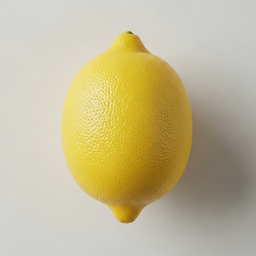 Lemon
Lemon Vitamin C increases absorption of B12 and iron from octopus
Technical: Octopus is exceptionally rich in vitamin B12 (36μg per 100g — 1500% RDI) and contains 5.3mg iron per 100g. Citric acid from lemon lowers stomach pH, which improves B12 absorption (B12 needs acid to release from proteins). Vitamin C also reduces Fe³⁺ to Fe²⁺ for better iron absorption.
What does this mean for you? Always serve octopus with lemon juice — as in Greek and Portuguese cuisine. The lemon helps your body better absorb both the vitamin B12 and the iron from the octopus. Perfect for anyone considering eating more seafood for B12.
Octopus 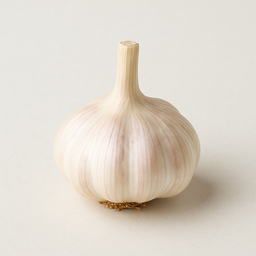 Garlic
 Taurine + allicin: bioactive compounds via complementary pathways
Technical: Octopus contains taurine (up to 1.6g per 100g) — an aminosulfonic acid that functions as osmolyte and antioxidant. Garlic contains allicin that influences HMG-CoA reductase (involved in lipid metabolism) and stimulates vasodilation via the NO pathway. Taurine and allicin work via complementary biochemical pathways.
What does this mean for you? Pulpo a la gallega with garlic oil is a Spanish/Portuguese dish where the bioactive compounds from octopus (taurine) and garlic (allicin) work together. Use raw or lightly cooked garlic — allicin breaks down at high temperatures.
Octopus 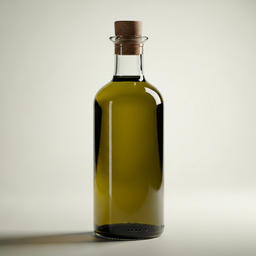 Olive Oil
 Olive oil improves fat-soluble vitamin absorption from octopus
Technical: Octopus contains vitamin A (150 IU), vitamin E (1.2mg) and coenzyme Q10 — all fat-soluble but octopus itself is very lean (1.0g fat/100g). Olive oil provides fats needed for micelle formation and absorption of these fat-soluble nutrients. Olive oil's polyphenols also protect sensitive omega-3 in octopus.
What does this mean for you? Octopus is very lean — always serve with olive oil to absorb fat-soluble vitamins. Grilled octopus with olive oil, garlic and paprika is a Mediterranean dish that's both tasty and nutritious.
Recipes with Octopus
Discover delicious recipes featuring octopus:
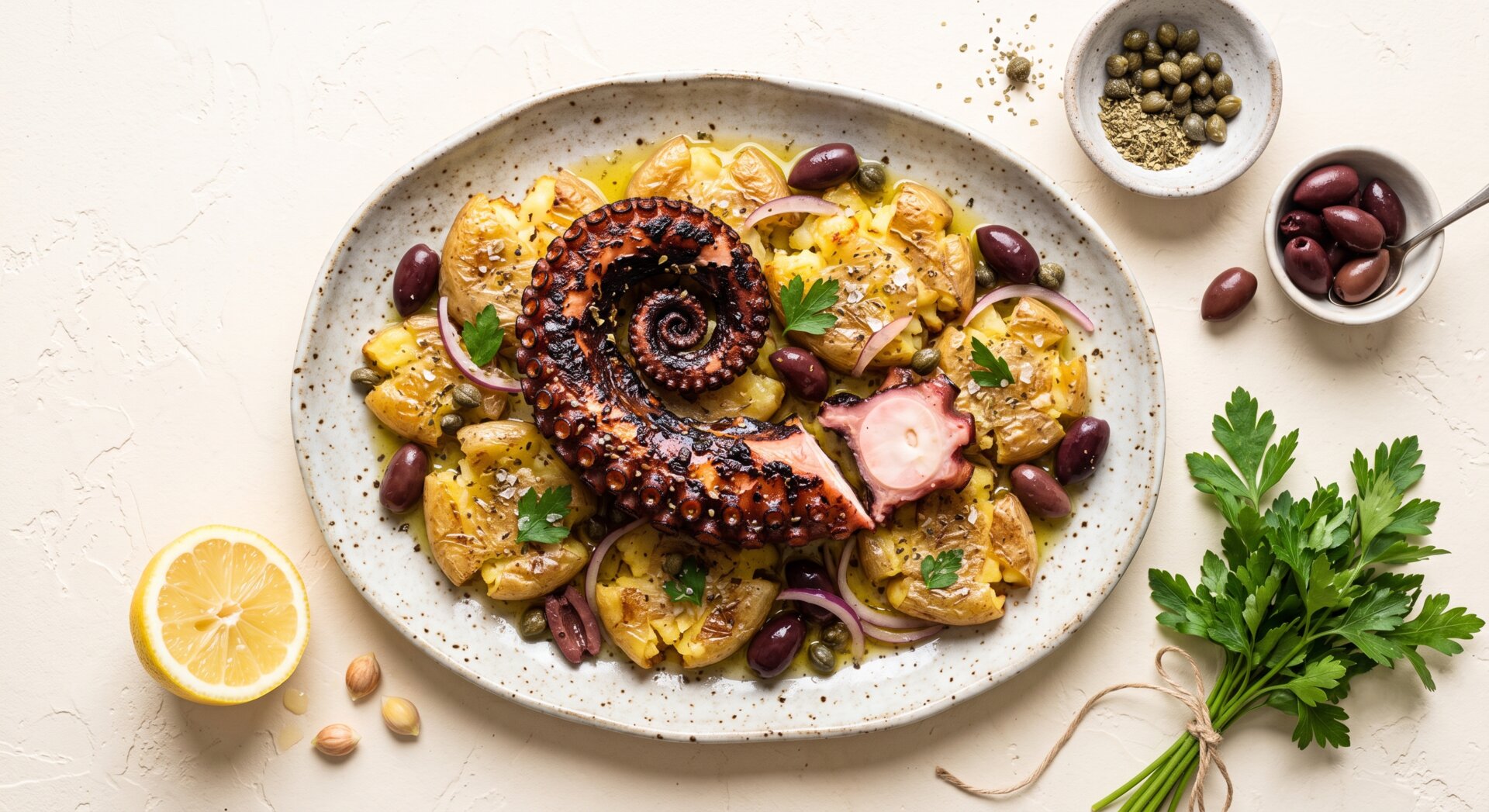 Mediterranean Octopus with Crispy Potatoes 90 min Tender octopus with golden potatoes, olives, capers and lemon-parsley dressing
  420 kcal
  31g protein 2 synergies
  In the Kitchen
Storage
Location:Refrigerator
Shelf life:1-2 dagen vers, 2 maanden ingevroren
Preparation
Slow cook long (45-60 min) OR grill briefly (2-3 min). Never in between — it becomes tough.
Conversions
Substitutes
Smart preparation
1Cook octopus with a cork in the water.
Why?
A traditional trick: the enzymes in cork help tenderise the meat.
2Cook octopus 45-60 minutes on low heat until a knife slides in easily.
3Grill pre-cooked octopus briefly on high heat for a crispy exterior.
4Freeze octopus first and thaw for a more tender texture.
Why?
Ice crystals break down the muscle fibres.
Caution / Warnings
Octopus is very safe, but there are scientific considerations:
Shellfish/Mollusk Allergy Severe
Octopus can cause allergic reactions in people with mollusk allergy
High Blood Pressure (sodium sensitive) Moderate
Contains 230mg sodium per 100g, moderate on sodium-restricted diet
Traditional use
Mediterranean
Octopus in Mediterranean Tradition
Octopus has been a beloved food in Greece and along the entire Mediterranean coast since antiquity, traditionally sun-dried.
Summary
Octopus is an exceptional source of vitamin B12 (833% DV per serving), heme iron and taurine. Supports nervous system, energy and cognitive function.