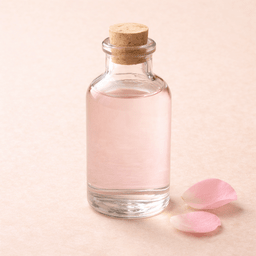
Rose Water
Traditional Persian aroma
What is this ingredient?
Rose water is a hydrosol produced during steam distillation of fresh rose petals, often from Rosa damascena. During this process, volatile aromatic compounds are captured in an aqueous solution, creating a light floral liquid that is much subtler than rose oil.
## Origin & tradition
For centuries, rose water has belonged to the culinary culture of Persia, the Middle East, Turkey and India. It is used in desserts such as baklava, halva and rice pudding, as well as in drinks such as sharbat and festive rice dishes. The flavor is powerful: a few drops to a small teaspoon can already be enough.
## Aroma & composition
The characteristic rose aroma comes mainly from volatile compounds such as geraniol, citronellol and linalool. The exact scent depends on the rose variety, freshness of the petals, distillation method and dilution. Good-quality rose water smells softly floral, not chemical or harsh.
## Research & context
Rose hydrosol and rose extracts are studied in laboratory and aroma research, including in relation to skin-care contexts, aromatic experience and compounds from rose petals. These studies are useful for product context, but they are not an ingredient-specific health claim for culinary rose water.
## Culinary application
Use rose water sparingly and preferably add it only at the end, so the delicate aroma is preserved. It pairs classically with pistachio, almond, cardamom, saffron, honey, yoghurt and citrus.
How does it taste?
Delicately floral with a sweet, perfume-like rose scent and a very concentrated aromatic finish.
Pairs well with:
Pairs well with pistachiocardamomsaffronhoneyalmondyoghurt and citrus.
Did you know...?
- Rose water has been produced for more than 1,200 years; Persian distillation techniques played an important role in its spread.
- A liter of rose water requires large amounts of fresh rose petals, so quality depends strongly on harvest and distillation.
Nutritional Value & Energy
Per 100ml
Rose Water is low in calories thanks to natural nutrients .
Per 100g
Minerals
Vitamins
EU-approved nutrition claims
There are currently no EFSA-authorized health claims specific to rose water.
What's being researched?
Rose water in care routines and aroma experience
Rose water and rose extracts are studied in laboratory and aroma research. The findings are mainly useful as context around composition, aroma and traditional use; they do not form an ingredient-specific health claim for culinary rose water.
Supported by: [3] Lee (2018) , [5] Busse (2020)
Good Combinations (Synergy)
Combine rose water smartly to enhance the effect:
Rose Water 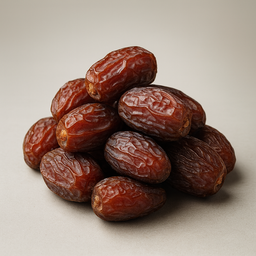 Dates
Dates Traditional Middle Eastern calming combination
Technical: Rose water contains geraniol and citronellol, volatile terpenes that reach the amygdala via the olfactory system and lower cortisol. Dates provide tryptophan and magnesium (54mg/100g) — precursors for serotonin and GABA. The natural sugars in dates (63g/100g) raise insulin, promoting tryptophan transport to the brain. This combination works via two routes: aromatherapeutic (rose water) and biochemical (dates).
What does this mean for you? Dates drizzled with rose water are a classic Persian dessert served for centuries as a calming agent. The scent of roses directly lowers your stress level, while dates give your body the building blocks for serotonin.
Rose Water 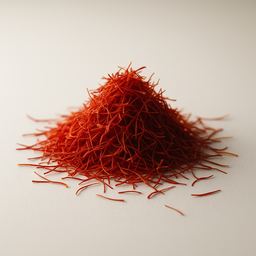 Saffron
 Dual anxiolytic effect via aromatherapy and crocin
Saffron has proven antidepressant effects comparable to fluoxetine (Lopresti & Drummond, 2014; PMID: 25384672)
Technical: Rose water contains 2-phenylethanol and geraniol that activate the GABA system via the olfactory bulb, with proven anxiolytic (anxiety-reducing) effects in clinical trials. Saffron contains crocin and safranal that inhibit serotonin reuptake — similar to the mechanism of SSRI antidepressants (Lopresti & Drummond, 2014). Together they work on two neurotransmitter systems: GABA (calming) and serotonin (mood-improving).
What does this mean for you? Add rose water and a pinch of saffron to warm milk or rice pudding. The Persian "relaxation formula" used for centuries now has scientific backing: roses calm via your nose, saffron improves mood via your blood.
Rose Water 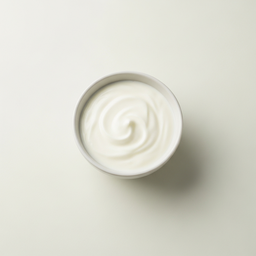 Yogurt
 Geraniol/linalool gut-brain axis + probiotics for GABA modulation
Geraniol modulates GABA receptors, Lactobacillus produces GABA via glutamate decarboxylase (PMID: 28822554)
Technical: Geraniol and linalool from rose water are absorbed in the gut and modulate GABA receptors in the central nervous system, providing anxiolytic effects. Lactobacillus from yogurt also produce GABA themselves via glutamate decarboxylase. Together they strengthen the gut-brain axis: rose water via direct GABA modulation, yogurt via microbiome-mediated GABA production.
What does this mean for you? Yogurt with rose water (traditional Persian dessert) is scientifically a calming combination. Both ingredients influence your nervous system via the gut-brain axis for relaxation.
Recipes with Rose Water
Discover delicious recipes featuring rose water:
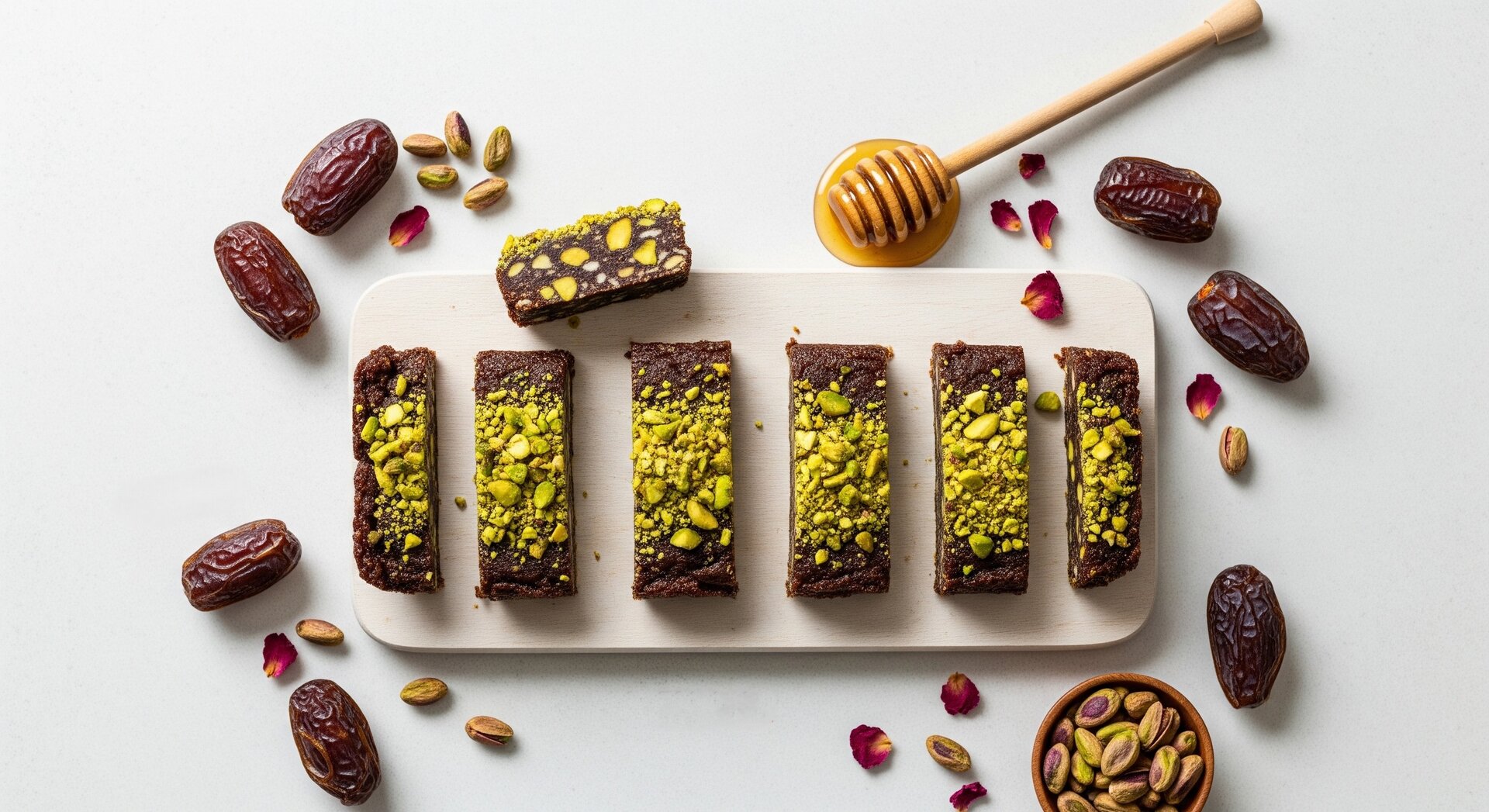 Baklava-Style Bars with Pistachio 135 min No-bake bars with pistachio, dates, honey and rose water
  133 kcal
  3g protein 1 synergies
 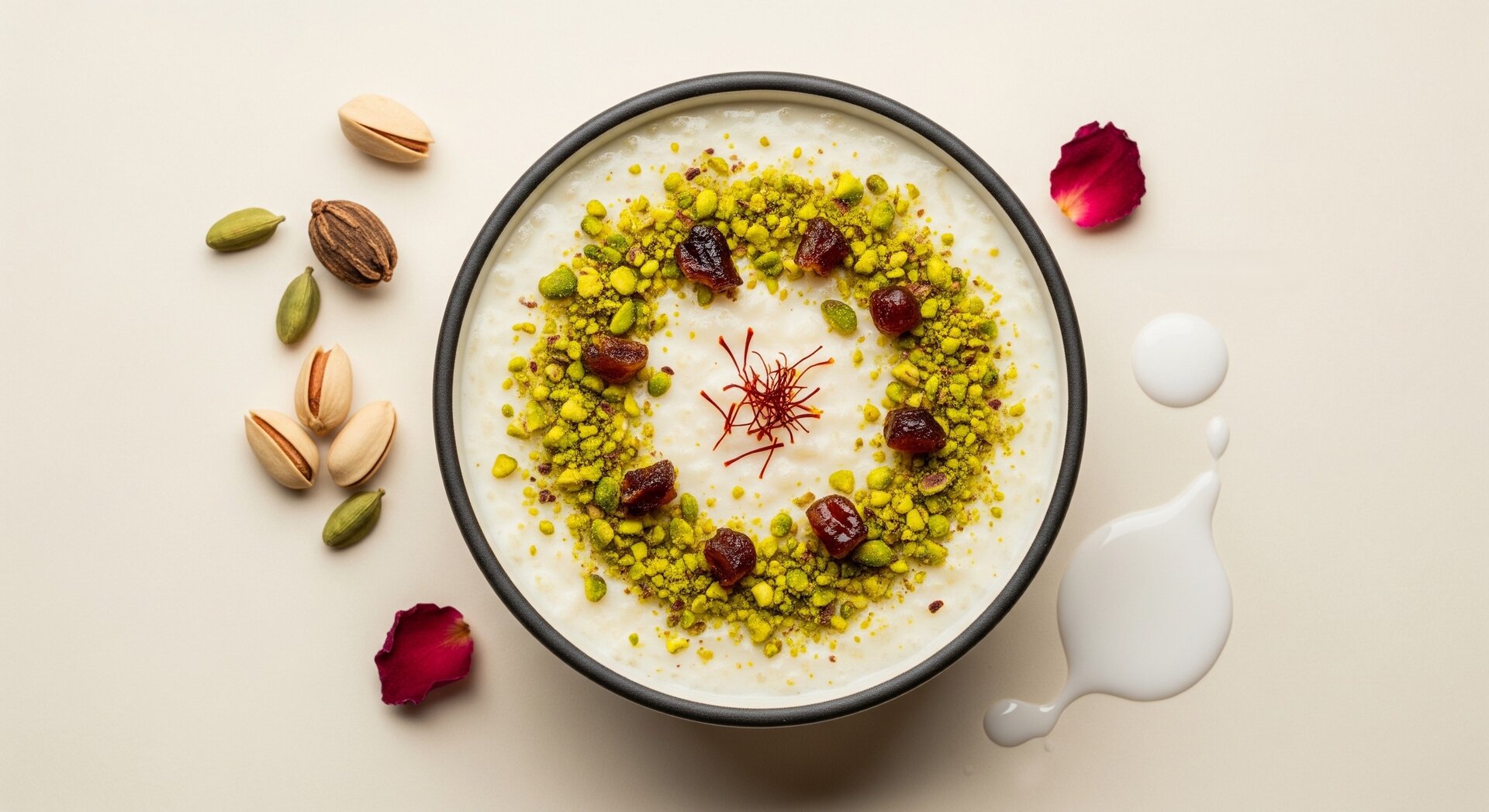 Coconut Kheer - Indian Rice Pudding with Cardamom 40 min Creamy vegan rice pudding with coconut milk, cardamom and saffron 323 kcal 5g protein 2 synergies
  In the Kitchen
Storage
Location:Pantry
Shelf life:12 maanden (ongeopend), 6 maanden geopend in koelkast
Store in a dark, cool place and close the bottle tightly. Refrigerate after opening and check for cloudiness, discoloration or an off-smell.
Preparation
Use sparingly: start with a few drops or 1/4 teaspoon and taste. Preferably add rose water at the end to desserts, drinks, yoghurt, rice pudding or syrup so the floral aroma is preserved.
Substitutes
Smart preparation
1Use rose water extremely sparingly: start with a few drops.
Why?
Too much rose water quickly creates a soapy, overpowering taste.
2Add rose water only after cooking or just before serving.
Why?
The delicate floral aroma evaporates quickly with heat.
3Taste the dish after each addition; rose water is hard to correct.
Caution / Warnings
Rose Water is very safe, but there are scientific considerations:
Rose allergy Moderate
Some people may react sensitively to rose extracts or products from the same plant family.
Advice:
Test a small amount first. Avoid if you have a known allergy to rose or related Rosaceae products.
Pregnancy Mild
Culinary use in small amounts usually fits normal kitchen use; high doses or concentrated extracts are a different context.
Advice:
Use as a flavoring in moderation and seek personal advice if you are unsure about concentrated products.
Eye contact Mild
Not every culinary rose water is suitable for use around the eyes.
Advice:
Rinse with water after eye contact. Around the eyes, only use products intended for that purpose.
Traditional use
Islamic tradition
Rose water in Persian and Arab tradition
Rose water has been distilled in Persia for centuries and is important in Persian, Turkish and Arab cooking and perfumery. It appears in syrups, festive desserts, rice dishes and fragrant hospitality rituals.
Ayurveda
Rose water in Ayurveda
In Ayurveda, rose water is traditionally described as a cooling and floral ingredient. It is used in drinks, sweet preparations and care rituals where scent, freshness and softness are central.
Summary
Rose water is a powerful floral aroma from Persian, Arab, Turkish and Indian cooking. Use a few drops to a small teaspoon in desserts, drinks, yoghurt or rice dishes; pair it especially with pistachio, cardamom, almond, saffron and honey.