Agar-Agar
Plant-based gelatin substitute from red seaweed
What is this ingredient?
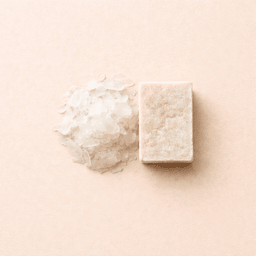
Agar-agar, also called kanten in Japan, is a natural gelling agent extracted from several species of red seaweed, especially species within the Gelidium and Gracilaria genera. This edible hydrocolloid has been used in Asian cuisines for centuries and has become popular worldwide as a plant-based substitute for gelatin.
## Properties
Agar-agar consists mainly of gel-forming polysaccharides and naturally contains fiber. In dried form it is used in small amounts: often just a few grams are enough to set an entire liquid firmly. The ingredient has a neutral taste, gives clear preparations and works well when you want either a clean sliceable gel or a softer pudding-like texture.
## Composition
The main components are agarose and agaropectin. Agarose is chiefly responsible for the firm gel structure, while agaropectin contributes to the properties of the overall seaweed extract. In food and material science research, smaller agar-derived sugars are also studied, mainly to better understand their structure, solubility, texture behavior and possible applications in foods.
## Culinary application
Agar-agar is traditionally used in Japanese desserts such as yokan and anmitsu, but it also fits Western kitchens as a vegan gelatin replacement. It gels at room temperature, while gelatin usually requires chilling. Because of its neutral taste and high gelling strength, it is suitable for desserts, jelly, jam, terrines, fruit layers and modernist cooking techniques. An important property is that agar is thermoreversible: it melts when heated above about 85°C and gels again when cooled below about 40°C.
## Traditional origin
The discovery of agar-agar is often attributed to Mino Tarōzaemon in 17th-century Japan. According to culinary tradition, he noticed that a cooled seaweed dish set into a usable jelly after cold nights. Since then, agar-agar has become a staple ingredient in Japanese sweets and later in kitchens, laboratories and food applications around the world.
How does it taste?
Neutral and almost flavorless, with at most a very faint seaweed-like background.
Pairs well with:
Pairs well with fruit pureecoconut milkvanillacitrusmatcha and clear fruit juices.
Did you know...?
- According to Japanese tradition, agar-agar was discovered in 1658 when an innkeeper left a cooled seaweed dish outside.
- Agar-agar usually sets around 32-40°C, much lower than the temperature needed to dissolve it fully.
Nutritional Value & Energy
Per 100g
Agar-Agar is low in calories thanks to natural nutrients , buffered by fiber.
Per 100g
Minerals
Vitamins
Omega-3 fatty acids
More nutrients
Trace Minerals
What's in a serving?
1 serving
Agar-agar naturally contains magnesium (67 mg per 100 g).
% of daily reference intake (DRI)
EU-approved nutrition claims
This ingredient contains nutrients for which EFSA-authorized health claims exist (at nutrient level, not ingredient-specific).
Approved health claims (EU)
Magnesium EU 432/2012
Magnesium contributes to normal muscle function
Contains 67mg/100g (threshold: ≥56.25mg/100g)
Magnesium EU 432/2012
Magnesium contributes to the reduction of tiredness and fatigue
Contains 67mg/100g (threshold: ≥56.25mg/100g)
Magnesium EU 432/2012
Magnesium contributes to normal functioning of the nervous system
Contains 67mg/100g (threshold: ≥56.25mg/100g)
Magnesium EU 432/2012
Magnesium contributes to normal energy-yielding metabolism
Contains 67mg/100g (threshold: ≥56.25mg/100g)
Magnesium EU 432/2012
Magnesium contributes to electrolyte balance
Contains 67mg/100g (threshold: ≥56.25mg/100g)
Magnesium EU 432/2012
Magnesium contributes to normal protein synthesis
Contains 67mg/100g (threshold: ≥56.25mg/100g)
Magnesium EU 432/2012
Magnesium contributes to normal psychological function
Contains 67mg/100g (threshold: ≥56.25mg/100g)
Magnesium EU 432/2012
Magnesium contributes to the maintenance of normal bones
Contains 67mg/100g (threshold: ≥56.25mg/100g)
Magnesium EU 432/2012
Magnesium contributes to the maintenance of normal teeth
Contains 67mg/100g (threshold: ≥56.25mg/100g)
Magnesium EU 432/2012
Magnesium has a role in the process of cell division
Contains 67mg/100g (threshold: ≥56.25mg/100g)
What's being researched?
Agar-agar as soluble dietary fiber
Agar-agar is studied as a source of soluble fiber and as a gel-forming ingredient. Studies look at texture, meal response, appetite questionnaires and applications in foods.
Supported by: [3] Sanaka (2007) , [1] Clegg (2014) , [4] Multiple authors (2024)
Good Combinations (Synergy)
Combine agar-agar smartly to enhance the effect:
Agar-Agar  Lemon
Lemon Prebiotic effect + vitamin C for immune system
Agar-oligosaccharides have prebiotic properties and stimulate Bifidobacterium growth
Technical: Agar contains agar-oligosaccharides working prebiotically and stimulating Bifidobacterium. Vitamin C from lemon (53mg/100g) contributes to the normal function of the immune system. Gel formation also slows sugar absorption from any added sweeteners.
What does this mean for you? Lemon agar jelly is a light, prebiotic dessert. Agar fibers feed your gut flora, lemon adds vitamin C.
Agar-Agar  Ginger
 Prebiotic gel fiber + prokinetic gingerol = enhanced gut motility and microbiome
Gingerol stimulates gastrointestinal motility via 5-HT4 receptor agonism (PMID: 18403946)
Technical: Agar-agar forms a gel matrix of agarose working as a bulk-forming prebiotic — it absorbs water (200-300x own weight) and promotes gut transit. Gingerol from ginger promotes gastric emptying via 5-HT4 receptor agonism and increases motility. Together they provide gentle bulk while ginger promotes digestion — ideal for sluggish bowels.
What does this mean for you? Ginger agar jelly is a gentle dessert that supports your digestion. The agar gel provides gentle bulk while ginger promotes digestion.
Agar-Agar  Coconut Milk
 Satiety with stable energy: gel formation + MCT fats
Agar polysaccharides delay gastric emptying, MCT fats provide quick energy via liver metabolism
Technical: Agar gel formation mechanically slows gastric emptying, increasing satiety. Coconut milk provides medium-chain triglycerides (MCT) going directly to liver for quick energy without insulin spike. Together they provide lasting satiety with stable energy.
What does this mean for you? Agar pudding with coconut milk is a perfect combination for weight management. You feel full for long while getting stable energy without blood sugar spikes.
Recipes with Agar-Agar
Discover delicious recipes featuring agar-agar:
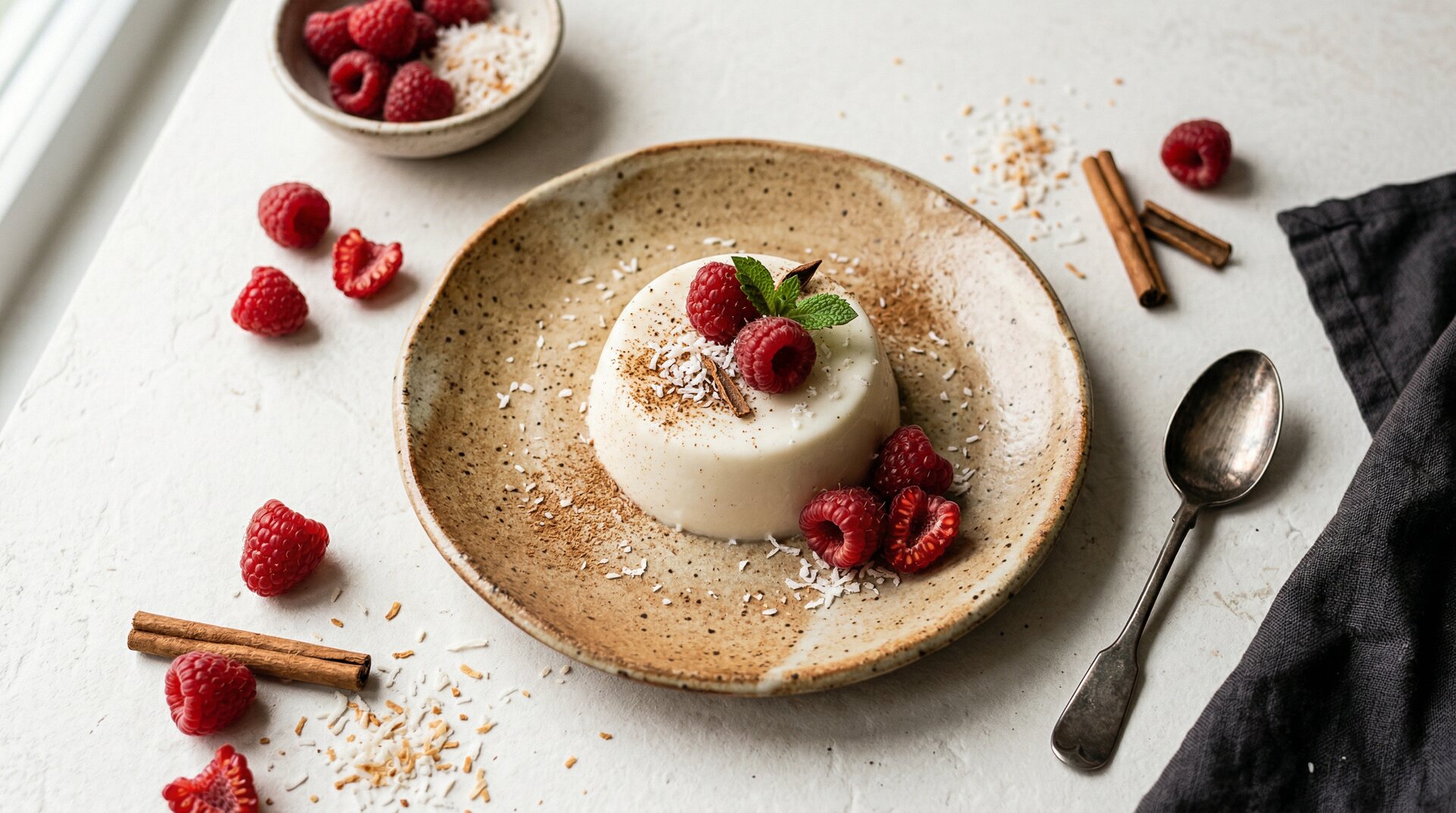 Coconut Panna Cotta (Keto) 135 min Silky panna cotta with coconut milk, cinnamon and fresh raspberries
  280 kcal
  3g protein 1 synergies
 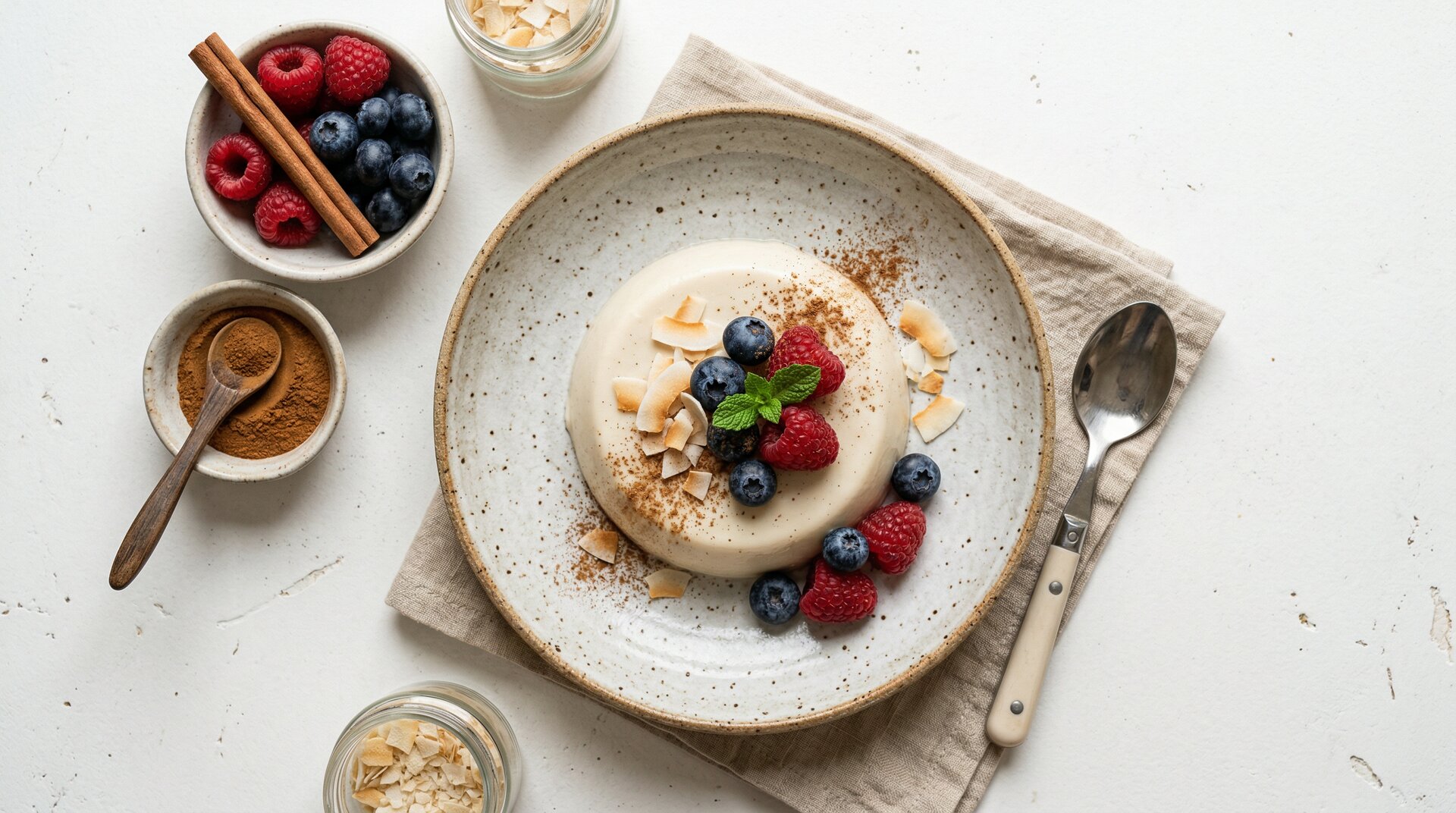 Coconut Panna Cotta with Blueberries and Raspberries 290 min Silky coconut dessert with fresh berries 220 kcal 2g protein 2 synergies
 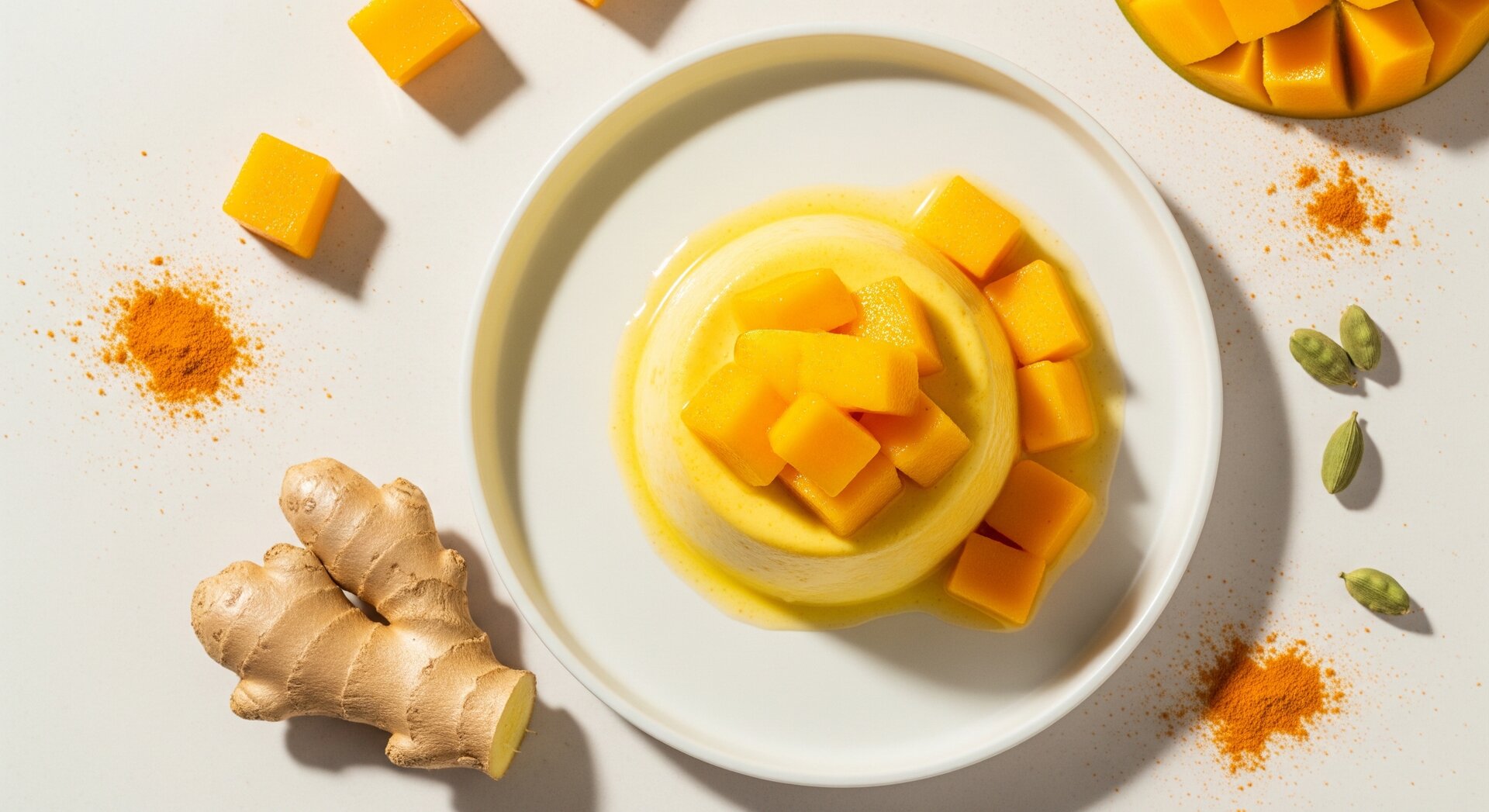 Coconut-Turmeric Panna Cotta with Mango 195 min Golden panna cotta made with coconut milk, turmeric, ginger and fresh mango 312 kcal 3g protein 3 synergies
 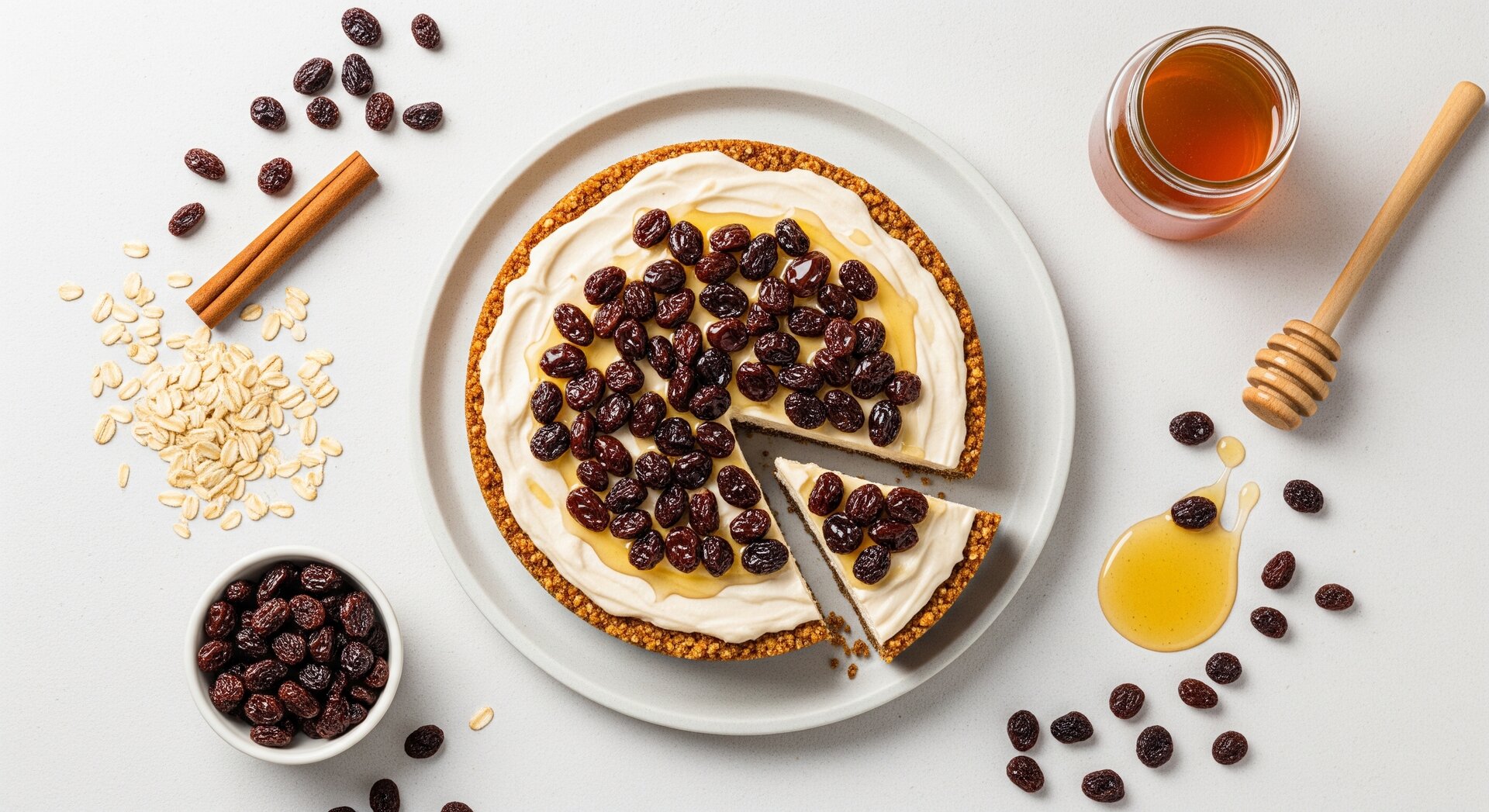 No-Bake Quark Cheesecake with Raisins and Oat Base 267 min Creamy no-bake cheesecake with raisins, cinnamon and honey 199 kcal 11g protein 1 synergies
 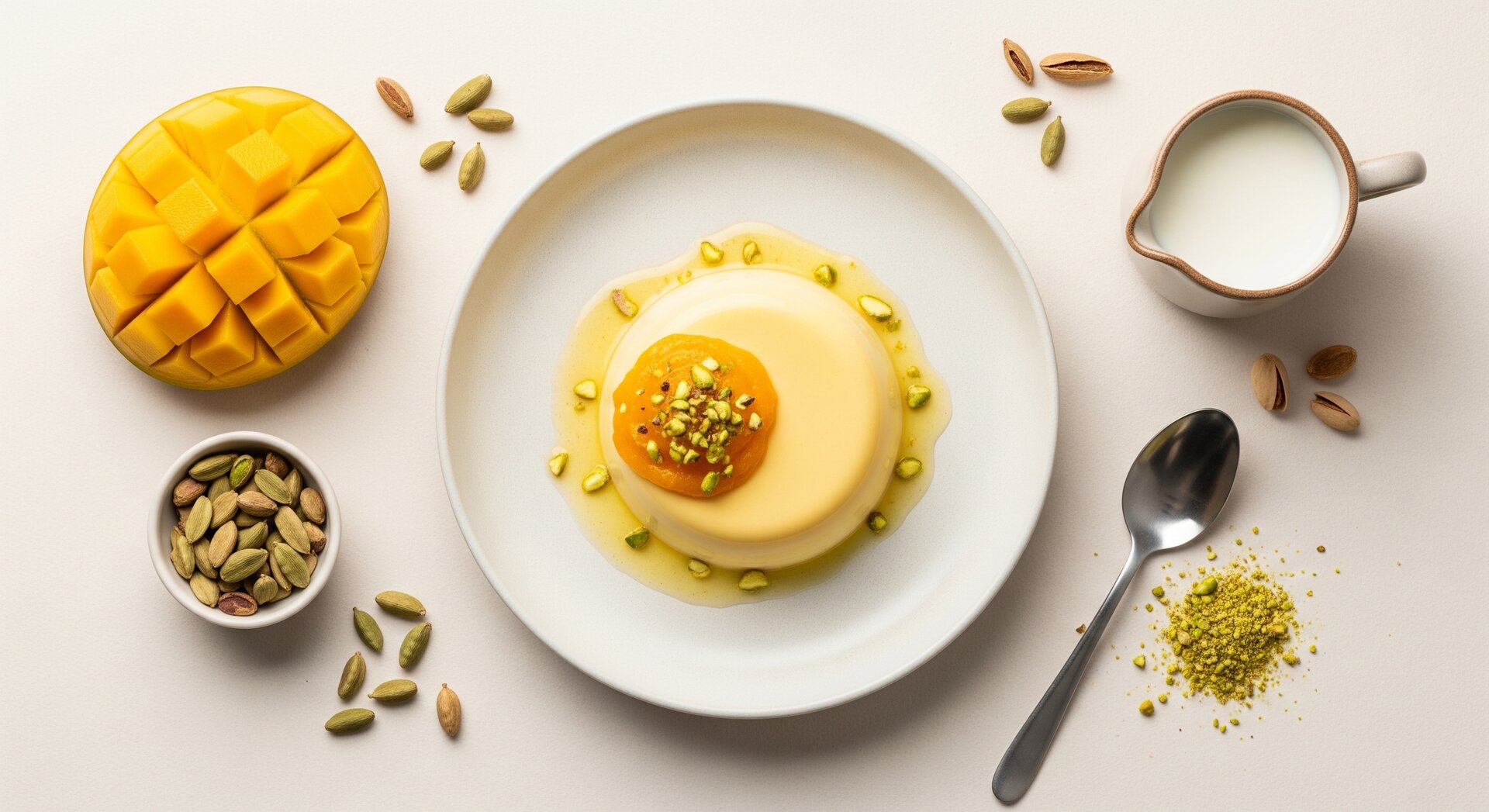 Mango Lassi Panna Cotta with Agar 140 min Creamy Indian yoghurt dessert with mango, cardamom and pistachio 163 kcal 5g protein 2 synergies
 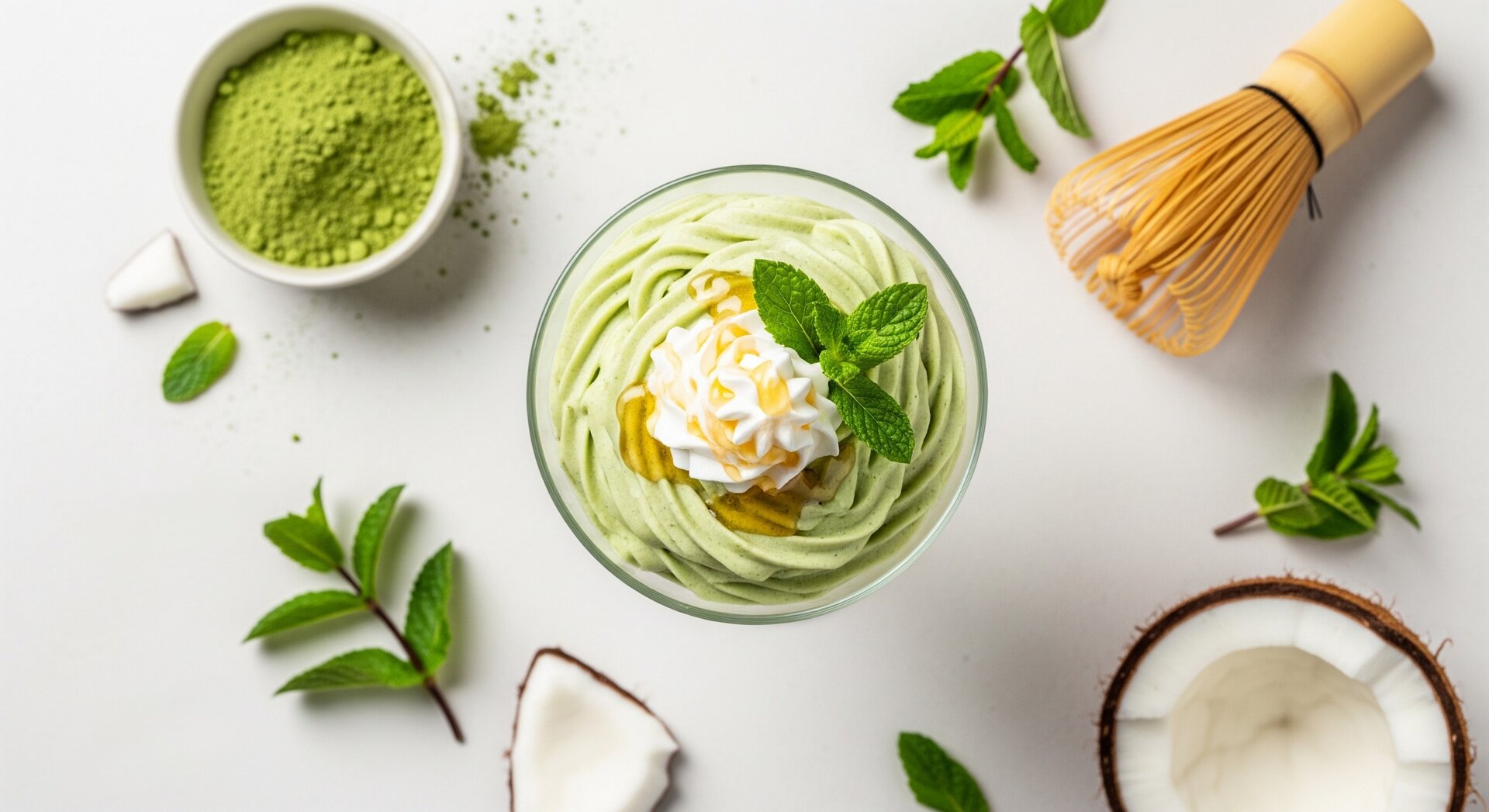 Matcha Coconut Mousse with Mint 200 min Airy mousse with matcha, coconut and fresh mint 276 kcal 5g protein 2 synergies
  In the Kitchen
Storage
Location:Pantry
Shelf life:2-3 jaar in droge, koele omstandigheden
Store agar-agar in an airtight container in a cool, dry place. Avoid moisture to prevent clumping. Once prepared, agar gel usually keeps well covered in the refrigerator for 2-3 days.
Preparation
Dissolve agar powder in boiling water or another liquid. Use about 1 teaspoon per 250 ml for a firm gel and less for a softer texture. Boil for 2-3 minutes while stirring until fully dissolved, pour into a mold and let cool to room temperature; agar sets around 32-40°C.
Smart preparation
1Dissolve agar-agar in boiling liquid; in cold water it will not form an even gel.
Why?
Agar needs high heat to hydrate and dissolve the polysaccharides properly.
2Boil the liquid with agar for at least 2 minutes after the powder has dissolved.
3Agar-agar gels at room temperature; refrigeration is not required, but it speeds up setting.
Caution / Warnings
Agar-Agar is very safe, but there are scientific considerations:
Intestinal obstruction or swallowing difficulties Severe
People with narrowing in the digestive tract or swallowing difficulties should be cautious with agar-agar because of its strong swelling and gel-forming capacity.
Advice:
Consult a doctor before using agar-agar if you have gastrointestinal complaints. Always take agar-agar with sufficient fluid and follow the preparation instructions carefully.
Medication absorption Moderate
Because of its gel-forming fiber structure, agar-agar may affect the absorption of certain medications when taken at the same time.
Advice:
Take agar-agar at least 2 hours before or after taking medication. Discuss regular or long-term use with your doctor or pharmacist.
Traditional use
Southeast Asian
Agar-agar in Southeast Asian cuisines
In Malay and other Southeast Asian cuisines, agar-agar is used for colorful desserts, layered jellies and refreshing sweet cubes with coconut, fruit or syrup.
Other
Agar-agar in Japanese tradition
In Japan, agar-agar, known as kanten, has been used for centuries for traditional sweets such as yokan and anmitsu, where a clear and sliceable gel texture is desired.
Summary
Agar-agar is a plant-based gelling agent from red seaweed, best known in Japanese cuisine as kanten. It is halal and vegan, has a neutral taste and forms a firm gel at room temperature. Its gelling strength makes it useful for desserts, fruit jelly, coconut jelly, jam and plant-based preparations without animal gelatin.