Desiccated Coconut
Dried coconut for baking, granola and tropical dishes
What is this ingredient?
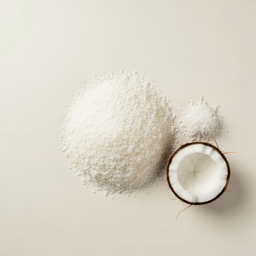
Desiccated coconut is dried coconut flesh, available as fine shreds or coarser flakes. It gives dishes a sweet, nutty coconut flavour and a dry, lightly crisp texture that works especially well in granola, baking, curries and homemade snacks.
## Coconut Fats & Lauric Acid
Desiccated coconut is naturally high in fat, including medium-chain triglycerides (MCTs) such as lauric acid. These fatty acids help shape coconut's full mouthfeel and characteristic aroma. Because desiccated coconut is calorie-dense, a small portion usually fits better than a large handful.
## Fibre & Minerals
With 16.3 g fibre per 100 g, unsweetened desiccated coconut has a high fibre content. It also contains minerals such as magnesium, iron, zinc, potassium and selenium; the exact amount can vary by origin, drying method and brand.
## Choose Unsweetened
Choose unsweetened desiccated coconut when you want the pure coconut taste without extra added sugar. Store it airtight and cool once opened, because the high fat content makes coconut prone to rancidity.
How does it taste?
Sweet and nutty with a mild vanilla-like note and a dry, grainy texture.
Pairs well with:
Pairs well with chocolatemangocurrygranolabanana and dates.
Did you know...?
- A coconut needs about 12 months to fully ripen on the palm tree.
- The three 'eyes' of a coconut are germination pores; usually only one is active.
Nutritional Value & Energy
Per 100g
Desiccated Coconut provides energy thanks to natural nutrients , buffered by fiber.
Per 100g
Minerals
Vitamins
Omega-3 fatty acids
More nutrients
B-Vitamins
Trace Minerals
What's in a serving?
1 serving
Desiccated coconut naturally contains iron (3.3 mg per 100 g).
Desiccated coconut naturally contains zinc (2 mg per 100 g).
Desiccated coconut naturally contains magnesium (90 mg per 100 g).
Desiccated coconut naturally contains potassium (543 mg per 100 g).
Desiccated coconut naturally contains selenium (18 mcg per 100 g).
% of daily reference intake (DRI)
EU-approved nutrition claims
This ingredient contains nutrients for which EFSA-authorized health claims exist (at nutrient level, not ingredient-specific).
Approved health claims (EU)
Magnesium EU 432/2012
Magnesium contributes to normal muscle function
Contains 90mg/100g (threshold: ≥56.25mg/100g)
Magnesium EU 432/2012
Magnesium contributes to the reduction of tiredness and fatigue
Contains 90mg/100g (threshold: ≥56.25mg/100g)
Magnesium EU 432/2012
Magnesium contributes to normal functioning of the nervous system
Contains 90mg/100g (threshold: ≥56.25mg/100g)
Zinc EU 432/2012
Zinc contributes to the normal function of the immune system
Contains 2mg/100g (threshold: ≥1.5mg/100g)
Zinc EU 432/2012
Zinc contributes to the maintenance of normal skin
Contains 2mg/100g (threshold: ≥1.5mg/100g)
Iron EU 432/2012
Iron contributes to normal energy-yielding metabolism
Contains 3.3mg/100g (threshold: ≥2.1mg/100g)
Iron EU 432/2012
Iron contributes to the reduction of tiredness and fatigue
Contains 3.3mg/100g (threshold: ≥2.1mg/100g)
Potassium EU 432/2012
Potassium contributes to the maintenance of normal blood pressure
Contains 543mg/100g (threshold: ≥300mg/100g)
Magnesium EU 432/2012
Magnesium contributes to normal energy-yielding metabolism
Contains 90mg/100g (threshold: ≥56.25mg/100g)
Magnesium EU 432/2012
Magnesium contributes to electrolyte balance
Contains 90mg/100g (threshold: ≥56.25mg/100g)
Magnesium EU 432/2012
Magnesium contributes to normal protein synthesis
Contains 90mg/100g (threshold: ≥56.25mg/100g)
Magnesium EU 432/2012
Magnesium contributes to normal psychological function
Contains 90mg/100g (threshold: ≥56.25mg/100g)
Magnesium EU 432/2012
Magnesium contributes to the maintenance of normal bones
Contains 90mg/100g (threshold: ≥56.25mg/100g)
Magnesium EU 432/2012
Magnesium contributes to the maintenance of normal teeth
Contains 90mg/100g (threshold: ≥56.25mg/100g)
Magnesium EU 432/2012
Magnesium has a role in the process of cell division
Contains 90mg/100g (threshold: ≥56.25mg/100g)
Iron EU 432/2012
Iron contributes to normal cognitive function
Contains 3.3mg/100g (threshold: ≥2.1mg/100g)
Iron EU 432/2012
Iron contributes to normal formation of red blood cells and haemoglobin
Contains 3.3mg/100g (threshold: ≥2.1mg/100g)
Iron EU 432/2012
Iron contributes to normal oxygen transport in the body
Contains 3.3mg/100g (threshold: ≥2.1mg/100g)
Iron EU 432/2012
Iron contributes to the normal function of the immune system
Contains 3.3mg/100g (threshold: ≥2.1mg/100g)
Iron EU 432/2012
Iron has a role in the process of cell division
Contains 3.3mg/100g (threshold: ≥2.1mg/100g)
Zinc EU 432/2012
Zinc contributes to normal acid-base metabolism
Contains 2mg/100g (threshold: ≥1.5mg/100g)
Zinc EU 432/2012
Zinc contributes to normal carbohydrate metabolism
Contains 2mg/100g (threshold: ≥1.5mg/100g)
Zinc EU 432/2012
Zinc contributes to normal cognitive function
Contains 2mg/100g (threshold: ≥1.5mg/100g)
Zinc EU 432/2012
Zinc contributes to normal DNA synthesis
Contains 2mg/100g (threshold: ≥1.5mg/100g)
Zinc EU 432/2012
Zinc contributes to normal fertility and reproduction
Contains 2mg/100g (threshold: ≥1.5mg/100g)
Zinc EU 432/2012
Zinc contributes to normal macronutrient metabolism
Contains 2mg/100g (threshold: ≥1.5mg/100g)
Zinc EU 432/2012
Zinc contributes to normal metabolism of fatty acids
Contains 2mg/100g (threshold: ≥1.5mg/100g)
Zinc EU 432/2012
Zinc contributes to normal metabolism of vitamin A
Contains 2mg/100g (threshold: ≥1.5mg/100g)
Zinc EU 432/2012
Zinc contributes to normal protein synthesis
Contains 2mg/100g (threshold: ≥1.5mg/100g)
Zinc EU 432/2012
Zinc contributes to the maintenance of normal bones
Contains 2mg/100g (threshold: ≥1.5mg/100g)
Zinc EU 432/2012
Zinc contributes to the maintenance of normal hair
Contains 2mg/100g (threshold: ≥1.5mg/100g)
Zinc EU 432/2012
Zinc contributes to the maintenance of normal nails
Contains 2mg/100g (threshold: ≥1.5mg/100g)
Zinc EU 432/2012
Zinc contributes to the maintenance of normal testosterone levels in the blood
Contains 2mg/100g (threshold: ≥1.5mg/100g)
Zinc EU 432/2012
Zinc contributes to the maintenance of normal vision
Contains 2mg/100g (threshold: ≥1.5mg/100g)
Zinc EU 432/2012
Zinc contributes to the protection of cells from oxidative stress
Contains 2mg/100g (threshold: ≥1.5mg/100g)
Zinc EU 432/2012
Zinc has a role in the process of cell division
Contains 2mg/100g (threshold: ≥1.5mg/100g)
Selenium EU 432/2012
Selenium contributes to the maintenance of normal hair
Contains 18mcg/100g (threshold: ≥8.25mcg/100g)
Selenium EU 432/2012
Selenium contributes to the maintenance of normal nails
Contains 18mcg/100g (threshold: ≥8.25mcg/100g)
Selenium EU 432/2012
Selenium contributes to the normal function of the immune system
Contains 18mcg/100g (threshold: ≥8.25mcg/100g)
Selenium EU 432/2012
Selenium contributes to normal thyroid function
Contains 18mcg/100g (threshold: ≥8.25mcg/100g)
Selenium EU 432/2012
Selenium contributes to normal spermatogenesis
Contains 18mcg/100g (threshold: ≥8.25mcg/100g)
Selenium EU 432/2012
Selenium contributes to the protection of cells from oxidative stress
Contains 18mcg/100g (threshold: ≥8.25mcg/100g)
Potassium EU 432/2012
Potassium contributes to normal functioning of the nervous system
Contains 543mg/100g (threshold: ≥300mg/100g)
Potassium EU 432/2012
Potassium contributes to normal muscle function
Contains 543mg/100g (threshold: ≥300mg/100g)
Comparison
vsbanaan
Desiccated coconut contains about 2 times as much potassium per 100 g as banana.
What's being researched?
Coconut fibre in nutrition research
The high fibre content of desiccated coconut is examined in nutrition research in relation to fibre intake, satiety and intestinal transit. Available studies more often focus on fibre in general than on desiccated coconut as a specific ingredient.
Supported by: [4] Slavin (2013)
Good Combinations (Synergy)
Combine desiccated coconut smartly to enhance the effect:
Desiccated Coconut 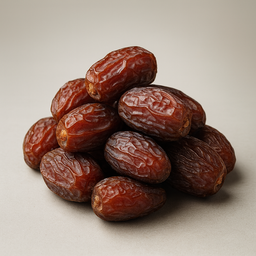 Dates
Dates MCTs slow sugar absorption from dates for more stable energy
Technical: Dates contain 66g natural sugars per 100g (GI ~42-55). Desiccated coconut contains 33g fat of which 82% MCTs that slow gastric emptying and dampen glycemic response. Coconut fiber (9g/100g) reinforces this effect.
What does this mean for you? Roll dates in desiccated coconut for an energy snack without sugar spikes. This is why date-coconut balls are such a smart snack.
Desiccated Coconut 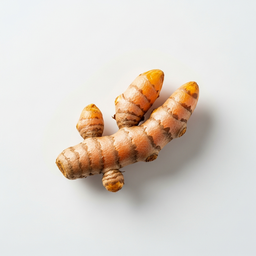 Turmeric
 MCTs in desiccated coconut improve curcumin absorption
Technical: Desiccated coconut contains 65g fat per 100g, mostly MCTs that are rapidly absorbed. These MCTs form a lipid matrix that efficiently transports fat-soluble curcumin from turmeric through the gut wall. The absorption increase is comparable to coconut milk but in concentrated solid form.
What does this mean for you? Use desiccated coconut together with turmeric in curries, energy balls or granola. The coconut fat in the flakes helps your body better absorb the curcumin.
Desiccated Coconut 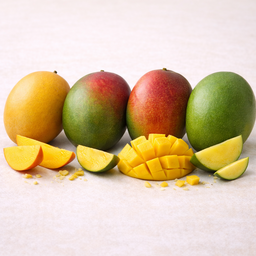 Mango
Mango Coconut fat improves beta-carotene absorption from mango by 3-6x
Fat-soluble carotenoids require fat for absorption (PMID: 15927929)
Technical: Mango contains 640ug beta-carotene per 100g plus other carotenoids — fat-soluble compounds. Coconut oil (MCT, 50% lauric acid) forms mixed micelles increasing intestinal absorption of carotenoids by 300-600%. Desiccated coconut provides the same fats in a fiber-rich matrix. Minimum 3-5g fat is needed for effective absorption.
What does this mean for you? Serve mango with desiccated coconut or a splash of coconut oil in a smoothie. The tropical combination is not just delicious but also functional: the coconut fat ensures you actually absorb the beta-carotene from the mango. Perfect in smoothie bowls, curries or as dessert.
Recipes with Desiccated Coconut
Discover delicious recipes featuring desiccated coconut:
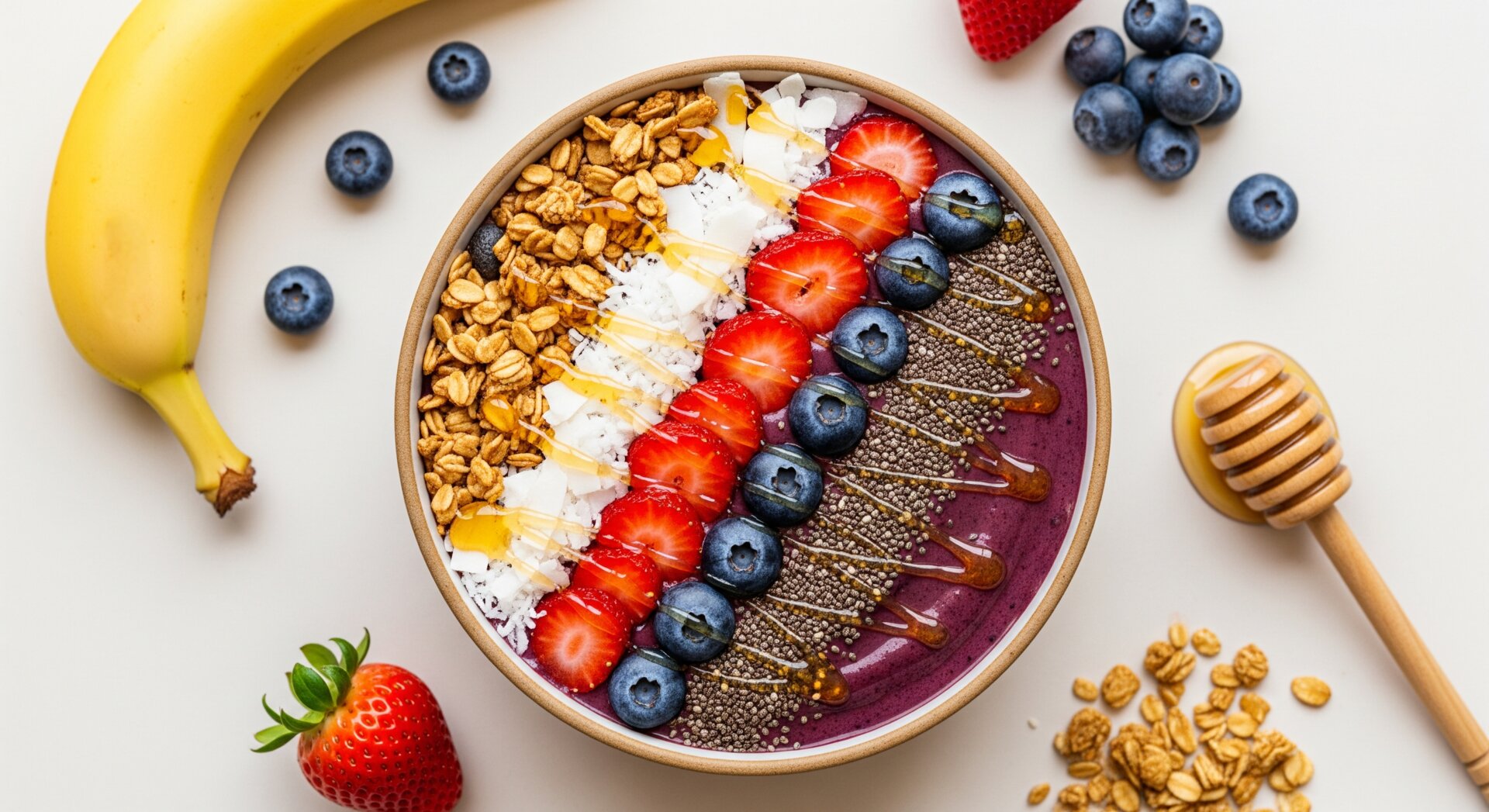 Acai Bowl with Banana, Berries and Oats 10 min Fresh berry bowl for fresh mornings
  431 kcal
  8g protein 2 synergies
 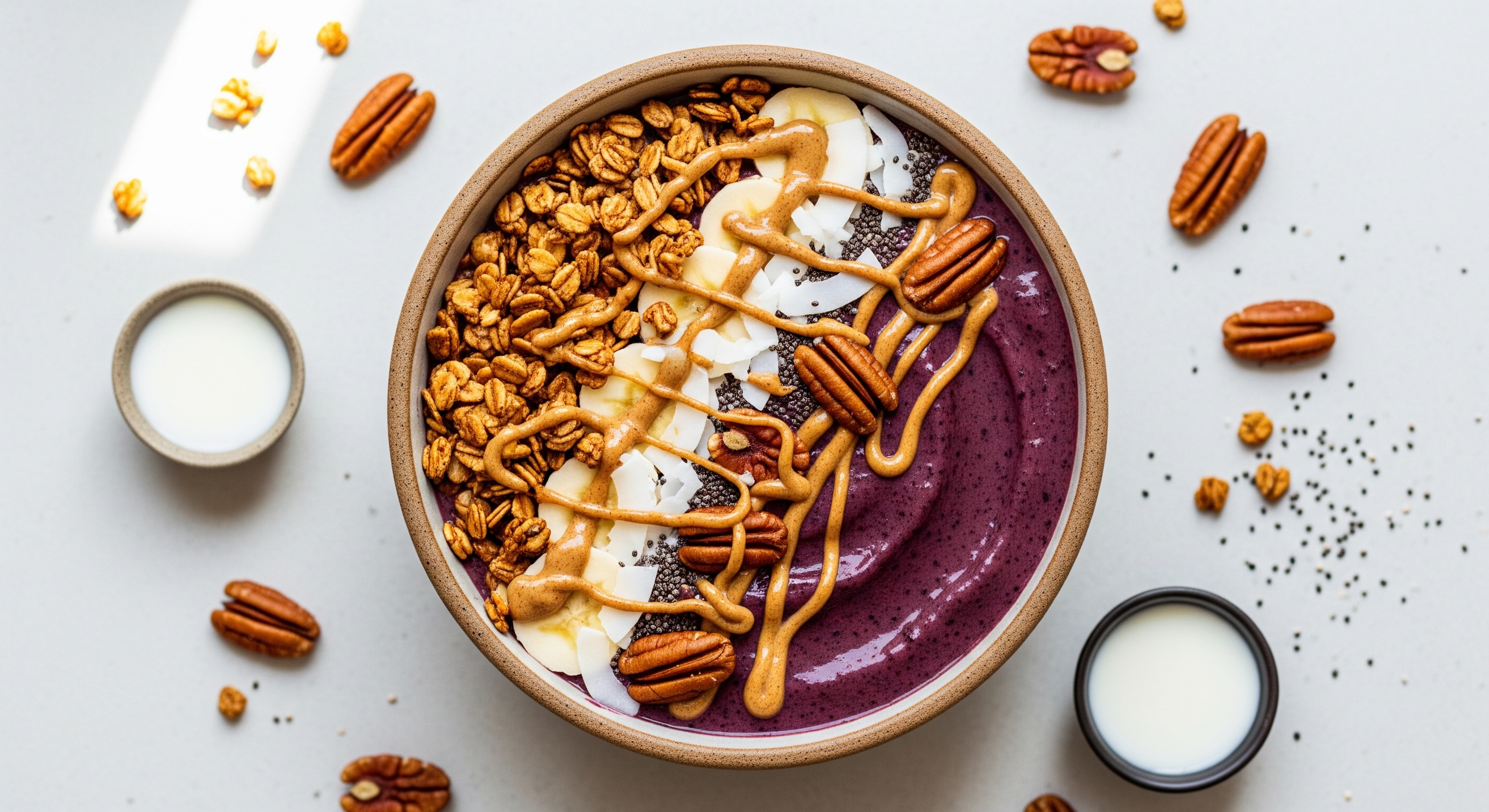 Açaí Bowl with Nuts, Granola & Coconut Base 10 min Colorful bowl with açaí, nuts and seeds on a creamy coconut-banana base 745 kcal 16g protein 2 synergies
 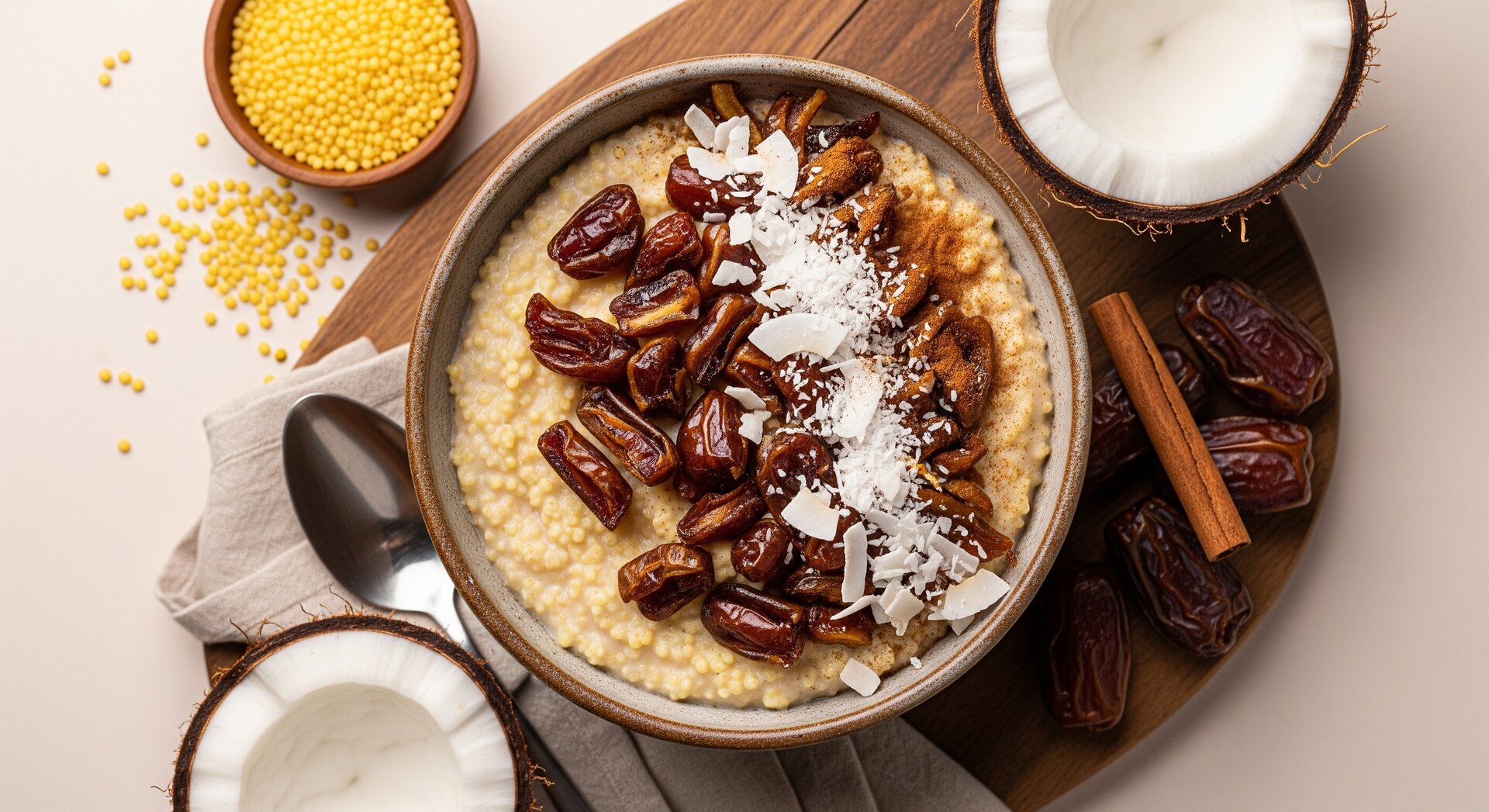 African Millet Porridge with Coconut and Dates 30 min Gluten-free porridge with coconut milk, Medjool dates and cinnamon 828 kcal 14g protein 1 synergies
 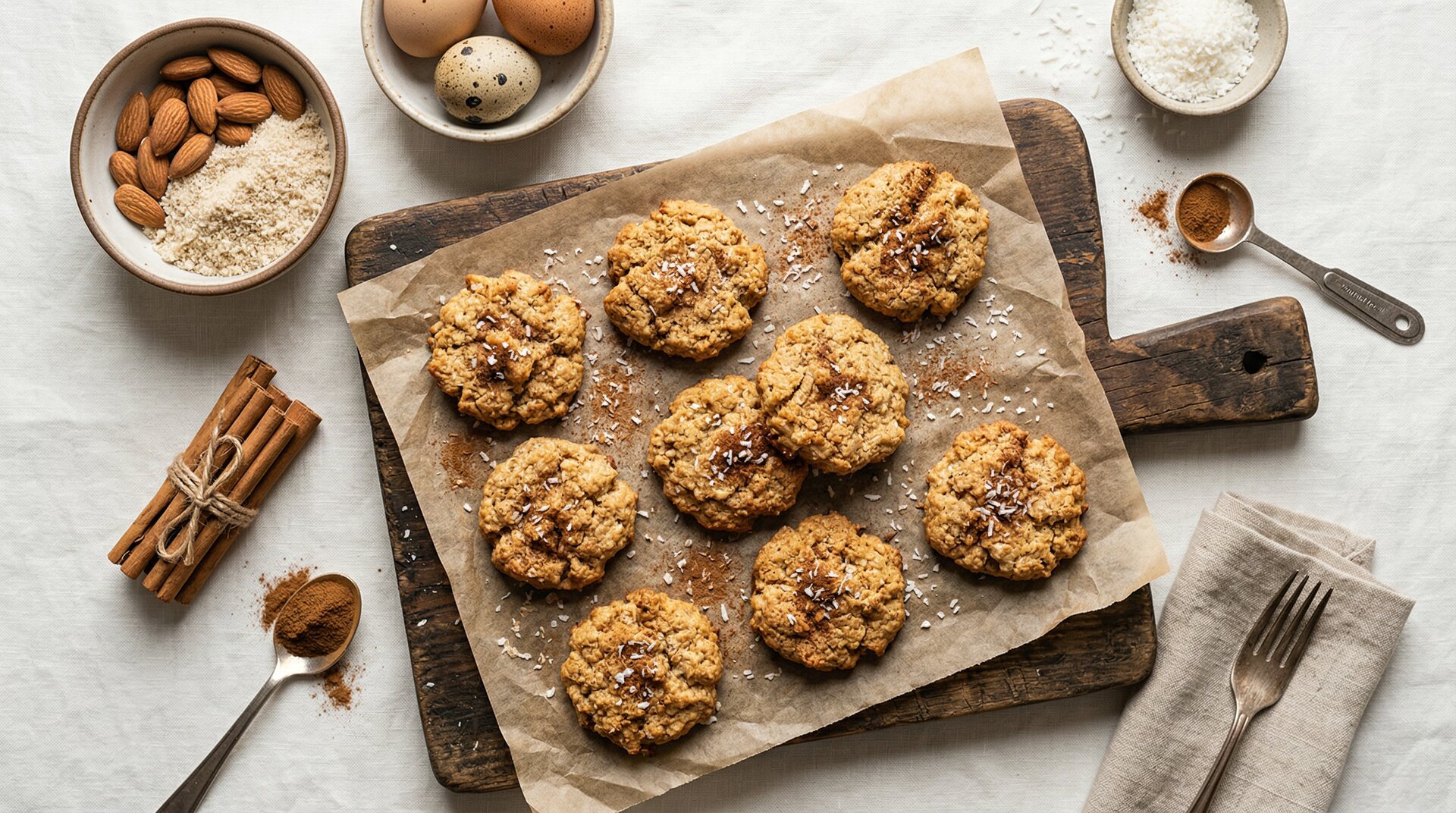 Almond Cinnamon Cookies with Coconut 22 min Crisp at the edges, soft inside 165 kcal 5g protein 2 synergies
 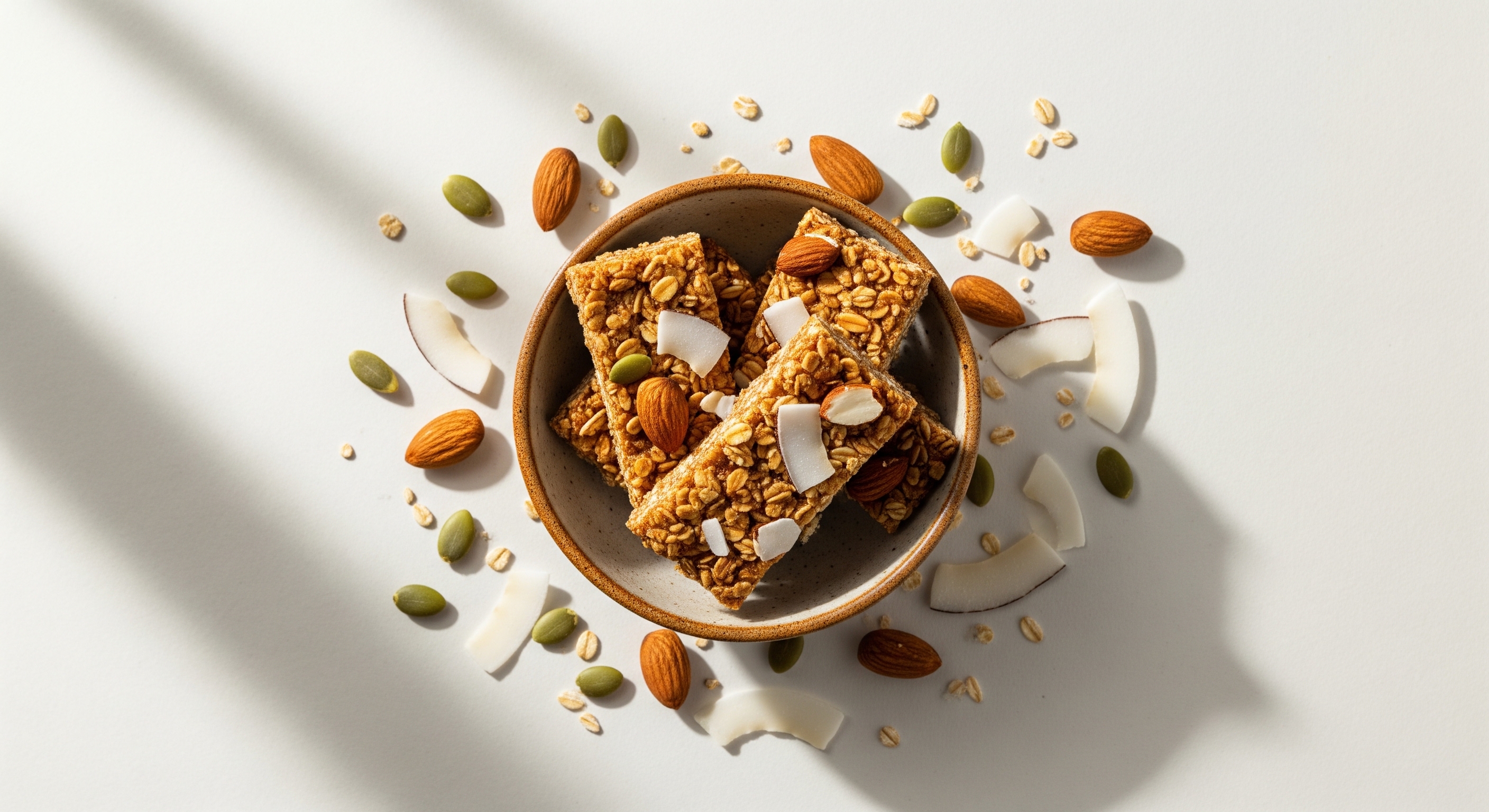 Almond-Coconut Granola Bars 40 min Crunchy, nutty and sweet from honey and apricots 412 kcal 10g protein 2 synergies
 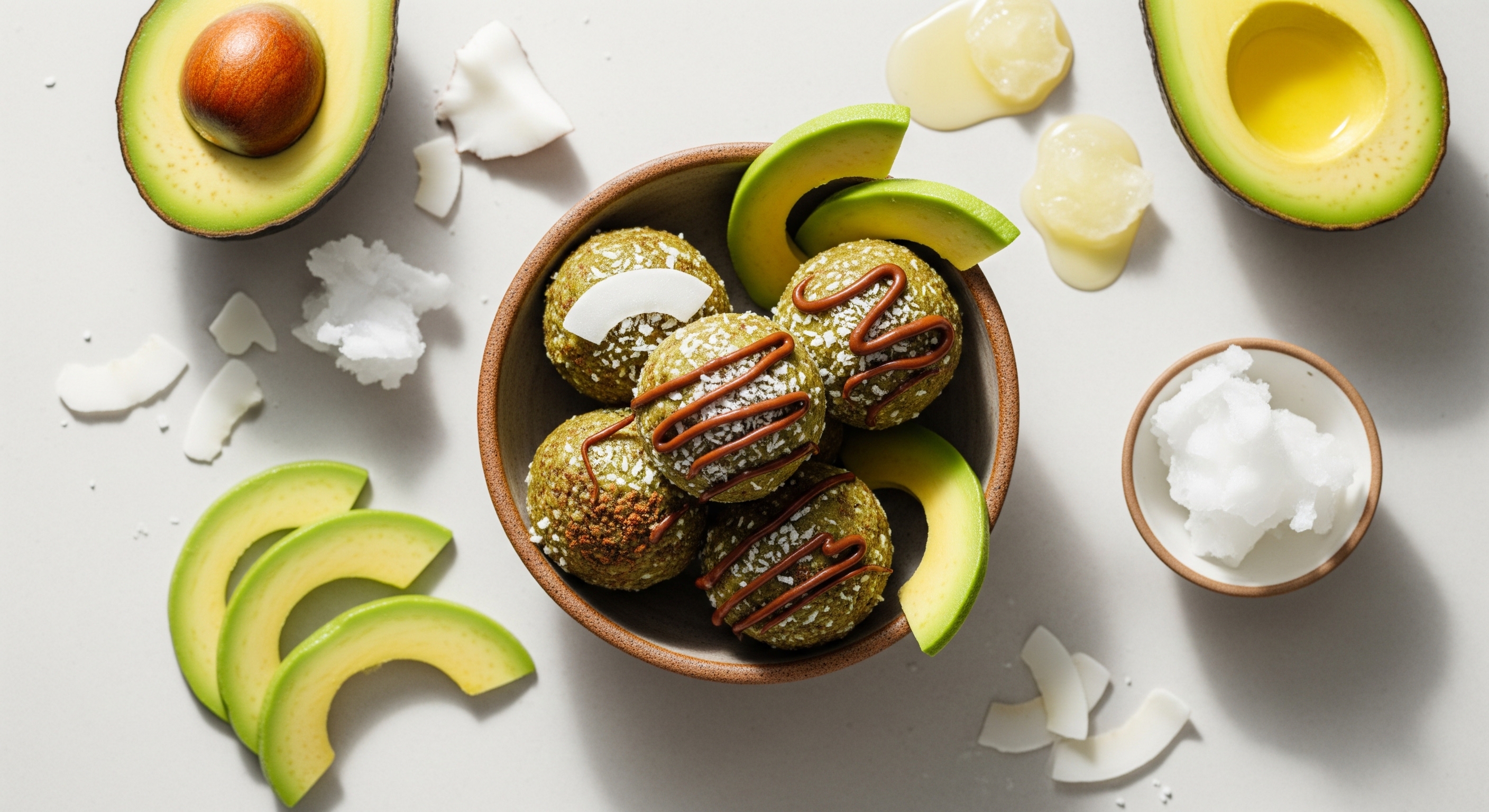 Avocado Coconut Fat Bombs 15 min Creamy, chocolatey and low in carbs 380 kcal 4g protein 1 synergies
  In the Kitchen
Storage
Location:Pantry
Shelf life:6 maanden kamertemperatuur, 1 jaar koelkast/vriezer
Store in an airtight container. Because of its high fat content, desiccated coconut can go rancid; chilling or freezing extends its shelf life noticeably.
Preparation
Toast briefly in a dry pan for a nuttier aroma. Use in coconut balls, granola, smoothies, curries, baking or as a crisp coating for chicken, fish or tofu. Combine with dates for a soft, sweet snack base.
Substitutes
Smart preparation
1Dry-toast shredded coconut in a pan over low heat until golden brown.
Why?
Toasted coconut has a much more intense, nutty flavour.
2Stir continuously when toasting; shredded coconut can burn in seconds.
3Soak shredded coconut in warm milk or a plant-based drink for a softer texture in baked goods.
Caution / Warnings
Desiccated Coconut is very safe, but there are scientific considerations:
Cardiovascular disease or fat-restricted diet Mild
Desiccated coconut is calorie-dense and high in fat, with a large share of saturated fat. People following a medically prescribed fat restriction or specific cardiovascular dietary advice should use small portions.
Advice:
Use as a flavouring in small amounts and consult a doctor or dietitian for personal dietary restrictions.
Coconut allergy Moderate
Coconut allergy is rare but can occur. Despite the name, coconut is not botanically a tree nut.
Advice:
Avoid coconut if you have a known coconut allergy and also check mixed products that may contain coconut.
Traditional use
Southeast Asian
Desiccated coconut in tropical cuisines
Grated coconut is a classic ingredient in the cuisines of Indonesia, Malaysia, Sri Lanka and South India. It is used in rendang, sambal, chutneys, rice dishes, baking and sweet snacks.
Summary
Unsweetened desiccated coconut is dried coconut flesh with a sweet, nutty flavour and a high fibre content. It naturally contains coconut fats such as MCTs and lauric acid, plus minerals such as magnesium, iron, zinc, potassium and selenium. Because it is calorie-dense, it works best as a flavourful addition in small portions: in granola, baking, curries, smoothies or coconut balls. Choose unsweetened for the purest version without extra added sugar.