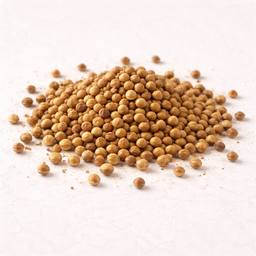
Coriander Seeds
Warm citrusy seed for curries and spice blends
What is this ingredient?
Coriander seed (Coriandrum sativum) is the dried seed of the same plant whose leaves are used as fresh cilantro. Its taste is very different from the leaf: warm, citrusy, slightly sweet and nutty.
## Aroma and composition
Its recognizable aroma comes mainly from linalool, a monoterpene also found in lavender, basil and citrus peel. In coriander seed, linalool often makes up the largest share of the essential oil, giving the seed a softer, rounder taste than the fresh green leaf.
## Use in culinary traditions
Coriander seed is a staple in Indian masalas, Middle Eastern spice blends, North African marinades and European bread and pickling recipes. Briefly dry-toasting the seeds brings out their citrusy and nutty notes.
## Practical kitchen use
Coriander seed is a true flavor rounder: it softens sharp tastes, adds depth to curries and stews, and pairs especially well with cumin, lemon, ginger, carrot and lamb.
How does it taste?
Warm-citrusy with nutty and slightly sweet undertones.
Pairs well with:
Pairs well with cumincinnamonlemoncarrot and lamb.
Did you know...?
- Coriander seeds have been found in the 8,000-year-old Nahal Hemar cave in Israel.
- Coriander seed tastes completely different from the leaf: nutty and citrusy.
Nutritional Value & Energy
Per 100g
Coriander Seeds provides energy thanks to natural nutrients , buffered by fiber.
Per 100g
Minerals
Vitamins
More nutrients
B-Vitamins
Trace Minerals
What's in a serving?
Coriander seeds naturally contain iron (16.3 mg per 100 g dried powder). At typical spice usage (3–9 g), the contribution is limited.
Coriander seeds naturally contain calcium (709 mg per 100 g dried powder). At typical spice usage (3–9 g), the contribution is limited.
Coriander seeds naturally contain magnesium (330 mg per 100 g dried powder). At typical spice usage (3–9 g), the contribution is limited.
Coriander seeds naturally contain manganese (1.9 mg per 100 g dried powder). At typical spice usage (3–9 g), the contribution is limited.
Coriander seeds naturally contain iron (16.3 mg per 100 g dried powder). At typical spice usage (3–9 g), the contribution is limited.
Coriander seeds naturally contain calcium (709 mg per 100 g dried powder). At typical spice usage (3–9 g), the contribution is limited.
Coriander seeds naturally contain magnesium (330 mg per 100 g dried powder). At typical spice usage (3–9 g), the contribution is limited.
Coriander seeds naturally contain phosphorus (409 mg per 100 g dried powder). At typical spice usage (3–9 g), the contribution is limited.
Coriander seeds naturally contain potassium (1267 mg per 100 g dried powder). At typical spice usage (3–9 g), the contribution is limited.
Coriander seeds naturally contain zinc (4.7 mg per 100 g dried powder). At typical spice usage (3–9 g), the contribution is limited.
Coriander seeds naturally contain manganese (1.9 mg per 100 g dried powder). At typical spice usage (3–9 g), the contribution is limited.
Coriander seeds naturally contain selenium (26.2 mcg per 100 g dried powder). At typical spice usage (3–9 g), the contribution is limited.
% of daily reference intake (DRI)
EU-approved nutrition claims
There are currently no EFSA-authorized health claims specific to coriander seeds. Various applications for herbs and spices have been submitted but not yet assessed (botanical “on hold” list).
Comparison
vsspinazie
Coriander seeds contain about 6× more iron per 100 g than spinach — but you use much less coriander seed per serving.
vsmelk
Coriander seeds contain about 6× more calcium per 100 g than milk — but you use much less coriander seed per serving.
vsbanaan
Coriander seeds contain about 4× more potassium per 100 g than banana — but you use much less coriander seed per serving.
What's being researched?
Coriander seed and glucose metabolism
Coriander seed is studied in relation to glucose metabolism. Animal studies report interesting observations, while clinical evidence remains limited.
Supported by: [1] Eidi M (2009)
Good Combinations (Synergy)
Combine coriander seeds smartly to enhance the effect:
Coriander Seeds 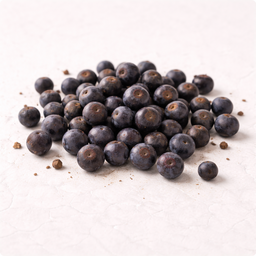 Juniper Berry
 a-pinene + linalool enhance bioactive and digestive action
Technical: Juniper contains a-pinene (30%) with bioactive action via cell wall disruption. Coriander seed contains linalool (60-80%) that works bioactively via a different mechanism (membrane permeabilization). Together they provide broader bioactive action. Both promote digestion via bile stimulation.
What does this mean for you? Juniper + coriander seed is a classic herb combination for stews and game. The two spices enhance each other's bioactive and digestive action.
Coriander Seeds 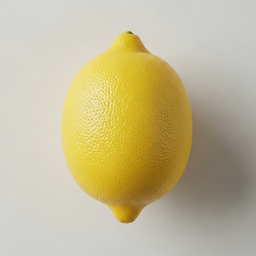 Lemon
Lemon Heavy metal chelation + vitamin C for biotransformation
Technical: Coriander seed contains compounds that chelate heavy metals (lead, mercury, cadmium) — binding and making them excretable. Lemon provides vitamin C that supports biotransformation and protects chelation as antioxidant.
What does this mean for you? Coriander seed-lemon tea is a traditional herbal drink. Soak a tablespoon of coriander seeds in hot water, add lemon juice — a fresh and aromatic drink.
Coriander Seeds 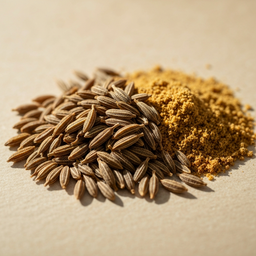 Cumin
Cumin Linalool + cuminaldehyde for digestion and biotransformation
Technical: Coriander seed contains linalool (60-80% of oil) that acts antispasmodically on the GI tract and promotes bile flow. Cumin's cuminaldehyde (25-35%) promotes pancreatic enzyme activity (amylase, lipase, protease) by 20-30%. Together they promote the complete digestive cascade: coriander seed promotes bile flow (fat digestion), cumin activates pancreatic enzymes (protein/starch digestion). Studies show the combination meaningfully reduces gas formation.
What does this mean for you? Coriander seed + cumin is the Indian digestive duo (jeera-dhaniya). Dry toast both seeds in a pan for maximum aroma development and add to dal, curry or rice.
Recipes with Coriander Seeds
Discover delicious recipes featuring coriander seeds:
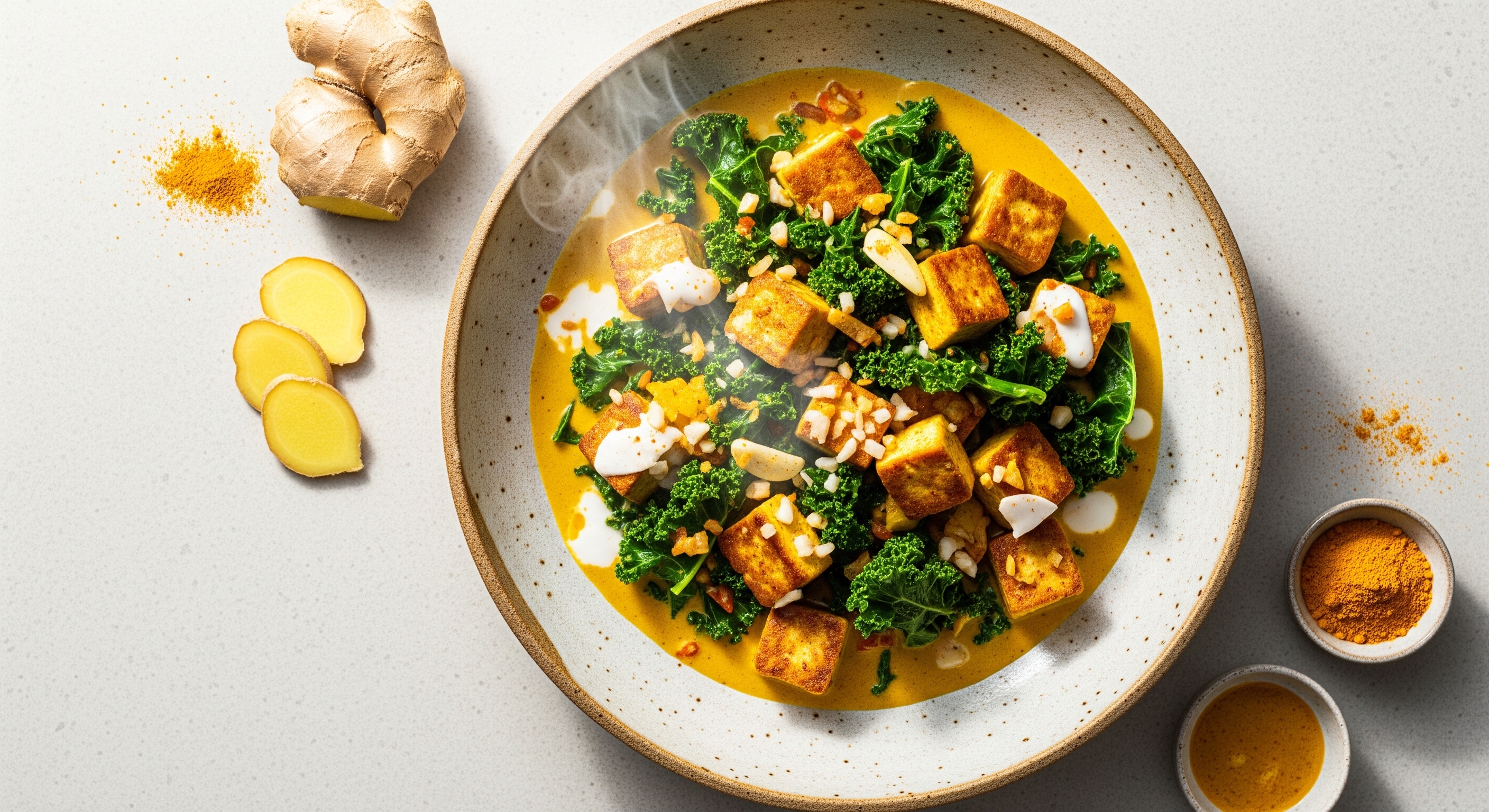 Kale Tofu Curry with Ginger 40 min Creamy curry with crisp tofu and coconut
  365 kcal
  16g protein 3 synergies
 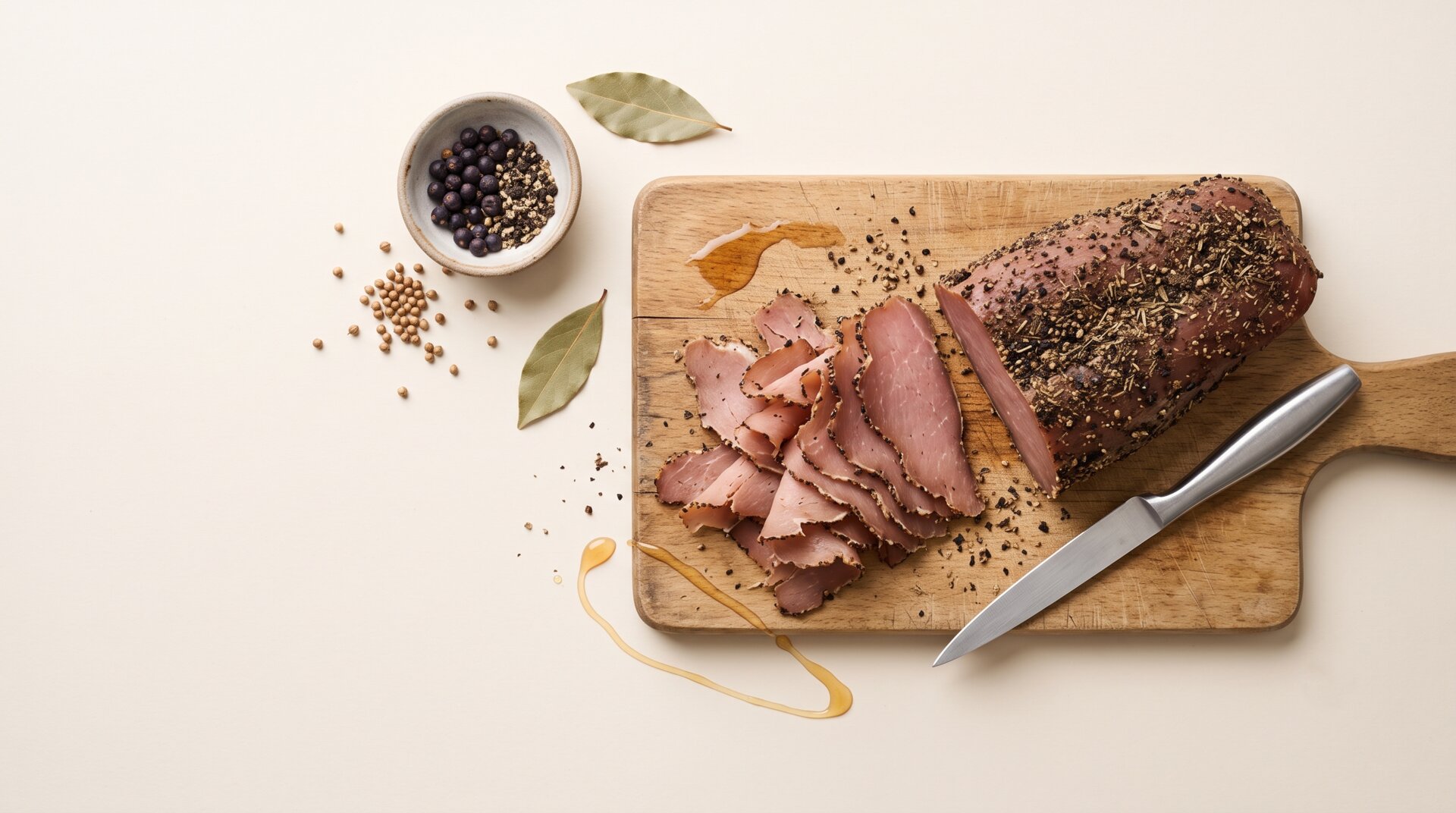 Turkey Filet d'Anvers Cold Cut 200 min Belgian delicacy as halal sandwich meat 50 kcal 10g protein 2 synergies
 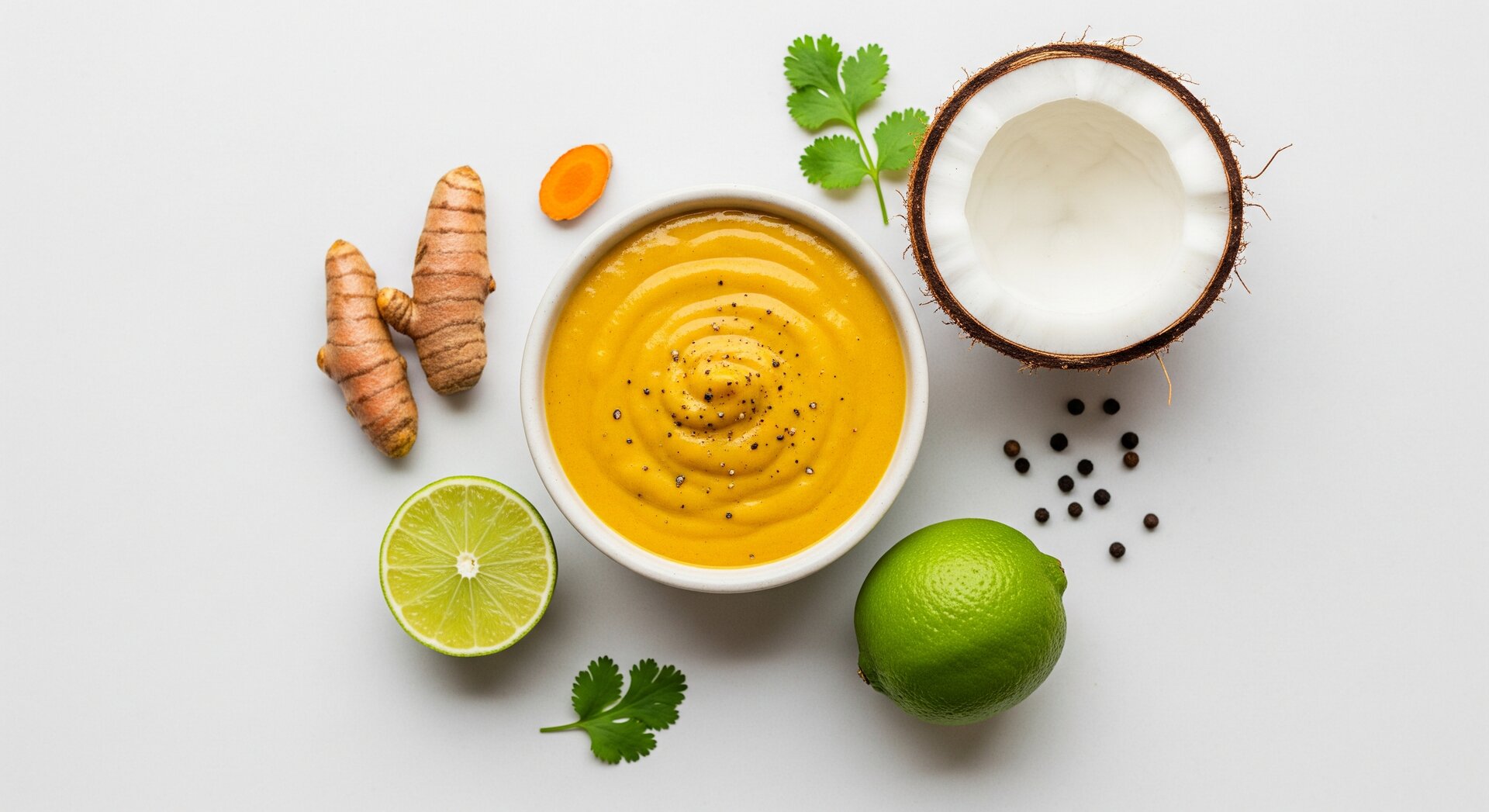 Golden Turmeric Coconut Curry Sauce 30 min Velvety, golden yellow and full of warmth 95 kcal 1g protein 3 synergies
 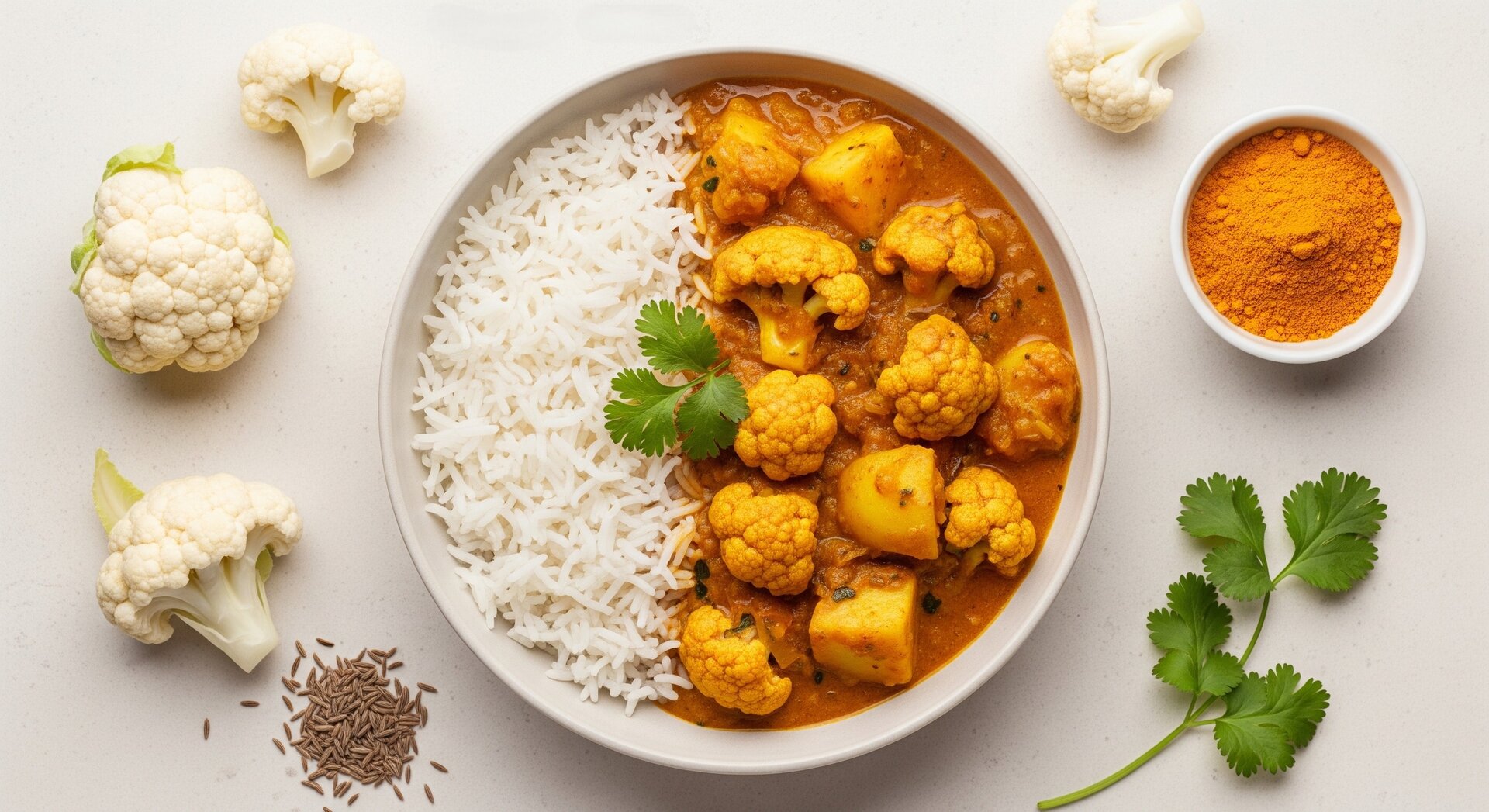 Indian Aloo Gobi with Basmati Rice 50 min Potato-cauliflower curry with turmeric, cumin and garam masala 674 kcal 16g protein 1 synergies
 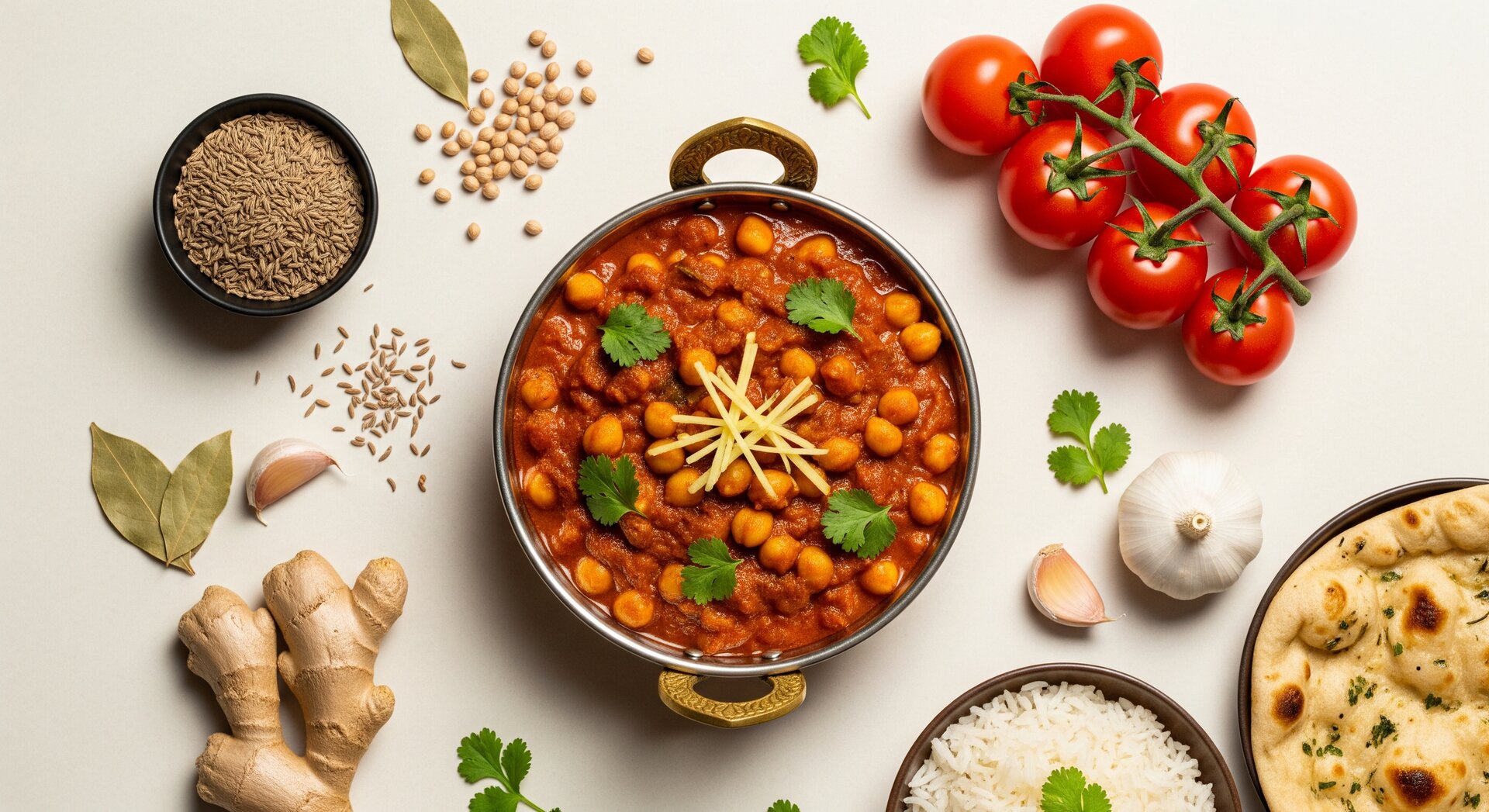 Indian Chana Masala 50 min Spiced chickpeas in a rich masala sauce 290 kcal 12g protein 2 synergies
 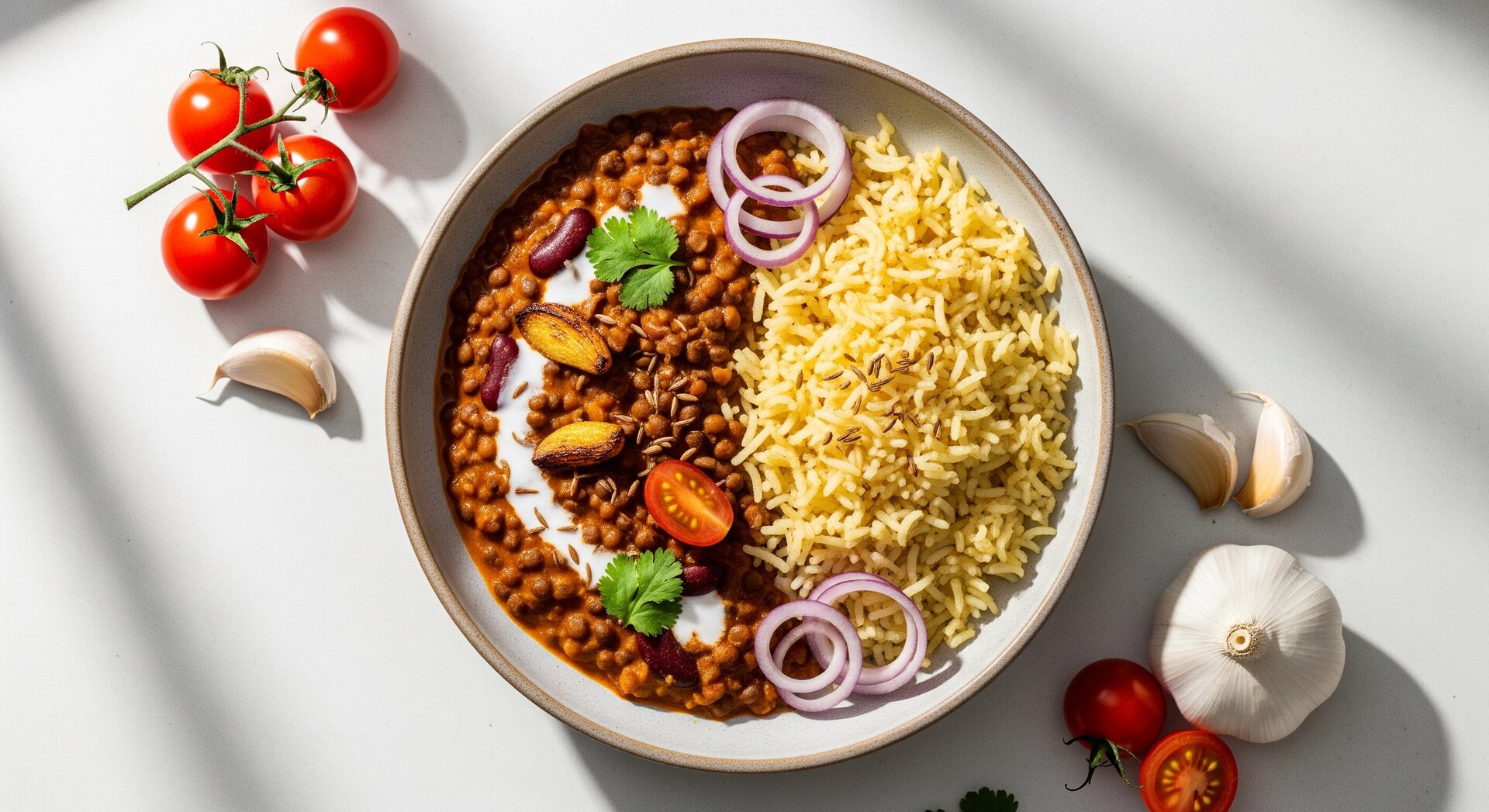 Indian Dal Makhani with Ghee Rice 75 min Creamy black lentil stew with kidney beans and ghee rice 756 kcal 28g protein 2 synergies
  In the Kitchen
Storage
Location:Pantry
Shelf life:2-3 jaar (hele zaden), 6-12 maanden (gemalen)
Whole seeds keep their aroma much longer than powder. Lightly toast and grind just before use for the best flavor.
Preparation
Toast for 30–60 seconds in a dry pan until fragrant. Grind coarse or fine to taste and add early in the cooking process.
Conversions
Substitutes
Smart preparation
1Dry-toast coriander seeds in a pan until they start to smell fragrant.
Why?
Toasting unlocks the citrusy, nutty flavor.
2Grind coriander seeds fresh in a mortar or grinder.
3Combine coriander seeds with cumin for a classic spice base.
Caution / Warnings
Coriander Seeds is very safe, but there are scientific considerations:
Diabetes medication Moderate
Concentrated coriander seed preparations may affect glucose values. Use extra care when combining them with diabetes medication.
Advice:
Normal culinary use is usually small in amount; discuss supplements or high dosages with a doctor or dietitian.
Apiaceae allergy Moderate
Cross-reactions are possible with allergy to plants from the same family, such as fennel, cumin, dill, celery or parsley.
Advice:
Avoid coriander seed if you have a known reaction to these plants, or try it only with appropriate guidance.
Traditional use
Ayurveda
Dhanyaka in Ayurveda
Coriander seed has long been used in Ayurveda in spice blends and is one of the ingredients of dhanyaka hima, a classical cooling drink.
Islamic tradition
Traditional Arab culinary spice
Coriander seed has a long history in Arab cuisine and appears in medieval culinary and herbal traditions as a warm, aromatic spice.
Summary
Coriander seed is a warm, citrusy spice that rounds sharp flavors and adds depth to curries, dhals, masalas and marinades. Briefly toast the seeds in a dry pan and grind them fresh for the best aroma. The seeds naturally contain fiber, minerals and aromatic oils such as linalool.