- Medium
- 55 min
- 2 serv.
- 13 synergies
- Now at its best: Red Bell Pepper
A classic Hungarian stew with tender beef, sweet red bell pepper and potato cubes in a rich sauce of paprika powder and tomato passata. Slow-simmered flavours that warm you from the inside.
The moment the lid comes off, that deep red, earthy aroma rises — paprika powder, slow-cooked onion and a hint of cumin. The beef is so tender it falls apart at the first touch of your spoon. The sauce has that thick, velvety texture you only get from patient simmering, with chunks of red bell pepper that still have just a little bite. Potato cubes soak up the sauce like tiny sponges. This is the kind of dish where you scoop a second helping without even thinking about it.
- 15
- min prep
- 40
- min cook
- 55
- min total
Nutritional Synergies
This recipe combines ingredients that enhance each other:
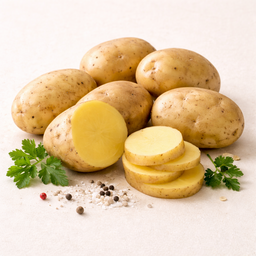 Potato
 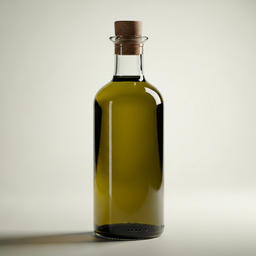 Olive Oil
 Olive oil improves carotenoid absorption from yellow potatoes
Technical: Yellow potato varieties contain up to 400μg carotenoids per 100g, including lutein and violaxanthin. These are fat-soluble and only 5-10% absorbed without fat. Olive oil's oleic acid (73%) forms mixed micelles increasing absorption up to 3x.
What does this mean for you? Roast or fry potatoes in olive oil — this significantly increases carotenoid absorption. Choose yellow varieties for maximum effect.
General WellnessSkin & Hair
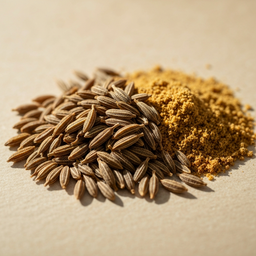 Cumin
Cumin 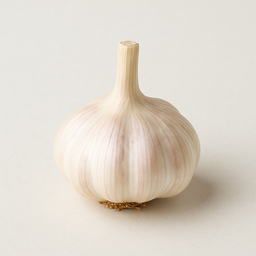 Garlic
 Double digestive support: enzymes + bioactive compounds
Technical: Cumin promotes digestive enzyme activity (amylase, lipase, protease) and increases bile flow. Garlic's allicin has broad bioactivity targeting pathogenic gut bacteria while sparing beneficial ones.
What does this mean for you? Fry garlic and cumin together as base for curries, soups and stews. Classic combination in virtually every cuisine in the world.
DigestionImmune System
Cumin Olive Oil Fat activates volatile oils and increases cuminaldehyde absorption
Technical: Cumin's active compounds (cuminaldehyde, cymene, terpinene) are volatile, fat-soluble compounds. Frying in olive oil extracts and stabilizes these compounds, and the fat improves their gut absorption.
What does this mean for you? Briefly fry cumin in olive oil before adding other ingredients (tadka/tempering). This is why Indian and Middle Eastern cuisines always fry cumin in oil.
DigestionAnti-inflammatoryBlood Sugar
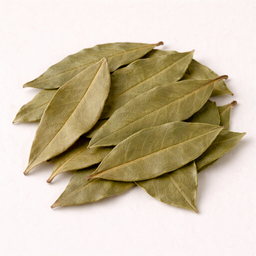 Bay Leaf Garlic
 Eucalyptol + allicin for broad-spectrum bioactive action
Technical: Bay's 1,8-cineole contains bioactive compounds effective against gram-negative bacteria and fungi via membrane disruption. Garlic's allicin works via thiol blockade in enzymes of gram-positive and gram-negative pathogens. Together they offer the broadest bioactive spectrum of all kitchen herbs. Bay's tannins also enhance the antioxidant action of garlic's S-allylcysteine.
What does this mean for you? Bay leaf + garlic is the base of virtually every good broth or sauce. Historically this served as a preservation method — a tradition that also works exceptionally well for flavor.
Immune SystemDigestion
Bay Leaf 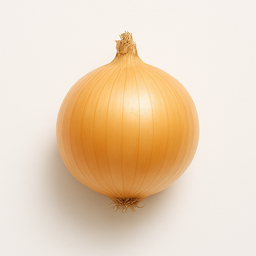 Onion
Onion Cineole + quercetin: aromatic broth base
Technical: Bay leaf contains 1,8-cineole (eucalyptol, 50% of oil), an aromatic compound. Onion's quercetin (20mg/100g) is a flavonoid. Bay leaf also contains parthenolide, studied in research in relation to COX signaling. The combination is the base of broth and stews in every Mediterranean cuisine.
What does this mean for you? Always add bay leaves together with onions as the base of your broth or stew. The combination gives a warm, aromatic base to any dish.
Immune SystemAnti-inflammatory
Olive Oil Garlic Aglio e olio: allicin + oleocanthal via complementary biochemical pathways
Technical: Garlic contains allicin (formed when cutting/crushing) that influences HMG-CoA reductase (involved in lipid metabolism). Olive oil contains oleocanthal that modulates COX-1/2 enzymes. Together they influence lipid metabolism and prostaglandin cascade via complementary biochemical pathways. The fat also helps absorb fat-soluble garlic compounds.
What does this mean for you? Gently warm garlic in olive oil (don't burn!) as the base for many dishes. This is why 'aglio e olio' pasta is so beloved — two bioactive compounds that reinforce each other.
HeartImmune System
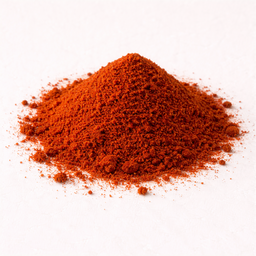 Paprika powder (sweet) Olive Oil
 3x better carotenoid absorption with fats
Technical: Paprika powder is extremely rich in carotenoids: beta-carotene, capsanthin and cryptoxanthin. These are all fat-soluble with only 5-10% absorption without fat. Olive oil or butter create micelles increasing absorption up to 3x. Additionally, vitamin E from olive oil protects carotenoids from oxidation.
What does this mean for you? Always briefly fry paprika powder in oil or butter before adding liquid. This activates the color and increases vitamin absorption up to 3x — the basis of Hungarian goulash.
Skin & HairImmune System
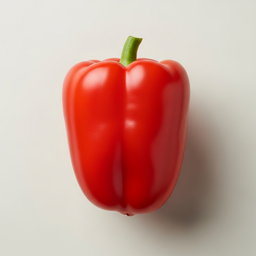 Red Bell Pepper Olive Oil
 Fat improves carotenoid absorption
Technical: Red pepper contains 3131μg beta-carotene per 100g — significantly more than green (208μg). Carotenoids are absorbed via passive transport with mixed micelles. Oleic acid (73% of olive oil) forms these micelles and increases beta-carotene absorption up to 5x (American Journal of Clinical Nutrition).
What does this mean for you? Roasted pepper with olive oil isn't just tasty but increases beta-carotene absorption up to 5x. Your body can barely absorb it without fat.
Immune SystemSkin & Hair
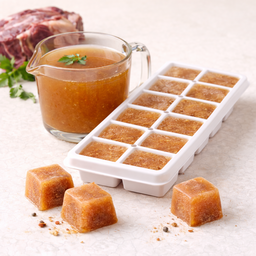 Beef Stock Garlic
 Collagen + allicin for joints and immunity
Technical: Beef broth is rich in type I and III collagen for skin, bones and joints. Garlic's allicin offers bioactive action.
What does this mean for you? Add garlic to your beef broth for a rich, savoury flavour alongside the collagen.
JointsImmune SystemSkin & Hair
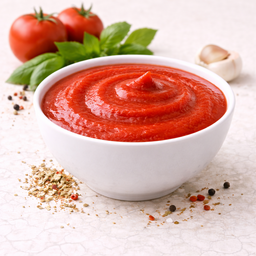 Tomato Passata Olive Oil
 Heated + fats = 5x more lycopene absorption
Technical: Tomato passata is already heated, releasing lycopene from cell walls in cis-form (better absorbable than trans-lycopene in raw tomato). Olive oil fats create micelles transporting this released lycopene through the gut wall. Basil adds eugenol (COX-2 inhibitor). Absorption increases up to 5x.
What does this mean for you? Make pasta sauce with tomato passata, olive oil and basil. You absorb up to 5x more lycopene than from raw tomato — great for your heart and skin.
HeartSkin & Hair
Tomato Passata Paprika powder (sweet) Double carotenoids: lycopene + capsanthin for antioxidant power
Technical: Tomato passata is concentrated lycopene (cooked tomatoes contain 2-3x more bioavailable lycopene). Paprika powder contains capsanthin and beta-carotene. Together they form a broad spectrum of carotenoids with synergistic antioxidant action.
What does this mean for you? Add paprika to tomato sauces - this is why Hungarian goulash and Spanish dishes are so colorful and healthy.
HeartSkin & HairImmune System
Tomato Passata Onion Lycopene + quercetin for broad-spectrum antioxidant protection
Technical: Tomato passata contains bioavailable lycopene (12-15mg/100g) from the cooking process. Onion's quercetin (20mg/100g) is a flavonoid that works complementarily to lycopene: lycopene neutralizes singlet oxygen (lipid phase), quercetin scavenges hydroxyl radicals and superoxide (aqueous phase). Together they cover the complete antioxidant spectrum. Onion's sulfur compounds also support Phase II biotransformation enzymes that process lycopene metabolites.
What does this mean for you? Passata with sauteed onion is the base of Italian cuisine (sugo). It's a top antioxidant duo you can eat daily — simple, affordable and effective.
HeartSkin & HairAnti-inflammatory
Onion Garlic More than 20 organosulfur compounds in one soffritto
Technical: Onion contains diallyl disulfide and quercetin (20-40mg/100g). Garlic contains allicin, ajoene and S-allylcysteine. Together they provide more than 20 different organosulfur compounds that modulate NF-κB. Allium crops are intensively studied in nutrition science for their unique sulfur chemistry.
What does this mean for you? Start every dish with sautéed onion and garlic — not just for flavor, but for the unique concentration of organosulfur compounds. Cut garlic 10 minutes before heating to allow allicin formation.
DigestionImmune System
Ingredients (11)
+8 more ingredients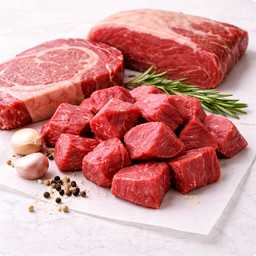
Instructions
- 1 Cut the beef into cubes of about 3 cm. Pat dry with kitchen paper. Cut the onions into half rings, the bell peppers into strips and the potatoes into cubes.
- 2 Heat the olive oil in a large heavy pan over high heat. Brown the beef in batches on all sides, about 4 minutes per batch. Remove from the pan and set aside.
Nutrition per serving
Indicative values per serving.
Timing & Suitability
Shelf life: 3 days in fridge