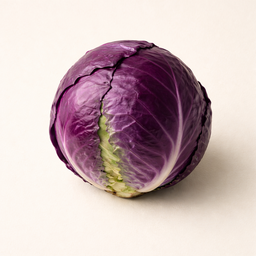
Red Cabbage
The Purple Antioxidant
What is this ingredient?
Red cabbage owes its color to anthocyanins, powerful antioxidants also found in berries. Compared to white cabbage, it has a higher antioxidant capacity and higher levels of certain micronutrients. A well-known chemistry fact: red cabbage acts as a pH indicator. In cooking, it is often paired with apple or acidic ingredients, which helps preserve color and supports mineral absorption.
How does it taste?
Mildly sweet and peppery with a firm crunch. Braised, it turns sweet and tangy.
Pairs well with:
Pairs well with applecinnamonred wineclove and walnut.
Did you know...?
- Red cabbage changes color depending on acidity: red in acid, blue in alkaline environments.
- In German, red cabbage is called 'Rotkohl' or 'Blaukraut', depending on the region.
Nutritional Value & Energy
Per 100g
Red Cabbage is low in calories thanks to natural nutrients , buffered by fiber.
Per 100g
Minerals
Vitamins
Omega-3 fatty acids
More nutrients
B-Vitamins
Trace Minerals
What's in a serving?
1 serving
Red Cabbage naturally contains vitamin c (57 mg per 100 g).
Red Cabbage naturally contains vitamin k (38.2 mcg per 100 g).
% of daily reference intake (DRI)
EU-approved nutrition claims
This ingredient contains nutrients for which EFSA-authorized health claims exist (at nutrient level, not ingredient-specific).
Approved health claims (EU)
Vitamin_c EU 432/2012
Vitamin C contributes to the normal function of the immune system
Contains 57mg/100g (threshold: ≥12mg/100g)
Vitamin_c EU 432/2012
Vitamin C contributes to the reduction of tiredness and fatigue
Contains 57mg/100g (threshold: ≥12mg/100g)
Vitamin_c EU 432/2012
Vitamin C contributes to normal collagen formation for the normal function of skin
Contains 57mg/100g (threshold: ≥12mg/100g)
Vitamin_c EU 432/2012
Vitamin C contributes to normal collagen formation for the normal function of blood vessels
Contains 57mg/100g (threshold: ≥12mg/100g)
Vitamin_c EU 432/2012
Vitamin C contributes to normal collagen formation for the normal function of bones
Contains 57mg/100g (threshold: ≥12mg/100g)
Vitamin_c EU 432/2012
Vitamin C contributes to normal collagen formation for the normal function of cartilage
Contains 57mg/100g (threshold: ≥12mg/100g)
Vitamin_c EU 432/2012
Vitamin C contributes to normal collagen formation for the normal function of gums
Contains 57mg/100g (threshold: ≥12mg/100g)
Vitamin_c EU 432/2012
Vitamin C contributes to normal collagen formation for the normal function of teeth
Contains 57mg/100g (threshold: ≥12mg/100g)
Vitamin_c EU 432/2012
Vitamin C contributes to normal energy-yielding metabolism
Contains 57mg/100g (threshold: ≥12mg/100g)
Vitamin_c EU 432/2012
Vitamin C contributes to normal functioning of the nervous system
Contains 57mg/100g (threshold: ≥12mg/100g)
Vitamin_c EU 432/2012
Vitamin C contributes to normal psychological function
Contains 57mg/100g (threshold: ≥12mg/100g)
Vitamin_c EU 432/2012
Vitamin C contributes to the protection of cells from oxidative stress
Contains 57mg/100g (threshold: ≥12mg/100g)
Vitamin_c EU 432/2012
Vitamin C contributes to the regeneration of the reduced form of vitamin E
Contains 57mg/100g (threshold: ≥12mg/100g)
Vitamin_c EU 432/2012
Vitamin C increases iron absorption
Contains 57mg/100g (threshold: ≥12mg/100g)
Vitamin_c EU 432/2012
Vitamin C contributes to maintain the normal function of the immune system during and after intense physical exercise
Contains 57mg/100g (threshold: ≥12mg/100g)
Vitamin_k EU 432/2012
Vitamin K contributes to normal blood clotting
Contains 38.2mcg/100g (threshold: ≥11.25mcg/100g)
Vitamin_k EU 432/2012
Vitamin K contributes to the maintenance of normal bones
Contains 38.2mcg/100g (threshold: ≥11.25mcg/100g)
What's being researched?
Anthocyanins and antioxidant activity
Anthocyanins causing the purple color of red cabbage are being studied for strong antioxidant activity. In-vitro studies show high capacity, but bioavailability and clinical relevance are still being investigated.
Supported by: [2] Morales-López J (2017) , [1] Sankhari (2012)
Anthocyanins and inflammatory markers
Anthocyanins in red cabbage are being studied for potential reduction of inflammatory markers. Preclinical models show activity, but dose-response relationships in humans are insufficiently studied.
Supported by: [1] Sankhari (2012) , [2] Morales-López J (2017)
Good Combinations (Synergy)
Combine red cabbage smartly to enhance the effect:
Red Cabbage 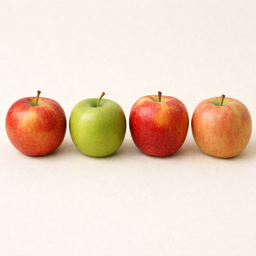 Apple
Apple Double anthocyanin source: two complementary polyphenols
Technical: Red cabbage contains 322mg anthocyanins per 100g (mainly cyanidin glycosides) and apples contain 13-75mg anthocyanins in the skin. Anthocyanins cross the blood-brain barrier and stimulate BDNF expression. Together they provide a high concentration of anthocyanins from two sources, each contributing a different glycoside profile.
What does this mean for you? Red cabbage with apple (classic Dutch!) delivers a high concentration of anthocyanins from two sources. Eat the apple peel — that's where most of it is. Add vinegar to stabilize the anthocyanins.
Red Cabbage 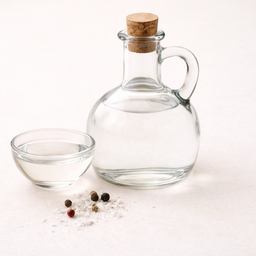 Vinegar
 Acetic acid stabilizes anthocyanins and extends shelf life
Technical: Red cabbage's anthocyanins (322mg/100g, mainly cyanidin-3-glucoside) are pH-dependent: stable and bright red at pH <3, unstable and blue-green at pH >7. Acetic acid (5% in vinegar) lowers pH to 2.5-3, keeping anthocyanins in their most stable and bioactive flavylium cation form.
What does this mean for you? Red cabbage with vinegar (Dutch tradition!) is scientifically smart. The acidic environment keeps the purple color intact — and that color IS the bioactive compound. The redder the cabbage, the more active anthocyanins. Without vinegar you lose them during cooking.
Red Cabbage 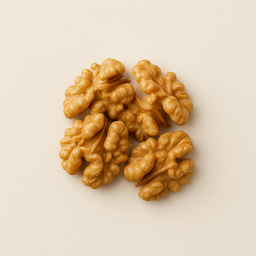 Walnuts
 Anthocyanins + ALA omega-3: complementary polyphenol-fatty acid pathways
Technical: Red cabbage's anthocyanins (322mg/100g) cross the blood-brain barrier and stimulate BDNF expression (brain-derived neurotrophic factor). Walnuts contain 9.1g ALA omega-3 per 100g influencing neuronal membrane fluidity. Together they provide two complementary pathways both reaching the nervous system.
What does this mean for you? Red cabbage salad with walnuts combines anthocyanins and omega-3 — two compounds both crossing the blood-brain barrier. Add apple and vinegar for extra anthocyanin stabilization.
Recipes with Red Cabbage
Discover delicious recipes featuring red cabbage:
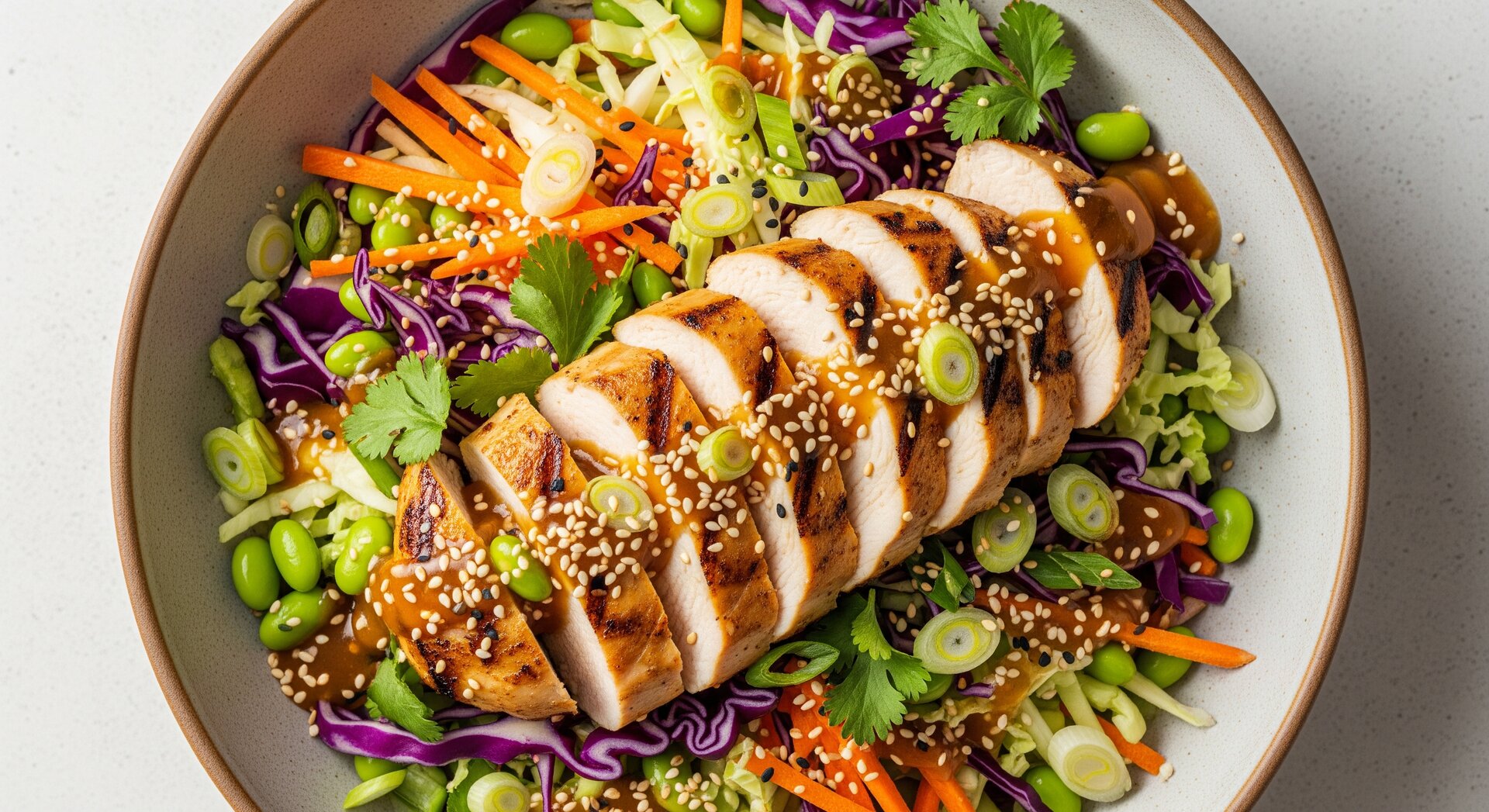 Asian Sesame Chicken Salad 25 min Crispy salad with grilled chicken and ginger-sesame dressing
  320 kcal
  28g protein 1 synergies
 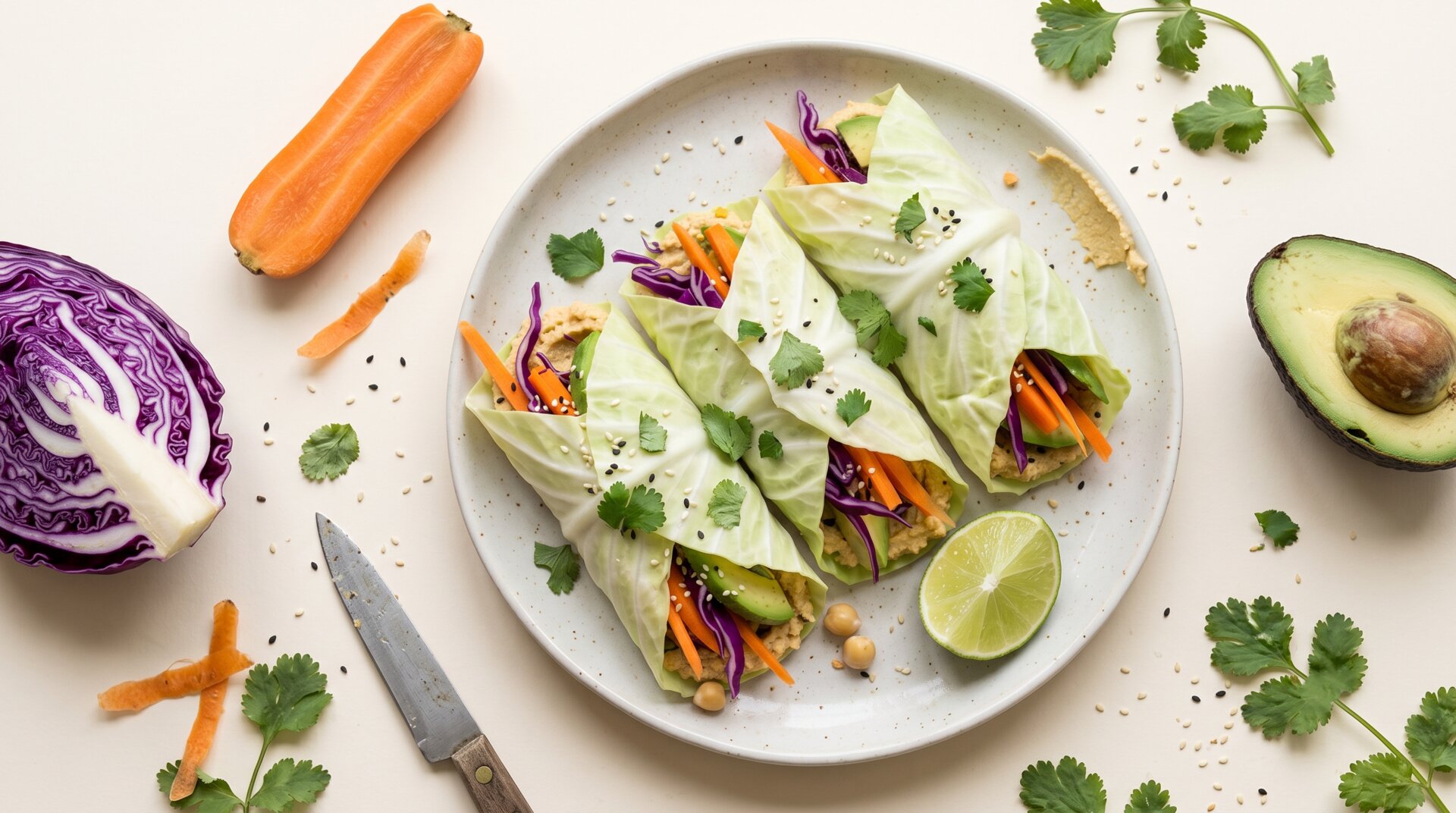 Cabbage Wrap with Hummus and Avocado 17 min Crispy pointed cabbage filled with colorful vegetables 295 kcal 8g protein 2 synergies
 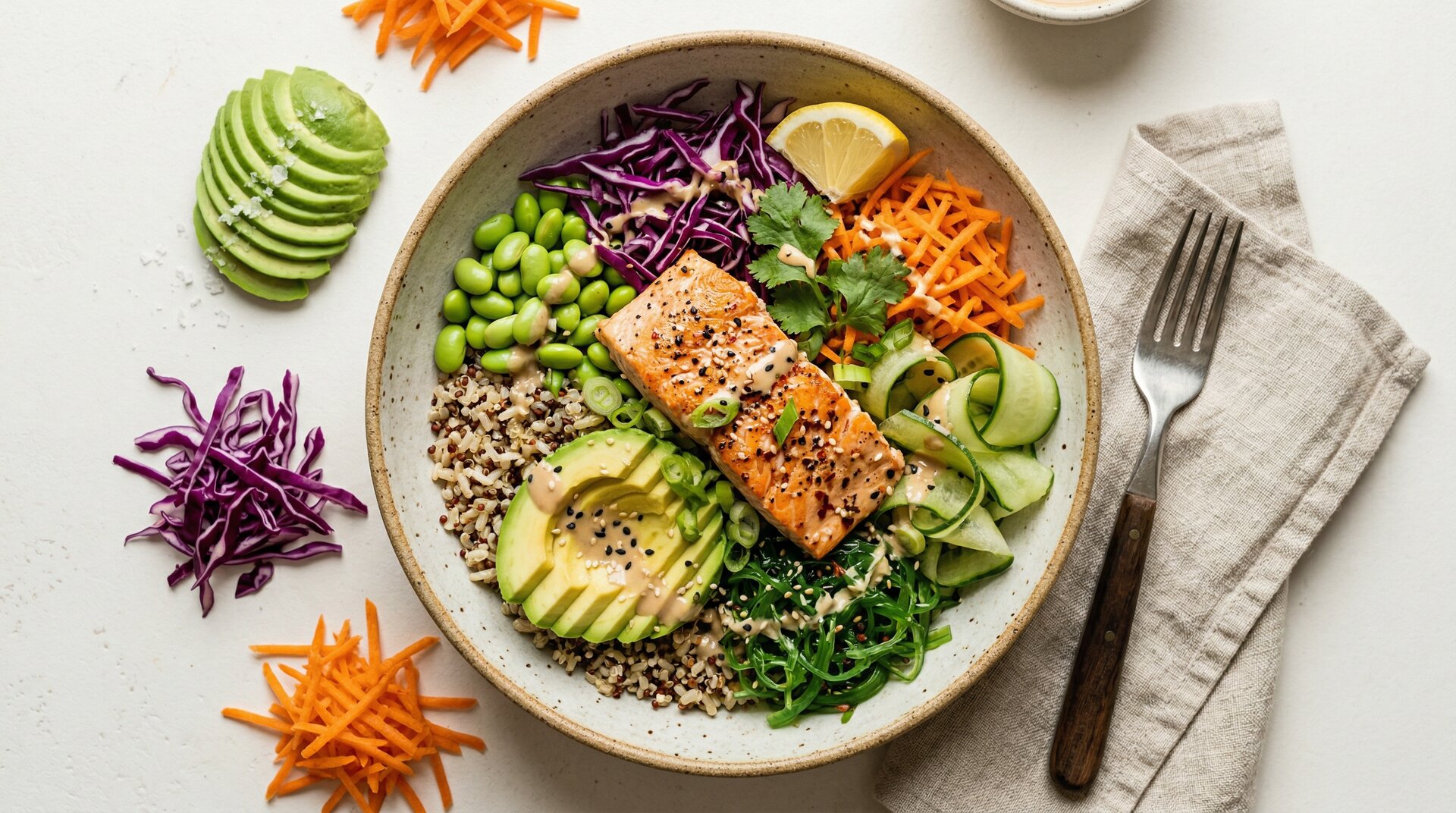 Power Grain Bowl with Salmon, Avocado & Sesame Dressing 35 min Nutritious dish with omega-3-rich salmon, quinoa and seasonal vegetables 728 kcal 38g protein 2 synergies
 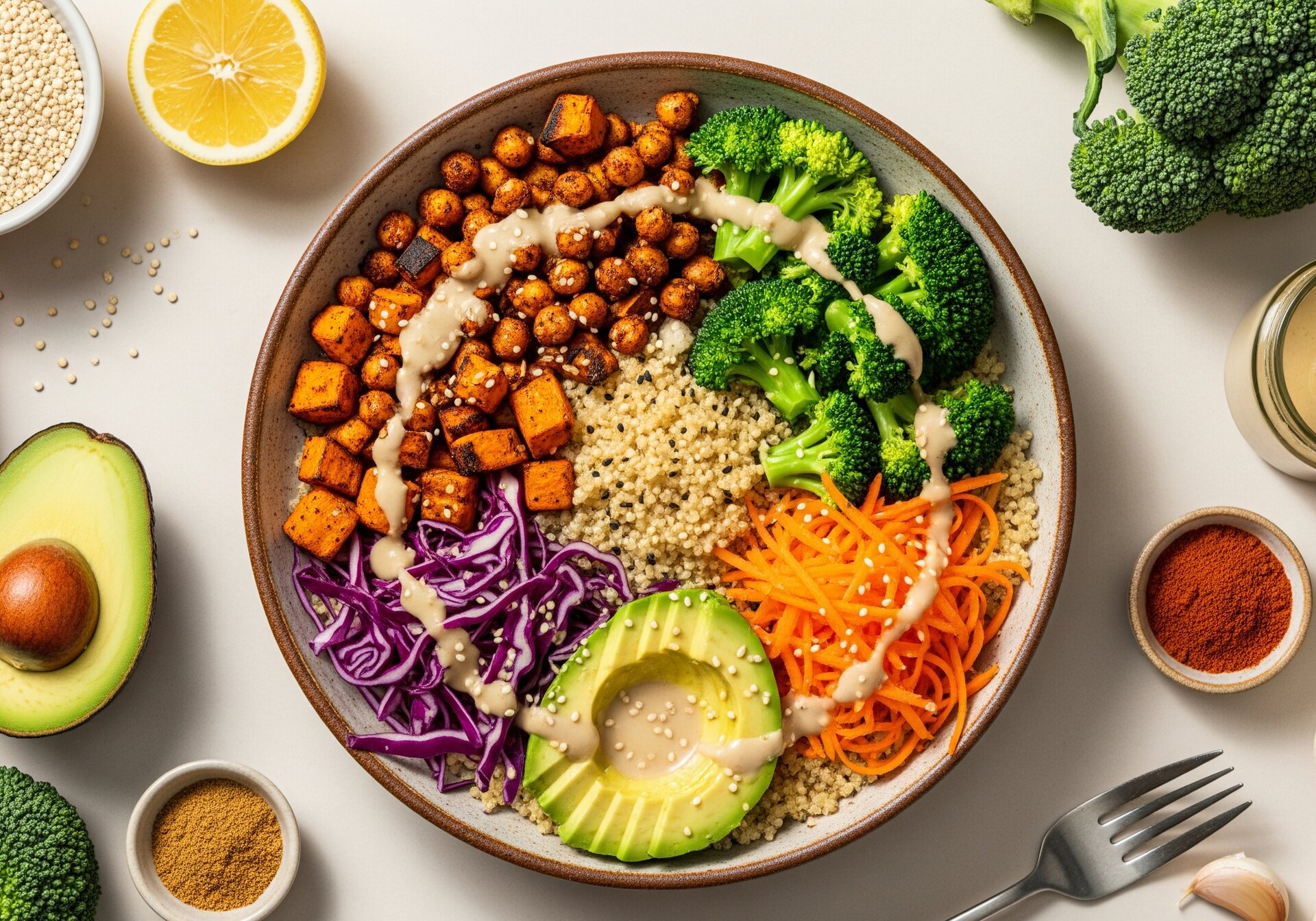 Rainbow Bowl with Quinoa 45 min Colorful bowl with creamy tahini sauce 520 kcal 20g protein 2 synergies
 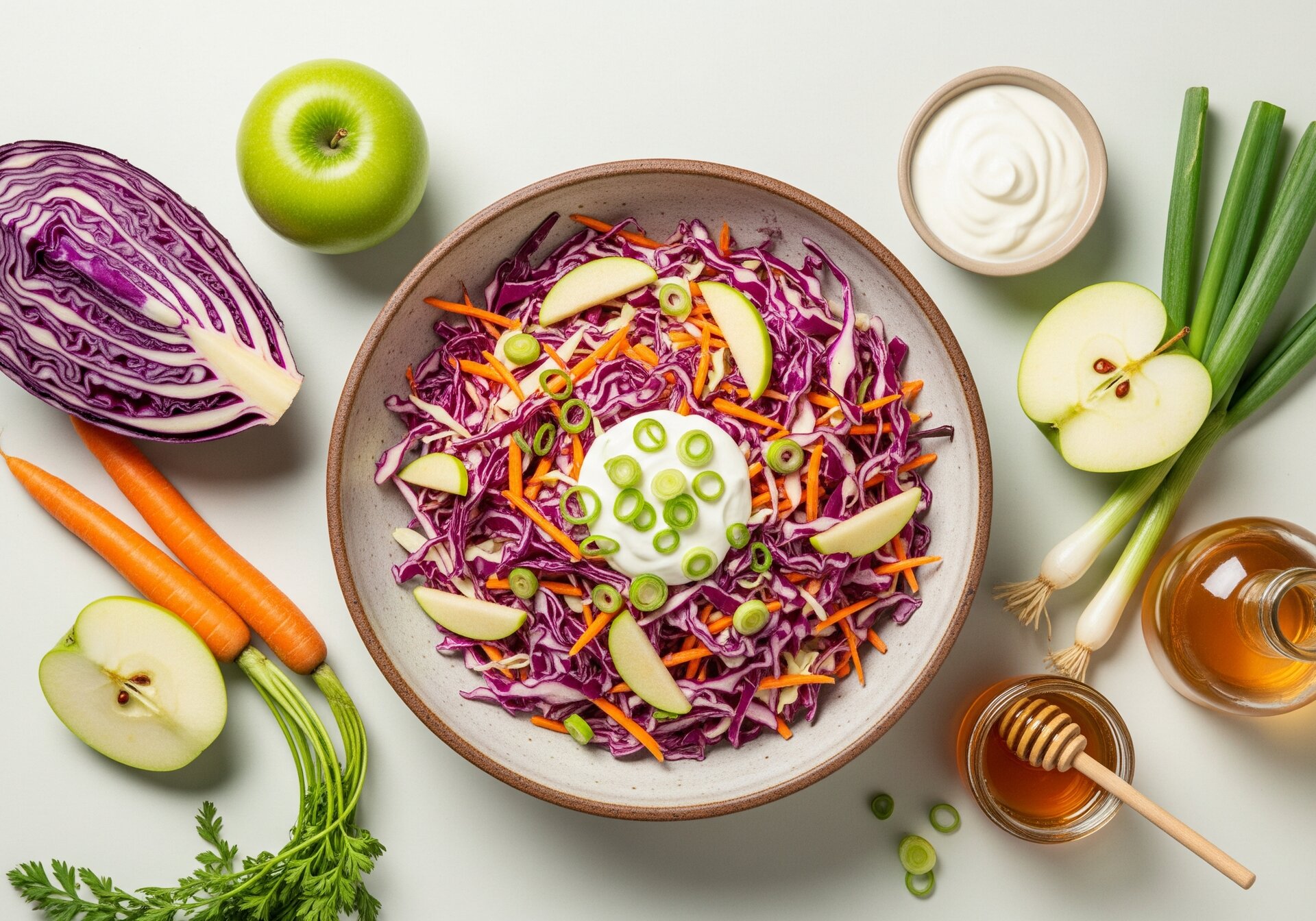 Red Cabbage Coleslaw 45 min Crunchy coleslaw with apple cider vinegar dressing 100 kcal 3g protein 1 synergies
 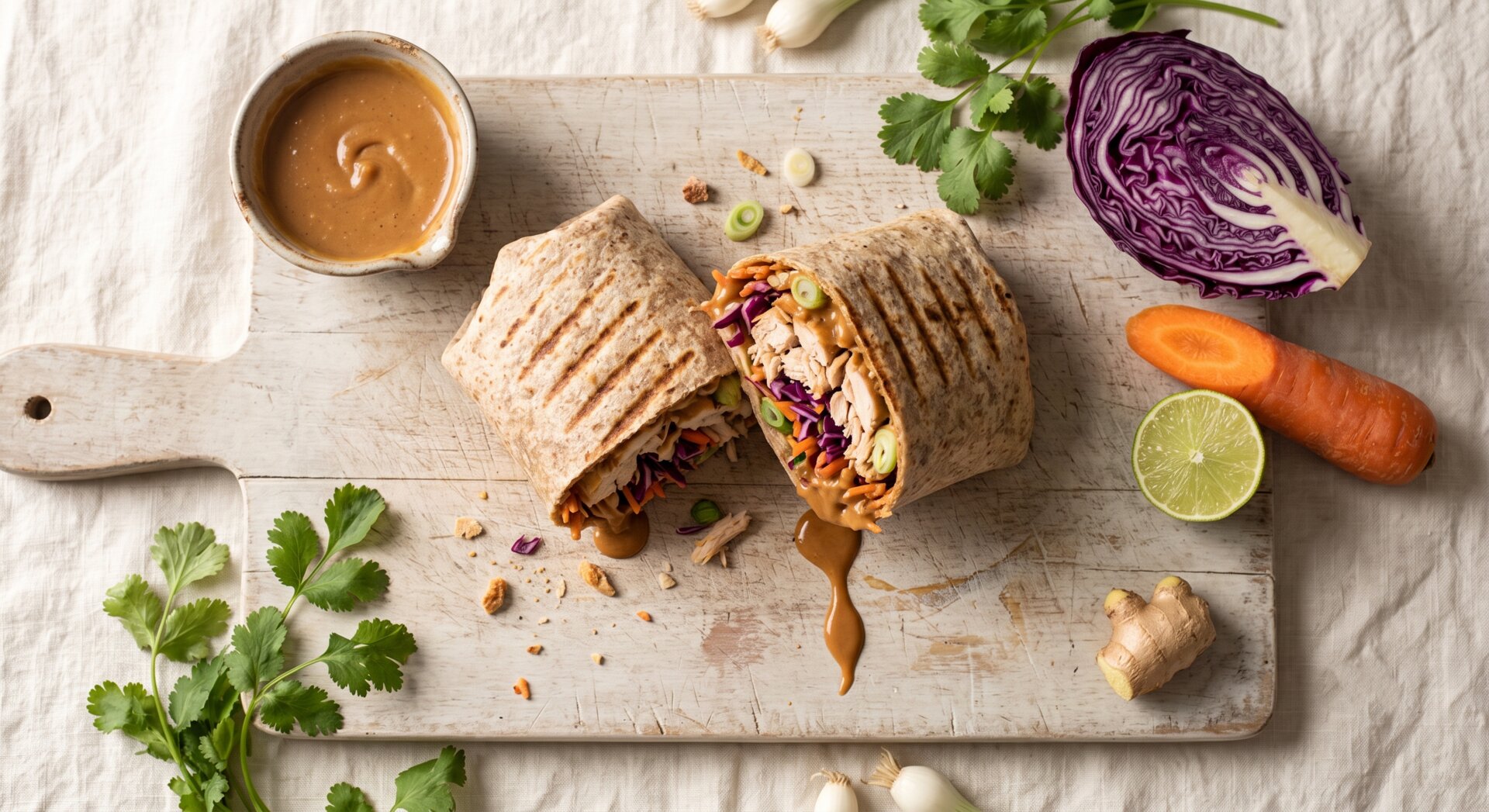 Thai Chicken Peanut Wrap 30 min Marinated chicken with crunchy red cabbage, carrot and a creamy lime peanut sauce 560 kcal 42g protein 2 synergies
  In the Kitchen
Storage
Location:Refrigerator
Shelf life:2-3 weken
Store whole in the crisper; cover well once cut
Preparation
Raw in salads, briefly steamed, or braised with apple and acid
Substitutes
Smart preparation
1Always add an acid (vinegar or apple) when cooking red cabbage.
Why?
Without acid, red cabbage discolors to blue-purple.
2Cut red cabbage with a stainless steel knife, not carbon steel.
Why?
Carbon steel reacts with the pigments and causes discoloration.
3Red cabbage improves after a day; feel free to prepare it in advance.
Caution / Warnings
Red Cabbage is very safe, but there are scientific considerations:
Blood Thinners Moderate
Contains vitamin K, which may affect anticoagulant medication
Advice:
Keep intake consistent and consult when using medication
Traditional use
Mediterranean
European medieval traditional use
In medieval European cooking, red cabbage was used and valued in various ways.
Summary
A colorful vegetable with high antioxidant value. Raw or lightly cooked preserves most nutrients; slow braising delivers classic flavor and softness.