- Easy
- 45 min
- 2 serv.
- 21 synergies
- Now at its best: Broccoli
A colorful bowl with quinoa, roasted chickpeas, sweet potato and fresh raw vegetables. Avocado and tahini dressing make the bowl smooth and creamy, while broccoli adds extra bite. A filling lunch or light dinner that works well for meal prep.
This bowl looks like a market stand served in a single dish. Warm roasted chickpeas and sweet potato create a spiced, hearty base, while raw red cabbage and carrot keep things fresh and crisp. In between, quinoa carries the flavors without taking over. Avocado softens every bite, and the tahini dressing with lemon and garlic ties everything together into one creamy whole. It is the kind of meal you prep on Sunday and actually look forward to on Monday lunch: lots of color, lots of texture, and enough substance to keep you satisfied.
- 15
- min prep
- 30
- min cook
- 45
- min total
Nutritional Synergies
This recipe combines ingredients that enhance each other:
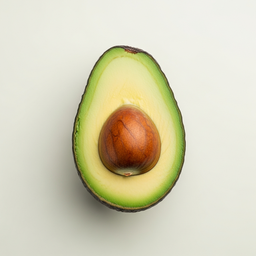 Avocado
 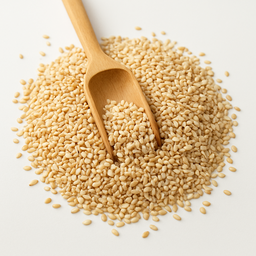 Sesame Seeds
 Healthy fats improve mineral absorption from sesame seeds
Technical: Avocado contains 15% mono-unsaturated fats and vitamin E. Sesame seeds are rich in calcium (975mg/100g), iron (14.5mg) and zinc. The fats from avocado improve absorption of these minerals and the fat-soluble lignans (sesamin, sesamolin) from sesame seeds.
What does this mean for you? Add sesame seeds to your avocado toast or poke bowl. The combination is not only delicious but also remarkably rich in minerals.
JointsEnergySkin & Hair
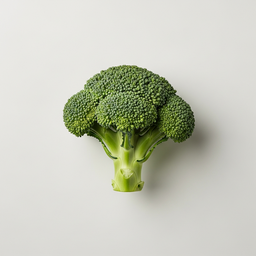 Broccoli
 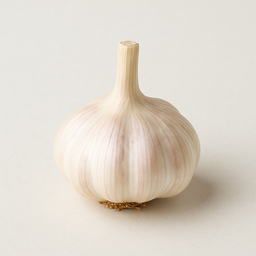 Garlic
 Double sulfur compounds for Nrf2 activation and phase-II enzymes
Technical: Broccoli contains sulforaphane (isothiocyanate) activating the Nrf2 pathway and inducing phase-II enzymes (glutathione S-transferase, quinone reductase). Garlic contains allicin and diallyl sulfide — also sulfur compounds activating the same Nrf2 pathway via thiol reaction. Both are sulfur-containing compounds working synergistically.
What does this mean for you? Briefly sauté garlic and add broccoli — a classic stir-fry base. Two sulfur-rich ingredients each activating the same Nrf2 pathway through their own route. Cut garlic 10 minutes before heating for maximum allicin.
AntioxidantsImmune SystemAnti-inflammatory
Broccoli 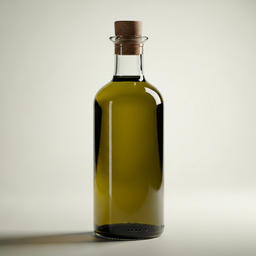 Olive Oil
 Improves absorption of fat-soluble vitamins
Technical: Broccoli contains 102μg vitamin K per 100g (85% RDI) and 623 IU vitamin A (provitamin A as beta-carotene). Both are fat-soluble — without fat only 5-10% is absorbed. Olive oil's unsaturated fats stimulate micelle formation in the small intestine, increasing absorption up to 5x.
What does this mean for you? A drizzle of olive oil on broccoli isn't luxury but necessity. Without fat you barely absorb vitamin K — essential for blood clotting. Good to know: vitamin K contributes to normal blood clotting (EFSA-approved).
Joints
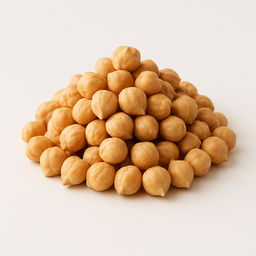 Chickpeas
 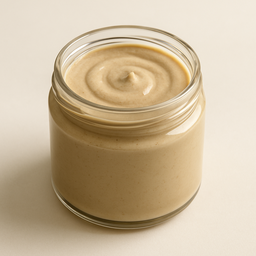 Tahini
 Hummus synergy: complete protein + improved mineral absorption
Technical: Chickpeas are low in methionine, sesame seeds (tahini) are rich in methionine. Together they form complete protein. The fat in tahini (50g/100g) increases absorption of fat-soluble vitamins from chickpeas. Lemon in hummus adds vitamin C for iron absorption.
What does this mean for you? Hummus isn't just a dip — it's a nutritionally optimized combination. Serve with vegetables for an even richer nutrient profile.
Muscle GainEnergy
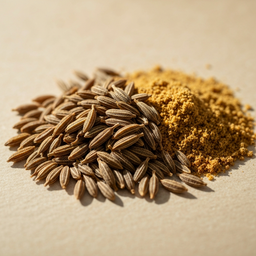 Cumin Garlic
 Double digestive support: enzymes + bioactive compounds
Technical: Cumin promotes digestive enzyme activity (amylase, lipase, protease) and increases bile flow. Garlic's allicin has broad bioactivity targeting pathogenic gut bacteria while sparing beneficial ones.
What does this mean for you? Fry garlic and cumin together as base for curries, soups and stews. Classic combination in virtually every cuisine in the world.
DigestionImmune System
Cumin Olive Oil Fat activates volatile oils and increases cuminaldehyde absorption
Technical: Cumin's active compounds (cuminaldehyde, cymene, terpinene) are volatile, fat-soluble compounds. Frying in olive oil extracts and stabilizes these compounds, and the fat improves their gut absorption.
What does this mean for you? Briefly fry cumin in olive oil before adding other ingredients (tadka/tempering). This is why Indian and Middle Eastern cuisines always fry cumin in oil.
DigestionAnti-inflammatoryBlood Sugar
Cumin 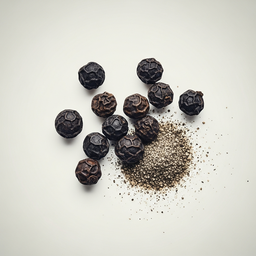 Black Pepper
 Piperine increases absorption of cumin's active compounds 2-3x
Technical: Cumin contains cuminaldehyde and thymoquinone with digestive-promoting and bioactive properties. Piperine from black pepper inhibits CYP3A4 enzymes, reducing breakdown and improving absorption 2-3x.
What does this mean for you? Always add black pepper to dishes with cumin. This is why many spice blends (garam masala, ras el hanout) contain both.
DigestionAnti-inflammatory
Olive Oil Garlic Aglio e olio: allicin + oleocanthal via complementary biochemical pathways
Technical: Garlic contains allicin (formed when cutting/crushing) that influences HMG-CoA reductase (involved in lipid metabolism). Olive oil contains oleocanthal that modulates COX-1/2 enzymes. Together they influence lipid metabolism and prostaglandin cascade via complementary biochemical pathways. The fat also helps absorb fat-soluble garlic compounds.
What does this mean for you? Gently warm garlic in olive oil (don't burn!) as the base for many dishes. This is why 'aglio e olio' pasta is so beloved — two bioactive compounds that reinforce each other.
HeartImmune System
Olive Oil Sesame Seeds Olive oil fats improve absorption of sesame seed minerals and lignans
Technical: Olive oil's monounsaturated fats (oleic acid) improve absorption of fat-soluble lignans from sesame seeds. Additionally, olive oil polyphenols (oleocanthal) and sesame lignans form a broader antioxidant spectrum.
What does this mean for you? Use olive oil in dishes with sesame seeds — for example in an Asian salad or as a base for tahini dressing.
HeartAnti-inflammatorySkin & Hair
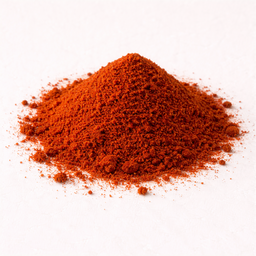 Paprika powder (sweet) Olive Oil
 3x better carotenoid absorption with fats
Technical: Paprika powder is extremely rich in carotenoids: beta-carotene, capsanthin and cryptoxanthin. These are all fat-soluble with only 5-10% absorption without fat. Olive oil or butter create micelles increasing absorption up to 3x. Additionally, vitamin E from olive oil protects carotenoids from oxidation.
What does this mean for you? Always briefly fry paprika powder in oil or butter before adding liquid. This activates the color and increases vitamin absorption up to 3x — the basis of Hungarian goulash.
Skin & HairImmune System
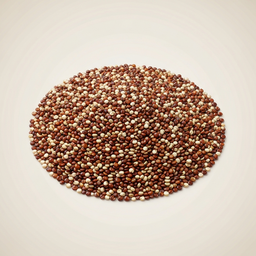 Quinoa Avocado
 Fat increases absorption of quinoa's fat-soluble vitamins
Technical: Quinoa contains vitamin E (2.4mg/100g), beta-carotene and other carotenoids that are fat-soluble. Avocado contains 15g healthy fats that stimulate micelle formation in the gut and increase absorption of these vitamins by 3-5x. Avocado also provides extra potassium (485mg).
What does this mean for you? Add avocado to your quinoa salad or bowl. This increases not only satiety through the fats but also nutrient absorption.
EnergySkin & Hair
Quinoa Chickpeas Enhanced protein profile: methionine + lysine complete
Technical: Quinoa already contains all essential amino acids but is relatively low in methionine. Chickpeas are rich in lysine but low in methionine. Together they form an optimal complete protein profile with PDCAAS close to 1.0. This combination is traditional in North African and Middle Eastern cuisines.
What does this mean for you? Serve quinoa with roasted chickpeas or hummus. This gives you a complete plant-based protein source comparable to meat or fish.
Muscle GainEnergy
Quinoa Black Pepper Improves quercetin absorption from quinoa
Technical: Quinoa contains quercetin (up to 36mg per 100g) and kaempferol, both powerful flavonoids with low bioavailability (25-50%). Piperine from black pepper inhibits glucuronidation in the gut — the process that inactivates flavonoids for excretion. This increases quercetin bioavailability by 30-50%, comparable to the well-known piperine-curcumin effect.
What does this mean for you? Grind fresh black pepper over your quinoa dishes. Just as pepper activates turmeric, it does the same for quinoa's antioxidants. A simple grind of pepper makes your quinoa significantly healthier.
Anti-inflammatoryHeart
Tahini Garlic Hummus base with immune support
Technical: Tahini provides calcium (426mg/100g), magnesium (95mg), zinc (4.6mg) and sesamin (antioxidant lignan). Garlic contains allicin that offers bioactive action via T-cell activation. Zinc from tahini contributes to the normal function of the immune system (EFSA) — the nutritional foundation of hummus.
What does this mean for you? Make hummus with tahini and fresh garlic. The tahini gives minerals like zinc, the garlic bioactive compounds — a nutritious dip.
Immune SystemJoints
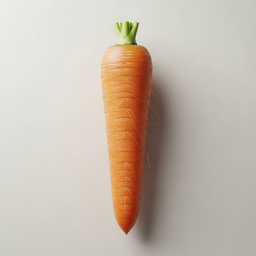 Carrot Avocado
 Avocado fat improves beta-carotene absorption from carrot
Technical: Carrot contains 8285μg beta-carotene per 100g — the richest source. Avocado provides 15g monounsaturated fats that stimulate micelle formation. Studies show avocado increases beta-carotene absorption from vegetables by 4.6x through improved micelle incorporation and lymphatic transport.
What does this mean for you? Add avocado to carrot salad or a carrot smoothie. The fats in avocado are the ideal carrier — without fat you barely absorb the beta-carotene.
Skin & HairFocus
Carrot Olive Oil Up to 5x more beta-carotene absorption
Technical: Carrot contains 8285μg beta-carotene per 100g, but bioavailability from raw carrot is only 3-4%. Heating + olive oil increases this to 20-25%. Oleic acid (73% of olive oil) forms mixed micelles that efficiently transport beta-carotene to enterocytes for absorption.
What does this mean for you? Roast carrots with olive oil or eat them in a salad with dressing. Without fat you absorb only 3% of beta-carotene — with olive oil up to 5x more.
Skin & HairFocusImmune System
 Sea Salt Avocado
 Minerals improve flavor perception and electrolyte balance
Technical: Sea salt contains trace minerals (magnesium, potassium, calcium) besides sodium. Tomato is rich in potassium (237mg/100g) and lycopene. Avocado adds magnesium (29mg) and potassium (485mg). Together they form a broad electrolyte profile: sodium (salt) + potassium (tomato/avocado) + magnesium (avocado) — essential for fluid balance and nerve function.
What does this mean for you? Sprinkle tomato and avocado with a pinch of sea salt. This is more than flavor — the minerals complement each other for a complete electrolyte balance.
HeartEnergy
Sea Salt Olive Oil Minerals + polyphenols for cellular balance
Technical: Sea salt's sodium is essential for the sodium-potassium pump (Na+/K+-ATPase) that regulates every body cell. Olive oil's oleuropein and hydroxytyrosol provide antioxidant protection for cell membranes. The combination supports cell integrity: sea salt regulates ion balance, olive oil protects the membrane. In Mediterranean cuisine, coarse sea salt + olive oil is the most basic flavor profile.
What does this mean for you? Freshly ground sea salt with extra virgin olive oil is the simplest and most nutritious finishing of any dish. The combination provides the basic needs of your cells: minerals for function, polyphenols for protection.
HeartGeneral Wellness
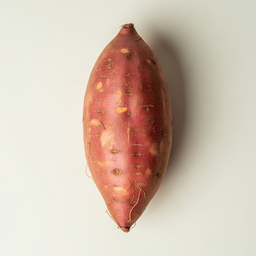 Sweet Potato Avocado
 Avocado fat for maximum beta-carotene absorption
Technical: Sweet potato contains 11509μg beta-carotene per 100g (961% RDI for vitamin A). Avocado's fats (15g/100g, 10g monounsaturated) increase beta-carotene absorption 4-6x through micelle formation. Avocado also contains vitamin E (2.1mg) that protects beta-carotene from oxidation.
What does this mean for you? Combine sweet potato with avocado in bowls, salads or as a side dish. Avocado fats are essential — without fat you lose most of the vitamin A from sweet potato.
FocusImmune System
Sweet Potato Olive Oil Essential for beta-carotene absorption
Technical: Sweet potato is the richest beta-carotene source at 11509μg/100g. Beta-carotene is converted to retinol (vitamin A) by β-carotene-15,15'-dioxygenase, but must first be absorbed via fat micelles. Olive oil increases absorption 3-5x. Without fat, conversion efficiency is only 3:1 (μg carotene:μg retinol); with fat 12:1.
What does this mean for you? Always serve sweet potato with oil or butter. Eating it 'dry' is a missed opportunity — you lose most of the vitamin A. A little fat makes a huge difference.
FocusImmune System
Black Pepper Olive Oil Fat increases piperine absorption and enhances polyphenols
Technical: Piperine is fat-soluble and absorbed 2-3x better with dietary fat. Olive oil's oleocanthal and piperine both modulate COX signal transduction through different mechanisms, providing additive bioactive effect.
What does this mean for you? Grind fresh pepper over salads with olive oil dressing. The combination enhances both pepper absorption and bioactive action.
Anti-inflammatoryHeartDigestion
Ingredients (16)
- Quinoa — 150 g cooked
- Chickpeas — 200 g roasted with spices
- Sweet Potato — 1 pc cubed, roasted
- Broccoli — 150 g steamed
Instructions
- 1 Rinse the quinoa under cold water and cook in plenty of water according to package instructions. Drain and let it steam off for 5 minutes.
- 2 Preheat the oven to 200°C. Toss the chickpeas with 1 tablespoon olive oil, cumin, paprika and a pinch of salt. Spread them on a baking tray.
Nutrition per serving
Indicative values per serving.
Timing & Suitability
Shelf life: 3 days in fridge
Tags & Diet
Allergens: Sesame