- Medium
- 60 min
- 2 serv.
- 12 synergies
- Now at its best: Bell Pepper
Colorful peppers filled with a Levantine mixture of ground lamb, basmati rice, toasted pine nuts and fresh herbs. Cinnamon, cumin and allspice give the filling a warmth typical of Middle Eastern cuisine. The passata around them forms a light sauce while the peppers soften in the oven. With crumbled feta as an optional topping.
This is the kind of food you smell before you see it. Cinnamon and allspice melting into the meat, toasted pine nuts that crack when you bite into them, the sweet scent of peppers slowly roasting in the oven — it is Levantine comfort food at its finest.
The filling is a balance of textures. The ground lamb is first browned separately with onion and garlic until dark and granular, then the spices go through — cinnamon that warms the meat, cumin that grounds it, a hint of nutmeg you cannot place but miss when it is gone. The basmati rice breaks the richness, the pine nuts add crunch.
Parsley and mint go in at the very last moment, raw, so they keep their freshness against all that warmth. The peppers — red, yellow, it does not matter as long as they are big enough — are stuffed until bulging and go into the oven, surrounded by passata that gently bubbles and forms a sauce.
After forty minutes the peppers are soft but hold their shape. The feta on top is half-melted, the edges of the filling are just crispy. Eat this with bread to mop up the sauce.
- 20
- min prep
- 40
- min cook
- 60
- min total
Nutritional Synergies
This recipe combines ingredients that enhance each other:
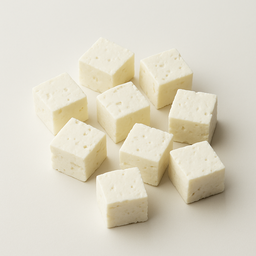 Feta Cheese
  Olive Oil
 Olive oil improves calcium absorption from feta
Technical: Feta contains 493mg calcium per 100g. Fat-soluble vitamins D and K2 are needed for calcium absorption. Olive oil contains mono-unsaturated fats that improve absorption of these vitamins and minerals. Olive oil also contains oleuropein involved in bone metabolism.
What does this mean for you? Always drizzle feta with olive oil — the Mediterranean tradition of feta with olive oil is scientifically smart.
JointsMuscle Gain
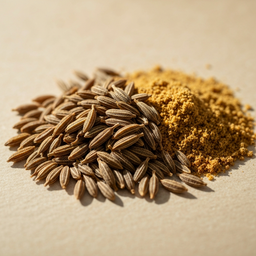 Cumin
Cumin 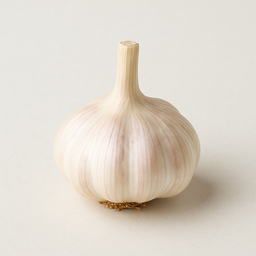 Garlic
 Double digestive support: enzymes + bioactive compounds
Technical: Cumin promotes digestive enzyme activity (amylase, lipase, protease) and increases bile flow. Garlic's allicin has broad bioactivity targeting pathogenic gut bacteria while sparing beneficial ones.
What does this mean for you? Fry garlic and cumin together as base for curries, soups and stews. Classic combination in virtually every cuisine in the world.
DigestionImmune System
Cumin Olive Oil Fat activates volatile oils and increases cuminaldehyde absorption
Technical: Cumin's active compounds (cuminaldehyde, cymene, terpinene) are volatile, fat-soluble compounds. Frying in olive oil extracts and stabilizes these compounds, and the fat improves their gut absorption.
What does this mean for you? Briefly fry cumin in olive oil before adding other ingredients (tadka/tempering). This is why Indian and Middle Eastern cuisines always fry cumin in oil.
DigestionAnti-inflammatoryBlood Sugar
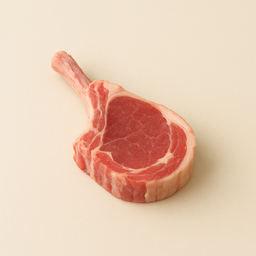 Lamb Cumin
 Traditional Middle East: cumin improves fat digestion
Technical: Lamb contains 16-21% fat (depending on cut) with a higher proportion of saturated fat than chicken or fish. Cumin contains cuminaldehyde that promotes secretion of pancreatic lipase and bile salts — both essential for fat emulsification and digestion. Cumin also activates salivary glands and gastric acid secretion, improving overall digestion. Thymoquinone in cumin also has bioactive properties.
What does this mean for you? Use cumin generously with lamb dishes — in marinades, dry rubs or as ground spice. It's no coincidence that Middle Eastern, Indian and North African cuisines have combined lamb with cumin for centuries. Your stomach digests the fat significantly better.
DigestionEnergy
Lamb 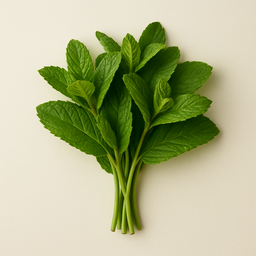 Mint
Mint Traditional Middle Eastern combination: mint supports fat digestion
Technical: Mint contains menthol, an aromatic compound traditionally valued with fatty dishes. This helps digest the relatively fatty lamb meat. Mint also neutralizes the strong lamb flavor.
What does this mean for you? Serve lamb with fresh mint sauce (British) or mint-yogurt sauce (Middle Eastern). This is why this combination is so universal.
Digestion
Olive Oil Garlic Aglio e olio: allicin + oleocanthal via complementary biochemical pathways
Technical: Garlic contains allicin (formed when cutting/crushing) that influences HMG-CoA reductase (involved in lipid metabolism). Olive oil contains oleocanthal that modulates COX-1/2 enzymes. Together they influence lipid metabolism and prostaglandin cascade via complementary biochemical pathways. The fat also helps absorb fat-soluble garlic compounds.
What does this mean for you? Gently warm garlic in olive oil (don't burn!) as the base for many dishes. This is why 'aglio e olio' pasta is so beloved — two bioactive compounds that reinforce each other.
HeartImmune System
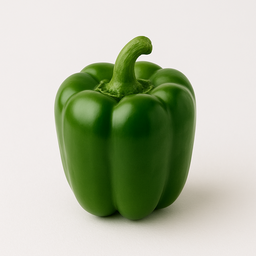 Bell Pepper Olive Oil
 Fat improves carotenoid absorption from bell pepper
Technical: Red bell pepper contains 3131μg beta-carotene and 51μg lutein per 100g, plus 127mg vitamin C (211% RDI). Carotenoids are fat-soluble — without fat only 3-5% is absorbed. Olive oil increases bioavailability to 15-20% through micelle formation in the small intestine.
What does this mean for you? Roast bell pepper with olive oil or make a salad with olive oil dressing. Red pepper contains 10x more carotenoids than green — choose red for maximum effect.
Immune SystemSkin & Hair
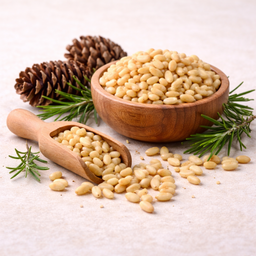 Pine Nuts Olive Oil
 Pinolenic acid + oleic acid for extreme appetite suppression
Technical: Pine nuts contain 14-19% pinolenic acid that increases CCK (cholecystokinin, satiety hormone) release by 60%. Olive oil's oleic acid stimulates OEA (oleoylethanolamide) production triggering a satiety signal via PPARα. Two independent satiety pathways that together strongly suppress appetite.
What does this mean for you? Eat pesto (pine nuts + olive oil) with your meal. The two ingredients each activate a different satiety hormone, making you feel full faster and longer.
Weight LossDigestion
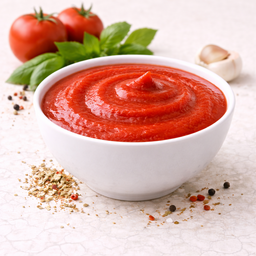 Tomato Passata Olive Oil
 Heated + fats = 5x more lycopene absorption
Technical: Tomato passata is already heated, releasing lycopene from cell walls in cis-form (better absorbable than trans-lycopene in raw tomato). Olive oil fats create micelles transporting this released lycopene through the gut wall. Basil adds eugenol (COX-2 inhibitor). Absorption increases up to 5x.
What does this mean for you? Make pasta sauce with tomato passata, olive oil and basil. You absorb up to 5x more lycopene than from raw tomato — great for your heart and skin.
HeartSkin & Hair
Tomato Passata 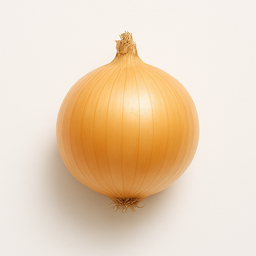 Onion
Onion Lycopene + quercetin for broad-spectrum antioxidant protection
Technical: Tomato passata contains bioavailable lycopene (12-15mg/100g) from the cooking process. Onion's quercetin (20mg/100g) is a flavonoid that works complementarily to lycopene: lycopene neutralizes singlet oxygen (lipid phase), quercetin scavenges hydroxyl radicals and superoxide (aqueous phase). Together they cover the complete antioxidant spectrum. Onion's sulfur compounds also support Phase II biotransformation enzymes that process lycopene metabolites.
What does this mean for you? Passata with sauteed onion is the base of Italian cuisine (sugo). It's a top antioxidant duo you can eat daily — simple, affordable and effective.
HeartSkin & HairAnti-inflammatory
Onion Garlic More than 20 organosulfur compounds in one soffritto
Technical: Onion contains diallyl disulfide and quercetin (20-40mg/100g). Garlic contains allicin, ajoene and S-allylcysteine. Together they provide more than 20 different organosulfur compounds that modulate NF-κB. Allium crops are intensively studied in nutrition science for their unique sulfur chemistry.
What does this mean for you? Start every dish with sautéed onion and garlic — not just for flavor, but for the unique concentration of organosulfur compounds. Cut garlic 10 minutes before heating to allow allicin formation.
DigestionImmune System
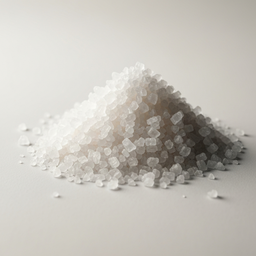 Sea Salt Olive Oil
 Minerals + polyphenols for cellular balance
Technical: Sea salt's sodium is essential for the sodium-potassium pump (Na+/K+-ATPase) that regulates every body cell. Olive oil's oleuropein and hydroxytyrosol provide antioxidant protection for cell membranes. The combination supports cell integrity: sea salt regulates ion balance, olive oil protects the membrane. In Mediterranean cuisine, coarse sea salt + olive oil is the most basic flavor profile.
What does this mean for you? Freshly ground sea salt with extra virgin olive oil is the simplest and most nutritious finishing of any dish. The combination provides the basic needs of your cells: minerals for function, polyphenols for protection.
HeartGeneral Wellness
Ingredients (16)
- Bell Pepper — 6 pcs Red and/or yellow, large size
- Lamb — 400 g Ground lamb
-
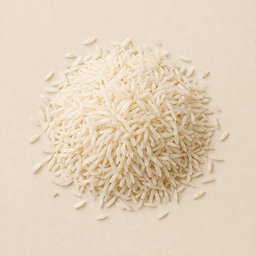 Basmati Rice — 180 g Cooked (90g dry weight)
 - Pine Nuts — 60 g Toasted in a dry pan
Instructions
- 1 Preheat oven to 180°C. Cook rice according to package directions. Toast pine nuts in a dry pan until golden.
- 2 Cut off the tops of the peppers and remove seeds. Place peppers upright in a baking dish.
Nutrition per serving
Indicative values per serving.
Timing & Suitability
Shelf life: 3 days in fridge
Tags & Diet
Allergens: Nuts, Dairy