- Easy
- 25 min
- 2 serv.
- 7 synergies
- Now at its best: Onion
Authentic Greek wrap with ground beef seasoned with oregano and cumin, crunchy vegetables, salty feta and a cool tzatziki. The entire Mediterranean in one bite.
The ground beef sizzles in the pan, the scent of oregano filling the kitchen before you take the first bite. Brown, crumbly, with edges just starting to caramelize from the heat. The tzatziki is the opposite: ice cold, creamy, with the sharpness of raw garlic piercing through the yogurt. Crumbled feta on top — salt against the warmth of the meat. Tomato and cucumber are freshly cut, still crunchy. The wrap holds it all together: warm meat, cool sauce, salty cheese. It's the taste of a Greek island, but at your own kitchen table.
- 15
- min prep
- 10
- min cook
- 25
- min total
Nutritional Synergies
This recipe combines ingredients that enhance each other:
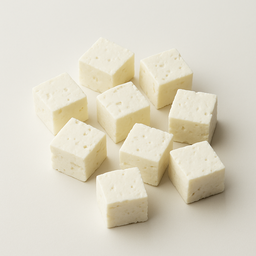 Feta cheese
 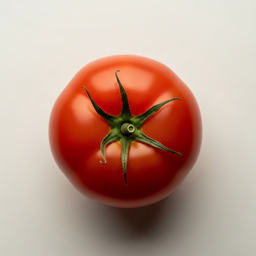 Tomato
 Greek salad synergy - fat for lycopene absorption
Technical: Tomato contains lycopene, a carotenoid that is fat-soluble. Feta contains 21g fat per 100g that dissolves lycopene and promotes micelle formation in the gut, increasing absorption up to 4x. Feta's calcium (493mg/100g) — calcium contributes to the maintenance of normal bones (EFSA-approved). The Greek salad is a scientifically optimal combination.
What does this mean for you? Always combine feta with tomato (and olive oil) — exactly like in a Greek salad. The fat from feta ensures you absorb 4x more lycopene.
HeartSkin & HairJoints
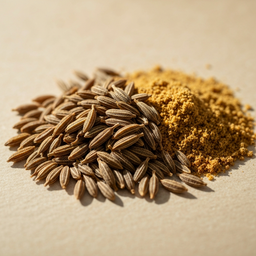 Cumin
Cumin 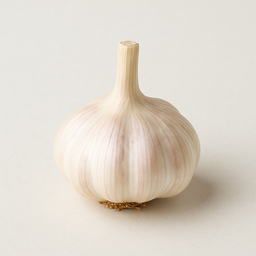 Garlic
 Double digestive support: enzymes + bioactive compounds
Technical: Cumin promotes digestive enzyme activity (amylase, lipase, protease) and increases bile flow. Garlic's allicin has broad bioactivity targeting pathogenic gut bacteria while sparing beneficial ones.
What does this mean for you? Fry garlic and cumin together as base for curries, soups and stews. Classic combination in virtually every cuisine in the world.
DigestionImmune System
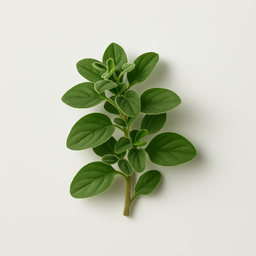 Oregano Tomato
 Mediterranean synergy - antioxidants stabilize lycopene
Böhm V et al. (2002) in Journal of Nutrition showed that antioxidants improve lycopene stability.
Technical: Oregano's antioxidants (rosmanol, carvacrol, thymol) protect lycopene from tomato against thermal degradation during cooking. Lycopene is heat-labile but released from cell walls by heating. The herbs act as an antioxidant shield: they scavenge free radicals that would break down lycopene.
What does this mean for you? Add oregano to tomato sauce during cooking. The oregano protects the lycopene while heat releases it — that's why Italian tomato sauce with oregano is so healthy.
HeartImmune System
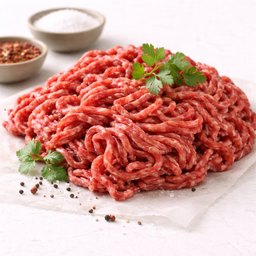 Ground beef Tomato
 Triple synergy: iron + vitamin C + lycopene for energy and heart
Technical: Ground beef contains 2.7mg heme iron per 100g (15% RDI) with 20-30% bioavailability. Vitamin C in tomato (13.7mg/100g) increases iron absorption by 300-400% via Fe³⁺→Fe²⁺ reduction. Simultaneously, fat in ground beef (10-20g/100g) increases lycopene absorption (3-9mg/100g tomato) by 400%. Triple synergy: iron for hemoglobin/ATP production, vitamin C for collagen/immunity, lycopene for antioxidant protection.
What does this mean for you? Bolognese, chili con carne or meatballs in tomato sauce — all these classics are scientifically optimal. Cook tomatoes 30+ minutes to increase lycopene by 35%. Add basil and garlic.
EnergyHeartImmune System
Ground beef 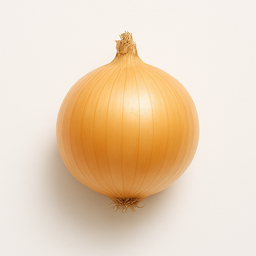 Onion
Onion Quercetin + zinc for immune function and inflammation reduction
Technical: Ground beef provides 6.3mg zinc per 100g (57% RDI) — essential for T-cell differentiation and thymus function. Onion contains quercetin (25-50mg/100g) that facilitates zinc transport to immunocytes and together modulates NF-κB signaling. Complementary action: IgA secretion +20%, phagocytosis activity +25%, oxidative burst damage reduced. Selenium in beef (16μg/100g) enhances antioxidant capacity via glutathione peroxidase.
What does this mean for you? Always cook ground beef with finely chopped onion (1 onion per 400g meat). The onion adds flavor and moisture plus powerful immune support. Perfect for meatballs, burgers or tacos. Add garlic for synergistic effect.
Immune SystemAnti-inflammatoryEnergy
Onion Garlic More than 20 organosulfur compounds in one soffritto
Technical: Onion contains diallyl disulfide and quercetin (20-40mg/100g). Garlic contains allicin, ajoene and S-allylcysteine. Together they provide more than 20 different organosulfur compounds that modulate NF-κB. Allium crops are intensively studied in nutrition science for their unique sulfur chemistry.
What does this mean for you? Start every dish with sautéed onion and garlic — not just for flavor, but for the unique concentration of organosulfur compounds. Cut garlic 10 minutes before heating to allow allicin formation.
DigestionImmune System
Onion Tomato Quercetin + lycopene: synergistic polyphenol-carotenoid combination
Technical: Quercetin from onion (20-40mg/100g) and lycopene from tomato (2573μg/100g) work through different mechanisms. Quercetin chelates metal ions and modulates lipid peroxidation, lycopene quenches singlet oxygen. Combined polyphenols and carotenoids work synergistically — the combination works through complementary mechanisms.
What does this mean for you? Tomato sauce with onion is the base of nearly every Mediterranean cuisine — and rightly so. Quercetin and lycopene enhance each other's action through complementary biochemical pathways. Cooking in olive oil makes carotenoids more absorbable.
HeartAnti-inflammatory
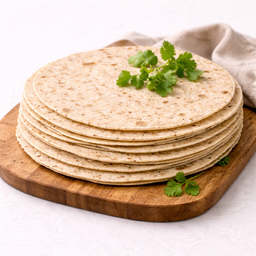
Instructions
- 1 Make the tzatziki: coarsely grate the half cucumber, squeeze out the moisture with your hands. Mix with the Greek yogurt, 1 minced garlic clove and half the lemon juice. Season with salt and refrigerate.
Nutrition per serving
Indicative values per serving.
Timing & Suitability
Shelf life: 2 days in fridge
Tags & Diet
Allergens: Dairy, Gluten