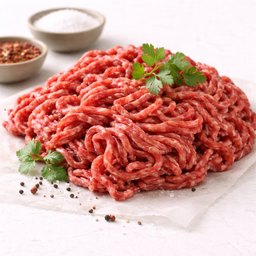
Ground Beef
The versatile protein source
What is this ingredient?
Ground beef is one of the most used meat products in the world, from hamburgers to Italian ragù and Dutch meatballs. Fat percentage varies: lean ground beef contains 5-10% fat, regular 15-20%. The iron in beef is primarily heme iron, a form that is absorbed 2-3 times better than plant-based iron. Beef also contains natural creatine, which is interesting for muscle building. Food safety is crucial when preparing: ground beef must be cooked thoroughly to at least 71°C because bacteria can spread throughout the product during grinding.
How does it taste?
Robust, savory and umami-rich with a full, rounded meat flavor.
Pairs well with:
Pairs well with oniontomatopaprikacumin and Worcestershire.
Did you know...?
- The hamburger is named after the German city of Hamburg, where minced steak was popular in the 19th century.
- Minced meat was historically a way to make tougher cuts of meat edible and flavorful.
Nutritional Value & Energy
Per 100g
Ground Beef provides energy thanks to natural nutrients .
Per 100g
Minerals
Vitamins
Omega-3 fatty acids
More nutrients
B-Vitamins
Trace Minerals
What's in a serving?
1 serving
Ground Beef naturally contains iron (2.4 mg per 100 g).
Ground Beef naturally contains zinc (5.4 mg per 100 g).
Ground Beef naturally contains vitamin B12 (2.5 mcg per 100 g).
Ground Beef naturally contains selenium (18.4 mcg per 100 g).
Ground Beef naturally contains phosphorus (175 mg per 100 g).
Ground Beef naturally contains potassium (305 mg per 100 g).
Ground Beef naturally contains vitamin B6 (0.4 mg per 100 g).
% of daily reference intake (DRI)
EU-approved nutrition claims
This ingredient contains nutrients for which EFSA-authorized health claims exist (at nutrient level, not ingredient-specific).
Approved health claims (EU)
Vitamin_b12 EU 432/2012
Vitamin B12 contributes to the normal function of the immune system
Contains 2.5mcg/100g (threshold: ≥0.375mcg/100g)
Vitamin_b12 EU 432/2012
Vitamin B12 contributes to the reduction of tiredness and fatigue
Contains 2.5mcg/100g (threshold: ≥0.375mcg/100g)
Vitamin_b12 EU 432/2012
Vitamin B12 contributes to the normal functioning of the nervous system
Contains 2.5mcg/100g (threshold: ≥0.375mcg/100g)
Zinc EU 432/2012
Zinc contributes to the normal function of the immune system
Contains 5.4mg/100g (threshold: ≥1.5mg/100g)
Zinc EU 432/2012
Zinc contributes to the maintenance of normal skin
Contains 5.4mg/100g (threshold: ≥1.5mg/100g)
Iron EU 432/2012
Iron contributes to normal energy-yielding metabolism
Contains 2.4mg/100g (threshold: ≥2.1mg/100g)
Iron EU 432/2012
Iron contributes to the reduction of tiredness and fatigue
Contains 2.4mg/100g (threshold: ≥2.1mg/100g)
Potassium EU 432/2012
Potassium contributes to the maintenance of normal blood pressure
Contains 305mg/100g (threshold: ≥300mg/100g)
Vitamin_b6 EU 432/2012
Vitamin B6 contributes to normal cysteine synthesis
Contains 0.4mg/100g (threshold: ≥0.21mg/100g)
Vitamin_b6 EU 432/2012
Vitamin B6 contributes to normal energy-yielding metabolism
Contains 0.4mg/100g (threshold: ≥0.21mg/100g)
Vitamin_b6 EU 432/2012
Vitamin B6 contributes to normal functioning of the nervous system
Contains 0.4mg/100g (threshold: ≥0.21mg/100g)
Vitamin_b6 EU 432/2012
Vitamin B6 contributes to normal homocysteine metabolism
Contains 0.4mg/100g (threshold: ≥0.21mg/100g)
Vitamin_b6 EU 432/2012
Vitamin B6 contributes to normal protein and glycogen metabolism
Contains 0.4mg/100g (threshold: ≥0.21mg/100g)
Vitamin_b6 EU 432/2012
Vitamin B6 contributes to normal psychological function
Contains 0.4mg/100g (threshold: ≥0.21mg/100g)
Vitamin_b6 EU 432/2012
Vitamin B6 contributes to normal red blood cell formation
Contains 0.4mg/100g (threshold: ≥0.21mg/100g)
Vitamin_b6 EU 432/2012
Vitamin B6 contributes to the normal function of the immune system
Contains 0.4mg/100g (threshold: ≥0.21mg/100g)
Vitamin_b6 EU 432/2012
Vitamin B6 contributes to the regulation of hormonal activity
Contains 0.4mg/100g (threshold: ≥0.21mg/100g)
Vitamin_b6 EU 432/2012
Vitamin B6 contributes to the reduction of tiredness and fatigue
Contains 0.4mg/100g (threshold: ≥0.21mg/100g)
Vitamin_b12 EU 432/2012
Vitamin B12 contributes to normal energy-yielding metabolism
Contains 2.5mcg/100g (threshold: ≥0.375mcg/100g)
Vitamin_b12 EU 432/2012
Vitamin B12 contributes to normal homocysteine metabolism
Contains 2.5mcg/100g (threshold: ≥0.375mcg/100g)
Vitamin_b12 EU 432/2012
Vitamin B12 contributes to normal psychological function
Contains 2.5mcg/100g (threshold: ≥0.375mcg/100g)
Vitamin_b12 EU 432/2012
Vitamin B12 contributes to normal red blood cell formation
Contains 2.5mcg/100g (threshold: ≥0.375mcg/100g)
Vitamin_b12 EU 432/2012
Vitamin B12 has a role in the process of cell division
Contains 2.5mcg/100g (threshold: ≥0.375mcg/100g)
Phosphorus EU 432/2012
Phosphorus contributes to normal energy-yielding metabolism
Contains 175mg/100g (threshold: ≥105mg/100g)
Phosphorus EU 432/2012
Phosphorus contributes to the normal function of cell membranes
Contains 175mg/100g (threshold: ≥105mg/100g)
Phosphorus EU 432/2012
Phosphorus contributes to the maintenance of normal bones
Contains 175mg/100g (threshold: ≥105mg/100g)
Phosphorus EU 432/2012
Phosphorus contributes to the maintenance of normal teeth
Contains 175mg/100g (threshold: ≥105mg/100g)
Iron EU 432/2012
Iron contributes to normal cognitive function
Contains 2.4mg/100g (threshold: ≥2.1mg/100g)
Iron EU 432/2012
Iron contributes to normal formation of red blood cells and haemoglobin
Contains 2.4mg/100g (threshold: ≥2.1mg/100g)
Iron EU 432/2012
Iron contributes to normal oxygen transport in the body
Contains 2.4mg/100g (threshold: ≥2.1mg/100g)
Iron EU 432/2012
Iron contributes to the normal function of the immune system
Contains 2.4mg/100g (threshold: ≥2.1mg/100g)
Iron EU 432/2012
Iron has a role in the process of cell division
Contains 2.4mg/100g (threshold: ≥2.1mg/100g)
Zinc EU 432/2012
Zinc contributes to normal acid-base metabolism
Contains 5.4mg/100g (threshold: ≥1.5mg/100g)
Zinc EU 432/2012
Zinc contributes to normal carbohydrate metabolism
Contains 5.4mg/100g (threshold: ≥1.5mg/100g)
Zinc EU 432/2012
Zinc contributes to normal cognitive function
Contains 5.4mg/100g (threshold: ≥1.5mg/100g)
Zinc EU 432/2012
Zinc contributes to normal DNA synthesis
Contains 5.4mg/100g (threshold: ≥1.5mg/100g)
Zinc EU 432/2012
Zinc contributes to normal fertility and reproduction
Contains 5.4mg/100g (threshold: ≥1.5mg/100g)
Zinc EU 432/2012
Zinc contributes to normal macronutrient metabolism
Contains 5.4mg/100g (threshold: ≥1.5mg/100g)
Zinc EU 432/2012
Zinc contributes to normal metabolism of fatty acids
Contains 5.4mg/100g (threshold: ≥1.5mg/100g)
Zinc EU 432/2012
Zinc contributes to normal metabolism of vitamin A
Contains 5.4mg/100g (threshold: ≥1.5mg/100g)
Zinc EU 432/2012
Zinc contributes to normal protein synthesis
Contains 5.4mg/100g (threshold: ≥1.5mg/100g)
Zinc EU 432/2012
Zinc contributes to the maintenance of normal bones
Contains 5.4mg/100g (threshold: ≥1.5mg/100g)
Zinc EU 432/2012
Zinc contributes to the maintenance of normal hair
Contains 5.4mg/100g (threshold: ≥1.5mg/100g)
Zinc EU 432/2012
Zinc contributes to the maintenance of normal nails
Contains 5.4mg/100g (threshold: ≥1.5mg/100g)
Zinc EU 432/2012
Zinc contributes to the maintenance of normal testosterone levels in the blood
Contains 5.4mg/100g (threshold: ≥1.5mg/100g)
Zinc EU 432/2012
Zinc contributes to the maintenance of normal vision
Contains 5.4mg/100g (threshold: ≥1.5mg/100g)
Zinc EU 432/2012
Zinc contributes to the protection of cells from oxidative stress
Contains 5.4mg/100g (threshold: ≥1.5mg/100g)
Zinc EU 432/2012
Zinc has a role in the process of cell division
Contains 5.4mg/100g (threshold: ≥1.5mg/100g)
Selenium EU 432/2012
Selenium contributes to the maintenance of normal hair
Contains 18.4mcg/100g (threshold: ≥8.25mcg/100g)
Selenium EU 432/2012
Selenium contributes to the maintenance of normal nails
Contains 18.4mcg/100g (threshold: ≥8.25mcg/100g)
Selenium EU 432/2012
Selenium contributes to the normal function of the immune system
Contains 18.4mcg/100g (threshold: ≥8.25mcg/100g)
Selenium EU 432/2012
Selenium contributes to normal thyroid function
Contains 18.4mcg/100g (threshold: ≥8.25mcg/100g)
Selenium EU 432/2012
Selenium contributes to normal spermatogenesis
Contains 18.4mcg/100g (threshold: ≥8.25mcg/100g)
Selenium EU 432/2012
Selenium contributes to the protection of cells from oxidative stress
Contains 18.4mcg/100g (threshold: ≥8.25mcg/100g)
Potassium EU 432/2012
Potassium contributes to normal functioning of the nervous system
Contains 305mg/100g (threshold: ≥300mg/100g)
Potassium EU 432/2012
Potassium contributes to normal muscle function
Contains 305mg/100g (threshold: ≥300mg/100g)
What's being researched?
Ground beef and iron bioavailability
Ground beef as a source of heme iron and the 'meat factor' — the ability to enhance non-heme iron absorption from plant sources — are being studied. Studies confirm meat can double non-heme iron absorption.
Supported by: [2] Wyness (2016) , [1] McAfee (2010)
Good Combinations (Synergy)
Combine ground beef smartly to enhance the effect:
Ground Beef  Tomato
 Triple synergy: iron + vitamin C + lycopene for energy and heart
Technical: Ground beef contains 2.7mg heme iron per 100g (15% RDI) with 20-30% bioavailability. Vitamin C in tomato (13.7mg/100g) increases iron absorption by 300-400% via Fe³⁺→Fe²⁺ reduction. Simultaneously, fat in ground beef (10-20g/100g) increases lycopene absorption (3-9mg/100g tomato) by 400%. Triple synergy: iron for hemoglobin/ATP production, vitamin C for collagen/immunity, lycopene for antioxidant protection.
What does this mean for you? Bolognese, chili con carne or meatballs in tomato sauce — all these classics are scientifically optimal. Cook tomatoes 30+ minutes to increase lycopene by 35%. Add basil and garlic.
Ground Beef  Onion
Onion Quercetin + zinc for immune function and inflammation reduction
Technical: Ground beef provides 6.3mg zinc per 100g (57% RDI) — essential for T-cell differentiation and thymus function. Onion contains quercetin (25-50mg/100g) that facilitates zinc transport to immunocytes and together modulates NF-κB signaling. Complementary action: IgA secretion +20%, phagocytosis activity +25%, oxidative burst damage reduced. Selenium in beef (16μg/100g) enhances antioxidant capacity via glutathione peroxidase.
What does this mean for you? Always cook ground beef with finely chopped onion (1 onion per 400g meat). The onion adds flavor and moisture plus powerful immune support. Perfect for meatballs, burgers or tacos. Add garlic for synergistic effect.
Recipes with Ground Beef
Discover delicious recipes featuring ground beef:
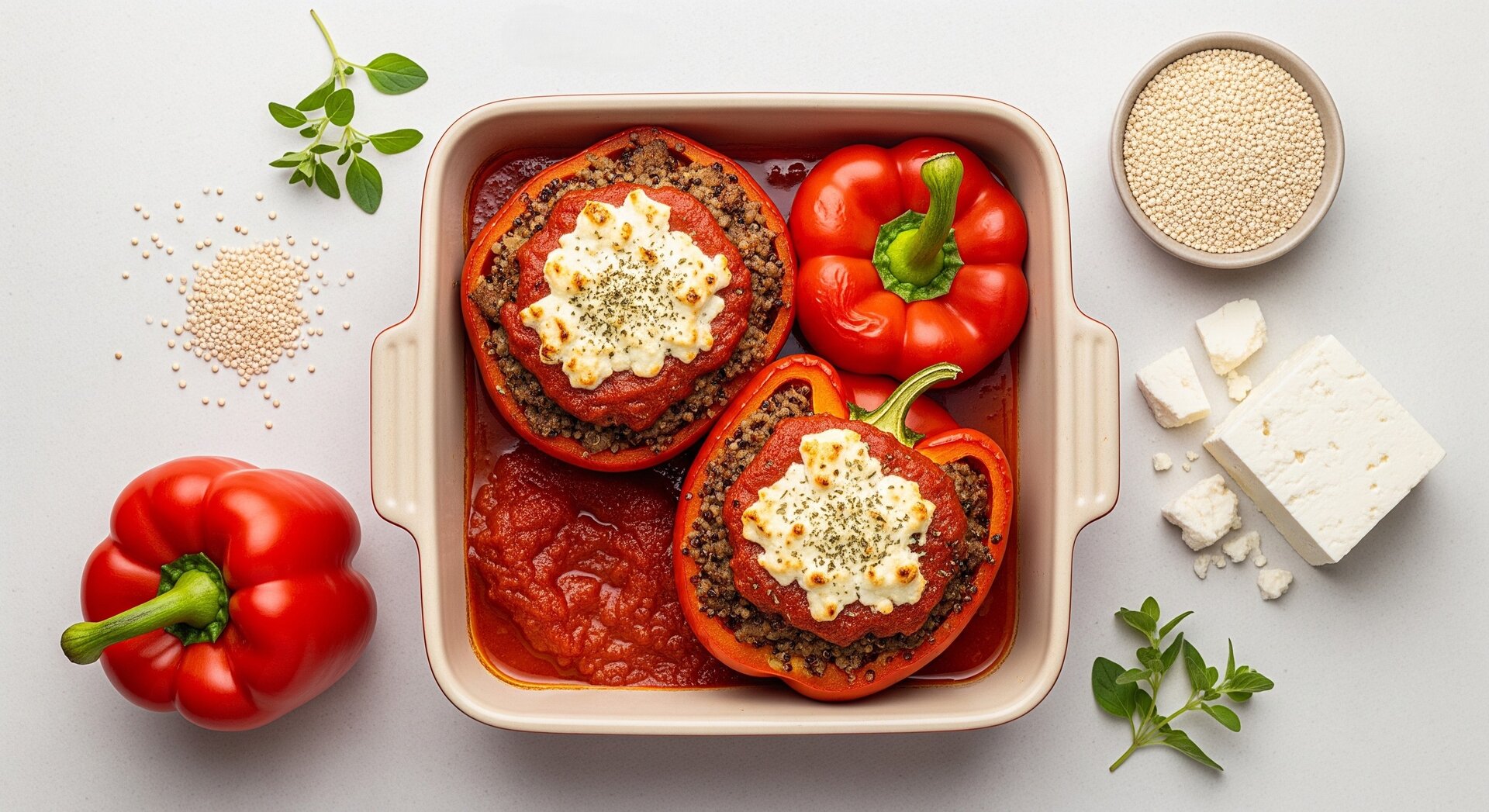 Stuffed Peppers with Ground Beef, Quinoa and Feta 50 min Colorful oven dish with spiced beef filling and crumbled feta
  695 kcal
  35g protein 2 synergies
 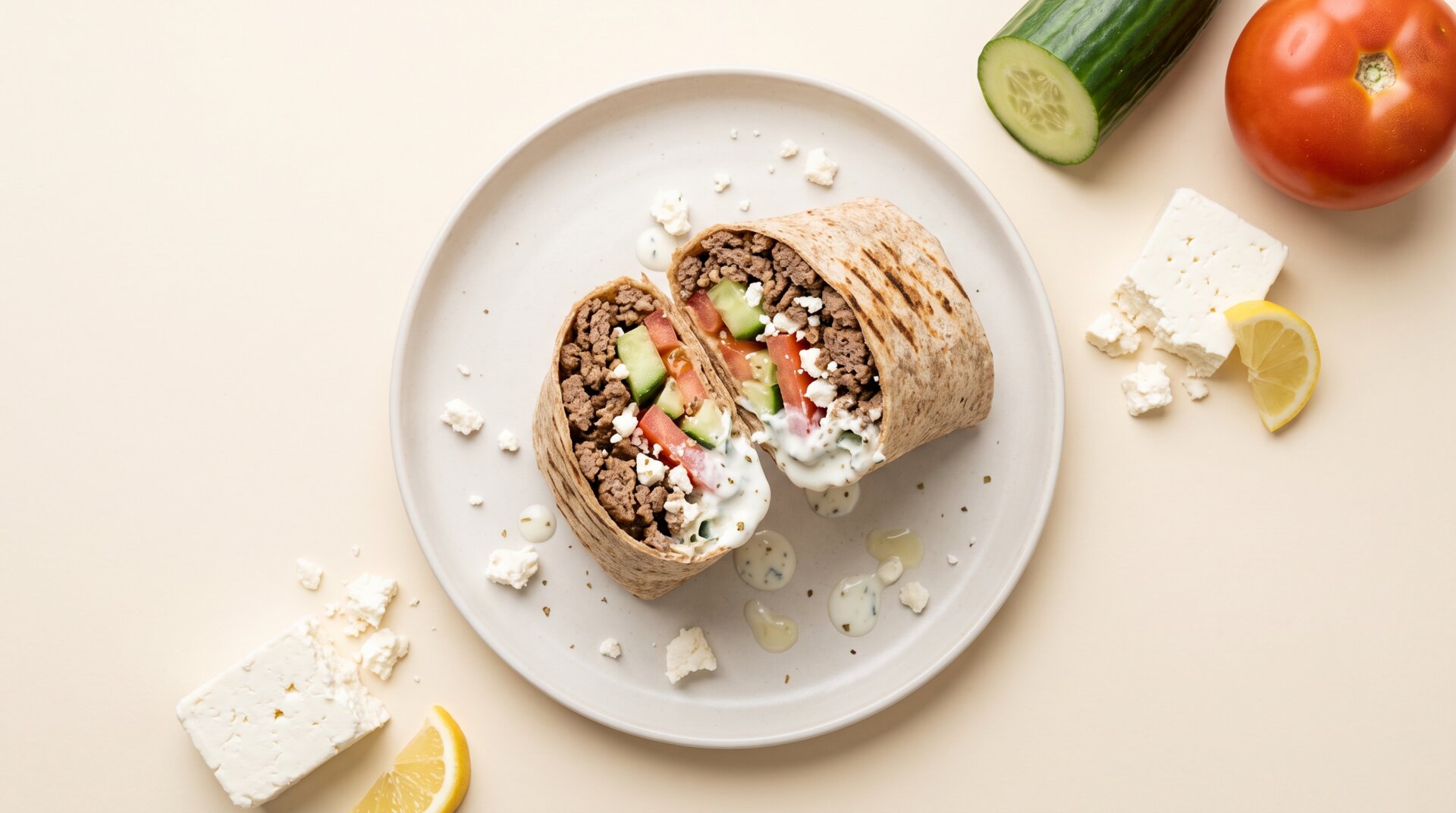 Greek Gyros Wrap 25 min Spiced beef with fresh vegetables, feta and cool tzatziki in whole wheat tortilla 540 kcal 38g protein 1 synergies
 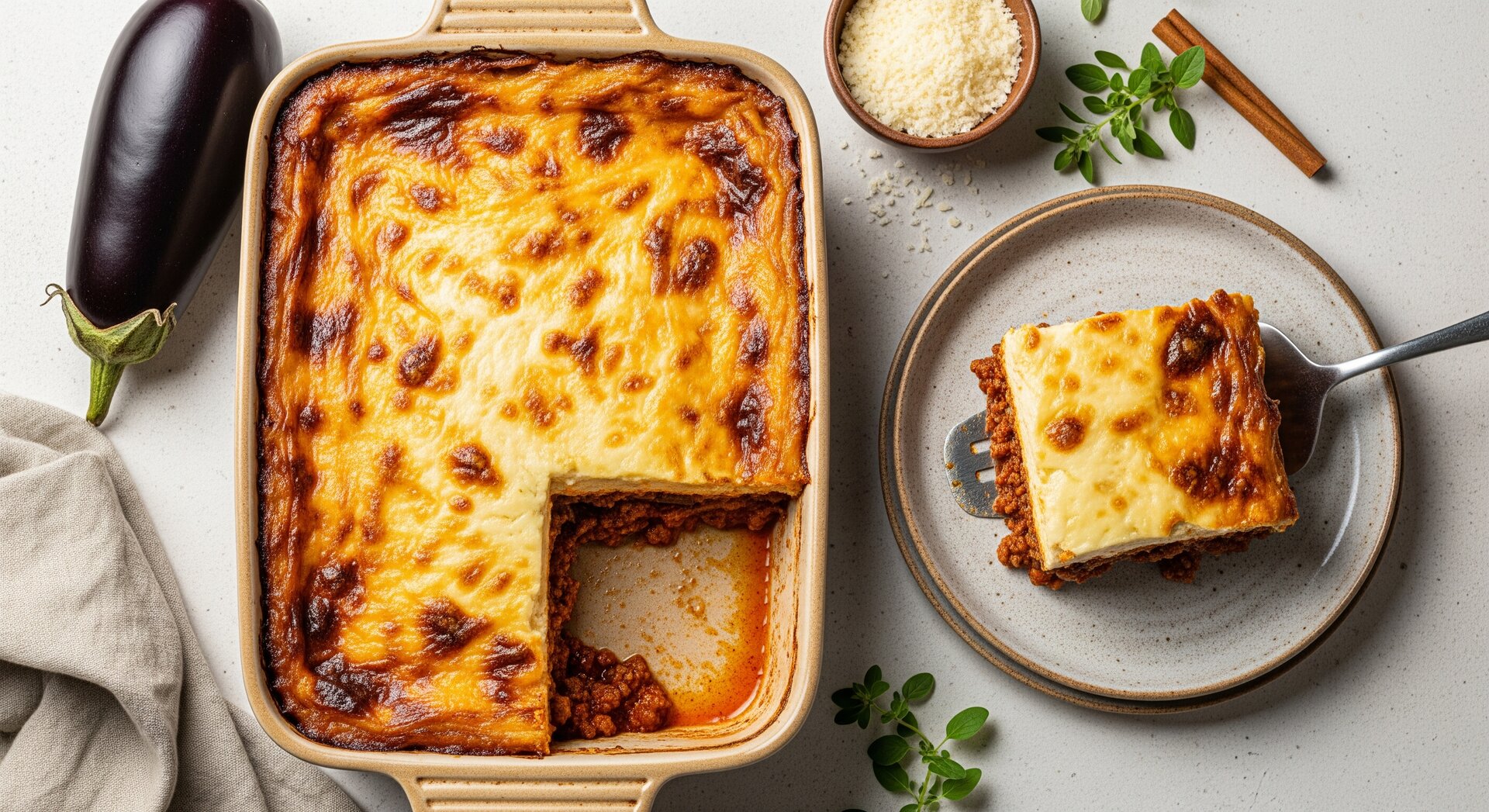 Greek Moussaka with Beef 90 min Baked eggplant with spiced meat and creamy béchamel 420 kcal 28g protein 1 synergies
 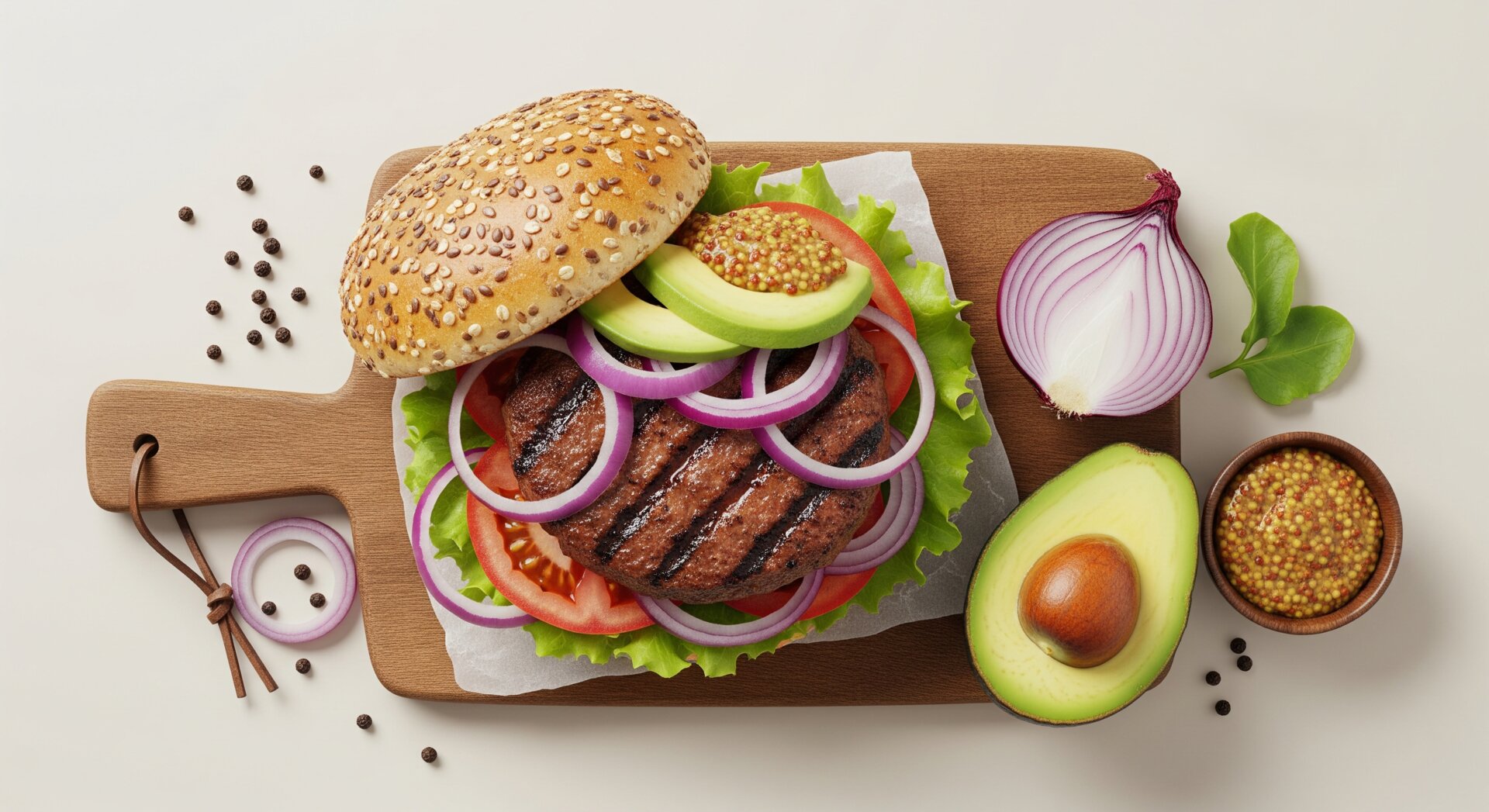 Classic Beef Burger 30 min Juicy beef with fresh toppings 485 kcal 32g protein 2 synergies
 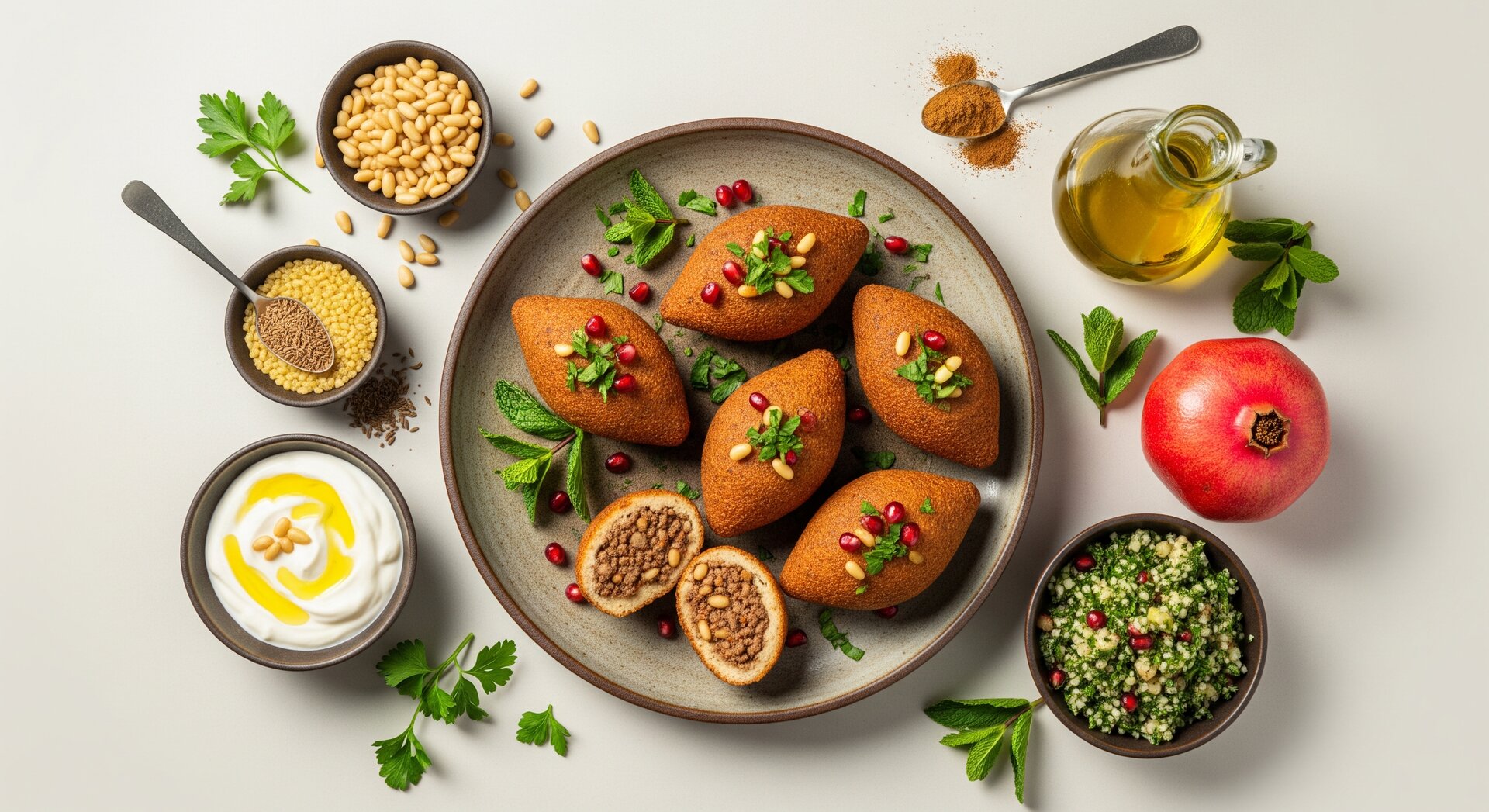 Lebanese Kibbeh with Pine Nuts 60 min Spiced bulgur and meat patties with a savoury filling 540 kcal 29g protein 2 synergies
 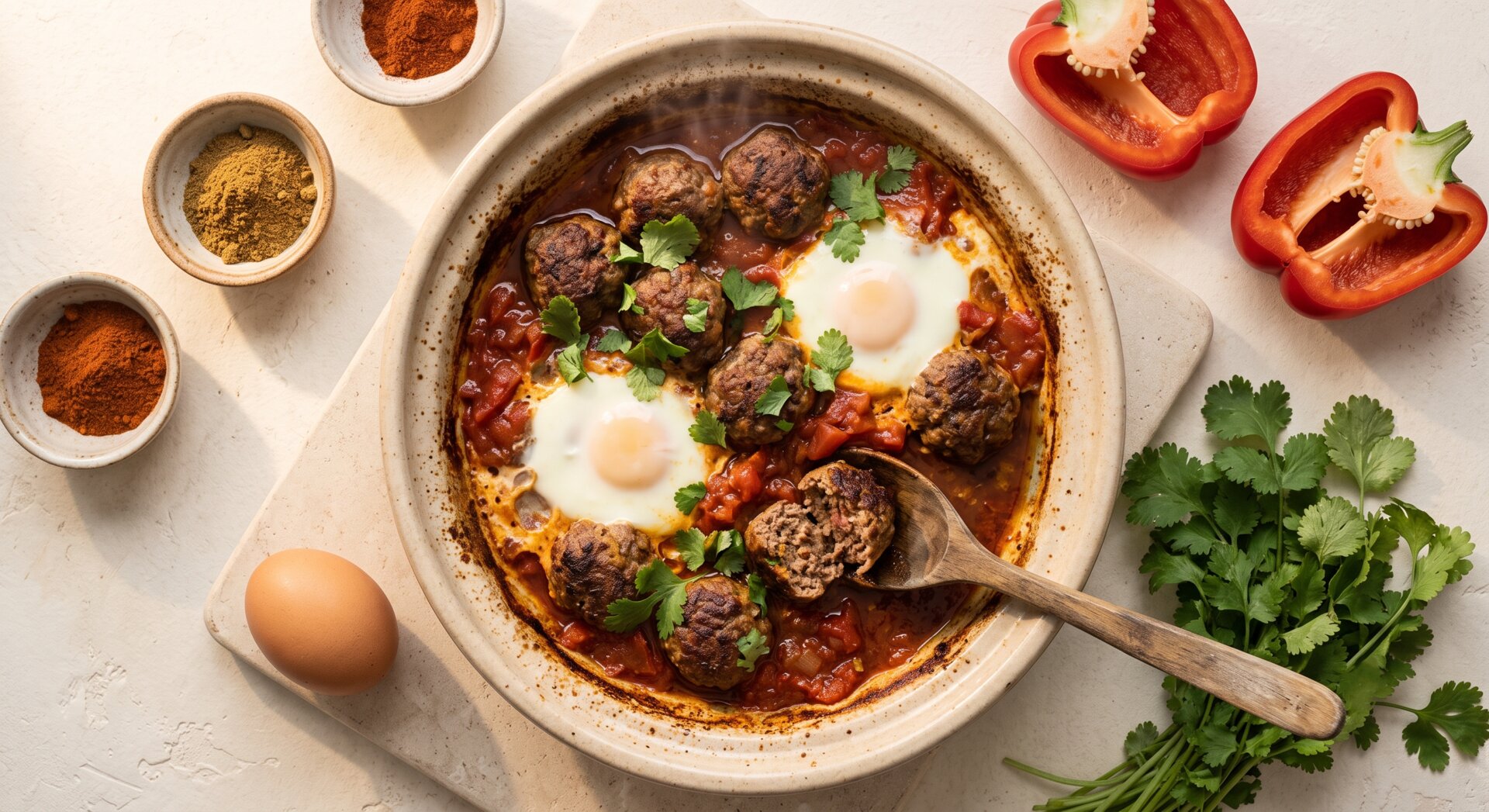 Tagine Kefta with Egg and Bell Pepper 65 min Moroccan meatballs in spiced tomato sauce 420 kcal 36g protein 2 synergies
  In the Kitchen
Storage
Location:Refrigerator
Shelf life:1-2 dagen koelkast, 3-4 maanden vriezer
Store immediately after purchase in refrigerator or freeze. Thaw in refrigerator, never at room temperature.
Preparation
Fry on medium-high heat and break up regularly. For meatballs: shape with wet hands. Core temperature at least 71°C.
Substitutes
Smart preparation
1Fry beef mince in a hot pan without stirring for colour.
Why?
Letting it sit creates Maillard reaction for more flavour.
2Do not overcrowd the pan — fry in batches for the best results.
Why?
Too much meat lowers the pan temperature and steams the mince.
3Drain excess fat after browning if you want to cook lean.
Caution / Warnings
Ground Beef is very safe, but there are scientific considerations:
Cardiovascular Disease Moderate
Regular ground beef contains significant saturated fat which with excessive consumption may contribute to elevated cholesterol
Advice:
Choose lean ground beef (max 10% fat) and limit to 2-3 times per week. Combine with vegetables and whole grains.
Food Safety Moderate
Ground beef must be cooked thoroughly due to bacterial risk from the grinding process
Advice:
Heat to core temperature of at least 71°C. Store in refrigerator maximum 2 days or freeze.
Summary
An excellent source of protein, iron and B12. Choose lean ground beef for less saturated fat. Always cook thoroughly to 71°C. Perfect for meatballs, bolognese or burgers.