- Easy
- 30 min
- 4 serv.
- 19 synergies
- Now at its best: Onion
A classic beef burger with seasoned ground beef, a whole grain bun, tomato, lettuce, avocado, red onion and Dijon mustard. Simple, savory and made with familiar ingredients.
A good burger does not need to be complicated. It starts with beef that is mixed gently, so the patty stays juicy instead of becoming dense. In the hot pan it gets a deep golden crust, while the bun is briefly toasted in the same savory heat. Then you build it layer by layer: sharp mustard, crisp lettuce, tomato, creamy avocado and red onion with a clean bite. This is comfort food without excess — no heavy sauce, no blanket of cheese that takes over, just a burger where the beef, bread and vegetables all stay present. Simple, generous and exactly the kind of meal that disappears quickly at the table.
- 15
- min prep
- 15
- min cook
- 30
- min total
Nutritional Synergies
This recipe combines ingredients that enhance each other:
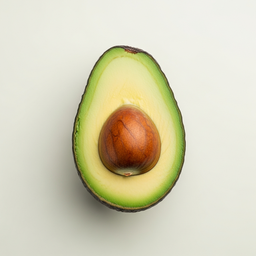 Avocado
 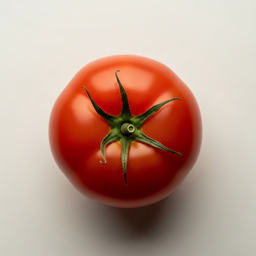 Tomatoes
 2.6x more lycopene absorption from salad/salsa
Technical: Tomatoes contain lycopene (3-8mg per 100g), a fat-soluble carotenoid with extremely low bioavailability without a fat carrier (<5%). Avocado contains 15g mono-unsaturated fats per 100g that stimulate micelle formation in the gut. Studies show 2.6x higher lycopene absorption when tomato is combined with avocado. Avocado also contains glutathione — a master antioxidant.
What does this mean for you? Guacamole with tomato, avocado toast with tomato, or a caprese with avocado — all these combinations ensure you absorb up to 2.6x more lycopene. Without fat, the lycopene literally slides right through your body.
Immune SystemSkin & Hair
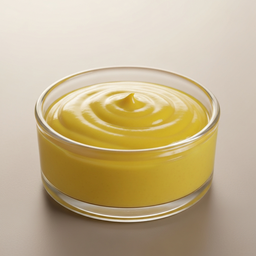 Dijon mustard
 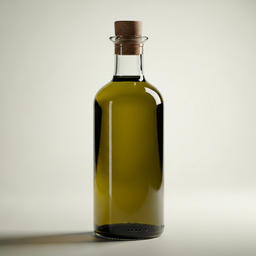 Olive oil
 Perfect vinaigrette - mustard as emulsifier
Technical: Mustard contains mucilage (slime) acting as a natural emulsifier — it binds oil and vinegar into a stable vinaigrette. Mustard's sinigrin (glucosinolate) converts to allyl isothiocyanate with thermogenic and bioactive action. Olive oil provides oleocanthal and hydroxytyrosol.
What does this mean for you? Mustard vinaigrette is scientifically the perfect dressing. The mustard emulsifies, the olive oil provides polyphenols — and together they taste amazing.
Weight LossHeart
Olive oil 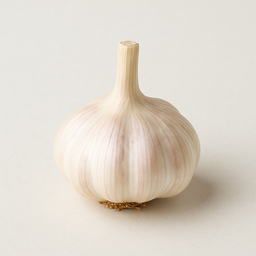 Garlic
 Aglio e olio: allicin + oleocanthal via complementary biochemical pathways
Technical: Garlic contains allicin (formed when cutting/crushing) that influences HMG-CoA reductase (involved in lipid metabolism). Olive oil contains oleocanthal that modulates COX-1/2 enzymes. Together they influence lipid metabolism and prostaglandin cascade via complementary biochemical pathways. The fat also helps absorb fat-soluble garlic compounds.
What does this mean for you? Gently warm garlic in olive oil (don't burn!) as the base for many dishes. This is why 'aglio e olio' pasta is so beloved — two bioactive compounds that reinforce each other.
HeartImmune System
Olive oil Tomatoes Mediterranean golden rule: fat increases lycopene absorption 4x
Fat significantly increases lycopene bioavailability (PMID: 15927929)
Technical: Tomatoes contain lycopene (3-7mg per 100g), a carotenoid with strong antioxidant action. Lycopene is fat-soluble with only 10-15% absorption without fat. Olive oil increases this to 40-60% (2.5-4x improvement). Cooking further increases lycopene bioavailability.
What does this mean for you? Always add olive oil to tomato dishes — sauces, salads, bruschetta. This is why Mediterranean cuisine is so healthy. Cooked tomatoes with olive oil = maximum lycopene.
HeartSkin & Hair
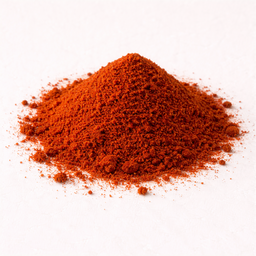 Paprika powder Olive oil
 3x better carotenoid absorption with fats
Technical: Paprika powder is extremely rich in carotenoids: beta-carotene, capsanthin and cryptoxanthin. These are all fat-soluble with only 5-10% absorption without fat. Olive oil or butter create micelles increasing absorption up to 3x. Additionally, vitamin E from olive oil protects carotenoids from oxidation.
What does this mean for you? Always briefly fry paprika powder in oil or butter before adding liquid. This activates the color and increases vitamin absorption up to 3x — the basis of Hungarian goulash.
Skin & HairImmune System
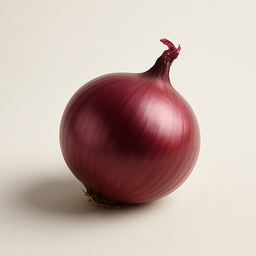 Red onion Olive oil
 Fat increases bioavailability of quercetin from red onion
Technical: Red onion contains 32-65mg quercetin per 100g — the richest food source. Quercetin is poorly water-soluble (2μg/mL) but dissolves well in fats. Olive oil increases quercetin oral bioavailability by 50-70% through lipid-based lymphatic transport instead of the portal vein.
What does this mean for you? Sauté red onion in olive oil (soffritto) for maximum quercetin absorption. Oil dissolves quercetin and improves transport to your bloodstream. Caramelizing also enhances flavor.
Anti-inflammatoryHeart
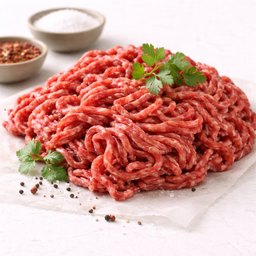 Ground beef Tomatoes
 Triple synergy: iron + vitamin C + lycopene for energy and heart
Technical: Ground beef contains 2.7mg heme iron per 100g (15% RDI) with 20-30% bioavailability. Vitamin C in tomato (13.7mg/100g) increases iron absorption by 300-400% via Fe³⁺→Fe²⁺ reduction. Simultaneously, fat in ground beef (10-20g/100g) increases lycopene absorption (3-9mg/100g tomato) by 400%. Triple synergy: iron for hemoglobin/ATP production, vitamin C for collagen/immunity, lycopene for antioxidant protection.
What does this mean for you? Bolognese, chili con carne or meatballs in tomato sauce — all these classics are scientifically optimal. Cook tomatoes 30+ minutes to increase lycopene by 35%. Add basil and garlic.
EnergyHeartImmune System
Ground beef 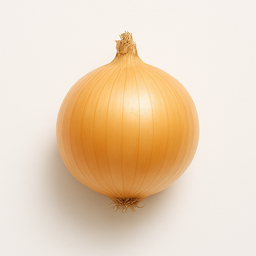 Onion
Onion Quercetin + zinc for immune function and inflammation reduction
Technical: Ground beef provides 6.3mg zinc per 100g (57% RDI) — essential for T-cell differentiation and thymus function. Onion contains quercetin (25-50mg/100g) that facilitates zinc transport to immunocytes and together modulates NF-κB signaling. Complementary action: IgA secretion +20%, phagocytosis activity +25%, oxidative burst damage reduced. Selenium in beef (16μg/100g) enhances antioxidant capacity via glutathione peroxidase.
What does this mean for you? Always cook ground beef with finely chopped onion (1 onion per 400g meat). The onion adds flavor and moisture plus powerful immune support. Perfect for meatballs, burgers or tacos. Add garlic for synergistic effect.
Immune SystemAnti-inflammatoryEnergy
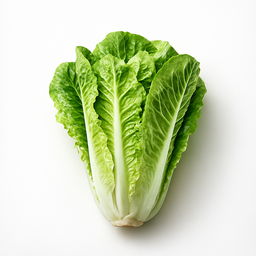 Lettuce Avocado
 7x better carotenoid absorption with fats
Technical: Lettuce contains 1223μg beta-carotene and 1730μg lutein per 100g. Without fat only 3% is absorbed. A Purdue University study (2012, Molecular Nutrition & Food Research) showed olive oil or avocado increases absorption to 20%+ — a 7-fold improvement.
What does this mean for you? Always eat salad with olive oil dressing or avocado. Without fat you absorb almost nothing of the carotenoids. A dry salad without dressing is ironically less nutritious than one with a good olive oil dressing.
Skin & HairGeneral Wellness
Lettuce Olive oil 7x better carotenoid absorption with fats
Technical: Lettuce contains 1223μg beta-carotene and 1730μg lutein per 100g. Without fat only 3% is absorbed. A Purdue University study (2012, Molecular Nutrition & Food Research) showed olive oil or avocado increases absorption to 20%+ — a 7-fold improvement.
What does this mean for you? Always eat salad with olive oil dressing or avocado. Without fat you absorb almost nothing of the carotenoids. A dry salad without dressing is ironically less nutritious than one with a good olive oil dressing.
Skin & HairGeneral Wellness
Lettuce Tomatoes Lutein + lycopene: complementary carotenoids in two phases
Technical: Lettuce contains 1730μg lutein per 100g — a xanthophyll carotenoid filtering blue light in the macula. Tomato contains 2573μg lycopene — a carotenoid neutralizing singlet oxygen. These carotenoids work through different mechanisms and are active in different tissues. With olive oil both are optimally absorbed.
What does this mean for you? A salad of lettuce and tomato with olive oil dressing combines two carotenoid families. Lutein from lettuce is active in the macula, lycopene from tomato in the cardiovascular system. Without dressing you barely absorb anything — fat is essential.
HeartGeneral Wellness
Onion Garlic More than 20 organosulfur compounds in one soffritto
Technical: Onion contains diallyl disulfide and quercetin (20-40mg/100g). Garlic contains allicin, ajoene and S-allylcysteine. Together they provide more than 20 different organosulfur compounds that modulate NF-κB. Allium crops are intensively studied in nutrition science for their unique sulfur chemistry.
What does this mean for you? Start every dish with sautéed onion and garlic — not just for flavor, but for the unique concentration of organosulfur compounds. Cut garlic 10 minutes before heating to allow allicin formation.
DigestionImmune System
Onion Tomatoes Quercetin + lycopene: synergistic polyphenol-carotenoid combination
Technical: Quercetin from onion (20-40mg/100g) and lycopene from tomato (2573μg/100g) work through different mechanisms. Quercetin chelates metal ions and modulates lipid peroxidation, lycopene quenches singlet oxygen. Combined polyphenols and carotenoids work synergistically — the combination works through complementary mechanisms.
What does this mean for you? Tomato sauce with onion is the base of nearly every Mediterranean cuisine — and rightly so. Quercetin and lycopene enhance each other's action through complementary biochemical pathways. Cooking in olive oil makes carotenoids more absorbable.
HeartAnti-inflammatory
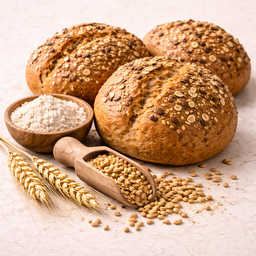 Whole grain buns Avocado
 Complex carbs + healthy fats for lasting satiety
Technical: Whole grain rolls provide slow carbohydrates (GI ~55) and B-vitamins (thiamine 0.4mg, niacin 4.7mg). Avocado adds 15g monounsaturated fats and 7g fiber per 100g. Studies show the combination of complex carbs + avocado fat extends satiety by 40% via cholecystokinin (CCK) and peptide YY signaling.
What does this mean for you? Avocado on whole grain bread is a classic for good reason — it's one of the most satiating breakfast combinations. Add a pinch of sea salt and chili flakes for extra flavor.
EnergyWeight LossHeart
Whole grain buns Olive oil Whole grain fiber + oleic acid slow glucose absorption
Technical: Whole grain rolls contain 6-8g fiber per 100g that slow gastric emptying. Olive oil's oleic acid (73%) activates the ileal brake mechanism via GLP-1 secretion, reducing glycemic response by 20-30%. The combination of insoluble fiber + monounsaturated fat creates a double inhibitory effect on carbohydrate digestion.
What does this mean for you? Dip your whole grain roll in good olive oil instead of butter. Your blood sugar rises much more gradually, keeping you satisfied longer without energy crashes.
Blood SugarEnergyHeart
 Sea salt Avocado
 Minerals improve flavor perception and electrolyte balance
Technical: Sea salt contains trace minerals (magnesium, potassium, calcium) besides sodium. Tomato is rich in potassium (237mg/100g) and lycopene. Avocado adds magnesium (29mg) and potassium (485mg). Together they form a broad electrolyte profile: sodium (salt) + potassium (tomato/avocado) + magnesium (avocado) — essential for fluid balance and nerve function.
What does this mean for you? Sprinkle tomato and avocado with a pinch of sea salt. This is more than flavor — the minerals complement each other for a complete electrolyte balance.
HeartEnergy
Sea salt Tomatoes Minerals improve flavor perception and electrolyte balance
Technical: Sea salt contains trace minerals (magnesium, potassium, calcium) besides sodium. Tomato is rich in potassium (237mg/100g) and lycopene. Avocado adds magnesium (29mg) and potassium (485mg). Together they form a broad electrolyte profile: sodium (salt) + potassium (tomato/avocado) + magnesium (avocado) — essential for fluid balance and nerve function.
What does this mean for you? Sprinkle tomato and avocado with a pinch of sea salt. This is more than flavor — the minerals complement each other for a complete electrolyte balance.
HeartEnergy
Sea salt Olive oil Minerals + polyphenols for cellular balance
Technical: Sea salt's sodium is essential for the sodium-potassium pump (Na+/K+-ATPase) that regulates every body cell. Olive oil's oleuropein and hydroxytyrosol provide antioxidant protection for cell membranes. The combination supports cell integrity: sea salt regulates ion balance, olive oil protects the membrane. In Mediterranean cuisine, coarse sea salt + olive oil is the most basic flavor profile.
What does this mean for you? Freshly ground sea salt with extra virgin olive oil is the simplest and most nutritious finishing of any dish. The combination provides the basic needs of your cells: minerals for function, polyphenols for protection.
HeartGeneral Wellness
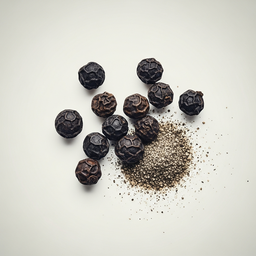 Black pepper Olive oil
 Fat increases piperine absorption and enhances polyphenols
Technical: Piperine is fat-soluble and absorbed 2-3x better with dietary fat. Olive oil's oleocanthal and piperine both modulate COX signal transduction through different mechanisms, providing additive bioactive effect.
What does this mean for you? Grind fresh pepper over salads with olive oil dressing. The combination enhances both pepper absorption and bioactive action.
Anti-inflammatoryHeartDigestion
Ingredients (13)
- Ground beef — 500 g 15-20% fat, preferably halal
- Onion — 0.5 pcs finely chopped, optional
- Garlic — 2 cloves pressed
Instructions
- 1 Gently mix the ground beef with onion, garlic, sea salt, black pepper and paprika powder. Mix as briefly as possible so the burgers stay juicy.
- 2 Divide the beef mixture into 4 equal portions and shape patties about 2 cm thick.
Nutrition per serving
Indicative values per serving.
Timing & Suitability
Shelf life: 1 days in fridge
Tags & Diet
Allergens: Gluten, Mustard