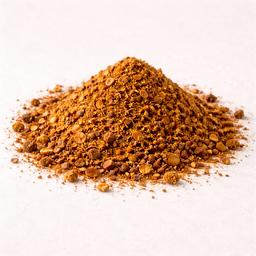
Ras el Hanout
North African spice blend
What is this ingredient?
Ras el Hanout (رأس الحانوت) is one of the best-known spice blends in North African cooking, especially Morocco. The name literally means 'head of the shop': the finest selection a spice merchant has to offer. That is why there is no single fixed formula; each family, market or shop may have its own version.
## Composition and aroma
A traditional ras el hanout often contains 12 to 30 spices, such as turmeric, ginger, cinnamon, cardamom, cumin, coriander, nutmeg, pepper and sometimes rose petals. Together they create warm, floral, lightly sweet and savory depth. Platel & Srinivasan (2004) discussed how spice combinations are examined in food research, including aroma, flavor layering and digestive enzymes.
## Culinary role
In tagines, couscous, rice dishes and roasted vegetables, ras el hanout instantly adds a rich North African character. The blend pairs well with lamb, chicken, carrot, pumpkin, apricot, dates, almonds and olive oil. Briefly frying it in oil or butter opens the fragrant compounds and makes the flavor rounder.
## Nutrition context
Because ras el hanout is used in small amounts, its main role is aromatic. The blend naturally contains fiber and minerals from the spices used, but a typical one-teaspoon serving only makes a limited contribution.
How does it taste?
Complex, floral and warm with rose, cinnamon, pepper, cumin and musky depth.
Pairs well with:
Pairs well with lambchickencouscouscarrotpumpkindates and almonds.
Did you know...?
- Ras el hanout literally means 'head of the shop' in Arabic: the selection a spice merchant is proud of.
- A traditional ras el hanout can contain up to 30 different spices, depending on the region, family and spice merchant.
Nutritional Value & Energy
Per 100g
Ras el Hanout provides energy thanks to natural nutrients , buffered by fiber.
Per 100g
Minerals
Vitamins
More nutrients
B-Vitamins
Trace Minerals
What's in a serving?
Ras el Hanout naturally contains iron (23.63 mg per 100 g dried powder). At typical spice usage (3–9 g), the contribution is limited.
Ras el Hanout naturally contains manganese (7.58 mg per 100 g dried powder). At typical spice usage (3–9 g), the contribution is limited.
Ras el Hanout naturally contains iron (23.63 mg per 100 g dried powder). At typical spice usage (3–9 g), the contribution is limited.
Ras el Hanout naturally contains zinc (3.35 mg per 100 g dried powder). At typical spice usage (3–9 g), the contribution is limited.
Ras el Hanout naturally contains magnesium (212 mg per 100 g dried powder). At typical spice usage (3–9 g), the contribution is limited.
Ras el Hanout naturally contains potassium (1319.2 mg per 100 g dried powder). At typical spice usage (3–9 g), the contribution is limited.
Ras el Hanout naturally contains manganese (7.58 mg per 100 g dried powder). At typical spice usage (3–9 g), the contribution is limited.
% of daily reference intake (DRI)
EU-approved nutrition claims
This ingredient contains nutrients for which EFSA-authorized health claims exist (at nutrient level, not ingredient-specific).
Approved health claims (EU)
Manganese EU 432/2012
Manganese contributes to normal energy-yielding metabolism
Contains 7.58mg/100g (threshold: ≥0.3mg/100g)
Manganese EU 432/2012
Manganese contributes to the maintenance of normal bones
Contains 7.58mg/100g (threshold: ≥0.3mg/100g)
Manganese EU 432/2012
Manganese contributes to the normal formation of connective tissue
Contains 7.58mg/100g (threshold: ≥0.3mg/100g)
Manganese EU 432/2012
Manganese contributes to the protection of cells from oxidative stress
Contains 7.58mg/100g (threshold: ≥0.3mg/100g)
Comparison
vsspinazie
Ras el Hanout contains about 7× more iron per 100 g than spinach — but you use much less ras el hanout per serving.
vsbanaan
Ras el Hanout contains about 3× more potassium per 100 g than banana — but you use much less ras el hanout per serving.
vsmelk
Ras el Hanout contains about 2× more calcium per 100 g than milk — but you use much less ras el hanout per serving.
What's being researched?
Aromatic compounds in ras el hanout
The complex spice mix of ras el hanout is examined in food research as a combination of different spices, with attention to aroma, polyphenols and the role of such blends in traditional cuisines.
Supported by: [2] Aggarwal BB (2006)
Good Combinations (Synergy)
Combine ras el hanout smartly to enhance the effect:
Ras el Hanout 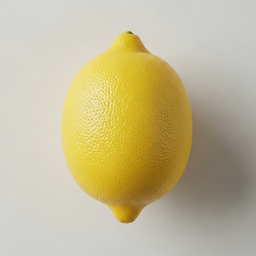 Lemon
Lemon 20+ spices + vitamin C for maximum micronutrient absorption
Technical: Ras el hanout ('head of the shop') combines 20+ spices: turmeric (curcumin), cinnamon (cinnamaldehyde), cardamom (1,8-cineole), nutmeg (myristicin), black pepper (piperine). Lemon's vitamin C increases bioavailability of iron from spices by 3-6x and protects heat-sensitive antioxidants. Piperine in the mix inhibits CYP3A4, keeping other polyphenols circulating longer. The broadest synergistic combination in the herb world.
What does this mean for you? Add lemon juice to tagine or couscous with ras el hanout. The lemon enhances absorption of all active compounds from this complex spice mix — a North African secret for maximum health.
Ras el Hanout 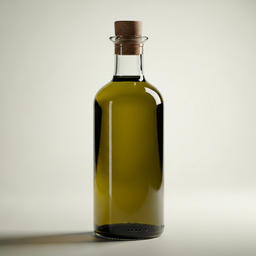 Olive Oil
 Fat increases absorption of fat-soluble spices in the mix
Technical: Ras el hanout contains up to 30 spices including turmeric (curcumin), ginger (gingerol), cinnamon (cinnamaldehyde) and nutmeg (myristicin) — all fat-soluble. Frying in olive oil extracts these bioactive compounds from the spices and dissolves them in fat, increasing bioavailability of all components.
What does this mean for you? Briefly fry ras el hanout in olive oil as the first step of your dish. The fat activates all fat-soluble spices in the mix — that's why every North African cook starts this way.
Ras el Hanout 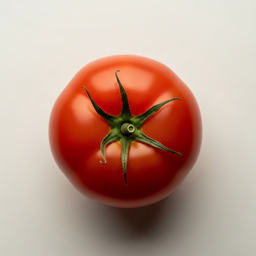 Tomato
 Spice mix stimulates gut absorption of lycopene and vitamins
Technical: Ras el hanout contains piperine (from black pepper) that inhibits P-glycoprotein and increases intestinal permeability for nutrients. Capsaicin (from chili pepper) enlarges the absorption surface via TRPV1 activation. Tomato's lycopene (3-7mg/100g) and vitamin C (14mg) are better absorbed as a result. In tagine (slow-cooked) lycopene from tomato is also thermally released, doubling bioavailability.
What does this mean for you? Moroccan tagine with tomato and ras el hanout is one of the most optimized dishes for nutrient absorption. Slow cooking maximizes extraction of active compounds from both spices and tomato.
Recipes with Ras el Hanout
Discover delicious recipes featuring ras el hanout:
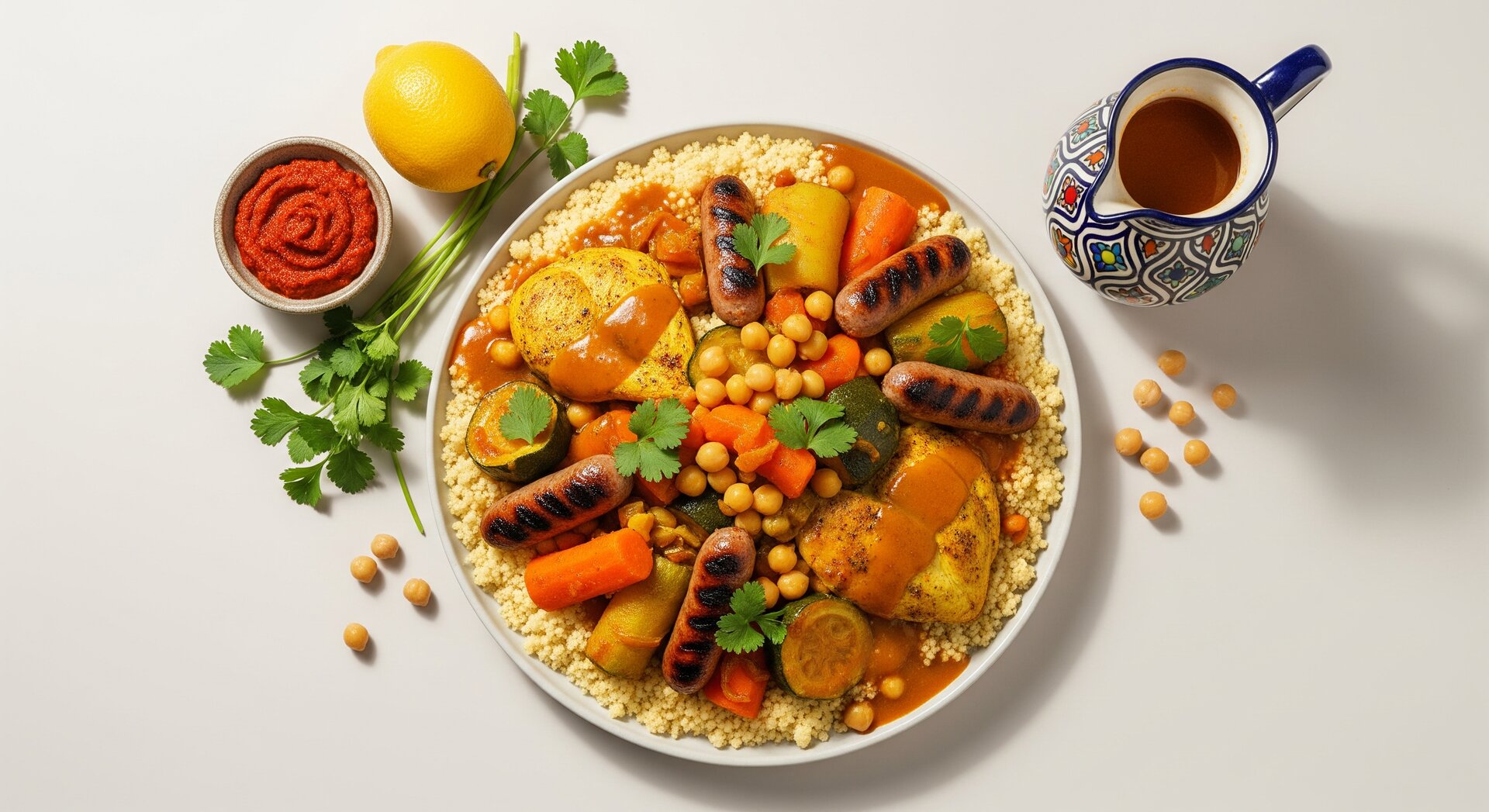 Royal Couscous with Chicken and Merguez 70 min Festive North African classic
  580 kcal
  38g protein 3 synergies
 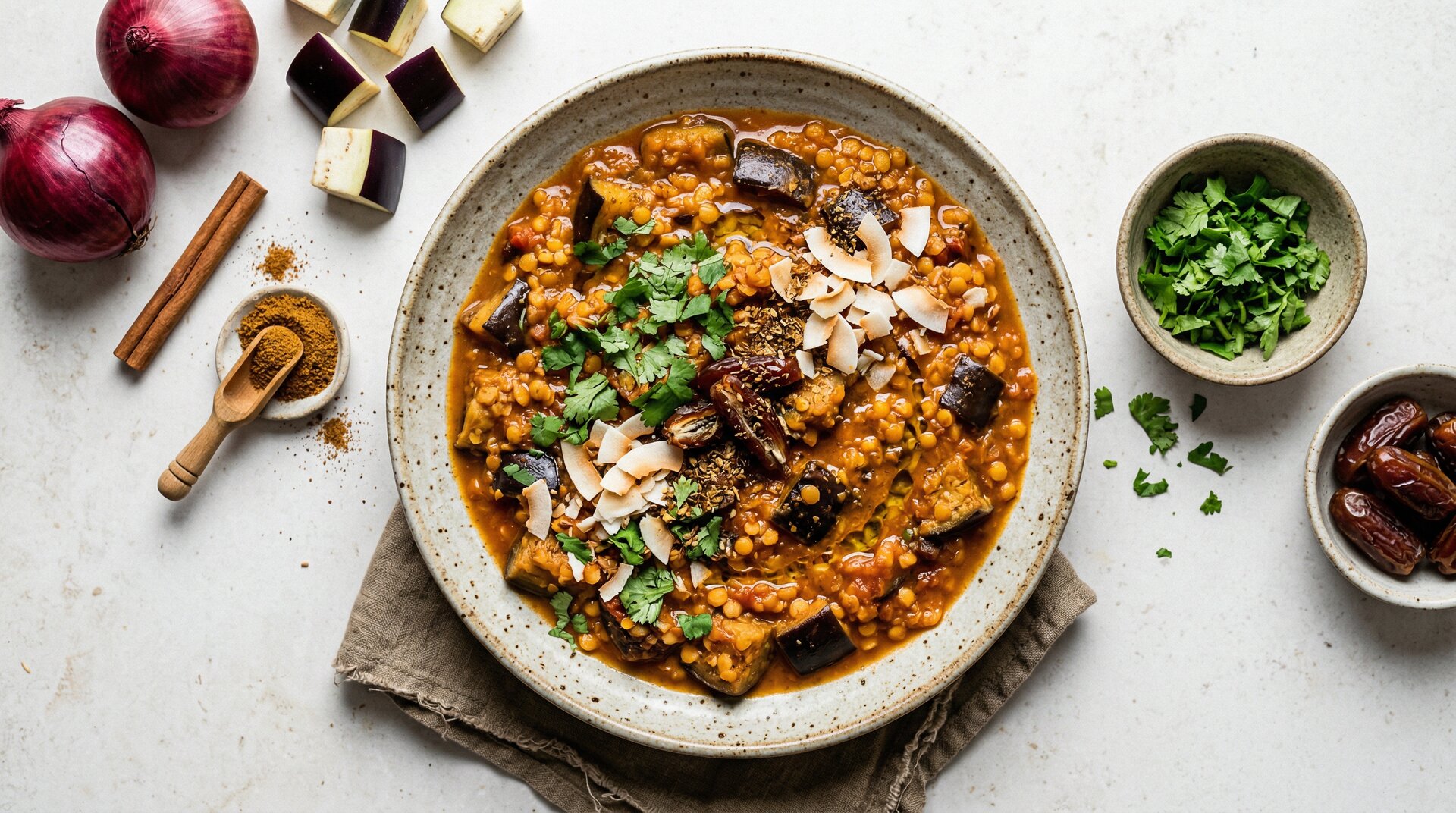 Moroccan Aubergine Lentil Tagine with Coconut 45 min Creamy plant-based stew with red lentils, aubergine and warm Moroccan spices 635 kcal 22g protein 2 synergies
 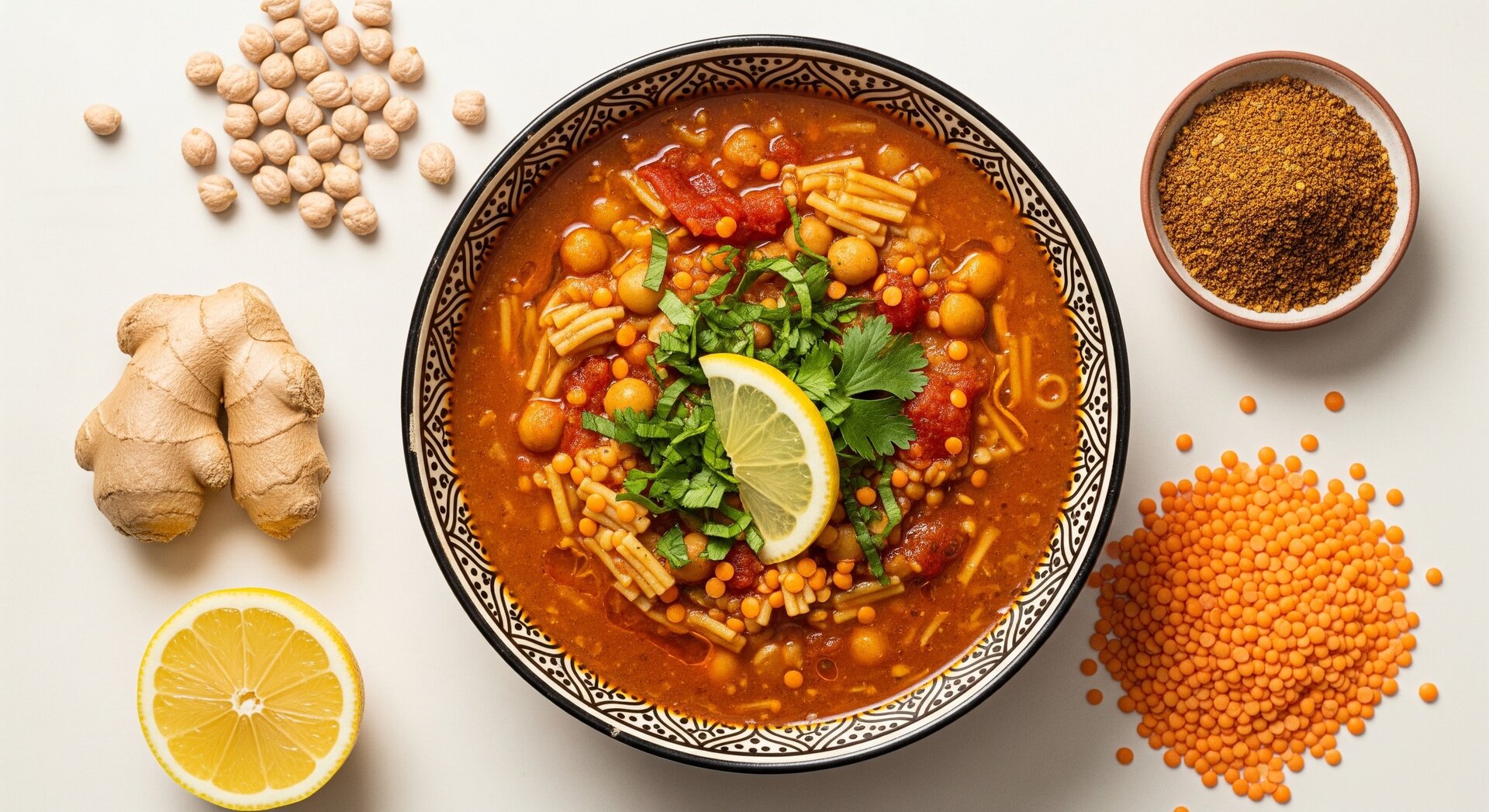 Moroccan Harira with Lentils and Chickpeas 55 min Traditional Moroccan soup with ras el hanout and fresh cilantro 784 kcal 33g protein 1 synergies
 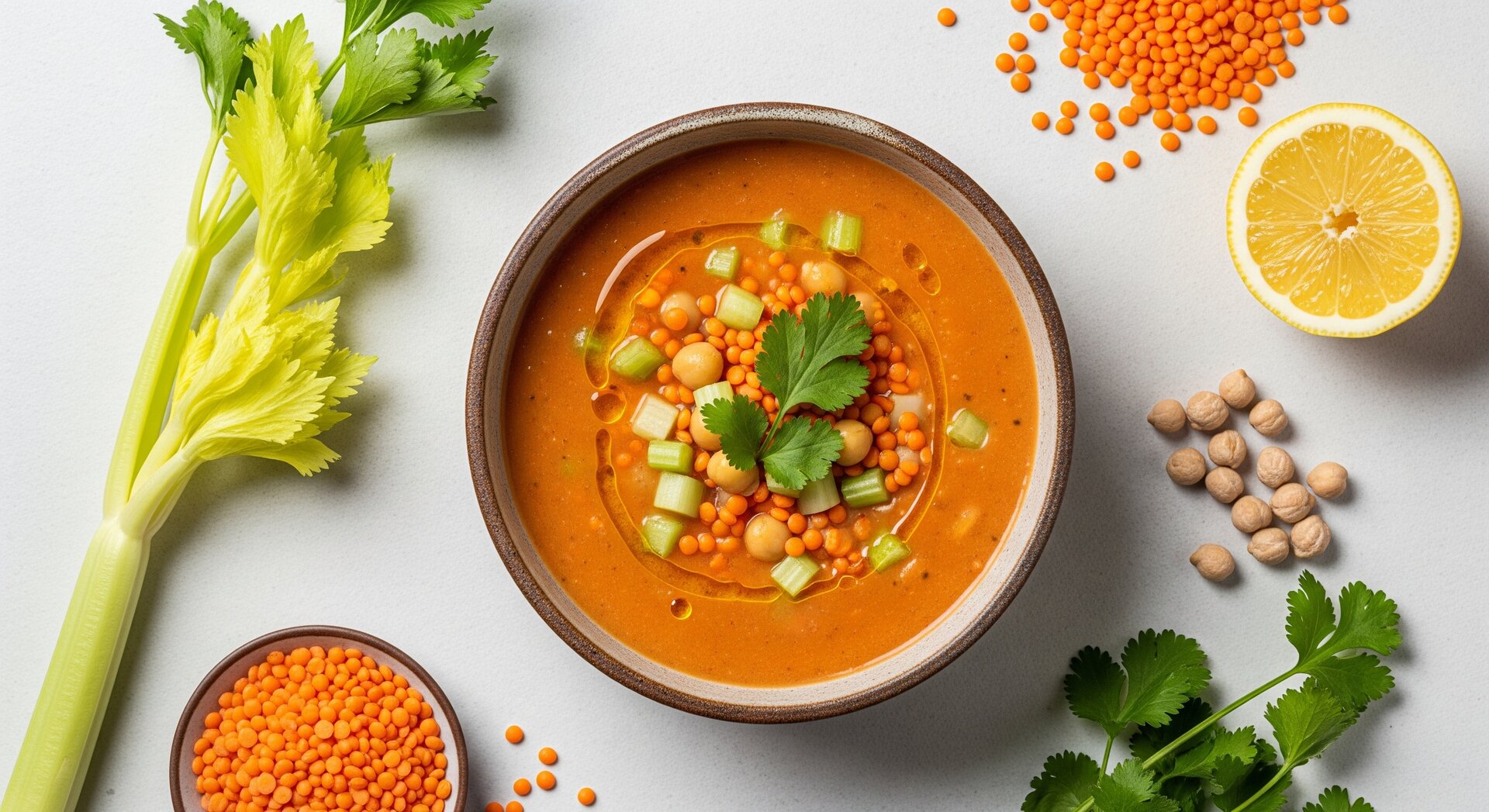 Moroccan Harira Breakfast 30 min Rich lentil-tomato soup as breakfast with fresh herbs 408 kcal 20g protein 1 synergies
 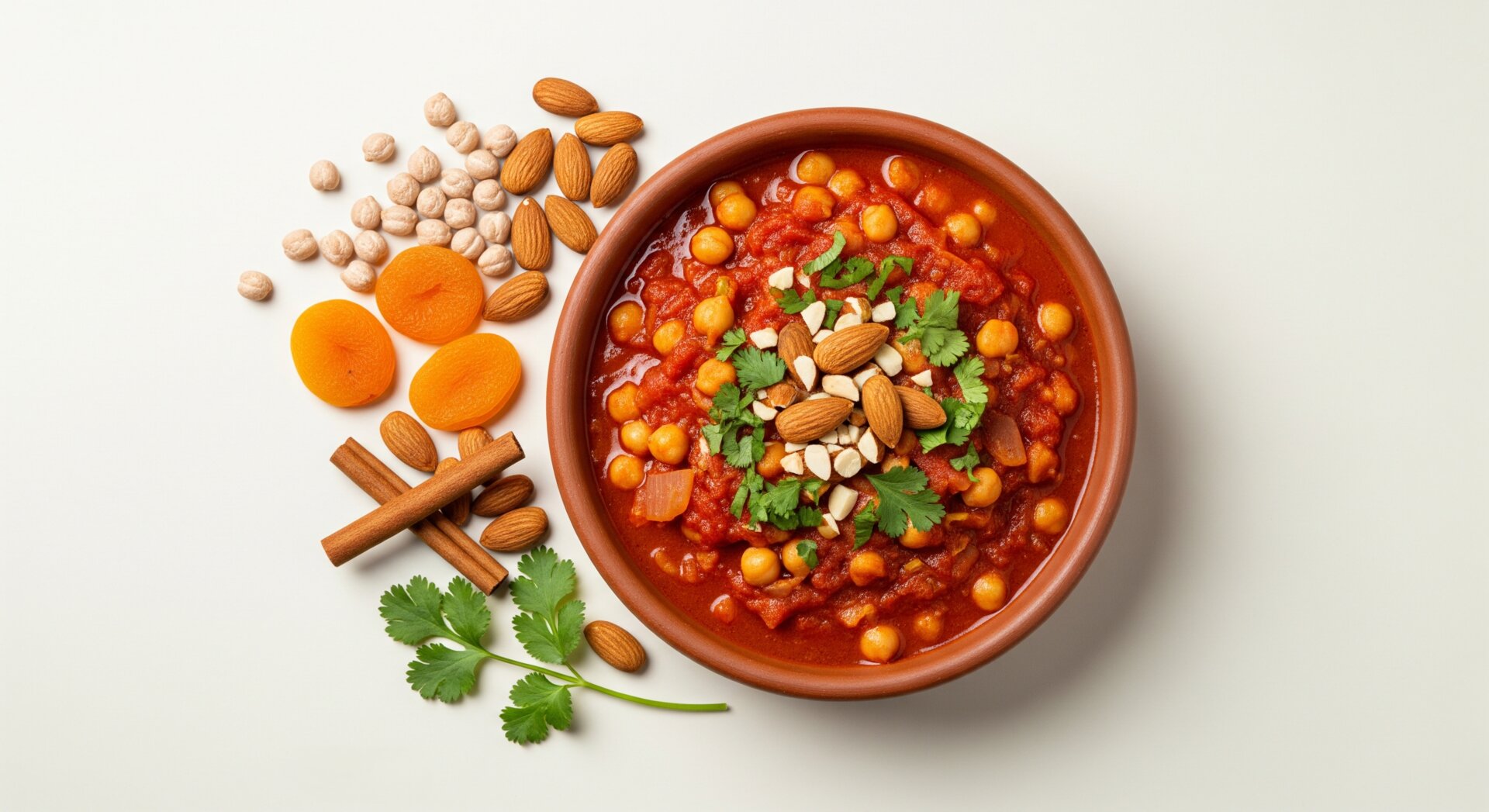 Moroccan Chickpeas with Almonds 50 min Warming stew with ras el hanout, apricots and toasted almonds 430 kcal 15g protein 2 synergies
 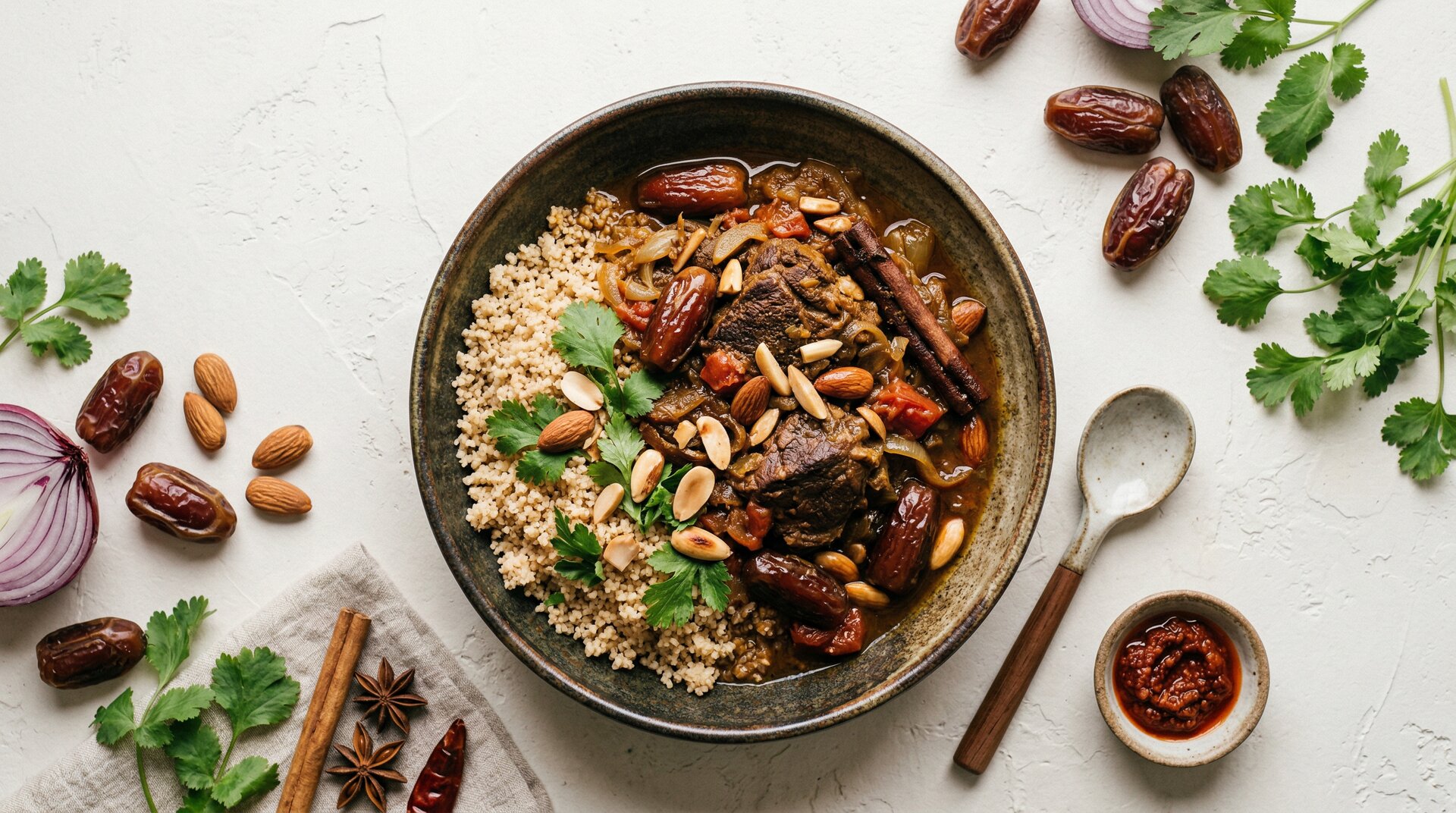 Moroccan Lamb Tagine with Dates, Almonds and Couscous 110 min Festive Moroccan stew with tender lamb, sweet dates and toasted almonds 890 kcal 40g protein 3 synergies
  In the Kitchen
Storage
Location:Pantry
Shelf life:6-12 maanden
Preparation
Add to stews, couscous, rice, tagines and roasted vegetables. Briefly fry the blend in oil or butter for a fuller aroma, or stir it into yoghurt, marinades or dressings.
Conversions
Substitutes
Smart preparation
1Briefly fry ras el hanout in oil or butter to open up the flavors.
Why?
Fat carries the aromatic compounds from the spice blend well and spreads them more evenly through the dish.
2Add ras el hanout to couscous, tagines, rice dishes and roasted vegetables.
3Make or buy small amounts; the blend loses aroma over time.
Caution / Warnings
Ras el Hanout is very safe, but there are scientific considerations:
Blood thinners Moderate
Because of ingredients such as turmeric and ginger, caution is sensible with concentrated supplements or very high intakes, especially when you use medication that affects blood clotting.
Advice:
Use ras el hanout as a kitchen spice in normal portions. Discuss high intakes or supplements with a doctor or pharmacist if you use blood thinners.
Traditional use
African
Moroccan spice blend
Ras el hanout ('head of the shop') is an ancient North African spice blend traditionally composed by the spice merchant from his best spices, sometimes containing up to 30 different ingredients.
Summary
Ras el Hanout is a premium Moroccan spice blend for tagines, couscous, rice dishes and roasted vegetables. The blend combines warm, sweet, floral and peppery notes and often contains cinnamon, ginger, turmeric, cumin, coriander and cardamom.