- Medium
- 70 min
- 6 serv.
- 24 synergies
- Now at its best: Pumpkin
Royal couscous with tender chicken pieces, spiced merguez and a fragrant vegetable broth with chickpeas, pumpkin, carrot and zucchini. Served with harissa and fresh cilantro.
As soon as the ras el hanout touches the warm oil, the kitchen begins to feel like a Friday afternoon around a full family table. The couscous turns light and golden, the broth deepens with tomato, pumpkin and warm spices, and the merguez brings the savoury heat that makes this dish feel truly royal. On top sit tender pieces of chicken, soft carrot, zucchini and chickpeas that have soaked up the sauce without losing their shape. This is not a rushed plate of food, but a platter made for the centre of the table. Everyone serves themselves, with extra broth over the couscous and harissa on the side for those who want more fire.
- 25
- min prep
- 45
- min cook
- 70
- min total
Nutritional Synergies
This recipe combines ingredients that enhance each other:
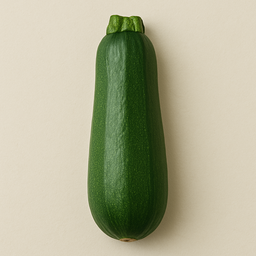 Zucchini
 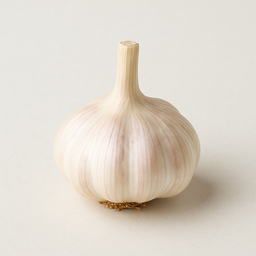 Garlic
 Potassium + allicin: complementary mineral-sulfur pathway
Technical: Zucchini contains 261mg potassium per 100g — potassium contributes to the maintenance of normal blood pressure (EFSA-approved). Garlic's allicin influences angiotensin-converting enzyme (ACE) and stimulates NO production via the nitrate-nitrite-NO pathway. Together they influence vascular physiology via two complementary mechanisms: electrolyte balance and NO signaling.
What does this mean for you? Sautéed zucchini with garlic is a simple side dish with two pathways influencing vascular physiology. Potassium from zucchini and allicin from garlic work complementarily. Add olive oil for extra polyphenols.
HeartAnti-inflammatory
Zucchini 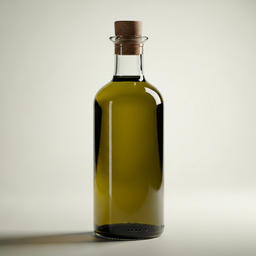 Olive oil
 Better absorption of lutein and zeaxanthin
Technical: Zucchini contains 2125μg lutein + zeaxanthin per 100g — carotenoids that accumulate in the macula lutea (the center of the retina). These are fat-soluble and absorbed up to 6x better with olive oil. Zucchini's mild flavor makes it an ideal carrier for olive oil in various dishes.
What does this mean for you? Sauté zucchini in olive oil or grill with a drizzle of oil. Without fat you barely absorb lutein — the eye pigment that concentrates in your macula. Lutein and zeaxanthin contribute to the maintenance of normal vision.
General Wellness
Zucchini 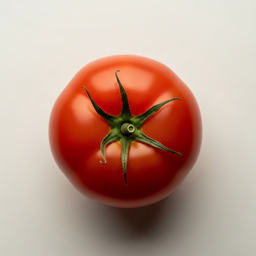 Tomato
 Lutein + lycopene: complementary carotenoids
Technical: Zucchini contains 2125μg lutein+zeaxanthin per 100g. Lutein and zeaxanthin are xanthophyll carotenoids filtering blue light in the eye's macula. Tomato contains 2573μg lycopene per 100g — a carotenoid neutralizing singlet oxygen. Together they provide two categories of carotenoids active in different tissues.
What does this mean for you? Ratatouille (zucchini + tomato + olive oil) combines two carotenoid families. Lutein from zucchini is active in the macula, lycopene from tomato in the cardiovascular system. Add olive oil — carotenoids are fat-soluble.
HeartGeneral Wellness
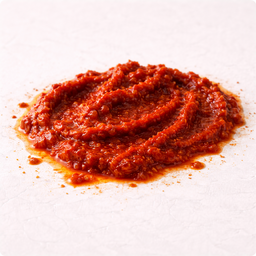 Harissa Olive oil
 Fat activates capsaicinoids for maximum thermogenic effect
Technical: Capsaicin and dihydrocapsaicin from harissa are fat-soluble. Olive oil dissolves these compounds and increases their bioavailability 2-3x. Moreover, dissolved capsaicin activates thermogenesis (heat production) more effectively. Olive oil's oleocanthal is studied in research in connection with COX signaling.
What does this mean for you? Stir harissa into warm olive oil as base for North African dishes. The fat makes the heat milder and carries the bold flavour.
EnergyWeight LossAnti-inflammatory
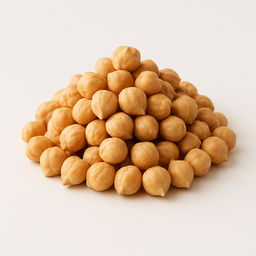 Chickpeas Tomato
 Tomato increases iron absorption from chickpeas
Technical: Chickpeas contain 2.9mg non-heme iron per 100g. Tomatoes provide 14mg vitamin C per 100g plus citric acid and malic acid — organic acids that also contribute to iron absorption. When heated, lycopene content in tomatoes increases (up to 4x), while vitamin C is partially lost. The organic acids remain intact and support iron absorption.
What does this mean for you? Cook chickpeas in tomato sauce — this is the basis of chana masala (India), leblebi (Tunisia) and Spanish garbanzos. The tomato sauce not only enriches the flavor but also increases iron absorption. Add lemon juice for extra boost.
Energy
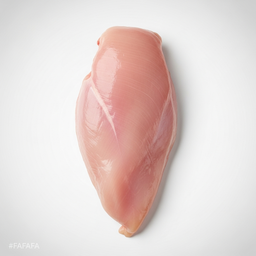 Chicken breast
 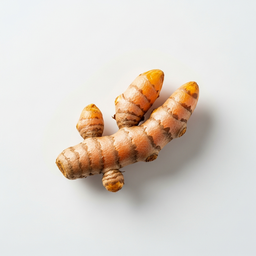 Turmeric
 Classic curry combination with complementary bioactive action
Technical: Chicken breast provides 31g protein per 100g with high leucine content (2.4g) for muscle protein synthesis (mTOR activation). After intense exercise, inflammatory processes occur, in part via NF-κB signaling. Curcumin directly modulates NF-κB, supporting muscle recovery without blocking the adaptive training response. Chicken proteins provide building material, curcumin optimizes the recovery process.
What does this mean for you? Make a chicken-turmeric curry as a post-workout meal. The chicken provides proteins for muscle building, the turmeric may support muscle recovery after training. Add black pepper and coconut milk for optimal curcumin absorption.
Muscle GainAnti-inflammatory
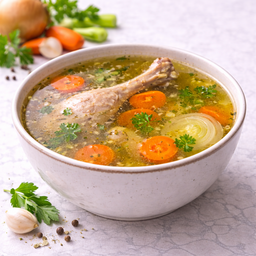 Chicken broth Garlic
 Traditional recovery soup with immune support
Technical: Chicken broth's glycine and cysteine support glutathione production (master antioxidant). Garlic's allicin has bioactive action. Together they provide amino acids and bioactive sulfur compounds.
What does this mean for you? Make chicken broth with extra garlic for a comforting, nourishing soup. Glycine + allicin provide bioactive compounds.
Immune SystemAnti-inflammatoryDigestion
Chicken broth Turmeric Collagen + curcumin for joints and bioactive support
Technical: Chicken broth contains type II collagen and glycine that support joint cartilage. Turmeric's curcumin modulates NF-kB signaling pathways. The fat in broth increases curcumin absorption.
What does this mean for you? Add turmeric to your chicken broth. The collagen supports your joints, the curcumin provides bioactive support — and the fat in the broth helps curcumin absorption.
JointsAnti-inflammatoryDigestion
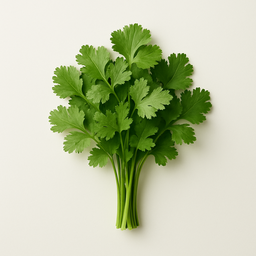 Fresh cilantro Turmeric
 Linalool + curcumin for enhanced bioactive action
Technical: Coriander's linalool and coriander oil are studied in relation to lipoxygenase modulation. Turmeric's curcumin modulates NF-κB and COX-2 signal transduction. Together they cover more bioactive signaling pathways than each herb alone.
What does this mean for you? Use coriander and turmeric together in curries and Indian dishes — a traditional combination that is scientifically supported.
Anti-inflammatoryDigestionAntioxidants
Turmeric 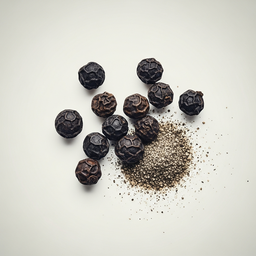 Black pepper
 Increases curcumin absorption by 2000%
Technical: Curcumin from turmeric has bioavailability below 1% due to rapid glucuronidation in the liver. Piperine from black pepper inhibits UGT (UDP-glucuronosyltransferase) and CYP3A4, preventing curcumin breakdown. This increases bioavailability by 2000% (20x). Use ratio ¼ teaspoon pepper to 1 teaspoon turmeric.
What does this mean for you? ALWAYS add black pepper when using turmeric. Without pepper your body absorbs virtually nothing — with pepper 20x more. This is the most important food synergy there is.
Anti-inflammatoryJointsFocus
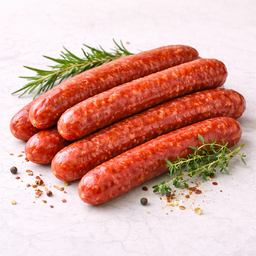 Merguez sausages Tomato
 Fat increases lycopene absorption while vitamin C optimizes iron uptake
Technical: Merguez contains 15-20g fat per 100g that absorbs lipophilic lycopene from tomato (3-9mg/100g) 400-500% better. Lycopene is among the effective carotenoid antioxidants against singlet oxygen. Vitamin C in tomato (13.7mg/100g) increases non-heme iron absorption by 300%. Complementary mechanisms optimize both nutrient uptake. Antioxidants in tomato balance the saturated fat in merguez.
What does this mean for you? Cook merguez and serve with cooked tomatoes (cooking increases lycopene by 35%). The tomato maximizes nutrient absorption and balances the fatty meat. Add basil and onion for extra benefits.
HeartImmune SystemEnergy
Olive oil Garlic Aglio e olio: allicin + oleocanthal via complementary biochemical pathways
Technical: Garlic contains allicin (formed when cutting/crushing) that influences HMG-CoA reductase (involved in lipid metabolism). Olive oil contains oleocanthal that modulates COX-1/2 enzymes. Together they influence lipid metabolism and prostaglandin cascade via complementary biochemical pathways. The fat also helps absorb fat-soluble garlic compounds.
What does this mean for you? Gently warm garlic in olive oil (don't burn!) as the base for many dishes. This is why 'aglio e olio' pasta is so beloved — two bioactive compounds that reinforce each other.
HeartImmune System
Olive oil Tomato Mediterranean golden rule: fat increases lycopene absorption 4x
Fat significantly increases lycopene bioavailability (PMID: 15927929)
Technical: Tomatoes contain lycopene (3-7mg per 100g), a carotenoid with strong antioxidant action. Lycopene is fat-soluble with only 10-15% absorption without fat. Olive oil increases this to 40-60% (2.5-4x improvement). Cooking further increases lycopene bioavailability.
What does this mean for you? Always add olive oil to tomato dishes — sauces, salads, bruschetta. This is why Mediterranean cuisine is so healthy. Cooked tomatoes with olive oil = maximum lycopene.
HeartSkin & Hair
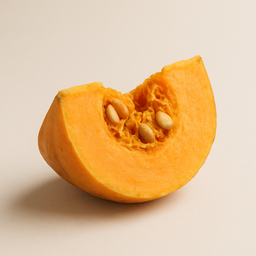 Butternut squash
 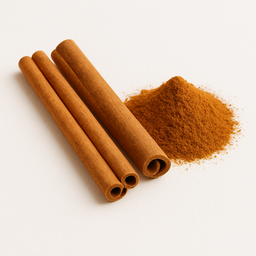 Cinnamon stick
 Beta-carotene + cinnamaldehyde: provitamin A and GLUT4 modulation
Technical: Pumpkin contains 3100μg beta-carotene per 100g — provitamin A contributing to normal immune system function (EFSA-approved) — and resistant fibers. Cinnamon's cinnamaldehyde modulates GLUT4 translocation and influences glycemic response. Together they provide provitamin A and glycemic modulation.
What does this mean for you? Pumpkin soup with cinnamon is an autumn classic. Cinnamon influences the glycemic response of pumpkin's carbohydrates. Add olive oil for beta-carotene absorption — it's fat-soluble.
Blood SugarImmune System
Butternut squash Olive oil Fat essential for absorption of pumpkin's rich beta-carotene
Technical: Pumpkin contains 3100μg beta-carotene per 100g — an excellent provitamin A source. Beta-carotene is fat-soluble and only 3-5% absorbed without fat. Olive oil increases bioavailability 5-7x through micelle formation. Heating pumpkin also breaks cell walls, releasing even more beta-carotene.
What does this mean for you? Always roast pumpkin with olive oil — this is the best way to absorb beta-carotene. Roasted pumpkin with olive oil, garlic and sage is a delicious and nutritious side dish.
Skin & HairImmune System
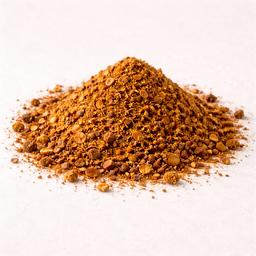 Ras el hanout Olive oil
 Fat increases absorption of fat-soluble spices in the mix
Technical: Ras el hanout contains up to 30 spices including turmeric (curcumin), ginger (gingerol), cinnamon (cinnamaldehyde) and nutmeg (myristicin) — all fat-soluble. Frying in olive oil extracts these bioactive compounds from the spices and dissolves them in fat, increasing bioavailability of all components.
What does this mean for you? Briefly fry ras el hanout in olive oil as the first step of your dish. The fat activates all fat-soluble spices in the mix — that's why every North African cook starts this way.
Anti-inflammatoryDigestionHeart
Ras el hanout Tomato Spice mix stimulates gut absorption of lycopene and vitamins
Technical: Ras el hanout contains piperine (from black pepper) that inhibits P-glycoprotein and increases intestinal permeability for nutrients. Capsaicin (from chili pepper) enlarges the absorption surface via TRPV1 activation. Tomato's lycopene (3-7mg/100g) and vitamin C (14mg) are better absorbed as a result. In tagine (slow-cooked) lycopene from tomato is also thermally released, doubling bioavailability.
What does this mean for you? Moroccan tagine with tomato and ras el hanout is one of the most optimized dishes for nutrient absorption. Slow cooking maximizes extraction of active compounds from both spices and tomato.
HeartSkin & Hair
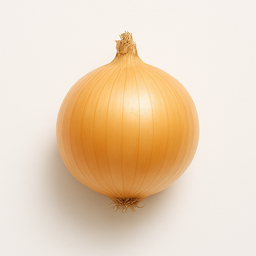 Onion Garlic
 More than 20 organosulfur compounds in one soffritto
Technical: Onion contains diallyl disulfide and quercetin (20-40mg/100g). Garlic contains allicin, ajoene and S-allylcysteine. Together they provide more than 20 different organosulfur compounds that modulate NF-κB. Allium crops are intensively studied in nutrition science for their unique sulfur chemistry.
What does this mean for you? Start every dish with sautéed onion and garlic — not just for flavor, but for the unique concentration of organosulfur compounds. Cut garlic 10 minutes before heating to allow allicin formation.
DigestionImmune System
Onion Tomato Quercetin + lycopene: synergistic polyphenol-carotenoid combination
Technical: Quercetin from onion (20-40mg/100g) and lycopene from tomato (2573μg/100g) work through different mechanisms. Quercetin chelates metal ions and modulates lipid peroxidation, lycopene quenches singlet oxygen. Combined polyphenols and carotenoids work synergistically — the combination works through complementary mechanisms.
What does this mean for you? Tomato sauce with onion is the base of nearly every Mediterranean cuisine — and rightly so. Quercetin and lycopene enhance each other's action through complementary biochemical pathways. Cooking in olive oil makes carotenoids more absorbable.
HeartAnti-inflammatory
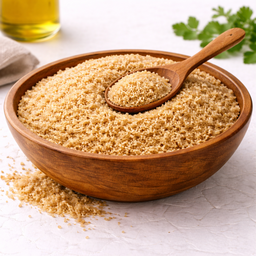 Whole wheat couscous Chickpeas
 Complete proteins through grain-legume combination
Technical: Whole wheat couscous contains methionine and cysteine but is low in lysine — the limiting amino acid in grains. Chickpeas are rich in lysine (1.3g per 100g) but low in methionine. Together they form a complete protein profile with a PDCAAS (Protein Digestibility Corrected Amino Acid Score) close to 1.0, comparable to animal protein. This is the biochemical basis behind centuries-old North African couscous.
What does this mean for you? Couscous with chickpeas isn't just a tradition — it's nutritional science that has been applied for centuries. Serve whole wheat couscous with chickpea stew for a complete protein meal without meat. Add vegetables and herbs for extra micronutrients.
Muscle GainEnergyGeneral Wellness
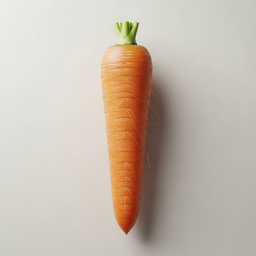 Carrot Olive oil
 Up to 5x more beta-carotene absorption
Technical: Carrot contains 8285μg beta-carotene per 100g, but bioavailability from raw carrot is only 3-4%. Heating + olive oil increases this to 20-25%. Oleic acid (73% of olive oil) forms mixed micelles that efficiently transport beta-carotene to enterocytes for absorption.
What does this mean for you? Roast carrots with olive oil or eat them in a salad with dressing. Without fat you absorb only 3% of beta-carotene — with olive oil up to 5x more.
Skin & HairFocusImmune System
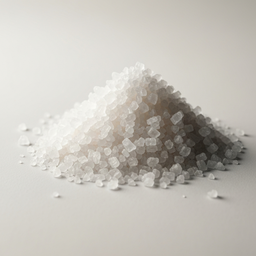 Sea salt Tomato
 Minerals improve flavor perception and electrolyte balance
Technical: Sea salt contains trace minerals (magnesium, potassium, calcium) besides sodium. Tomato is rich in potassium (237mg/100g) and lycopene. Avocado adds magnesium (29mg) and potassium (485mg). Together they form a broad electrolyte profile: sodium (salt) + potassium (tomato/avocado) + magnesium (avocado) — essential for fluid balance and nerve function.
What does this mean for you? Sprinkle tomato and avocado with a pinch of sea salt. This is more than flavor — the minerals complement each other for a complete electrolyte balance.
HeartEnergy
Sea salt Olive oil Minerals + polyphenols for cellular balance
Technical: Sea salt's sodium is essential for the sodium-potassium pump (Na+/K+-ATPase) that regulates every body cell. Olive oil's oleuropein and hydroxytyrosol provide antioxidant protection for cell membranes. The combination supports cell integrity: sea salt regulates ion balance, olive oil protects the membrane. In Mediterranean cuisine, coarse sea salt + olive oil is the most basic flavor profile.
What does this mean for you? Freshly ground sea salt with extra virgin olive oil is the simplest and most nutritious finishing of any dish. The combination provides the basic needs of your cells: minerals for function, polyphenols for protection.
HeartGeneral Wellness
Black pepper Olive oil Fat increases piperine absorption and enhances polyphenols
Technical: Piperine is fat-soluble and absorbed 2-3x better with dietary fat. Olive oil's oleocanthal and piperine both modulate COX signal transduction through different mechanisms, providing additive bioactive effect.
What does this mean for you? Grind fresh pepper over salads with olive oil dressing. The combination enhances both pepper absorption and bioactive action.
Anti-inflammatoryHeartDigestion
Ingredients (19)
- Chicken breast — 500 g cut into large 3 cm cubes
- Merguez sausages — 4 pcs about 300 g total
- Whole wheat couscous — 350 g
- Chickpeas — 400 g canned, drained
Instructions
- 1 Mix the chicken cubes with 1 tbsp ras el hanout, turmeric, salt and pepper. Marinate for 15 minutes.
- 2 Heat 2 tbsp olive oil in a large Dutch oven over high heat. Brown the chicken on all sides for 5-6 minutes. Remove from the pan and set aside.
Nutrition per serving
Indicative values per serving.
Timing & Suitability
Shelf life: 3 days in fridge
Tags & Diet
Allergens: Gluten