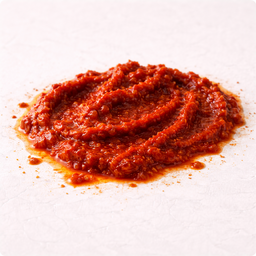
Harissa
Spicy North African chili paste
What is this ingredient?
Harissa (هريسة) is a characteristic flavor base from the Maghreb, with a particularly strong place in Tunisian cuisine, where the paste is often served with bread, couscous, stews and grilled meats. The name is commonly linked to the Arabic ‘harasa’, referring to crushing or pounding.
## Composition & capsaicin
Harissa is made from dried red chili peppers, often with garlic, olive oil, cumin, caraway, coriander and sometimes dried rose petals. Capsaicin is the natural compound in chili peppers that gives the warm, tingling heat sensation. The spices and oil add depth, roundness and a rich texture.
## Flavor and use
Rather than heat alone, harissa also brings smoky, earthy and slightly sweet notes. A small amount can add color and intensity to sauces, soups, marinades or stews. Because recipes differ widely by region and brand, harissa can range from gently spiced to very hot.
## Culinary combinations
Olive oil makes the paste spreadable and helps the spice aromas disperse evenly through a dish. Cumin, coriander and caraway give harissa its North African character and pair well with chickpeas, couscous, yoghurt, lamb, chicken, roasted vegetables and eggs.
How does it taste?
Fiery-spicy with smoky, slightly sweet pepper and cumin tones.
Pairs well with:
Pairs well with lambchickpeasyoghurtolive oil and couscous.
Did you know...?
- Harissa comes from the Arabic verb ‘harasa’, meaning ‘to crush’ or ‘to pound’.
- In Tunisia, harissa is so beloved that the paste is often placed on the table alongside bread, olives and other small side dishes.
Nutritional Value & Energy
Per 100g
Harissa provides energy thanks to natural nutrients , buffered by fiber.
Per 100g
Minerals
Vitamins
More nutrients
B-Vitamins
Trace Minerals
What's in a serving?
Harissa naturally contains vitamin a (250.57 mcg per 100 g fresh paste). At typical spice usage (5–22.5 g), the contribution is limited.
Harissa naturally contains vitamin c (7.14 mg per 100 g fresh paste). At typical spice usage (5–22.5 g), the contribution is limited.
Harissa naturally contains vitamin a (250.57 mcg per 100 g fresh paste). At typical spice usage (5–22.5 g), the contribution is limited.
Harissa naturally contains vitamin c (7.14 mg per 100 g fresh paste). At typical spice usage (5–22.5 g), the contribution is limited.
% of daily reference intake (DRI)
EU-approved nutrition claims
There are currently no EFSA-authorized health claims specific to harissa. Various applications for herbs and spices have been submitted but have not yet been assessed (botanical 'on hold' list).
What's being researched?
Pigments and spice compounds in harissa
The combination of chili peppers, garlic and spices in harissa is studied for carotenoids, aromatic compounds and other plant constituents. Much of the research is still conducted in laboratory or ingredient-focused contexts.
Supported by: [1] McCarty MF (2015)
Good Combinations (Synergy)
Combine harissa smartly to enhance the effect:
Harissa 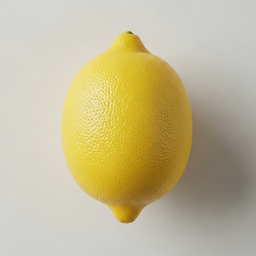 Lemon
Lemon North African chili paste + vitamin C for iron and immunity
Technical: Harissa combines dried red peppers (capsaicin), cumin (iron 66mg/100g), coriander seed (iron 16.3mg) and garlic (allicin). Lemon's vitamin C increases iron absorption from the spices by 3-6x. Capsaicin improves blood flow to intestinal villi (+20% absorption surface). The combination offers: thermogenesis + iron absorption + immune stimulation. In North African cuisine, harissa is always served with lemon.
What does this mean for you? Always serve harissa with a lemon wedge — as in traditional Tunisian dishes. The lemon makes the iron and vitamins from the spice paste available to your body.
Harissa 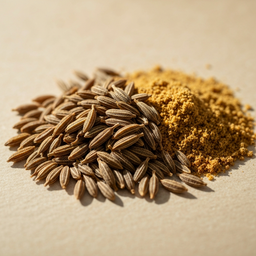 Cumin
Cumin Cumin softens harissa's heat and improves digestion
Technical: Harissa's capsaicin can irritate the stomach lining through TRPV1 activation. Cumin contains cuminaldehyde that promotes digestive enzyme activity (amylase, lipase) and relaxes gastric smooth muscles. This calms the stomach lining during capsaicin irritation while promoting digestion. Traditional harissa always contains cumin for good reason.
What does this mean for you? Add extra cumin to dishes with harissa. The cumin calms your stomach from the heat and helps you digest your food better.
Harissa 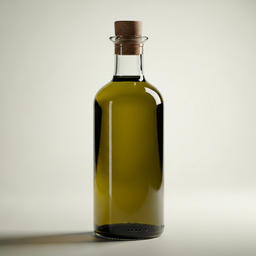 Olive Oil
 Fat activates capsaicinoids for maximum thermogenic effect
Technical: Capsaicin and dihydrocapsaicin from harissa are fat-soluble. Olive oil dissolves these compounds and increases their bioavailability 2-3x. Moreover, dissolved capsaicin activates thermogenesis (heat production) more effectively. Olive oil's oleocanthal is studied in research in connection with COX signaling.
What does this mean for you? Stir harissa into warm olive oil as base for North African dishes. The fat makes the heat milder and carries the bold flavour.
Recipes with Harissa
Discover delicious recipes featuring harissa:
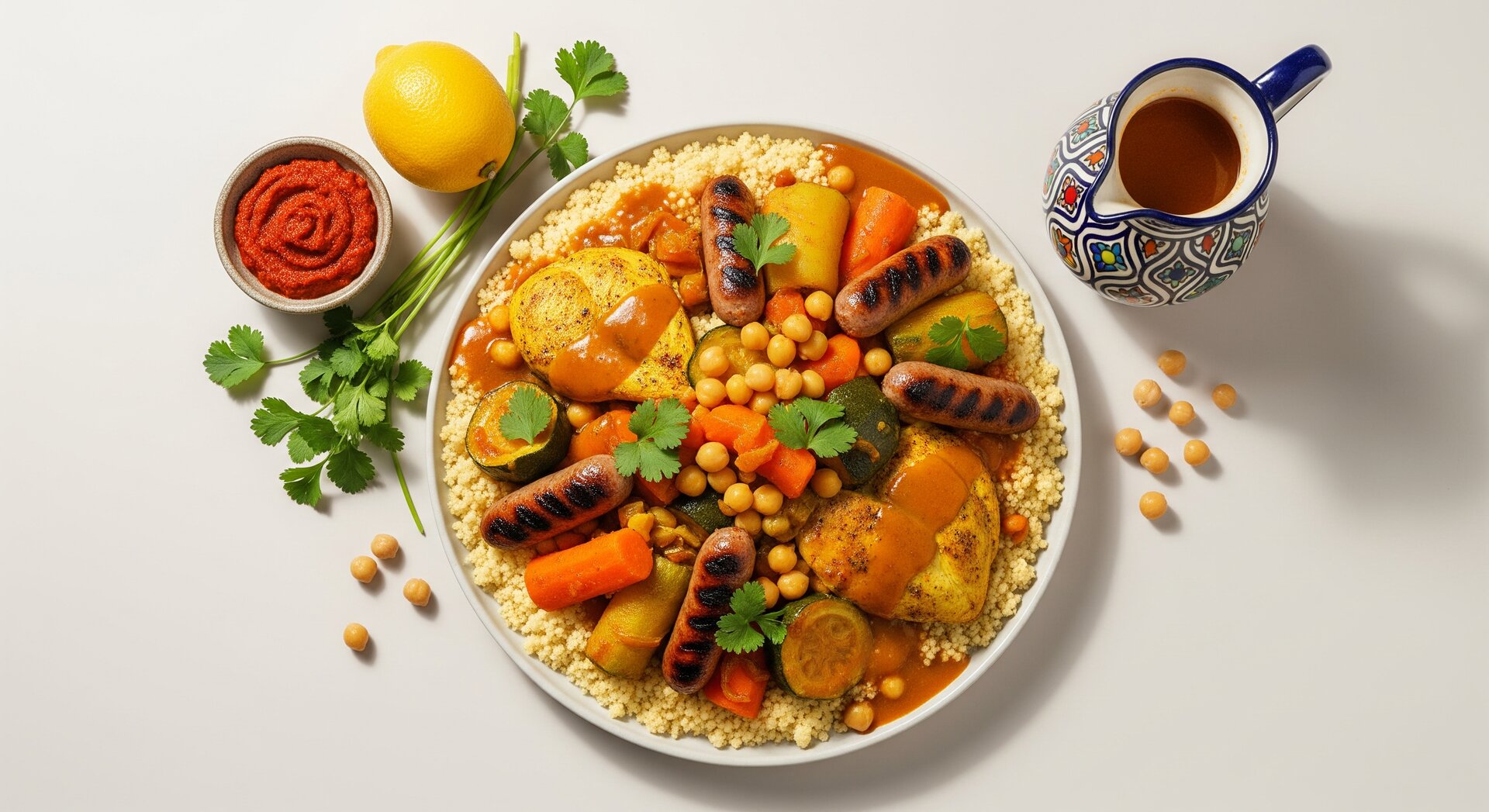 Royal Couscous with Chicken and Merguez 70 min Festive North African classic
  580 kcal
  38g protein 3 synergies
 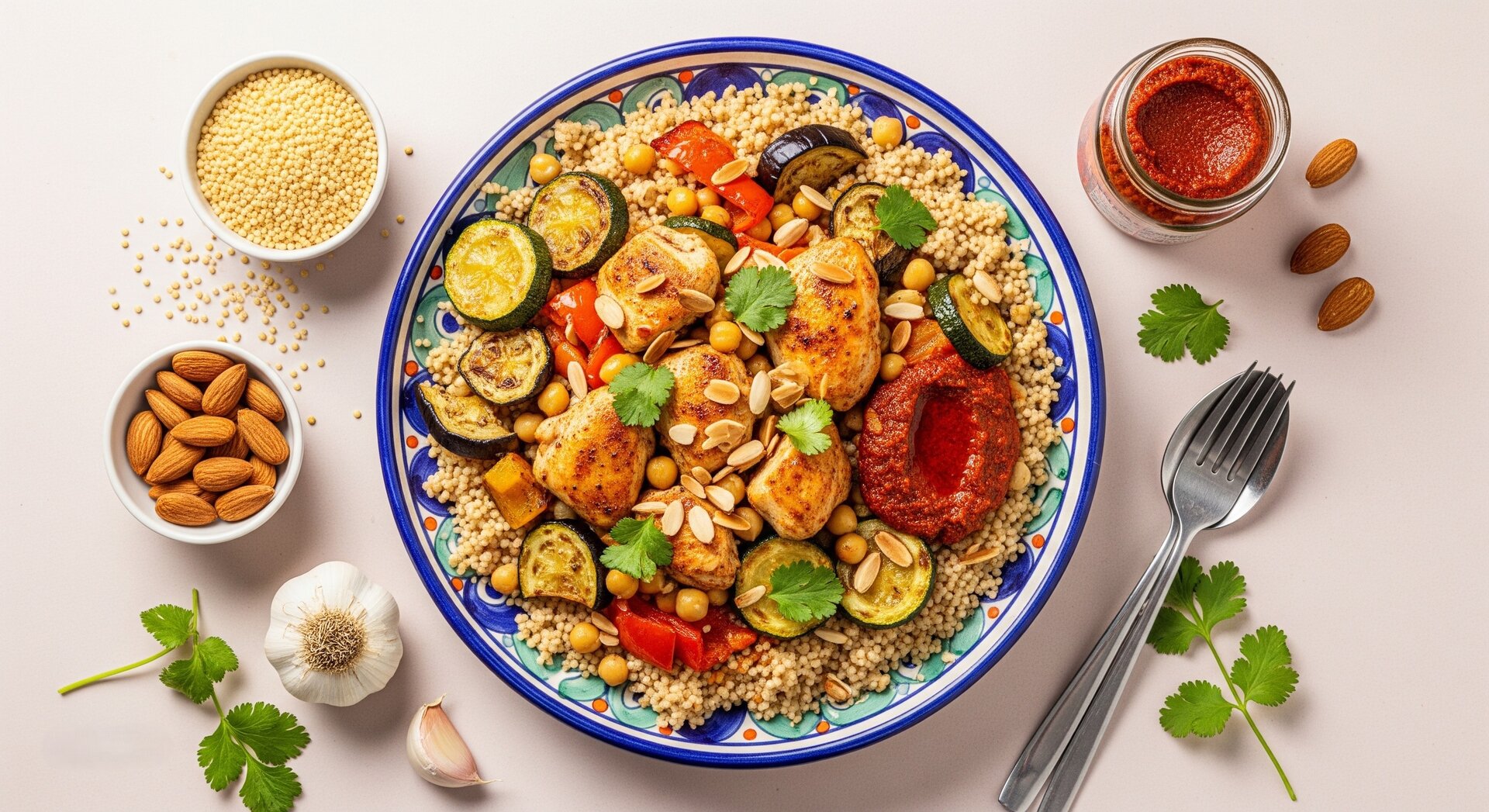 Moroccan Couscous with Chicken and Roasted Vegetables 50 min Spiced couscous with harissa and almonds 1100 kcal 66g protein 2 synergies
  In the Kitchen
Storage
Location:Refrigerator
Shelf life:4-6 weken (geopend), 1 jaar (ongeopend)
Preparation
Stir into stews, marinades, soups or sauces, or serve as a condiment with bread, couscous or grilled vegetables. Start with 1 teaspoon, taste, and only then add more.
Conversions
Substitutes
Smart preparation
1Stir harissa into olive oil for a quick, flavorful dressing.
2Briefly fry harissa in oil at the start of cooking.
Why?
This helps the aromas of chili, garlic and spices spread more evenly through the dish.
3Adjust the amount by type: paste is usually rounder and milder than dry powder.
Caution / Warnings
Harissa is very safe, but there are scientific considerations:
Stomach ulcer / gastritis Moderate
Spicy food may irritate the stomach when symptoms are already present
Irritable bowel syndrome (IBS) Moderate
Spicy food may be poorly tolerated by some people with IBS
Traditional use
African
North African spice paste
Harissa is a traditional North African chili paste, especially rooted in Tunisian cuisine, where the paste has been used for generations as a staple seasoning with couscous, tagines, soups, bread and grilled meats.
Summary
Harissa is a bold North African flavor base made with chili pepper, garlic, olive oil and warm spices such as cumin, coriander and caraway. The paste adds heat, color and smoky depth to dishes. Start with small amounts and adjust to the heat level of the brand or recipe.