- Medium
- 110 min
- 4 serv.
- 20 synergies
- Now at its best: Dates
Tender braised lamb in a fragrant sauce of tomato, onion, saffron, cinnamon and ras el hanout. Soft dates and honey add gentle sweetness, while toasted almonds and whole wheat couscous make the dish festive and filling.
The kitchen slowly fills with the scent of cinnamon, saffron, ginger and ras el hanout while the lamb gently braises. First the meat is browned well, giving the sauce a deep savoury base later on. Then tomato, onion and broth have time to turn thick and glossy together. The dates go in near the end: they partly melt into the sauce and add small caramel-like accents without making the dish overly sweet. On the plate, whole wheat couscous catches every spoonful of sauce. Toasted almonds bring crunch, coriander brings freshness. This is Moroccan comfort food at its most festive.
- 20
- min prep
- 90
- min cook
- 110
- min total
Nutritional Synergies
This recipe combines ingredients that enhance each other:
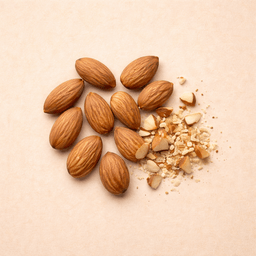 Almonds
 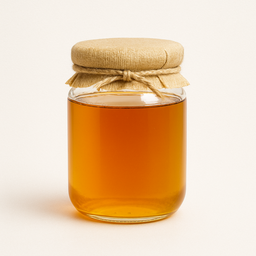 Honey
Honey Vitamin E + flavonoids for enhanced antioxidant protection
Technical: Almonds are rich in alpha-tocopherol (vitamin E), a fat-soluble antioxidant. Honey's flavonoids (chrysin, pinocembrin) are water-soluble antioxidants. Together they provide protection in both lipid and aqueous compartments of cells.
What does this mean for you? Almonds with a bit of honey is not just a classic snack, but gives your cells double antioxidant protection — in fat and water.
Anti-inflammatorySkin & HairImmune System
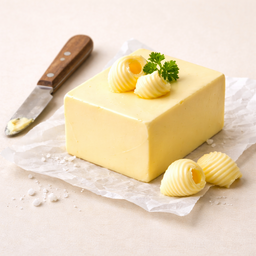 Butter
 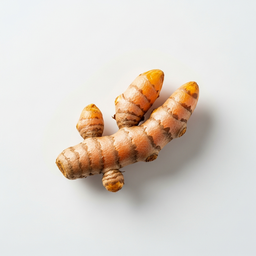 Turmeric
 Fat from butter increases curcumin absorption (with black pepper up to 2000x)
Fat + piperine drastically increase curcumin bioavailability (PMID: 9619120)
Technical: Curcumin from turmeric is fat-soluble with bioavailability below 1% without fat. Butter contains saturated fat that dissolves curcumin and increases absorption 7-8x. Combined with piperine from black pepper (which inhibits liver enzymes) absorption rises to 2000%. This explains why 'golden milk' is traditionally prepared with fat and pepper.
What does this mean for you? Make golden milk with butter (or ghee), turmeric and a pinch of black pepper. Without fat and pepper your body absorbs almost nothing from the turmeric.
Anti-inflammatoryJoints
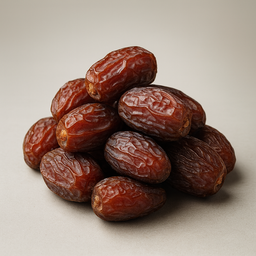 Dates Almonds
 Traditional iftar combination for optimal energy supply
Technical: Dates contain 63g natural sugars per 100g (glucose + fructose) for quick energy. Almonds provide 21g protein, 49g healthy fats and 270mg magnesium per 100g. Fats and proteins slow sugar absorption, magnesium supports energy metabolism.
What does this mean for you? This is the classic Ramadan iftar opening: 3 dates with a handful of almonds. Perfect for restoring blood sugar after fasting without causing a sugar spike.
EnergyBlood SugarMuscle Gain
Dates 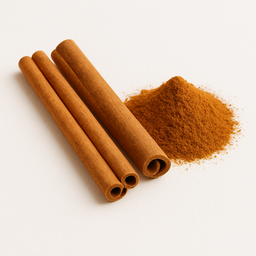 Cinnamon
 Cinnamon dampens the glycemic response of dates
Cinnamon improves glucose metabolism (PMID: 20854384)
Technical: Dates have a high GI (42-55 depending on variety). Cinnamon contains methylhydroxychalcone polymers (MHCP) that activate insulin receptors and stimulate GLUT4 transporters, accelerating glucose uptake into cells. Cinnamon also slows gastric emptying, further dampening the glycemic peak. Together: cinnamon compensates the sugar spike of dates via receptor activation and delayed gastric passage.
What does this mean for you? Fill dates with cinnamon-almond paste, or sprinkle cinnamon on dates as a snack. The cinnamon turns these natural sweets into a more stable energy source. Use Ceylon cinnamon for the best result.
Blood SugarEnergy
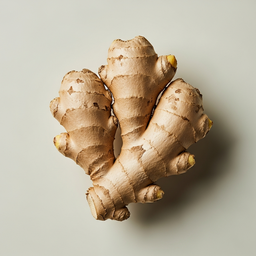 Ground ginger Honey
 Classic combination: warming herbal drink with honey
Technical: Ginger's gingerol modulates COX-2 and has antiemetic action (suppresses nausea via 5-HT3 receptor blockade). Honey's glucose oxidase produces hydrogen peroxide with bioactive action, while honey physically coats and soothes the throat. Together: bioactive modulation + throat protection.
What does this mean for you? Ginger tea with honey is a classic, warming combination. The ginger provides gingerol, the honey a smooth, sweet layer.
Immune System
Honey 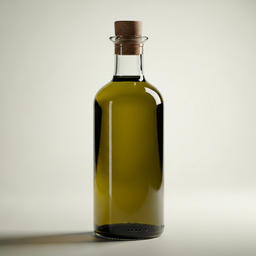 Olive oil
 Dual bioactive action via chrysin + oleocanthal
Technical: Honey contains chrysin and olive oil oleocanthal — bioactive phenolic compounds studied in research in connection with NF-κB and COX signaling. Together they provide plant compounds through two independent routes.
What does this mean for you? A dressing of honey and olive oil is not just tasty — the chrysin and oleocanthal work through two different routes in your body.
Anti-inflammatoryHeartJoints
Cinnamon Honey Traditional warm combination of cinnamon and honey
Technical: Cinnamon contains cinnamaldehyde and proanthocyanidins with bioactive action via cell wall disruption. Honey's glucose oxidase produces hydrogen peroxide with bioactive action, while honey's high viscosity forms a physical barrier. Two independent bioactive mechanisms that work more broadly together.
What does this mean for you? Cinnamon + honey in warm tea — a classic combination. Both have bioactive action via different pathways — broader together than alone.
Immune System
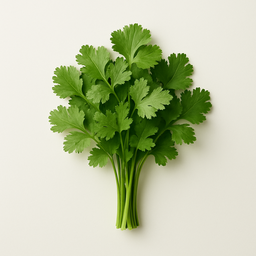 Fresh coriander Turmeric
 Linalool + curcumin for enhanced bioactive action
Technical: Coriander's linalool and coriander oil are studied in relation to lipoxygenase modulation. Turmeric's curcumin modulates NF-κB and COX-2 signal transduction. Together they cover more bioactive signaling pathways than each herb alone.
What does this mean for you? Use coriander and turmeric together in curries and Indian dishes — a traditional combination that is scientifically supported.
Anti-inflammatoryDigestionAntioxidants
Turmeric Ground ginger Enhanced bioactive action via two pathways
Technical: Turmeric and ginger belong to the same plant family (Zingiberaceae). Curcumin (turmeric) modulates NF-kB, while gingerol (ginger) modulates COX-2 and LOX (lipoxygenase). Because they target different signaling pathways, they enhance each other's bioactive action.
What does this mean for you? Turmeric + ginger in curry, soup or tea — two related spices that work bioactively via different pathways. Broader together than alone.
Anti-inflammatoryJoints
Turmeric 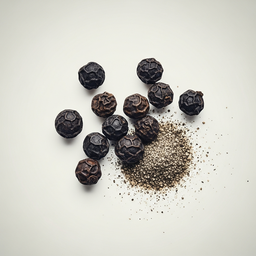 Black pepper
 Increases curcumin absorption by 2000%
Technical: Curcumin from turmeric has bioavailability below 1% due to rapid glucuronidation in the liver. Piperine from black pepper inhibits UGT (UDP-glucuronosyltransferase) and CYP3A4, preventing curcumin breakdown. This increases bioavailability by 2000% (20x). Use ratio ¼ teaspoon pepper to 1 teaspoon turmeric.
What does this mean for you? ALWAYS add black pepper when using turmeric. Without pepper your body absorbs virtually nothing — with pepper 20x more. This is the most important food synergy there is.
Anti-inflammatoryJointsFocus
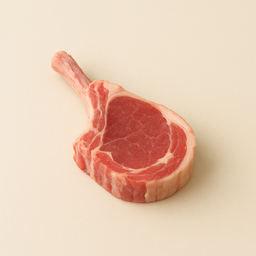 Halal lamb Turmeric
 Turmeric modulates the inflammatory response to red meat
Technical: Red meat contains arachidonic acid that is converted via COX-2 and LOX enzymes into pro-inflammatory eicosanoids (PGE2, leukotrienes). Curcumin modulates NF-κB — the transcription factor regulating COX-2 expression — thereby modulating the inflammatory response to red meat. The fat in lamb serves as a fat-soluble carrier improving curcumin absorption.
What does this mean for you? Add turmeric to lamb dishes — as marinade, in a curry or tagine. The turmeric modulates the mild inflammatory response that red meat can cause. Always add black pepper for 2000% better curcumin absorption.
Anti-inflammatoryGeneral Wellness
Olive oil 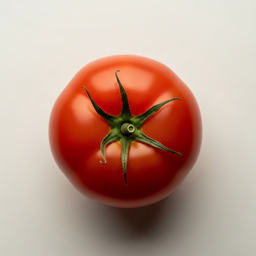 Canned tomatoes
 Mediterranean golden rule: fat increases lycopene absorption 4x
Fat significantly increases lycopene bioavailability (PMID: 15927929)
Technical: Tomatoes contain lycopene (3-7mg per 100g), a carotenoid with strong antioxidant action. Lycopene is fat-soluble with only 10-15% absorption without fat. Olive oil increases this to 40-60% (2.5-4x improvement). Cooking further increases lycopene bioavailability.
What does this mean for you? Always add olive oil to tomato dishes — sauces, salads, bruschetta. This is why Mediterranean cuisine is so healthy. Cooked tomatoes with olive oil = maximum lycopene.
HeartSkin & Hair
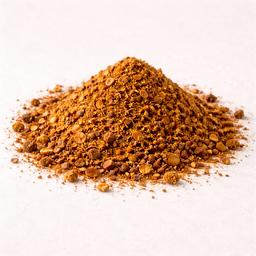 Ras el hanout Olive oil
 Fat increases absorption of fat-soluble spices in the mix
Technical: Ras el hanout contains up to 30 spices including turmeric (curcumin), ginger (gingerol), cinnamon (cinnamaldehyde) and nutmeg (myristicin) — all fat-soluble. Frying in olive oil extracts these bioactive compounds from the spices and dissolves them in fat, increasing bioavailability of all components.
What does this mean for you? Briefly fry ras el hanout in olive oil as the first step of your dish. The fat activates all fat-soluble spices in the mix — that's why every North African cook starts this way.
Anti-inflammatoryDigestionHeart
Ras el hanout Canned tomatoes Spice mix stimulates gut absorption of lycopene and vitamins
Technical: Ras el hanout contains piperine (from black pepper) that inhibits P-glycoprotein and increases intestinal permeability for nutrients. Capsaicin (from chili pepper) enlarges the absorption surface via TRPV1 activation. Tomato's lycopene (3-7mg/100g) and vitamin C (14mg) are better absorbed as a result. In tagine (slow-cooked) lycopene from tomato is also thermally released, doubling bioavailability.
What does this mean for you? Moroccan tagine with tomato and ras el hanout is one of the most optimized dishes for nutrient absorption. Slow cooking maximizes extraction of active compounds from both spices and tomato.
HeartSkin & Hair
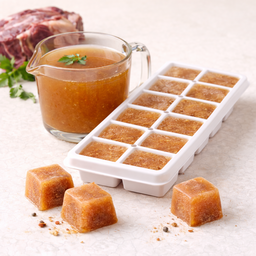 Halal beef broth Turmeric
 Collagen + curcumin for joint support
Technical: Beef broth is rich in type II collagen supporting joint cartilage, plus glycine and proline for connective tissue. Curcumin from turmeric modulates NF-kB and COX-2 — two signaling pathways involved in joint processes. The fat in broth increases curcumin absorption. Together: cartilage building blocks + bioactive support.
What does this mean for you? Add turmeric to your beef broth for joint support. The broth provides building material for your joints, the curcumin provides bioactive support — and the fat helps absorption.
JointsAnti-inflammatoryMuscle Gain
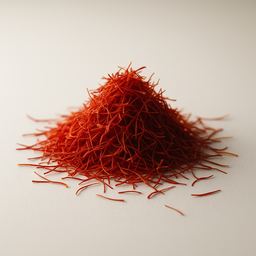 Saffron Almonds
 Fats increase absorption of saffron's carotenoids up to 5x
Technical: Crocin and other carotenoids in saffron are fat-soluble. Almonds contain 50g healthy fats per 100g that stimulate micelle formation in the gut. This increases bioavailability of crocin by 3-5x. Traditional in Persian and Indian desserts.
What does this mean for you? Combine saffron with almonds in rice pudding, halwa or golden almond milk. The nuts not only increase nutrient absorption but also complement the delicate flavor.
Stress ReliefFocus
 Onions Canned tomatoes
 Quercetin + lycopene: synergistic polyphenol-carotenoid combination
Technical: Quercetin from onion (20-40mg/100g) and lycopene from tomato (2573μg/100g) work through different mechanisms. Quercetin chelates metal ions and modulates lipid peroxidation, lycopene quenches singlet oxygen. Combined polyphenols and carotenoids work synergistically — the combination works through complementary mechanisms.
What does this mean for you? Tomato sauce with onion is the base of nearly every Mediterranean cuisine — and rightly so. Quercetin and lycopene enhance each other's action through complementary biochemical pathways. Cooking in olive oil makes carotenoids more absorbable.
HeartAnti-inflammatory
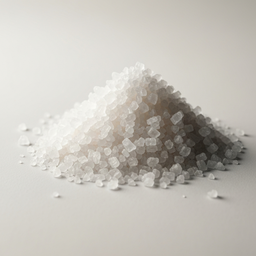 Sea salt Canned tomatoes
 Minerals improve flavor perception and electrolyte balance
Technical: Sea salt contains trace minerals (magnesium, potassium, calcium) besides sodium. Tomato is rich in potassium (237mg/100g) and lycopene. Avocado adds magnesium (29mg) and potassium (485mg). Together they form a broad electrolyte profile: sodium (salt) + potassium (tomato/avocado) + magnesium (avocado) — essential for fluid balance and nerve function.
What does this mean for you? Sprinkle tomato and avocado with a pinch of sea salt. This is more than flavor — the minerals complement each other for a complete electrolyte balance.
HeartEnergy
Sea salt Olive oil Minerals + polyphenols for cellular balance
Technical: Sea salt's sodium is essential for the sodium-potassium pump (Na+/K+-ATPase) that regulates every body cell. Olive oil's oleuropein and hydroxytyrosol provide antioxidant protection for cell membranes. The combination supports cell integrity: sea salt regulates ion balance, olive oil protects the membrane. In Mediterranean cuisine, coarse sea salt + olive oil is the most basic flavor profile.
What does this mean for you? Freshly ground sea salt with extra virgin olive oil is the simplest and most nutritious finishing of any dish. The combination provides the basic needs of your cells: minerals for function, polyphenols for protection.
HeartGeneral Wellness
Black pepper Olive oil Fat increases piperine absorption and enhances polyphenols
Technical: Piperine is fat-soluble and absorbed 2-3x better with dietary fat. Olive oil's oleocanthal and piperine both modulate COX signal transduction through different mechanisms, providing additive bioactive effect.
What does this mean for you? Grind fresh pepper over salads with olive oil dressing. The combination enhances both pepper absorption and bioactive action.
Anti-inflammatoryHeartDigestion
Ingredients (18)
- Halal lamb — 600 g cut into 3 cm cubes
-
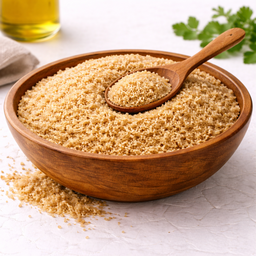 Whole wheat couscous — 200 g
 - Dates — 120 g pitted and halved
- Almonds — 80 g toasted
Instructions
- 1 Pat the lamb dry with kitchen paper and season with sea salt, black pepper, ras el hanout and turmeric.
- 2 Heat the olive oil in a large Dutch oven over high heat. Brown the lamb in two batches on all sides, 3-4 minutes per batch. Remove the meat and set aside.
Nutrition per serving
Indicative values per serving.
Timing & Suitability
Shelf life: 3 days in fridge
Tags & Diet
Allergens: Nuts, Gluten, Dairy