- Easy
- 50 min
- 4 serv.
- 12 synergies
- Now at its best: Onion
A fragrant Moroccan stew with chickpeas, tomato passata, soft apricots, ras el hanout and toasted almonds. Savory, spiced and gently sweet, ideal as a filling lunch or dinner.
This stew has exactly the warm depth you expect from Moroccan cooking. The onions soften and turn sweet in olive oil before ras el hanout and cinnamon release their aroma. Chickpeas soak up the tomato sauce, apricots become tender and add gentle sweetness, and toasted almonds bring a crunchy, nutty finish. The result is a colorful pot full of contrast: creamy and hearty from the chickpeas, bright from the tomato, warm from the spices and rich from the almonds.
- 15
- min prep
- 35
- min cook
- 50
- min total
Nutritional Synergies
This recipe combines ingredients that enhance each other:
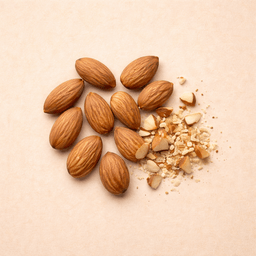 Almonds
 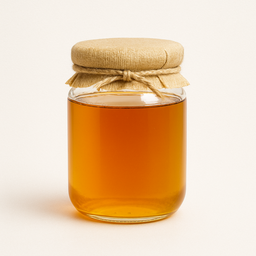 Honey
Honey Vitamin E + flavonoids for enhanced antioxidant protection
Technical: Almonds are rich in alpha-tocopherol (vitamin E), a fat-soluble antioxidant. Honey's flavonoids (chrysin, pinocembrin) are water-soluble antioxidants. Together they provide protection in both lipid and aqueous compartments of cells.
What does this mean for you? Almonds with a bit of honey is not just a classic snack, but gives your cells double antioxidant protection — in fat and water.
Anti-inflammatorySkin & HairImmune System
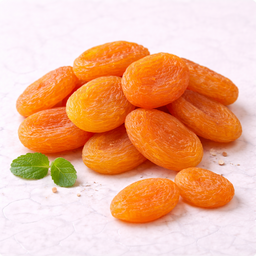 Dried apricots Almonds
 Vitamin E + fats increase beta-carotene absorption by 400%
Technical: Dried apricots contain 1,090μg beta-carotene per 100g (concentrated by drying), converted to vitamin A via BCO1 enzyme in enterocytes. Almonds provide 25.6mg vitamin E per 100g (171% RDI) and 49g fat. Beta-carotene is fat-soluble requiring micelle formation for absorption. Studies show fat consumption (>10g per meal) increases carotene bioavailability by 300-500%. Vitamin E protects beta-carotene from gastric oxidation.
What does this mean for you? Eat 3-4 dried apricots with a handful of almonds as snack. You absorb 4x more beta-carotene (provitamin A) for eyes, skin and immune system.
Skin & HairImmune SystemGeneral Wellness
Honey 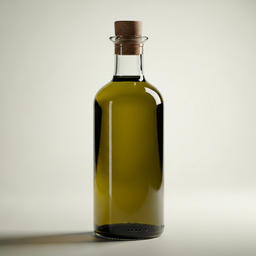 Olive oil
 Dual bioactive action via chrysin + oleocanthal
Technical: Honey contains chrysin and olive oil oleocanthal — bioactive phenolic compounds studied in research in connection with NF-κB and COX signaling. Together they provide plant compounds through two independent routes.
What does this mean for you? A dressing of honey and olive oil is not just tasty — the chrysin and oleocanthal work through two different routes in your body.
Anti-inflammatoryHeartJoints
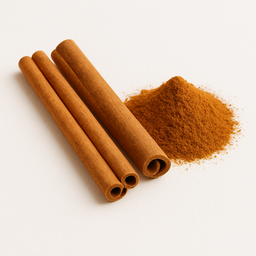 Cinnamon Honey
 Traditional warm combination of cinnamon and honey
Technical: Cinnamon contains cinnamaldehyde and proanthocyanidins with bioactive action via cell wall disruption. Honey's glucose oxidase produces hydrogen peroxide with bioactive action, while honey's high viscosity forms a physical barrier. Two independent bioactive mechanisms that work more broadly together.
What does this mean for you? Cinnamon + honey in warm tea — a classic combination. Both have bioactive action via different pathways — broader together than alone.
Immune System
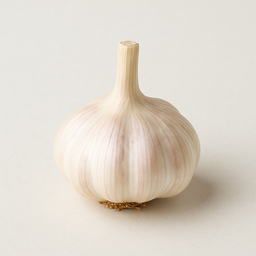 Garlic Honey
 Fermented: allicin + bee defensin in traditional condiment
Technical: Raw garlic contains alliin converted by alliinase to allicin — an organosulfur compound with bioactive properties — when cut. Raw honey contains hydrogen peroxide, bee defensin-1 and methylglyoxal. Fermenting garlic in honey increases bioavailability of S-allylcysteine (SAC), a more stable bioactive metabolite.
What does this mean for you? Submerge raw garlic cloves in raw honey and ferment for 2-4 weeks. You get a traditional condiment with concentrated bioactive compounds — an ancient fermentation technique that increases bioavailability.
Immune System
Olive oil Garlic Aglio e olio: allicin + oleocanthal via complementary biochemical pathways
Technical: Garlic contains allicin (formed when cutting/crushing) that influences HMG-CoA reductase (involved in lipid metabolism). Olive oil contains oleocanthal that modulates COX-1/2 enzymes. Together they influence lipid metabolism and prostaglandin cascade via complementary biochemical pathways. The fat also helps absorb fat-soluble garlic compounds.
What does this mean for you? Gently warm garlic in olive oil (don't burn!) as the base for many dishes. This is why 'aglio e olio' pasta is so beloved — two bioactive compounds that reinforce each other.
HeartImmune System
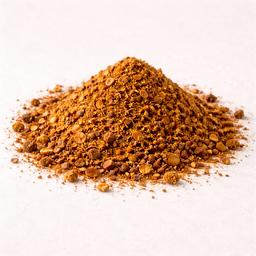 Ras el hanout Olive oil
 Fat increases absorption of fat-soluble spices in the mix
Technical: Ras el hanout contains up to 30 spices including turmeric (curcumin), ginger (gingerol), cinnamon (cinnamaldehyde) and nutmeg (myristicin) — all fat-soluble. Frying in olive oil extracts these bioactive compounds from the spices and dissolves them in fat, increasing bioavailability of all components.
What does this mean for you? Briefly fry ras el hanout in olive oil as the first step of your dish. The fat activates all fat-soluble spices in the mix — that's why every North African cook starts this way.
Anti-inflammatoryDigestionHeart
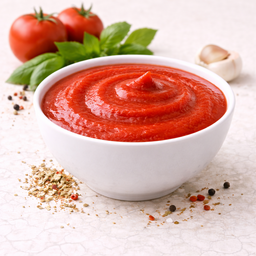 Tomato passata Olive oil
 Heated + fats = 5x more lycopene absorption
Technical: Tomato passata is already heated, releasing lycopene from cell walls in cis-form (better absorbable than trans-lycopene in raw tomato). Olive oil fats create micelles transporting this released lycopene through the gut wall. Basil adds eugenol (COX-2 inhibitor). Absorption increases up to 5x.
What does this mean for you? Make pasta sauce with tomato passata, olive oil and basil. You absorb up to 5x more lycopene than from raw tomato — great for your heart and skin.
HeartSkin & Hair
Tomato passata 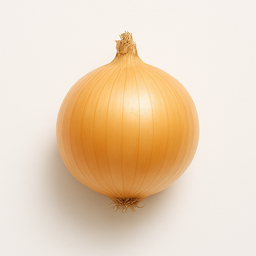 Onions
 Lycopene + quercetin for broad-spectrum antioxidant protection
Technical: Tomato passata contains bioavailable lycopene (12-15mg/100g) from the cooking process. Onion's quercetin (20mg/100g) is a flavonoid that works complementarily to lycopene: lycopene neutralizes singlet oxygen (lipid phase), quercetin scavenges hydroxyl radicals and superoxide (aqueous phase). Together they cover the complete antioxidant spectrum. Onion's sulfur compounds also support Phase II biotransformation enzymes that process lycopene metabolites.
What does this mean for you? Passata with sauteed onion is the base of Italian cuisine (sugo). It's a top antioxidant duo you can eat daily — simple, affordable and effective.
HeartSkin & HairAnti-inflammatory
Onions Garlic More than 20 organosulfur compounds in one soffritto
Technical: Onion contains diallyl disulfide and quercetin (20-40mg/100g). Garlic contains allicin, ajoene and S-allylcysteine. Together they provide more than 20 different organosulfur compounds that modulate NF-κB. Allium crops are intensively studied in nutrition science for their unique sulfur chemistry.
What does this mean for you? Start every dish with sautéed onion and garlic — not just for flavor, but for the unique concentration of organosulfur compounds. Cut garlic 10 minutes before heating to allow allicin formation.
DigestionImmune System
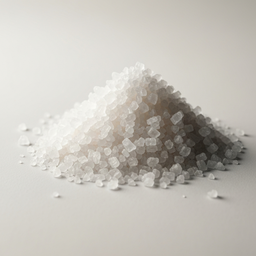 Sea salt Olive oil
 Minerals + polyphenols for cellular balance
Technical: Sea salt's sodium is essential for the sodium-potassium pump (Na+/K+-ATPase) that regulates every body cell. Olive oil's oleuropein and hydroxytyrosol provide antioxidant protection for cell membranes. The combination supports cell integrity: sea salt regulates ion balance, olive oil protects the membrane. In Mediterranean cuisine, coarse sea salt + olive oil is the most basic flavor profile.
What does this mean for you? Freshly ground sea salt with extra virgin olive oil is the simplest and most nutritious finishing of any dish. The combination provides the basic needs of your cells: minerals for function, polyphenols for protection.
HeartGeneral Wellness
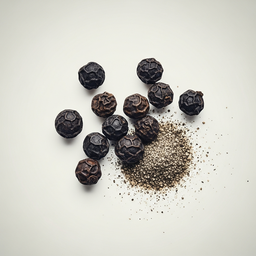 Black pepper Olive oil
 Fat increases piperine absorption and enhances polyphenols
Technical: Piperine is fat-soluble and absorbed 2-3x better with dietary fat. Olive oil's oleocanthal and piperine both modulate COX signal transduction through different mechanisms, providing additive bioactive effect.
What does this mean for you? Grind fresh pepper over salads with olive oil dressing. The combination enhances both pepper absorption and bioactive action.
Anti-inflammatoryHeartDigestion
Ingredients (14)
-
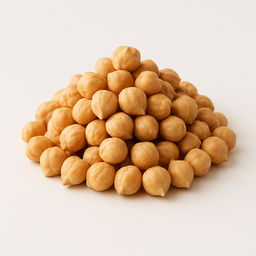 Chickpeas — 400 g canned, rinsed and drained
 - Almonds — 60 g whole, blanched
- Dried apricots — 80 g halved
Instructions
- 1 Dry-toast the almonds in a pan over medium heat until lightly golden. Remove from the pan and set aside.
- 2 Heat the olive oil in a stew pot. Sauté the onion for 5 minutes until soft and lightly golden.
Nutrition per serving
Indicative values per serving.
Timing & Suitability
Shelf life: 4 days in fridge
Tags & Diet
Allergens: Nuts