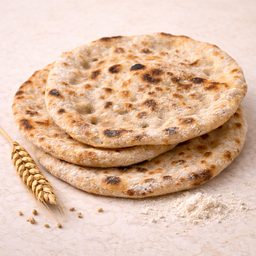
Sourdough Flatbread
Fermented Artisanal Bread
What is this ingredient?
Sourdough flatbread combines two ancient food technologies: sourdough fermentation and flatbread baking. The slow fermentation (12-24 hours) by lactic acid bacteria (Lactobacillus) and wild yeasts makes the bread fundamentally different from bread with baker's yeast.
## Phytic Acid Reduction
Grains contain phytic acid that binds minerals like iron, zinc and calcium, making them unabsorbable. The sourdough process breaks down 60-70% of phytic acid through phytase activity, significantly improving mineral absorption.
## Gluten Breakdown
The lactic acid bacteria in sourdough partially break down gluten proteins. This makes sourdough bread more digestible for people with mild gluten sensitivity (NOT suitable for celiac disease).
## Prebiotic Effect
The fermentation produces exopolysaccharides that act as prebiotics and feed beneficial gut bacteria.
How does it taste?
Mildly tangy and complex with a crispy crust and airy crumb.
Pairs well with:
Pairs well with za'atarolive oillabnehgrilled vegetables and hummus.
Did you know...?
- Sourdough is the oldest form of leavening bread, used in ancient Egypt around 1,500 BCE.
- A sourdough starter can last for decades if it is regularly fed.
Nutritional Value & Energy
Per 100g
Sourdough Flatbread provides energy thanks to natural nutrients , buffered by fiber.
Per 100g
Minerals
Vitamins
More nutrients
Trace Minerals
Low GI means blood sugar doesn't spike quickly.
What's in a serving?
1 serving (dry)
Sourdough Flatbread naturally contains iron (2.5 mg per 100 g).
Sourdough Flatbread naturally contains zinc (1.5 mg per 100 g).
Sourdough Flatbread naturally contains selenium (22 mcg per 100 g).
% of daily reference intake (DRI)
EU-approved nutrition claims
This ingredient contains nutrients for which EFSA-authorized health claims exist (at nutrient level, not ingredient-specific).
Approved health claims (EU)
Zinc EU 432/2012
Zinc contributes to the normal function of the immune system
Contains 1.5mg/100g (threshold: ≥1.5mg/100g)
Zinc EU 432/2012
Zinc contributes to the maintenance of normal skin
Contains 1.5mg/100g (threshold: ≥1.5mg/100g)
Iron EU 432/2012
Iron contributes to normal energy-yielding metabolism
Contains 2.5mg/100g (threshold: ≥2.1mg/100g)
Iron EU 432/2012
Iron contributes to the reduction of tiredness and fatigue
Contains 2.5mg/100g (threshold: ≥2.1mg/100g)
Iron EU 432/2012
Iron contributes to normal cognitive function
Contains 2.5mg/100g (threshold: ≥2.1mg/100g)
Iron EU 432/2012
Iron contributes to normal formation of red blood cells and haemoglobin
Contains 2.5mg/100g (threshold: ≥2.1mg/100g)
Iron EU 432/2012
Iron contributes to normal oxygen transport in the body
Contains 2.5mg/100g (threshold: ≥2.1mg/100g)
Iron EU 432/2012
Iron contributes to the normal function of the immune system
Contains 2.5mg/100g (threshold: ≥2.1mg/100g)
Iron EU 432/2012
Iron has a role in the process of cell division
Contains 2.5mg/100g (threshold: ≥2.1mg/100g)
Zinc EU 432/2012
Zinc contributes to normal acid-base metabolism
Contains 1.5mg/100g (threshold: ≥1.5mg/100g)
Zinc EU 432/2012
Zinc contributes to normal carbohydrate metabolism
Contains 1.5mg/100g (threshold: ≥1.5mg/100g)
Zinc EU 432/2012
Zinc contributes to normal cognitive function
Contains 1.5mg/100g (threshold: ≥1.5mg/100g)
Zinc EU 432/2012
Zinc contributes to normal DNA synthesis
Contains 1.5mg/100g (threshold: ≥1.5mg/100g)
Zinc EU 432/2012
Zinc contributes to normal fertility and reproduction
Contains 1.5mg/100g (threshold: ≥1.5mg/100g)
Zinc EU 432/2012
Zinc contributes to normal macronutrient metabolism
Contains 1.5mg/100g (threshold: ≥1.5mg/100g)
Zinc EU 432/2012
Zinc contributes to normal metabolism of fatty acids
Contains 1.5mg/100g (threshold: ≥1.5mg/100g)
Zinc EU 432/2012
Zinc contributes to normal metabolism of vitamin A
Contains 1.5mg/100g (threshold: ≥1.5mg/100g)
Zinc EU 432/2012
Zinc contributes to normal protein synthesis
Contains 1.5mg/100g (threshold: ≥1.5mg/100g)
Zinc EU 432/2012
Zinc contributes to the maintenance of normal bones
Contains 1.5mg/100g (threshold: ≥1.5mg/100g)
Zinc EU 432/2012
Zinc contributes to the maintenance of normal hair
Contains 1.5mg/100g (threshold: ≥1.5mg/100g)
Zinc EU 432/2012
Zinc contributes to the maintenance of normal nails
Contains 1.5mg/100g (threshold: ≥1.5mg/100g)
Zinc EU 432/2012
Zinc contributes to the maintenance of normal testosterone levels in the blood
Contains 1.5mg/100g (threshold: ≥1.5mg/100g)
Zinc EU 432/2012
Zinc contributes to the maintenance of normal vision
Contains 1.5mg/100g (threshold: ≥1.5mg/100g)
Zinc EU 432/2012
Zinc contributes to the protection of cells from oxidative stress
Contains 1.5mg/100g (threshold: ≥1.5mg/100g)
Zinc EU 432/2012
Zinc has a role in the process of cell division
Contains 1.5mg/100g (threshold: ≥1.5mg/100g)
Selenium EU 432/2012
Selenium contributes to the maintenance of normal hair
Contains 22mcg/100g (threshold: ≥8.25mcg/100g)
Selenium EU 432/2012
Selenium contributes to the maintenance of normal nails
Contains 22mcg/100g (threshold: ≥8.25mcg/100g)
Selenium EU 432/2012
Selenium contributes to the normal function of the immune system
Contains 22mcg/100g (threshold: ≥8.25mcg/100g)
Selenium EU 432/2012
Selenium contributes to normal thyroid function
Contains 22mcg/100g (threshold: ≥8.25mcg/100g)
Selenium EU 432/2012
Selenium contributes to normal spermatogenesis
Contains 22mcg/100g (threshold: ≥8.25mcg/100g)
Selenium EU 432/2012
Selenium contributes to the protection of cells from oxidative stress
Contains 22mcg/100g (threshold: ≥8.25mcg/100g)
What's being researched?
Sourdough and digestibility
The fermentation process of sourdough and its effects on phytic acid degradation and gluten digestibility are being studied. Studies suggest improved mineral absorption and reduced gastrointestinal complaints in some individuals.
Supported by: [2] Stamataki NS (2017) , [1] Liljeberg (1995)
Sourdough and glycemic response
The lower glycemic response of sourdough bread compared to conventional bread is being studied. Organic acids produced during fermentation delay gastric emptying, which is associated with a moderated glucose peak.
Supported by: [1] Liljeberg (1995) , [2] Stamataki NS (2017) , [3] Maioli M (2008)
Good Combinations (Synergy)
Combine sourdough flatbread smartly to enhance the effect:
Sourdough Flatbread 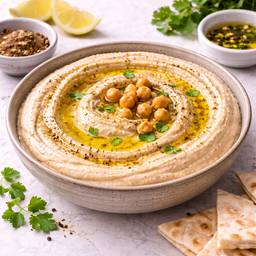 Hummus
 Fermented grain + legume protein for complete amino acid profile
Technical: Sourdough fermentation reduces phytic acid by 50-70%, making minerals (iron 3.6mg, zinc 2.5mg) more bioavailable. Hummus (chickpeas) provides lysine that grains lack, while the bread supplies methionine that legumes lack — together forming a complete protein profile (PDCAAS ~0.9). Lactobacilli from sourdough also improve digestion of legume fibers.
What does this mean for you? Sourdough flatbread with hummus is an ancient Middle Eastern combination that's scientifically optimal. The fermented bread makes minerals from hummus more absorbable.
Sourdough Flatbread  Olive Oil
 Fermentation metabolites + polyphenols for microbiome support
Technical: Sourdough fermentation produces organic acids (lactic acid, acetic acid) that act as prebiotics and lower gut pH for better mineral absorption. Olive oil contains oleocanthal and hydroxytyrosol (polyphenols) that modulate NF-kB signaling. The combination supports the gut microbiome via fermentation metabolites + polyphenolic nutrition.
What does this mean for you? Sourdough bread with olive oil is a Mediterranean tradition with proven nutritional benefits. The fermentation in the bread supports your gut microbiome, the polyphenols in the olive oil do so as well.
Sourdough Flatbread 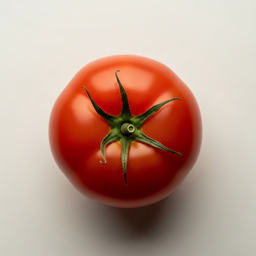 Tomato
 Reduced phytic acid enhances lycopene and mineral absorption
Technical: Sourdough fermentation activates phytase enzymes that break down phytic acid — the main anti-nutrient in grains that blocks mineral absorption. With significantly less phytate, iron and zinc from the tomato (vitamin C 14mg, lycopene 3mg) are better absorbed.
What does this mean for you? Sourdough bread with tomato is more nutritious than regular bread with tomato — the fermentation process makes minerals available that phytic acid would otherwise block.
Recipes with Sourdough Flatbread
Discover delicious recipes featuring sourdough flatbread:
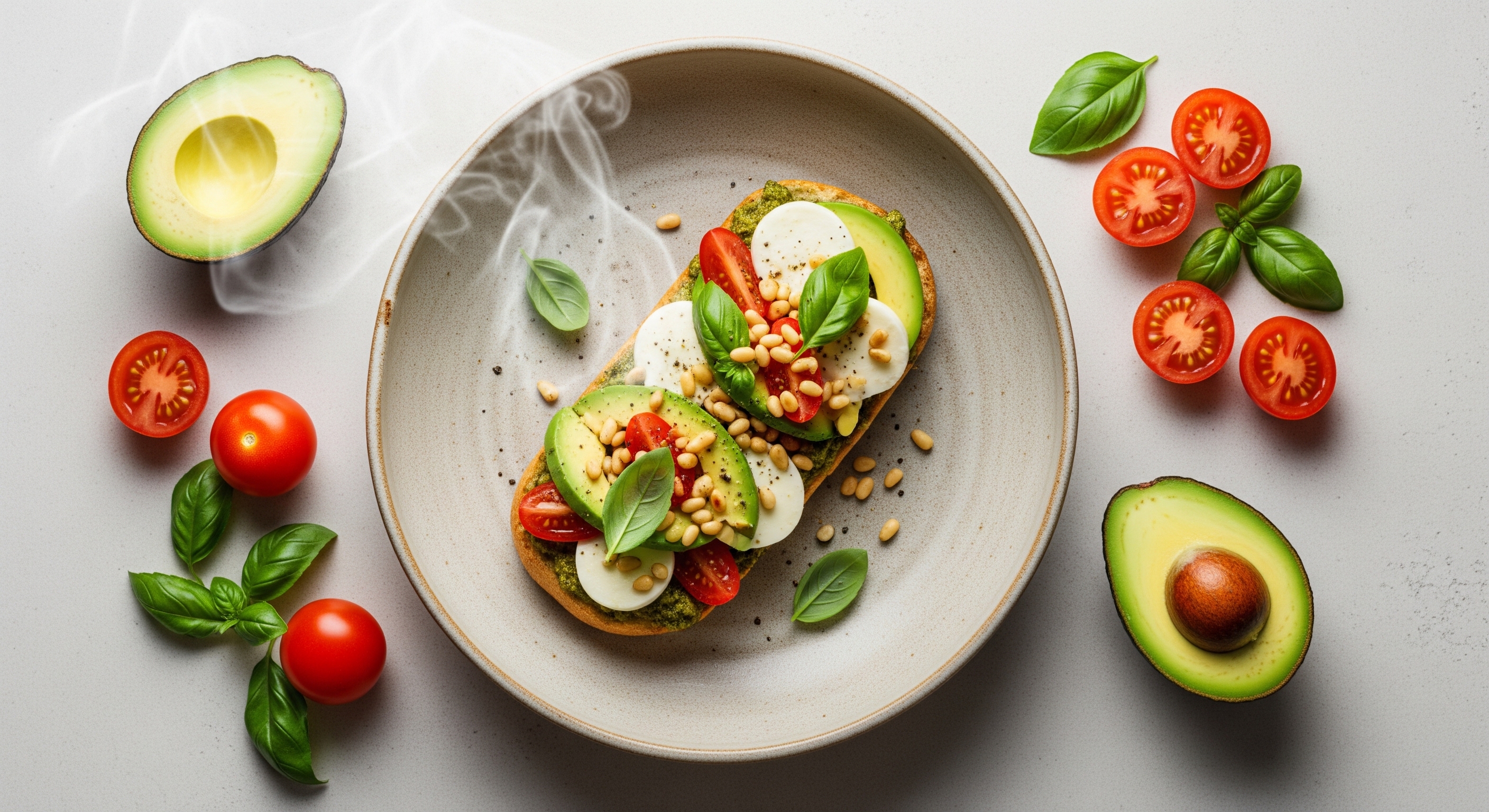 Caprese Pesto Panini with Avocado & Pine Nuts 18 min Warm panini with mozzarella, pesto and avocado
  688 kcal
  24g protein 2 synergies
 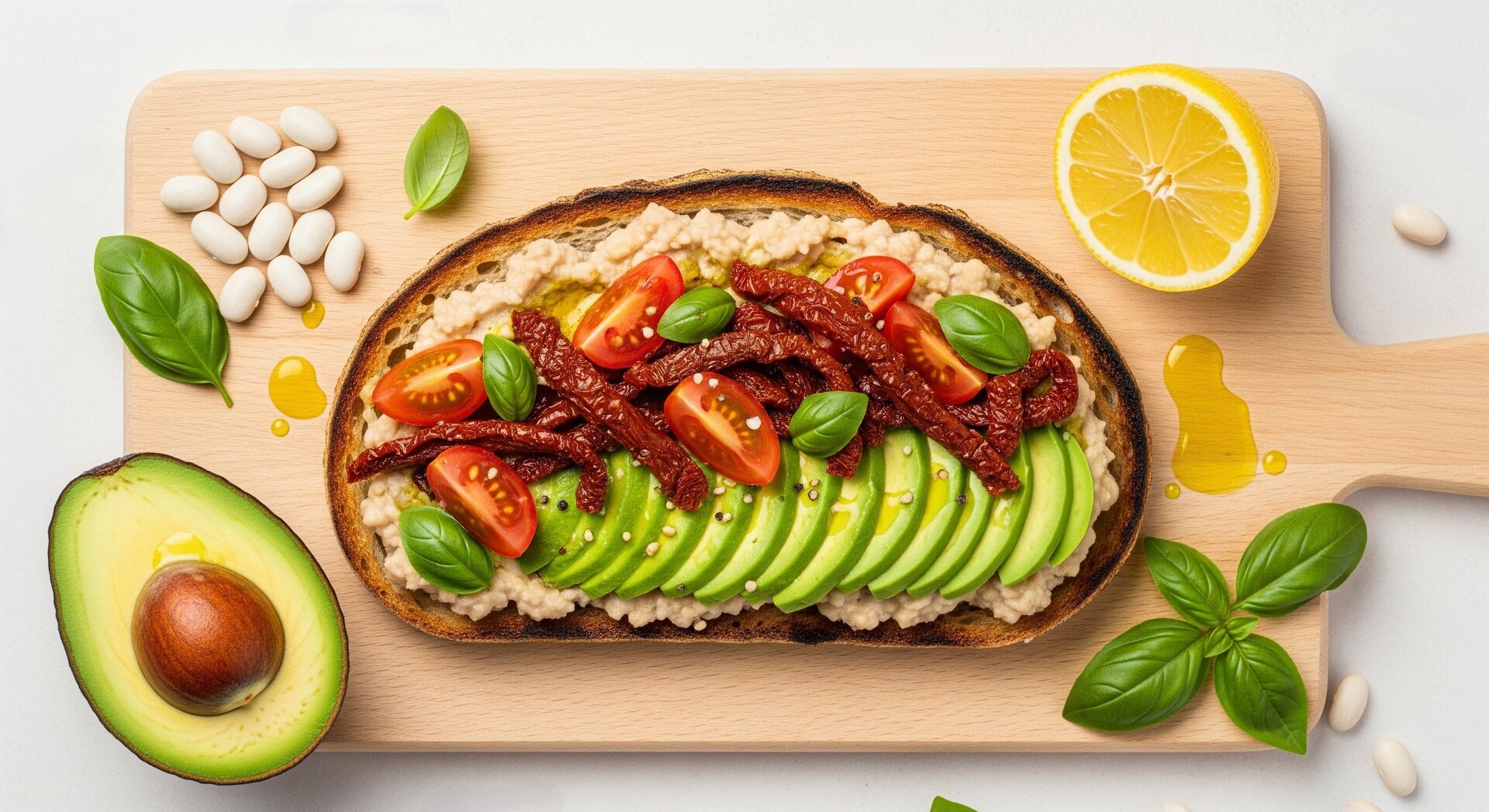 Mediterranean Avocado Toast with White Beans 13 min Mashed white beans with avocado on sourdough 485 kcal 18g protein 1 synergies
 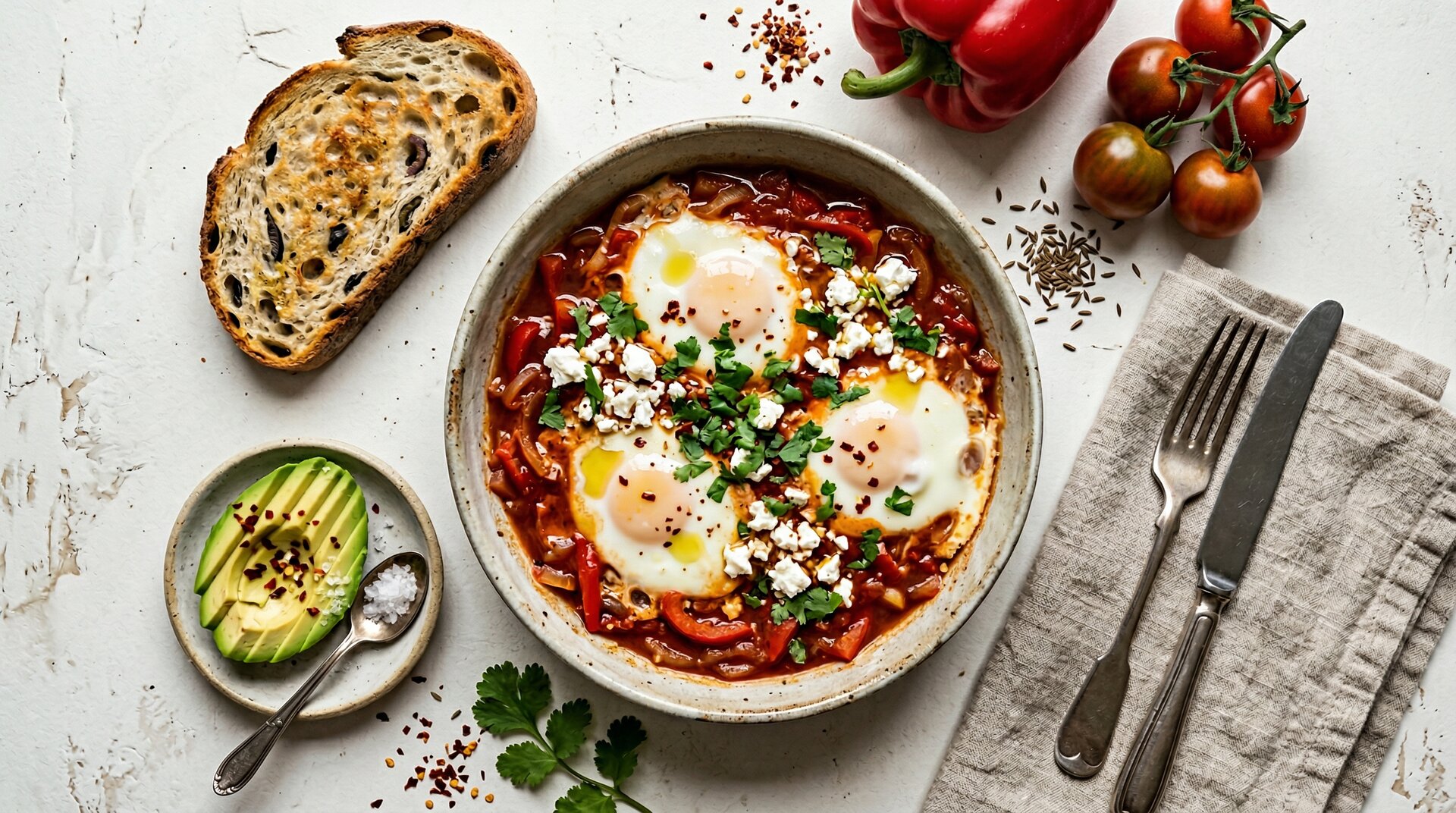 Shakshuka with Avocado, Feta & Olive Oil Bread 35 min Spiced shakshuka with creamy avocado, salty feta and crispy olive oil bread 742 kcal 33g protein 2 synergies
 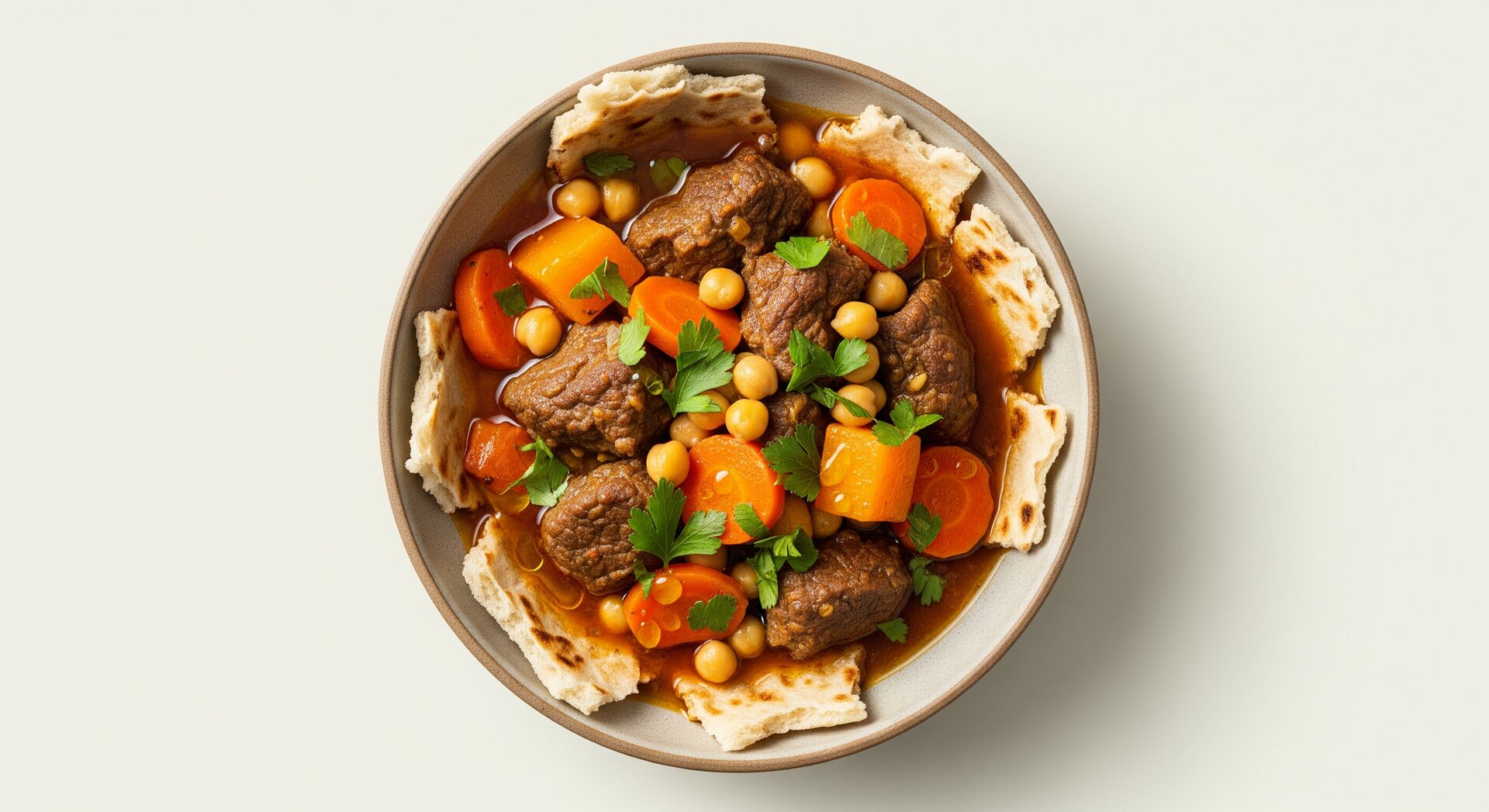 Tharid 70 min The beloved dish of the Prophet ﷺ 520 kcal 38g protein 3 synergies
  In the Kitchen
Storage
Location:Pantry
Shelf life:3-5 dagen bij kamertemperatuur, 2 weken in vriezer
Store in cloth or paper bag (not plastic). Freeze in slices for portioning.
Preparation
Heat on a hot grill pan or in oven at 200°C for 2-3 minutes. Can also use toaster.
Conversions
Substitutes
Smart preparation
1Bake sourdough flatbread in a scorching hot pan without oil.
Why?
High heat gives quick rise and typical bubbles.
2Roll the dough thin and let it rest 20 minutes before baking.
3Store baked flatbread in a tea towel to keep it pliable.
Caution / Warnings
Sourdough Flatbread is very safe, but there are scientific considerations:
Celiac Disease Severe
Sourdough partially reduces gluten but still contains gluten. NOT suitable for celiac patients.
Advice:
Use gluten-free bread or rice cakes as alternative
Traditional use
Mediterranean
Egyptian fermentation tradition
The Egyptians discovered sourdough over 5000 years ago, probably by accident. Fermented bread became the staple food of civilizations around the Mediterranean.
Summary
Sourdough flatbread is the most nutrient-dense bread choice: lower glycemic index (-25% vs yeast bread), 60-70% better absorbable minerals (iron, zinc) and easier to digest. The slow fermentation process breaks down phytic acid and partially gluten. Ideal with Middle Eastern dishes like tharid and hummus.