Brown Rice
Whole-grain rice with bran, germ, and a nutty bite
What is this ingredient?
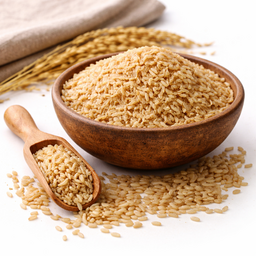
Brown rice keeps the bran and germ, giving it more fiber, magnesium, and manganese than white rice. That also gives it a firmer bite, a nutty flavor, and a longer cooking time than white rice. The fiber-rich bran layer adds more volume to a meal, especially when brown rice is paired with vegetables, legumes, or tofu.
## Research in context
In nutrition research, brown rice is often compared with white rice, especially in studies on glycemic response and whole-grain eating patterns. A meta-analysis by Jayarathne et al. (2021) analyzed 9 RCTs in people with prediabetes or type 2 diabetes and reported differences in fasting glucose values when brown rice replaced white rice. The average glycemic index of brown rice is often reported as lower than that of white rice, though the response depends on portion size, cooking time, rice variety, and the rest of the meal.
Raghav et al. (2022) described in a systematic review the relationship between white and brown rice consumption and type 2 diabetes outcomes in population research. These results are useful context, but they do not make brown rice a medical product; the overall eating pattern and portion size remain important.
## Gamma-oryzanol from the bran
Brown rice contains gamma-oryzanol, a rice-bran compound studied in laboratory and nutrition research. Practically speaking, brown rice works well with legumes, vegetables, herbs, sesame, and soy sauce for a satisfying, flavorful meal.
How does it taste?
Nutty and slightly chewy with a full, earthy flavor.
Pairs well with:
Pairs well with soy saucesesamegingervegetables and tofu.
Did you know...?
- Brown rice is simply rice with its bran and germ layers still intact.
- In Japan, white rice was long seen as more luxurious, while brown rice was more common in everyday meals.
Nutritional Value & Energy
Per 100g
Brown Rice provides energy thanks to natural nutrients .
Per 100g
Minerals
Vitamins
Omega-3 fatty acids
More nutrients
B-Vitamins
Trace Minerals
Low GI means blood sugar doesn't spike quickly.
What's in a serving?
1 serving (dry)
Brown rice naturally contains selenium (9.8 mcg per 100 g).
% of daily reference intake (DRI)
EU-approved nutrition claims
This ingredient contains nutrients for which EFSA-authorized health claims exist (at nutrient level, not ingredient-specific).
Approved health claims (EU)
Selenium EU 432/2012
Selenium contributes to the maintenance of normal hair
Contains 9.8mcg/100g (threshold: ≥8.25mcg/100g)
Selenium EU 432/2012
Selenium contributes to the maintenance of normal nails
Contains 9.8mcg/100g (threshold: ≥8.25mcg/100g)
Selenium EU 432/2012
Selenium contributes to the normal function of the immune system
Contains 9.8mcg/100g (threshold: ≥8.25mcg/100g)
Selenium EU 432/2012
Selenium contributes to normal thyroid function
Contains 9.8mcg/100g (threshold: ≥8.25mcg/100g)
Selenium EU 432/2012
Selenium contributes to normal spermatogenesis
Contains 9.8mcg/100g (threshold: ≥8.25mcg/100g)
Selenium EU 432/2012
Selenium contributes to the protection of cells from oxidative stress
Contains 9.8mcg/100g (threshold: ≥8.25mcg/100g)
What's being researched?
Brown rice and metabolic research outcomes
The relationship between whole-grain rice, white rice, and glycemic markers is widely studied. Cohort and intervention studies compare portions, preparation methods, and combinations with legumes, while individual response still depends on the full meal and lifestyle.
Supported by: [3] Raghav P (2022) , [1] Sun Q (2010) , [2] Jayarathne M (2021) , [6] Slavin J (2004)
Brown rice and lipid profile in nutrition research
Research compares brown and white rice within eating patterns and measures outcomes such as blood lipids. Results are usually interpreted in the broader context of whole-grain foods, fiber intake, portion size, and overall meal quality.
Supported by: [4] Kheiri S (2021) , [6] Slavin J (2004)
Good Combinations (Synergy)
Combine brown rice smartly to enhance the effect:
Brown Rice 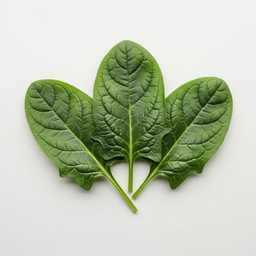 Spinach
 Vitamin C from spinach lifts iron blockade in brown rice
Technical: Brown rice contains 0.8mg iron per 100g (cooked), but also phytic acid that can inhibit iron absorption by 50-80%. Spinach contains 28mg vitamin C per 100g that forms an iron-ascorbate complex, bypassing the phytic acid blockade and restoring iron absorption.
What does this mean for you? Add fresh spinach to your brown rice bowl, or serve with sautéed spinach. The combination is especially important for vegetarians who depend on plant-based iron.
Brown Rice 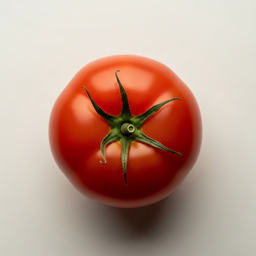 Tomato
 Vitamin C from tomato increases iron absorption from brown rice
Technical: Brown rice contains 0.8mg iron per 100g plus phytic acid. Tomato provides 14mg vitamin C per 100g that reduces Fe³⁺ to Fe²⁺ and bypasses phytate binding.
What does this mean for you? Serve brown rice with tomato sauce or roasted tomatoes. Classic combination in Mediterranean rice dishes.
Brown Rice 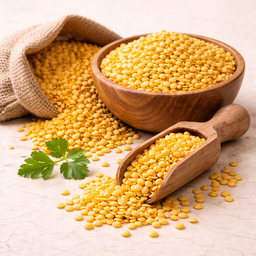 Yellow lentils
 Lentils + rice together form a complete protein profile
Technical: Yellow lentils are rich in lysine but low in methionine, while rice contains plenty of methionine but little lysine. Together they provide all essential amino acids in proper ratios — comparable to animal protein.
What does this mean for you? Dal with rice (khichdi) has been a staple meal in India for thousands of years — and rightly so. It's a complete protein without meat.
Brown Rice 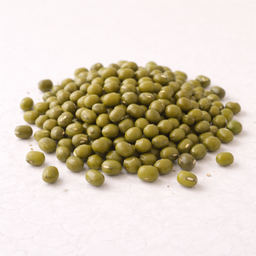 Mung Beans
 Complete protein combination with low glycemic index
Technical: Mung beans are rich in lysine but low in methionine; rice is the opposite. Together they form a complete protein with all 9 essential amino acids. The low GI of mung beans (31) combined with rice results in a lower total glycemic response than rice alone. This is the basis of khichdi, a traditional Indian comfort food.
What does this mean for you? Combine mung beans with rice for a complete protein meal without meat. You get all the amino acids you need. Perfect for vegetarians, athletes, or just as a healthy meal base.
Brown Rice 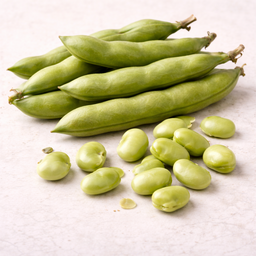 Fava Beans
 Complete protein source through amino acid complementation
Technical: Fava beans are rich in lysine but low in methionine. Rice is the opposite. Together they form complete protein with all 9 essential amino acids.
What does this mean for you? Serve fava beans with rice (classic in Persian and Egyptian cuisine). Vegetarian complete protein source.
Recipes with Brown Rice
Discover delicious recipes featuring brown rice:
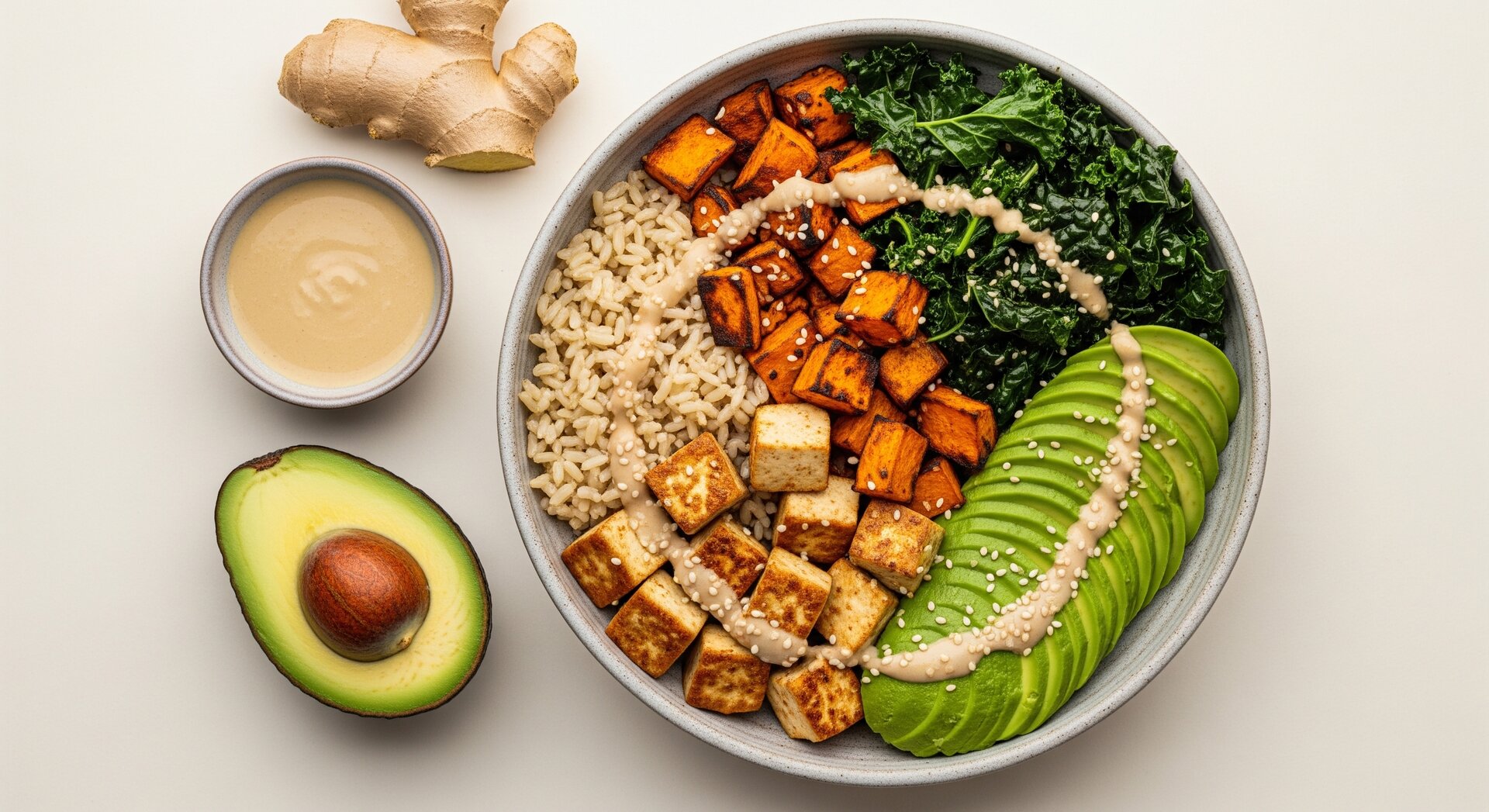 Buddha Bowl with Tofu, Sweet Potato and Kale 50 min Warm bowl with roasted vegetables
  790 kcal
  30g protein 3 synergies
 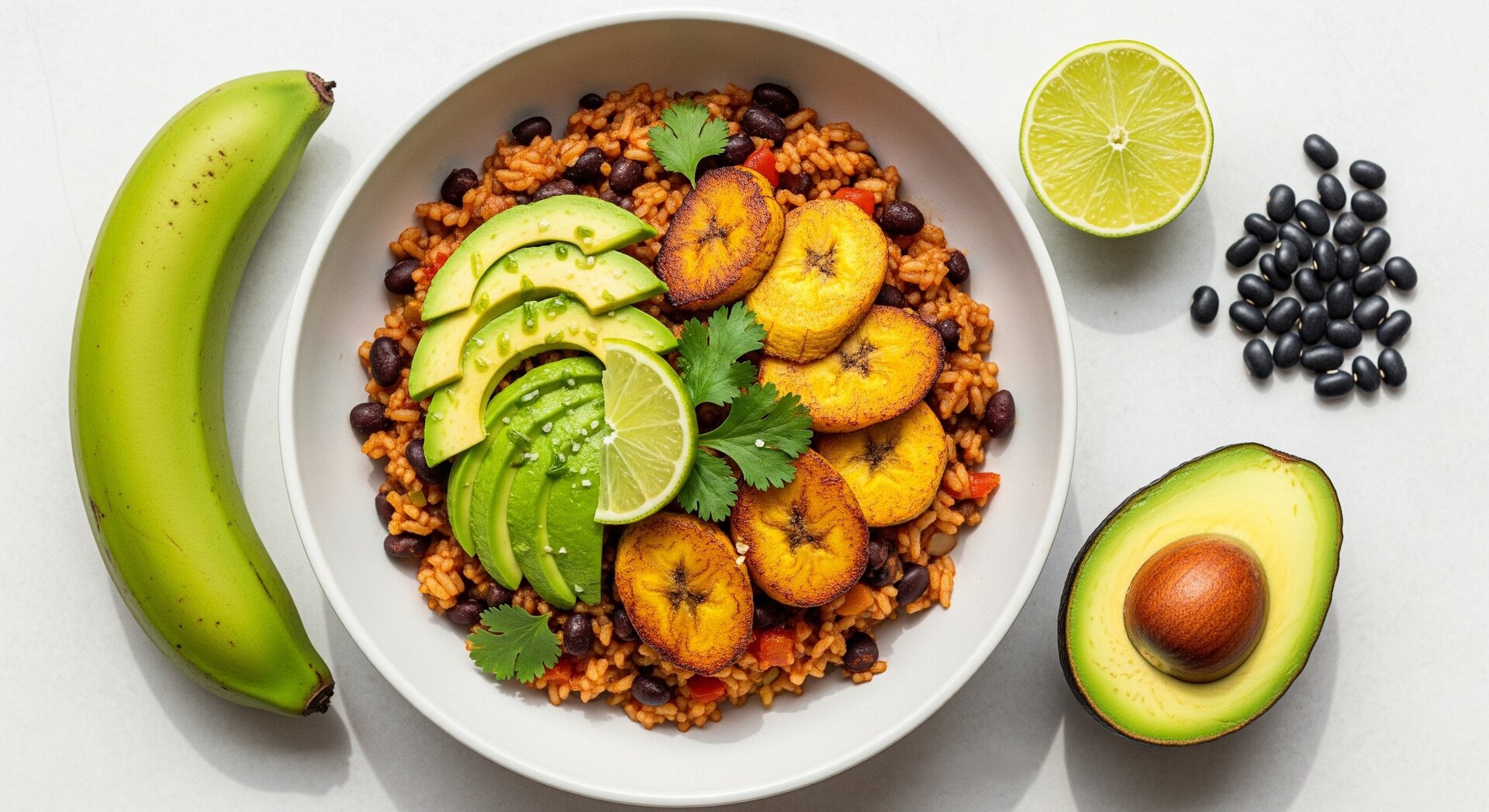 Cuban Moros y Cristianos Bowl 40 min Black beans and rice with sofrito, avocado and plantain 750 kcal 19g protein 2 synergies
 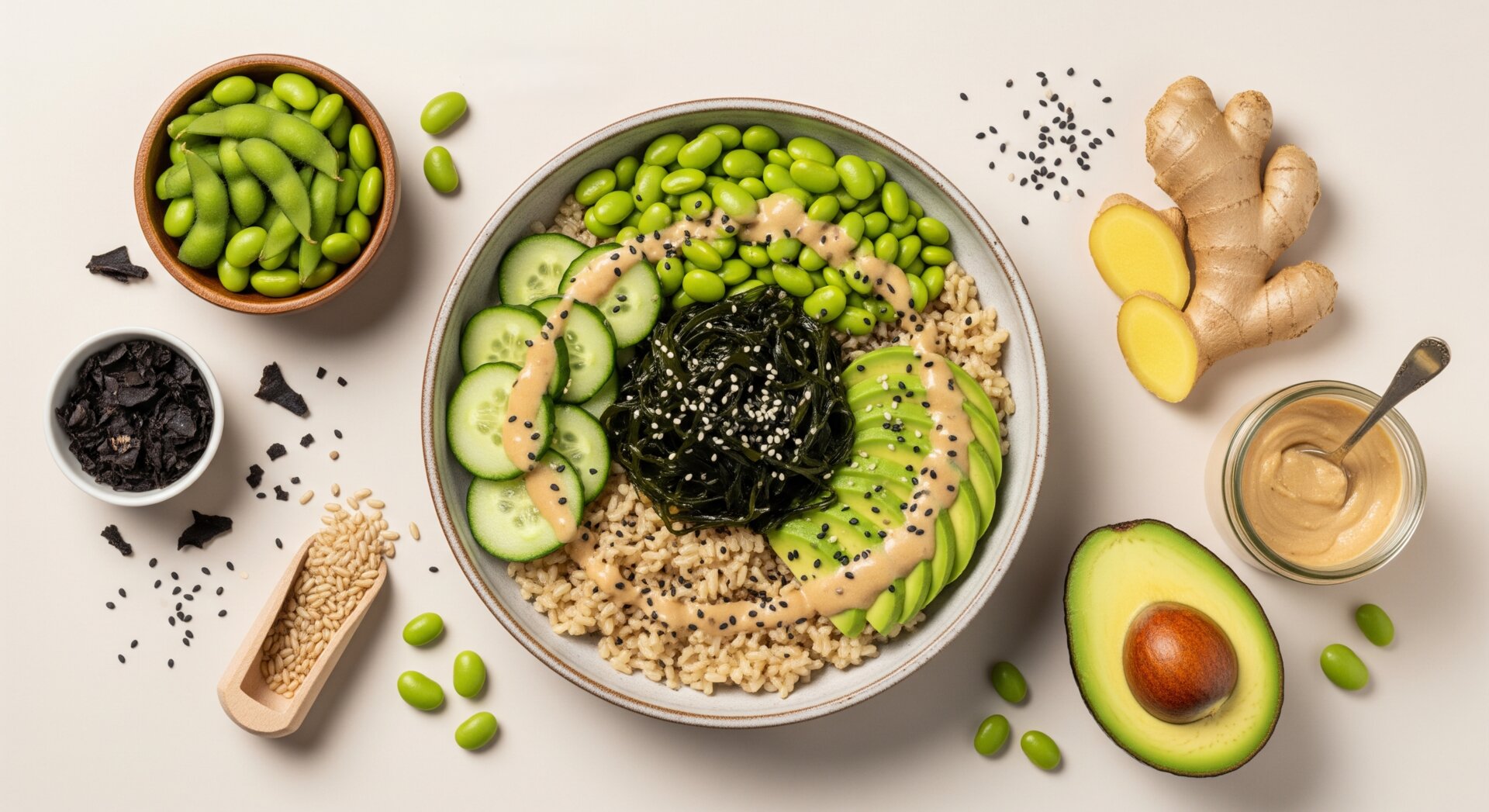 Edamame Seaweed Bowl with Ginger Tahini 15 min Fresh Japanese-style bowl with creamy dressing 445 kcal 16g protein 2 synergies
 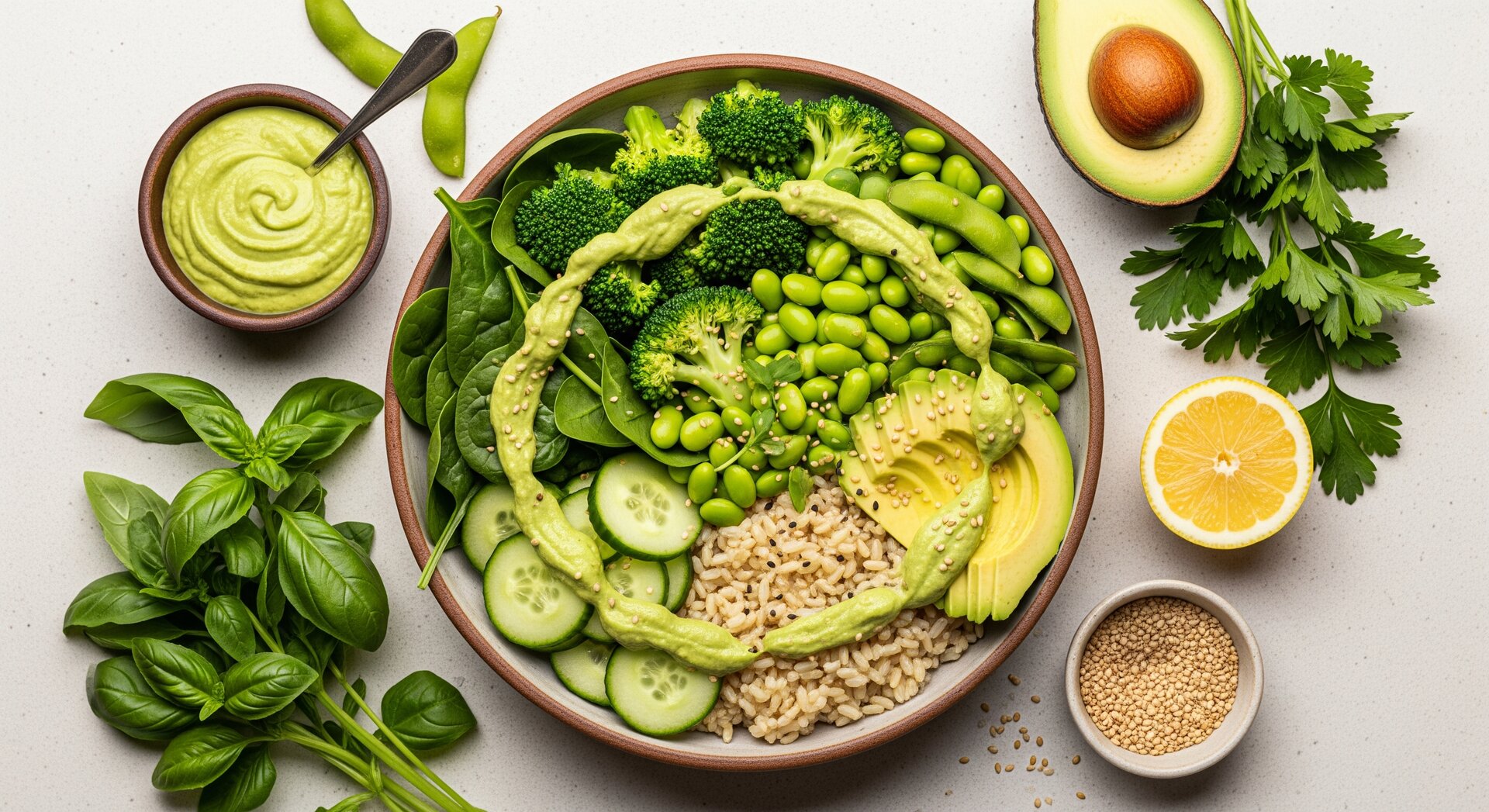 Green Power Bowl 35 min Fresh green bowl with herb dressing 480 kcal 18g protein 2 synergies
 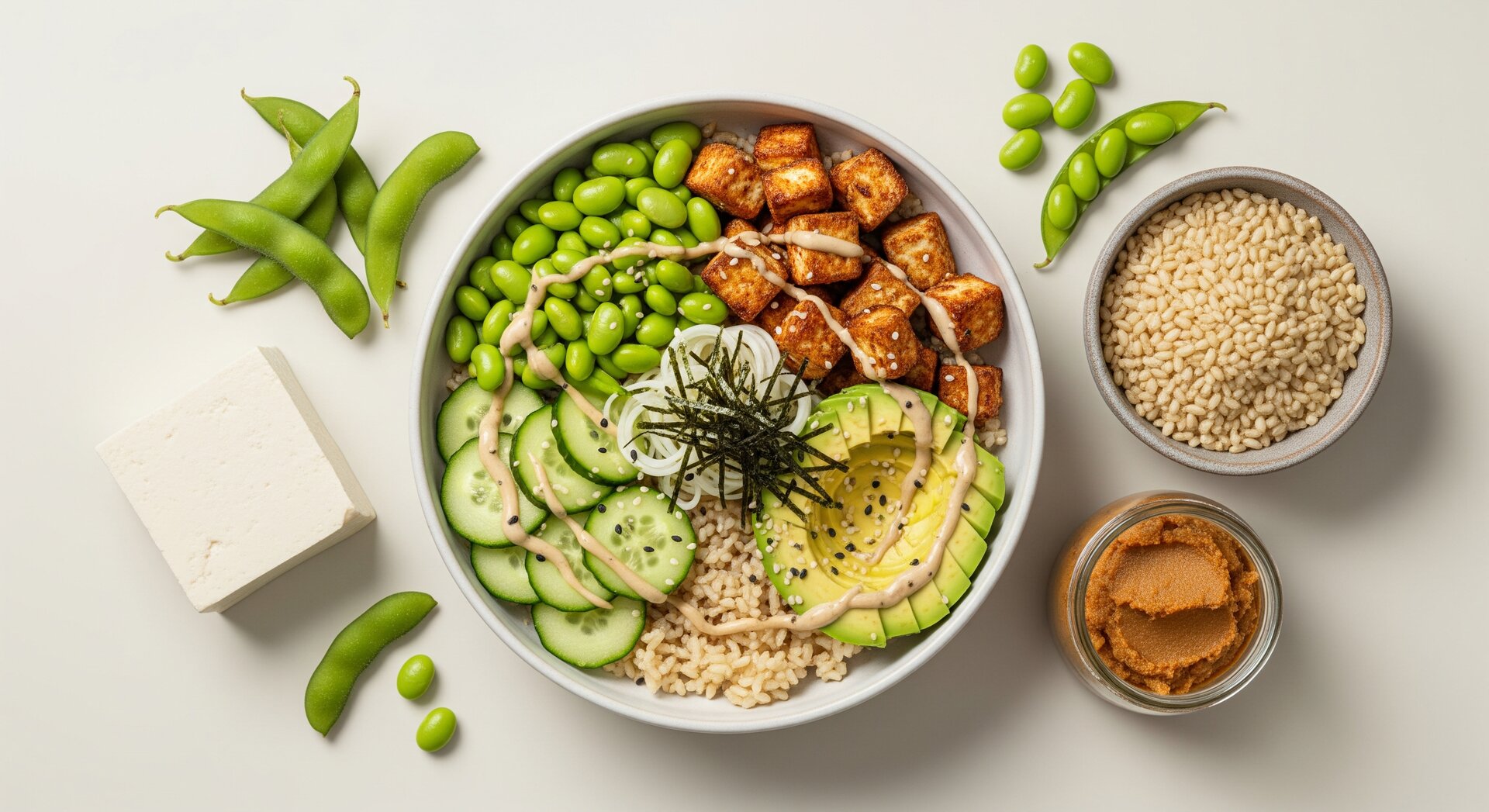 Japanese Edamame-Tofu Bowl 50 min Crispy tofu with edamame and miso-tahini dressing 620 kcal 32g protein 2 synergies
 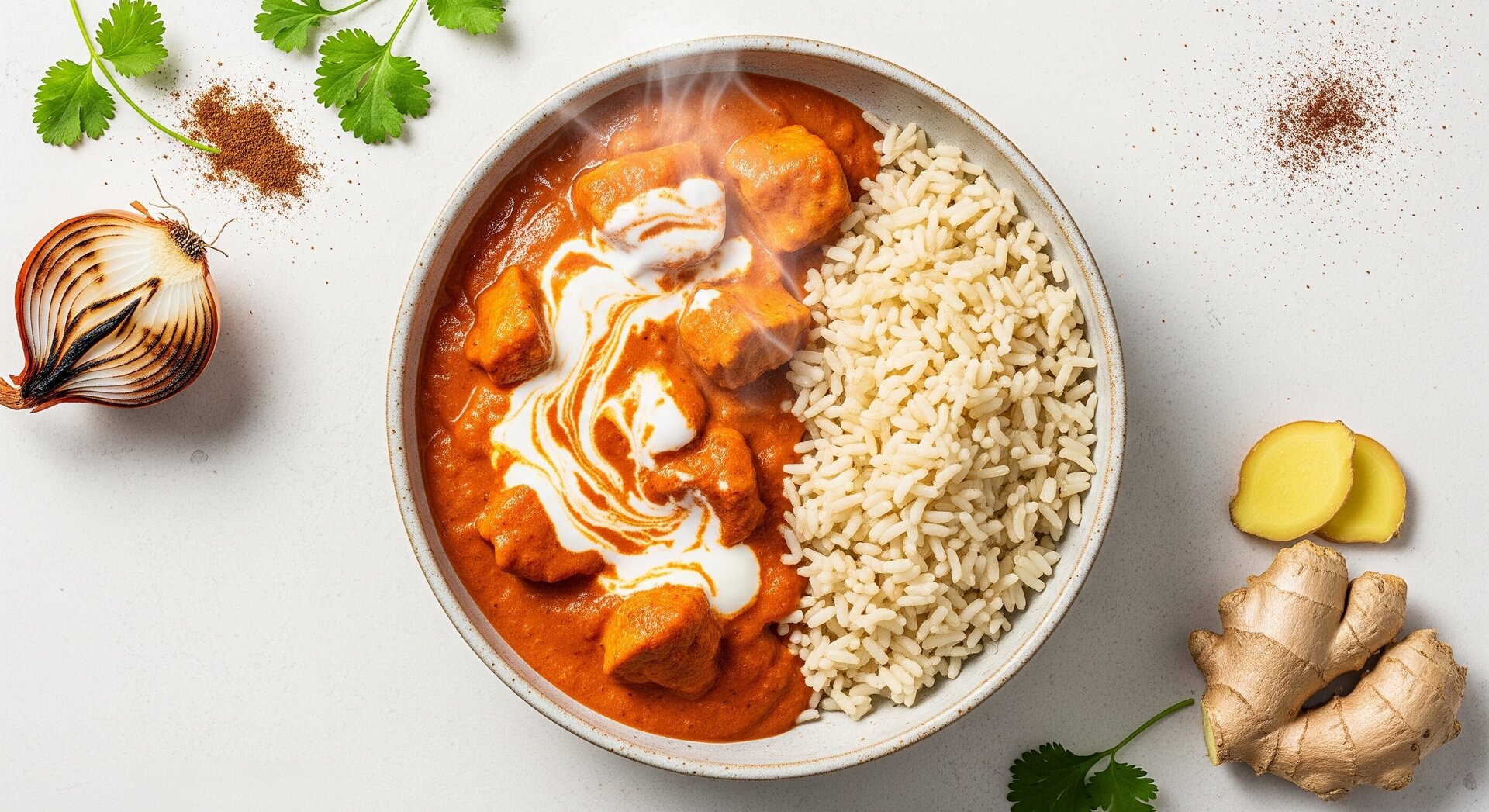 Chicken Tikka Masala with Brown Rice 80 min Creamy Indian curry with yogurt, tomato and warm spices 815 kcal 50g protein 2 synergies
  In the Kitchen
Storage
Location:Pantry
Shelf life:6-12 maanden
Store airtight, cool, and dry; because of its bran oil, brown rice stays fresh for a shorter time than white rice.
Preparation
Rinse the rice, cook 25-35 minutes for parboiled or quick-cook types and 40-45 minutes for classic brown rice. For meal prep: cook, cool quickly, and store 3-4 days in the fridge.
Substitutes
Smart preparation
1Soak brown rice for at least 30 minutes or overnight.
Why?
Soaking shortens cooking time and helps the grain cook more evenly.
2Use about 1 part rice to 2-2.5 parts water, depending on the variety and desired bite.
Why?
Because of the bran layer, brown rice usually needs more water and time than white rice.
3Let the rice rest covered for 10 minutes after cooking.
Caution / Warnings
Brown Rice is very safe, but there are scientific considerations:
Weight loss (portion control) Mild
Brown rice is still a starchy carbohydrate source; match portions to your meal, activity level, and daily budget.
Traditional use
Traditional Chinese Medicine
Chinese whole-grain rice tradition
In Chinese food cultures, brown rice is valued as a nourishing whole-grain base for simple meals, rice bowls, and gentle preparations such as congee.
Summary
Brown rice is white rice with the bran and germ still intact: more fiber, more minerals, a nutty flavor, and a firmer bite. Pair it with legumes and vegetables for a filling bowl or meal-prep base.