- Easy
- 35 min
- 2 serv.
- 20 synergies
- Now at its best: Corn
Spiced burrito bowl with seasoned chicken mince, black beans, corn and fresh guacamole on a bed of brown rice. Garnish with cheese, yoghurt and lime wedges for the perfect Mexican lunch.
Every layer counts in this bowl: fluffy brown rice as the base, topped with seasoned chicken mince fragrant with cumin and paprika, then black beans and sweet corn kernels. The fresh guacamole — roughly mashed with lime juice, red onion and coriander — adds creaminess and freshness at once. A dollop of yoghurt and some grated cheese, and you have a lunch that tastes like a Mexican street food stand.
- 15
- min prep
- 20
- min cook
- 35
- min total
Nutritional Synergies
This recipe combines ingredients that enhance each other:
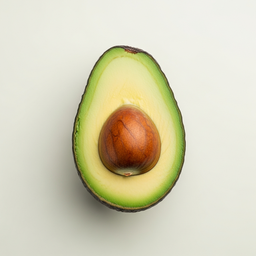 Avocado
 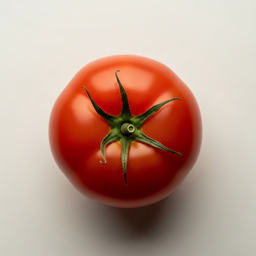 Tomato
 2.6x more lycopene absorption from salad/salsa
Technical: Tomatoes contain lycopene (3-8mg per 100g), a fat-soluble carotenoid with extremely low bioavailability without a fat carrier (<5%). Avocado contains 15g mono-unsaturated fats per 100g that stimulate micelle formation in the gut. Studies show 2.6x higher lycopene absorption when tomato is combined with avocado. Avocado also contains glutathione — a master antioxidant.
What does this mean for you? Guacamole with tomato, avocado toast with tomato, or a caprese with avocado — all these combinations ensure you absorb up to 2.6x more lycopene. Without fat, the lycopene literally slides right through your body.
Immune SystemSkin & Hair
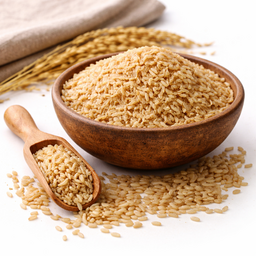 Brown Rice Tomato
 Vitamin C from tomato increases iron absorption from brown rice
Technical: Brown rice contains 0.8mg iron per 100g plus phytic acid. Tomato provides 14mg vitamin C per 100g that reduces Fe³⁺ to Fe²⁺ and bypasses phytate binding.
What does this mean for you? Serve brown rice with tomato sauce or roasted tomatoes. Classic combination in Mediterranean rice dishes.
EnergyImmune System
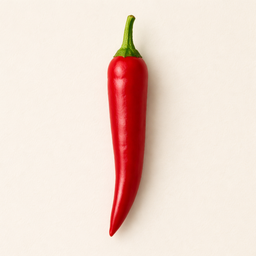 Chili Pepper (Fresh) Avocado
 5x better capsaicin absorption through fats
Technical: Capsaicin (8-methyl-N-vanillyl-6-nonenamide) is strongly lipophilic with LogP of 3.04. Healthy fats in avocado (15g/100g) dissolve capsaicin and improve absorption via lymphatic transport up to 5x. Fats also reduce TRPV1 receptor stimulation, decreasing burning sensation.
What does this mean for you? Guacamole with chili is brilliant — avocado fats reduce burning and increase capsaicin absorption. Win-win: less burning, better absorption.
Weight LossAnti-inflammatory
Chili Pepper (Fresh) 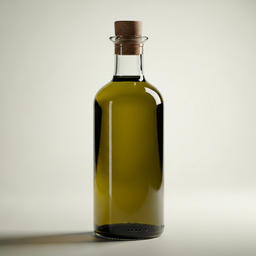 Olive Oil
 5x better capsaicin absorption through fats
Technical: Capsaicin (8-methyl-N-vanillyl-6-nonenamide) is strongly lipophilic with LogP of 3.04. Healthy fats in avocado (15g/100g) dissolve capsaicin and improve absorption via lymphatic transport up to 5x. Fats also reduce TRPV1 receptor stimulation, decreasing burning sensation.
What does this mean for you? Guacamole with chili is brilliant — avocado fats reduce burning and increase capsaicin absorption. Win-win: less burning, better absorption.
Weight LossAnti-inflammatory
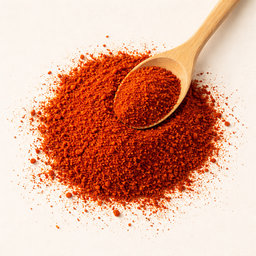 Chili Powder Olive Oil
 Capsaicin absorption increased by fats
Technical: Capsaicin in chili powder is fat-soluble. Fats (olive oil, coconut oil) increase bioavailability 2-3x by dissolving capsaicin in lipid micelles. Additionally, fats reduce direct capsaicin irritation on the stomach lining by forming a protective fat layer.
What does this mean for you? Fry chili powder in oil before adding other ingredients. The fat makes the chili milder for your stomach but more powerful for your metabolism.
Weight LossAnti-inflammatory
Chili Powder Tomato Capsaicin increases lycopene absorption and enhances antioxidant action
Technical: Chili powder's capsaicin temporarily increases intestinal permeability, allowing lycopene (3-7mg/100g in tomato) to be better absorbed. Tomato's lycopene and chili's capsaicin are both carotenoid-like antioxidants that work synergistically: lycopene neutralizes singlet oxygen, capsaicin inhibits lipid peroxidation. The combination offers broader antioxidant protection than either alone. Salsa (tomato + chili) is botanically optimized.
What does this mean for you? Salsa, arrabbiata sauce or tomato soup with chili is scientifically a top combination. The chili makes lycopene from tomatoes more available to your body.
HeartSkin & HairAnti-inflammatory
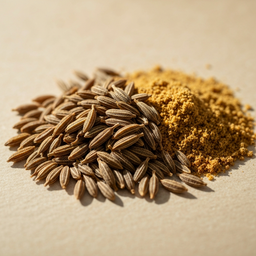 Cumin Olive Oil
 Fat activates volatile oils and increases cuminaldehyde absorption
Technical: Cumin's active compounds (cuminaldehyde, cymene, terpinene) are volatile, fat-soluble compounds. Frying in olive oil extracts and stabilizes these compounds, and the fat improves their gut absorption.
What does this mean for you? Briefly fry cumin in olive oil before adding other ingredients (tadka/tempering). This is why Indian and Middle Eastern cuisines always fry cumin in oil.
DigestionAnti-inflammatoryBlood Sugar
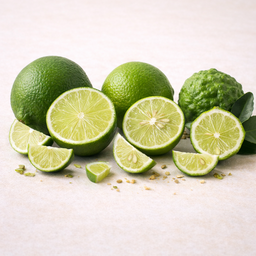 Lime Avocado
 Lime juice prevents oxidation of avocado
Technical: Avocado's high unsaturated fat content (oleic acid, 10g per 100g) makes it vulnerable to oxidation upon air exposure. Polyphenol oxidase (PPO) oxidizes phenolic compounds into brown melanins. Lime's vitamin C (29mg per 100g) and citric acid work as double protection: vitamin C reduces quinones back, citric acid lowers pH below PPO optimum (pH 5-7), inhibiting the enzyme.
What does this mean for you? Squeeze lime over your avocado in poke bowls, guacamole or salads. The classic Mexican combination protects both color and nutritional value. Lime works slightly milder than lemon but equally effective.
HeartSkin & HairAntioxidants
Lime Olive Oil Vitamin C + olive oil fats for iron absorption and antioxidant action
Technical: Lime's vitamin C (ascorbic acid) improves absorption of non-heme iron from plant sources. Olive oil's fat-soluble polyphenols (hydroxytyrosol) are better absorbed in combination with vitamin C, which acts as an antioxidant keeping the polyphenols stable.
What does this mean for you? Lime-olive oil dressing is a classic combination that helps your body absorb more iron and antioxidants from your salad.
Immune SystemEnergySkin & Hair
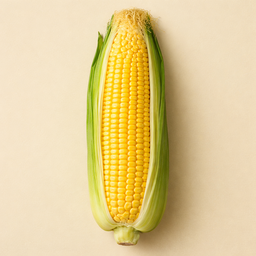 Corn Avocado
 Avocado fat increases zeaxanthin absorption from corn up to 5x
Technical: Corn is the richest food source of zeaxanthin (528μg/100g) — a carotenoid that accumulates in the macula lutea. Zeaxanthin is fat-soluble; avocado's 15g monounsaturated fats increase bioavailability up to 5x through micelle formation. Avocado also contains its own lutein (0.27mg/100g).
What does this mean for you? Corn with avocado (like in Mexican bowls) is a powerful combination for your eye pigments. Avocado makes corn's zeaxanthin truly absorbable — without fat most is lost.
General WellnessFocus
Corn 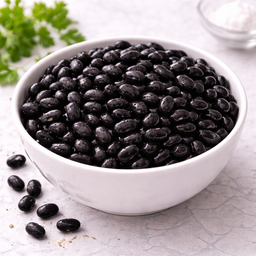 Black Beans
 Complete amino acid profile through lysine + tryptophan complementation
Technical: Corn lacks lysine (limiting amino acid, 0.26g/100g) but has sufficient methionine (0.20g) and tryptophan (0.07g). Black beans are rich in lysine (1.5g/100g) but low in methionine. Together they achieve a PDCAAS of 0.85+ — comparable to animal protein. This is the biochemical basis of millennia of Mesoamerican nutrition.
What does this mean for you? Corn tortilla with black beans — the basis of Mexican cuisine for millennia. Together they form complete protein without meat. Add lime for extra vitamin C and iron absorption.
Muscle GainGeneral Wellness
Olive Oil Tomato Mediterranean golden rule: fat increases lycopene absorption 4x
Fat significantly increases lycopene bioavailability (PMID: 15927929)
Technical: Tomatoes contain lycopene (3-7mg per 100g), a carotenoid with strong antioxidant action. Lycopene is fat-soluble with only 10-15% absorption without fat. Olive oil increases this to 40-60% (2.5-4x improvement). Cooking further increases lycopene bioavailability.
What does this mean for you? Always add olive oil to tomato dishes — sauces, salads, bruschetta. This is why Mediterranean cuisine is so healthy. Cooked tomatoes with olive oil = maximum lycopene.
HeartSkin & Hair
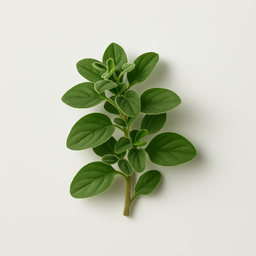 Oregano Olive Oil
 Fat makes carvacol and thymol absorbable
Lambert JD et al. (2004) in Molecular Nutrition & Food Research showed that dietary fats enhance absorption of phenolic compounds from herbs.
Technical: Oregano contains carvacrol (60-74%) and thymol (1-5%) — potent phenolic compounds with broad bioactivity, traditionally valued in food preservation. These compounds are fat-soluble and poorly absorbed without fat. Olive oil dissolves them and significantly increases their bioavailability. This explains why oregano oil always comes in a carrier oil.
What does this mean for you? Cook oregano in olive oil or make oregano-olive oil dressing. The bioactive compounds in oregano are fat-soluble — without oil you barely absorb them.
Immune SystemDigestion
Oregano Tomato Mediterranean synergy - antioxidants stabilize lycopene
Böhm V et al. (2002) in Journal of Nutrition showed that antioxidants improve lycopene stability.
Technical: Oregano's antioxidants (rosmanol, carvacrol, thymol) protect lycopene from tomato against thermal degradation during cooking. Lycopene is heat-labile but released from cell walls by heating. The herbs act as an antioxidant shield: they scavenge free radicals that would break down lycopene.
What does this mean for you? Add oregano to tomato sauce during cooking. The oregano protects the lycopene while heat releases it — that's why Italian tomato sauce with oregano is so healthy.
HeartImmune System
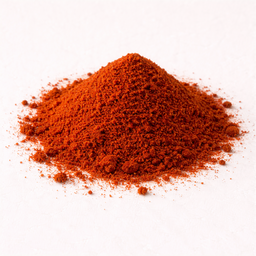 Paprika powder (sweet) Olive Oil
 3x better carotenoid absorption with fats
Technical: Paprika powder is extremely rich in carotenoids: beta-carotene, capsanthin and cryptoxanthin. These are all fat-soluble with only 5-10% absorption without fat. Olive oil or butter create micelles increasing absorption up to 3x. Additionally, vitamin E from olive oil protects carotenoids from oxidation.
What does this mean for you? Always briefly fry paprika powder in oil or butter before adding liquid. This activates the color and increases vitamin absorption up to 3x — the basis of Hungarian goulash.
Skin & HairImmune System
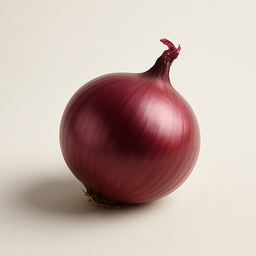 Red Onion Olive Oil
 Fat increases bioavailability of quercetin from red onion
Technical: Red onion contains 32-65mg quercetin per 100g — the richest food source. Quercetin is poorly water-soluble (2μg/mL) but dissolves well in fats. Olive oil increases quercetin oral bioavailability by 50-70% through lipid-based lymphatic transport instead of the portal vein.
What does this mean for you? Sauté red onion in olive oil (soffritto) for maximum quercetin absorption. Oil dissolves quercetin and improves transport to your bloodstream. Caramelizing also enhances flavor.
Anti-inflammatoryHeart
 Sea Salt Avocado
 Minerals improve flavor perception and electrolyte balance
Technical: Sea salt contains trace minerals (magnesium, potassium, calcium) besides sodium. Tomato is rich in potassium (237mg/100g) and lycopene. Avocado adds magnesium (29mg) and potassium (485mg). Together they form a broad electrolyte profile: sodium (salt) + potassium (tomato/avocado) + magnesium (avocado) — essential for fluid balance and nerve function.
What does this mean for you? Sprinkle tomato and avocado with a pinch of sea salt. This is more than flavor — the minerals complement each other for a complete electrolyte balance.
HeartEnergy
Sea Salt Tomato Minerals improve flavor perception and electrolyte balance
Technical: Sea salt contains trace minerals (magnesium, potassium, calcium) besides sodium. Tomato is rich in potassium (237mg/100g) and lycopene. Avocado adds magnesium (29mg) and potassium (485mg). Together they form a broad electrolyte profile: sodium (salt) + potassium (tomato/avocado) + magnesium (avocado) — essential for fluid balance and nerve function.
What does this mean for you? Sprinkle tomato and avocado with a pinch of sea salt. This is more than flavor — the minerals complement each other for a complete electrolyte balance.
HeartEnergy
Sea Salt Olive Oil Minerals + polyphenols for cellular balance
Technical: Sea salt's sodium is essential for the sodium-potassium pump (Na+/K+-ATPase) that regulates every body cell. Olive oil's oleuropein and hydroxytyrosol provide antioxidant protection for cell membranes. The combination supports cell integrity: sea salt regulates ion balance, olive oil protects the membrane. In Mediterranean cuisine, coarse sea salt + olive oil is the most basic flavor profile.
What does this mean for you? Freshly ground sea salt with extra virgin olive oil is the simplest and most nutritious finishing of any dish. The combination provides the basic needs of your cells: minerals for function, polyphenols for protection.
HeartGeneral Wellness
Black Beans 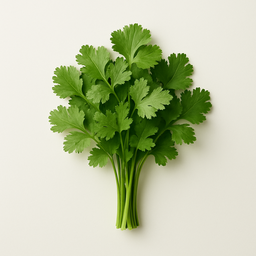 Cilantro
 Latin American combination: vitamin C increases iron absorption
Technical: Black beans contain 2.1mg iron per 100g cooked plus anthocyanins (same antioxidants as blueberries). Fresh cilantro contains 27mg vitamin C per 100g that increases iron absorption. The polyphenols in both ingredients enhance each other's antioxidant action.
What does this mean for you? Always garnish your black bean dish with fresh cilantro — this is why it's a staple in Mexican cuisine.
EnergyImmune System
Ingredients (20)
- Brown Rice — 200 g dry
-
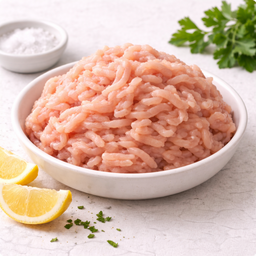 Minced Chicken — 250 g
 - Black Beans — 200 g canned, drained
- Corn — 150 g corn kernels
Instructions
- 1 Cook the brown rice according to package directions (about 25 minutes). Drain and keep warm.
- 2 Heat the olive oil in a pan over medium heat. Cook the chicken mince with cumin, chilli powder, paprika and oregano for 6-7 minutes until cooked through and crumbly.
Nutrition per serving
Indicative values per serving.
Timing & Suitability
Shelf life: 3 days in fridge
Tags & Diet
Allergens: Dairy