- Medium
- 35 min
- 2 serv.
- 11 synergies
- Now at its best: Carrot
Thai chicken salad with a rich peanut sauce of peanut butter, soy sauce, lime and sesame oil. Tossed with mango strips, grated carrot, red cabbage and fresh herbs, finished with crunchy cashews and edamame.
The peanut sauce makes this dish. Dollops of peanut butter that you whisk loose with soy sauce, lime juice, sesame oil and a splash of water until a creamy, pourable dressing — sweet, salty, sour and nutty all at once. That goes over a bed of lettuce and red cabbage, both finely shredded so they catch the sauce. On top, grated carrot that colors orange between the purple and green, and mango strips that contrast sweet against the briny sauce. The chicken you fry separately in a hot pan, sprinkled with ginger and garlic, and sliced into strips that go warm over the salad. Edamame for bite, toasted cashews for crunch, fresh cilantro and a squeeze of lime to bring everything together. The kind of salad where you lick the plate clean afterwards.
- 20
- min prep
- 15
- min cook
- 35
- min total
Nutritional Synergies
This recipe combines ingredients that enhance each other:
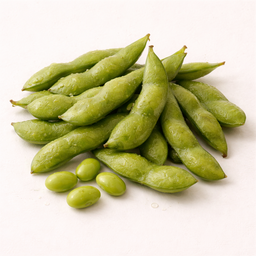 Edamame
 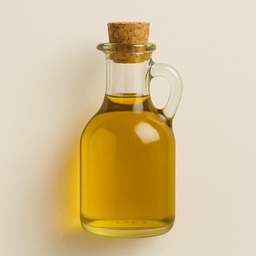 Sesame Oil
 Increased absorption of isoflavones
Technical: Edamame contains isoflavones (genistein and daidzein) — phytoestrogens that are lipophilic (fat-loving) and are significantly better absorbed in the presence of fats. Sesame oil contains sesamin, a lignan with its own antioxidant action. The fat in sesame oil increases isoflavone bioavailability by 2-3x.
What does this mean for you? Drizzle sesame oil over your edamame or briefly stir-fry them in sesame oil with sea salt. The nutty aroma of sesame pairs perfectly with edamame and your body absorbs the isoflavones much better.
Hormonal BalanceHeart
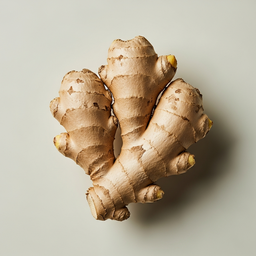 Ginger
 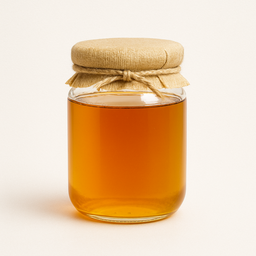 Honey
Honey Classic combination: warming herbal drink with honey
Technical: Ginger's gingerol modulates COX-2 and has antiemetic action (suppresses nausea via 5-HT3 receptor blockade). Honey's glucose oxidase produces hydrogen peroxide with bioactive action, while honey physically coats and soothes the throat. Together: bioactive modulation + throat protection.
What does this mean for you? Ginger tea with honey is a classic, warming combination. The ginger provides gingerol, the honey a smooth, sweet layer.
Immune System
Honey 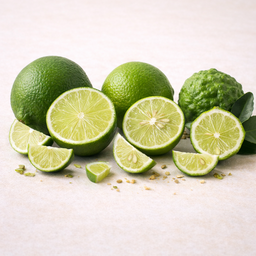 Lime
Lime Honey enzymes + vitamin C for dual immune support
Technical: Honey's glucose oxidase generates hydrogen peroxide with bioactive action. Lime's vitamin C (ascorbic acid) is a powerful antioxidant that directly supports immune cells. Together they provide both direct bioactive action and immune cell activation.
What does this mean for you? Honey-lime drink is a classic combination for good reason — it works through two different pathways for your immune support.
Immune SystemEnergyAnti-inflammatory
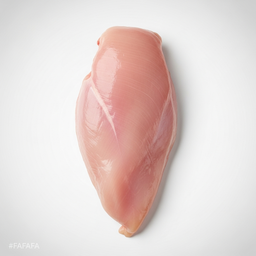 Chicken Breast Ginger
 Gingerols improve protein digestion and modulate the inflammatory response
Technical: Chicken breast contains 31g high-quality protein per 100g. Ginger contains gingerols that stimulate proteolytic enzymes (pepsin, trypsin), breaking down proteins more efficiently. Ginger also reduces formation of AGEs (Advanced Glycation End-products) when cooking meat.
What does this mean for you? Marinate chicken with fresh ginger or add ginger when cooking. This is the basis of many Asian chicken dishes (ginger chicken, congee) and improves both flavor and digestibility.
Muscle GainDigestionAnti-inflammatory
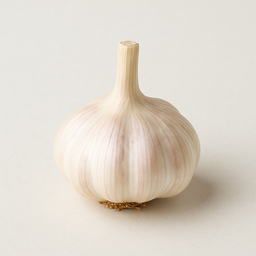 Garlic Ginger
 Allicin + gingerols: complementary bioactive action
Technical: Garlic's allicin works via thiol enzyme inhibition — effective against gram-positive bacteria (Staphylococcus, Streptococcus). Ginger's gingerols and shogaols influence viral replication and stimulate interferon production. Together they cover both bacterial and viral pathways.
What does this mean for you? Garlic-ginger tea is a classic combination. Garlic works via thiol enzymes, ginger via interferon pathways. Cut both fresh for maximum active compounds — allicin only forms after 10 minutes of air exposure.
Immune System
Garlic Honey Fermented: allicin + bee defensin in traditional condiment
Technical: Raw garlic contains alliin converted by alliinase to allicin — an organosulfur compound with bioactive properties — when cut. Raw honey contains hydrogen peroxide, bee defensin-1 and methylglyoxal. Fermenting garlic in honey increases bioavailability of S-allylcysteine (SAC), a more stable bioactive metabolite.
What does this mean for you? Submerge raw garlic cloves in raw honey and ferment for 2-4 weeks. You get a traditional condiment with concentrated bioactive compounds — an ancient fermentation technique that increases bioavailability.
Immune System
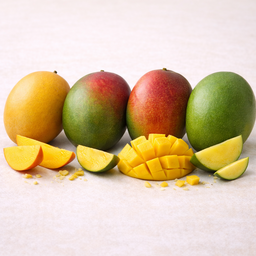 Mango Lime
 Vitamin C protects beta-carotene from oxidation
Technical: Mango is rich in beta-carotene (640μg/100g) and other carotenoids that are sensitive to oxidation. Vitamin C from citrus fruits (lime: 29mg, lemon: 53mg per 100g) acts as an antioxidant and protects these carotenoids. Additionally, the acidic environment increases stability.
What does this mean for you? Sprinkle fresh mango with lime or lemon juice. This preserves not only the color but also the nutritional value. Perfect in smoothies, salsas or fruit salads.
Immune SystemSkin & Hair
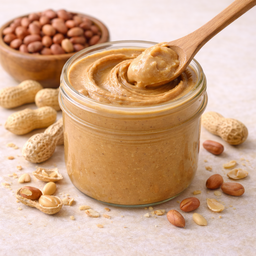 Peanut Butter Honey
 Protein + fast carbohydrates for post-workout recovery
Technical: After training, glycogen stores are depleted. Honey provides fast sugars (glucose + fructose) that replenish glycogen and stimulate insulin. Insulin triggers amino acid transport to muscles via the mTOR pathway, making muscle protein synthesis 20-30% higher than with protein alone. Optimal ratio is 3-4:1 carbs:protein.
What does this mean for you? Eat 2 tablespoons peanut butter with 1 tablespoon honey within 30 minutes after training. The honey replenishes your energy stores, the insulin spike helps shuttle protein from the peanut butter to your muscles faster.
Muscle GainEnergyGeneral Wellness
Peanut Butter 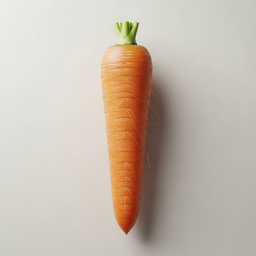 Carrot
 Fat from nut butter increases carotenoid absorption by 3-6x
Technical: Carotenoids (beta-carotene, lutein, lycopene) in vegetables are fat-soluble and poorly absorbed without fat (5-10%). Nut butters contain 50-60g fat per 100g. Just 3-5g fat (1 tablespoon nut butter) increases carotenoid absorption to 30-60% — a 3-6x improvement. This applies to carrot, bell pepper, spinach and other colorful vegetables.
What does this mean for you? Dip veggie sticks in peanut butter or almond butter. The fat from the nut butter ensures your body absorbs 3-6x more vitamins from the vegetables.
Immune SystemSkin & HairGeneral Wellness
Sesame Oil Ginger Asian cooking base: lignans + gingerols via complementary pathways
Technical: Sesame oil contains sesamin and sesamolin (lignans) with antioxidant action. Ginger contains gingerols that modulate COX-2. Both compounds influence NF-κB via complementary mechanisms. The fat in sesame oil also improves absorption of fat-soluble gingerols.
What does this mean for you? Start Asian dishes with sesame oil + ginger as flavor base. This is the fundamental start of wok dishes and combines two bioactive compounds via complementary pathways.
Anti-inflammatoryDigestion
 Water Ginger
 Hydration + gingerols for digestion and metabolism
Technical: Water is the medium for all biochemical reactions and nutrient transport. Ginger's gingerols (1.5-3%) are water-soluble and optimally extracted in warm water. Gingerols are studied in research in relation to thermogenesis and digestion. Warm ginger water contains dissolved gingerols.
What does this mean for you? Start your day with warm ginger water — slice fresh ginger and steep for 10 minutes. It gives a warm, spicy start to your day and hydrates at the same time.
DigestionWeight LossEnergy
Ingredients (18)
- Chicken Breast — 300 g sliced into strips
-
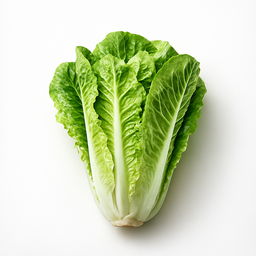 Lettuce (Romaine) — 200 g romaine or mixed greens
 - Mango — 1 pc in strips
-
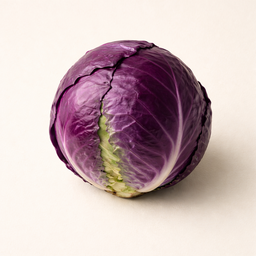 Red Cabbage — 150 g finely shredded
Instructions
- 1 Make the peanut sauce: whisk the peanut butter, soy sauce, lime juice, honey, sesame oil and water in a bowl until a smooth, pourable dressing. Add the red pepper flakes and taste — the sauce should be sweet-salty-sour. If too thick, add a tablespoon of water.
Nutrition per serving
Indicative values per serving.
Timing & Suitability
Shelf life: 3 days in fridge
Tags & Diet
Allergens: Nuts, Peanuts, Soy, Sesame