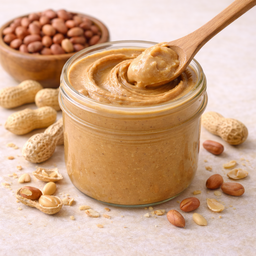
Peanut Butter
Creamy peanut spread with fiber and unsaturated fats
What is this ingredient?
Peanut butter is a concentrated spread made from 90-100% roasted peanuts (Arachis hypogaea), sometimes with added salt. The peanuts are ground into a creamy or chunky paste. Note: many commercial brands contain added sugars (2-8 g/100 g), palm oil and emulsifiers; choose 100% peanut varieties when possible. Peanut butter provides about 25-30 g protein, 8 g fiber and around 50 g fat per 100 g, with most of the fat being unsaturated. It also contains bioactive compounds such as resveratrol, a polyphenol also found in red wine. Peanuts grow underground as legumes, not true nuts, and provide nutrients such as niacin, folate, magnesium and vitamin E. During roasting, the Maillard reaction creates a complex aroma with more than one hundred scent and flavor compounds. Important: peanuts can contain aflatoxins when cultivation, drying or storage is poor; choose quality brands with clear testing controls.
How does it taste?
Creamy, intensely nutty and lightly sweet with a thick, sticky texture.
Pairs well with:
Pairs well with bananachocolatehoneycelery and ginger.
Did you know...?
- The Dutch are the biggest peanut butter consumers in Europe, at about 1.5 kg per person per year.
- Peanut butter was patented in 1895 by John Harvey Kellogg as a protein-rich food for people who had difficulty chewing.
Nutritional Value & Energy
Per 100g
Peanut Butter provides energy thanks to natural nutrients , buffered by fiber.
Per 100g
Minerals
Vitamins
Omega-3 fatty acids
More nutrients
Trace Minerals
What's in a serving?
1 handful
Peanut butter naturally contains folate (92 mcg per 100 g).
Peanut butter naturally contains magnesium (168 mg per 100 g).
Peanut butter naturally contains potassium (649 mg per 100 g).
Peanut butter naturally contains vitamin E (8.3 mg per 100 g).
Peanut butter naturally contains zinc (2.5 mg per 100 g).
% of daily reference intake (DRI)
EU-approved nutrition claims
This ingredient contains nutrients for which EFSA-authorized health claims exist (at nutrient level, not ingredient-specific).
Approved health claims (EU)
Magnesium EU 432/2012
Magnesium contributes to normal muscle function
Contains 168mg/100g (threshold: ≥56.25mg/100g)
Magnesium EU 432/2012
Magnesium contributes to the reduction of tiredness and fatigue
Contains 168mg/100g (threshold: ≥56.25mg/100g)
Magnesium EU 432/2012
Magnesium contributes to normal functioning of the nervous system
Contains 168mg/100g (threshold: ≥56.25mg/100g)
Zinc EU 432/2012
Zinc contributes to the normal function of the immune system
Contains 2.5mg/100g (threshold: ≥1.5mg/100g)
Zinc EU 432/2012
Zinc contributes to the maintenance of normal skin
Contains 2.5mg/100g (threshold: ≥1.5mg/100g)
Potassium EU 432/2012
Potassium contributes to the maintenance of normal blood pressure
Contains 649mg/100g (threshold: ≥300mg/100g)
Folate EU 432/2012
Folate contributes to normal blood formation
Contains 92mcg/100g (threshold: ≥30mcg/100g)
Folate EU 432/2012
Folate contributes to normal amino acid synthesis
Contains 92mcg/100g (threshold: ≥30mcg/100g)
Folate EU 432/2012
Folate contributes to normal homocysteine metabolism
Contains 92mcg/100g (threshold: ≥30mcg/100g)
Folate EU 432/2012
Folate contributes to normal psychological function
Contains 92mcg/100g (threshold: ≥30mcg/100g)
Folate EU 432/2012
Folate contributes to the normal function of the immune system
Contains 92mcg/100g (threshold: ≥30mcg/100g)
Folate EU 432/2012
Folate has a role in the process of cell division
Contains 92mcg/100g (threshold: ≥30mcg/100g)
Folate EU 432/2012
Folate contributes to maternal tissue growth during pregnancy
Contains 92mcg/100g (threshold: ≥30mcg/100g)
Vitamin_e EU 432/2012
Vitamin E contributes to the protection of cells from oxidative stress
Contains 8.3mg/100g (threshold: ≥1.8mg/100g)
Magnesium EU 432/2012
Magnesium contributes to normal energy-yielding metabolism
Contains 168mg/100g (threshold: ≥56.25mg/100g)
Magnesium EU 432/2012
Magnesium contributes to electrolyte balance
Contains 168mg/100g (threshold: ≥56.25mg/100g)
Magnesium EU 432/2012
Magnesium contributes to normal protein synthesis
Contains 168mg/100g (threshold: ≥56.25mg/100g)
Magnesium EU 432/2012
Magnesium contributes to normal psychological function
Contains 168mg/100g (threshold: ≥56.25mg/100g)
Magnesium EU 432/2012
Magnesium contributes to the maintenance of normal bones
Contains 168mg/100g (threshold: ≥56.25mg/100g)
Magnesium EU 432/2012
Magnesium contributes to the maintenance of normal teeth
Contains 168mg/100g (threshold: ≥56.25mg/100g)
Magnesium EU 432/2012
Magnesium has a role in the process of cell division
Contains 168mg/100g (threshold: ≥56.25mg/100g)
Zinc EU 432/2012
Zinc contributes to normal acid-base metabolism
Contains 2.5mg/100g (threshold: ≥1.5mg/100g)
Zinc EU 432/2012
Zinc contributes to normal carbohydrate metabolism
Contains 2.5mg/100g (threshold: ≥1.5mg/100g)
Zinc EU 432/2012
Zinc contributes to normal cognitive function
Contains 2.5mg/100g (threshold: ≥1.5mg/100g)
Zinc EU 432/2012
Zinc contributes to normal DNA synthesis
Contains 2.5mg/100g (threshold: ≥1.5mg/100g)
Zinc EU 432/2012
Zinc contributes to normal fertility and reproduction
Contains 2.5mg/100g (threshold: ≥1.5mg/100g)
Zinc EU 432/2012
Zinc contributes to normal macronutrient metabolism
Contains 2.5mg/100g (threshold: ≥1.5mg/100g)
Zinc EU 432/2012
Zinc contributes to normal metabolism of fatty acids
Contains 2.5mg/100g (threshold: ≥1.5mg/100g)
Zinc EU 432/2012
Zinc contributes to normal metabolism of vitamin A
Contains 2.5mg/100g (threshold: ≥1.5mg/100g)
Zinc EU 432/2012
Zinc contributes to normal protein synthesis
Contains 2.5mg/100g (threshold: ≥1.5mg/100g)
Zinc EU 432/2012
Zinc contributes to the maintenance of normal bones
Contains 2.5mg/100g (threshold: ≥1.5mg/100g)
Zinc EU 432/2012
Zinc contributes to the maintenance of normal hair
Contains 2.5mg/100g (threshold: ≥1.5mg/100g)
Zinc EU 432/2012
Zinc contributes to the maintenance of normal nails
Contains 2.5mg/100g (threshold: ≥1.5mg/100g)
Zinc EU 432/2012
Zinc contributes to the maintenance of normal testosterone levels in the blood
Contains 2.5mg/100g (threshold: ≥1.5mg/100g)
Zinc EU 432/2012
Zinc contributes to the maintenance of normal vision
Contains 2.5mg/100g (threshold: ≥1.5mg/100g)
Zinc EU 432/2012
Zinc contributes to the protection of cells from oxidative stress
Contains 2.5mg/100g (threshold: ≥1.5mg/100g)
Zinc EU 432/2012
Zinc has a role in the process of cell division
Contains 2.5mg/100g (threshold: ≥1.5mg/100g)
Potassium EU 432/2012
Potassium contributes to normal functioning of the nervous system
Contains 649mg/100g (threshold: ≥300mg/100g)
Potassium EU 432/2012
Potassium contributes to normal muscle function
Contains 649mg/100g (threshold: ≥300mg/100g)
Comparison
vsbanaan
Peanut butter contains about 2× more potassium per 100 g than banana.
What's being researched?
Peanut butter in cardiovascular nutrition literature
The relationship between peanut butter consumption and cardiovascular risk factors is being studied. Large cohort studies such as NHS and HPFS describe inverse associations between regular peanut or peanut butter consumption and certain cardiovascular outcomes, but this remains observational literature and not an ingredient-specific EU health claim.
Supported by: [1] Becerra-Tomás N (2019) , [5] Ganji SH (2003)
Good Combinations (Synergy)
Combine peanut butter smartly to enhance the effect:
Peanut Butter 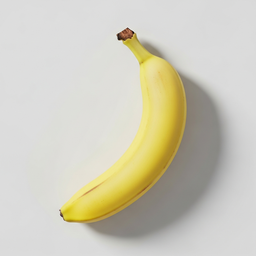 Banana
 Complete protein source with sustained energy
Technical: Banana contains fast carbohydrates (22g/100g) but little protein (1.1g). Peanut butter provides 25g protein per 100g plus healthy mono-unsaturated fats. The fat slows absorption of sugars from banana, resulting in more stable blood sugar levels and sustained energy.
What does this mean for you? Perfect as a pre-workout snack (30-60 min before training) or as a satiating snack. The combination provides both immediate energy and slow-burning fuel.
Peanut Butter 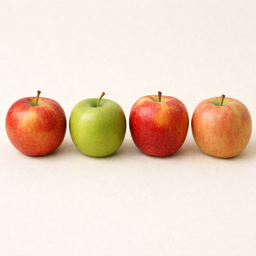 Apple
Apple Protein + pectin fiber for satiety and stable glycemic response
Technical: Peanut butter provides protein (25g/100g) and fat that slow gastric emptying. Apple adds 4g pectin fiber that stimulates CCK and GLP-1 (satiety hormones). Peanut butter has a GI of 14, apple 36 — together a very low glycemic response. Studies show this combination reduces calorie intake by 15-20% versus apple alone.
What does this mean for you? Dip apple slices in peanut butter as a snack. The protein and fat from the peanut butter slow sugar absorption from the apple, keeping you satisfied for 3-4 hours.
Peanut Butter 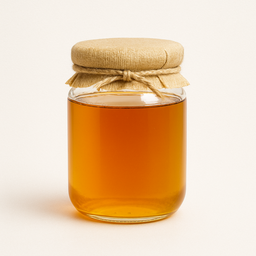 Honey
Honey Protein + fast carbohydrates for post-workout recovery
Technical: After training, glycogen stores are depleted. Honey provides fast sugars (glucose + fructose) that replenish glycogen and stimulate insulin. Insulin triggers amino acid transport to muscles via the mTOR pathway, making muscle protein synthesis 20-30% higher than with protein alone. Optimal ratio is 3-4:1 carbs:protein.
What does this mean for you? Eat 2 tablespoons peanut butter with 1 tablespoon honey within 30 minutes after training. The honey replenishes your energy stores, the insulin spike helps shuttle protein from the peanut butter to your muscles faster.
Peanut Butter 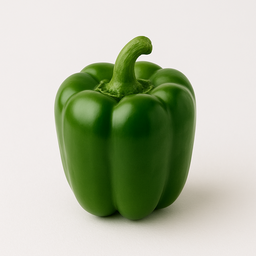 Bell Pepper
 Fat from nut butter increases carotenoid absorption by 3-6x
Technical: Carotenoids (beta-carotene, lutein, lycopene) in vegetables are fat-soluble and poorly absorbed without fat (5-10%). Nut butters contain 50-60g fat per 100g. Just 3-5g fat (1 tablespoon nut butter) increases carotenoid absorption to 30-60% — a 3-6x improvement. This applies to carrot, bell pepper, spinach and other colorful vegetables.
What does this mean for you? Dip veggie sticks in peanut butter or almond butter. The fat from the nut butter ensures your body absorbs 3-6x more vitamins from the vegetables.
Peanut Butter 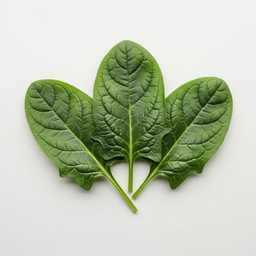 Spinach
 Fat from nut butter increases carotenoid absorption by 3-6x
Technical: Carotenoids (beta-carotene, lutein, lycopene) in vegetables are fat-soluble and poorly absorbed without fat (5-10%). Nut butters contain 50-60g fat per 100g. Just 3-5g fat (1 tablespoon nut butter) increases carotenoid absorption to 30-60% — a 3-6x improvement. This applies to carrot, bell pepper, spinach and other colorful vegetables.
What does this mean for you? Dip veggie sticks in peanut butter or almond butter. The fat from the nut butter ensures your body absorbs 3-6x more vitamins from the vegetables.
Peanut Butter 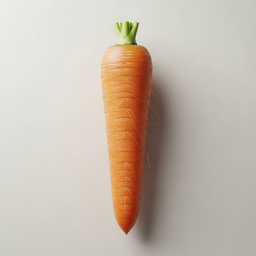 Carrot
 Fat from nut butter increases carotenoid absorption by 3-6x
Technical: Carotenoids (beta-carotene, lutein, lycopene) in vegetables are fat-soluble and poorly absorbed without fat (5-10%). Nut butters contain 50-60g fat per 100g. Just 3-5g fat (1 tablespoon nut butter) increases carotenoid absorption to 30-60% — a 3-6x improvement. This applies to carrot, bell pepper, spinach and other colorful vegetables.
What does this mean for you? Dip veggie sticks in peanut butter or almond butter. The fat from the nut butter ensures your body absorbs 3-6x more vitamins from the vegetables.
Peanut Butter 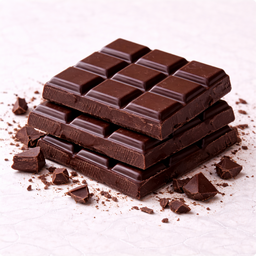 Dark Chocolate (>70%)
 Magnesium + protein + theobromine for muscles and energy
Technical: Dark chocolate provides 230mg magnesium/100g and theobromine. Peanut butter contains 25g protein and 168mg magnesium per 100g. Together they provide ~400mg magnesium (100% RDI) plus complete amino acids. The fat from peanut butter also improves flavanol absorption.
What does this mean for you? Peanut butter chocolate cups are not only delicious but nutritionally smart. Perfect as post-workout snack for muscle recovery.
Recipes with Peanut Butter
Discover delicious recipes featuring peanut butter:
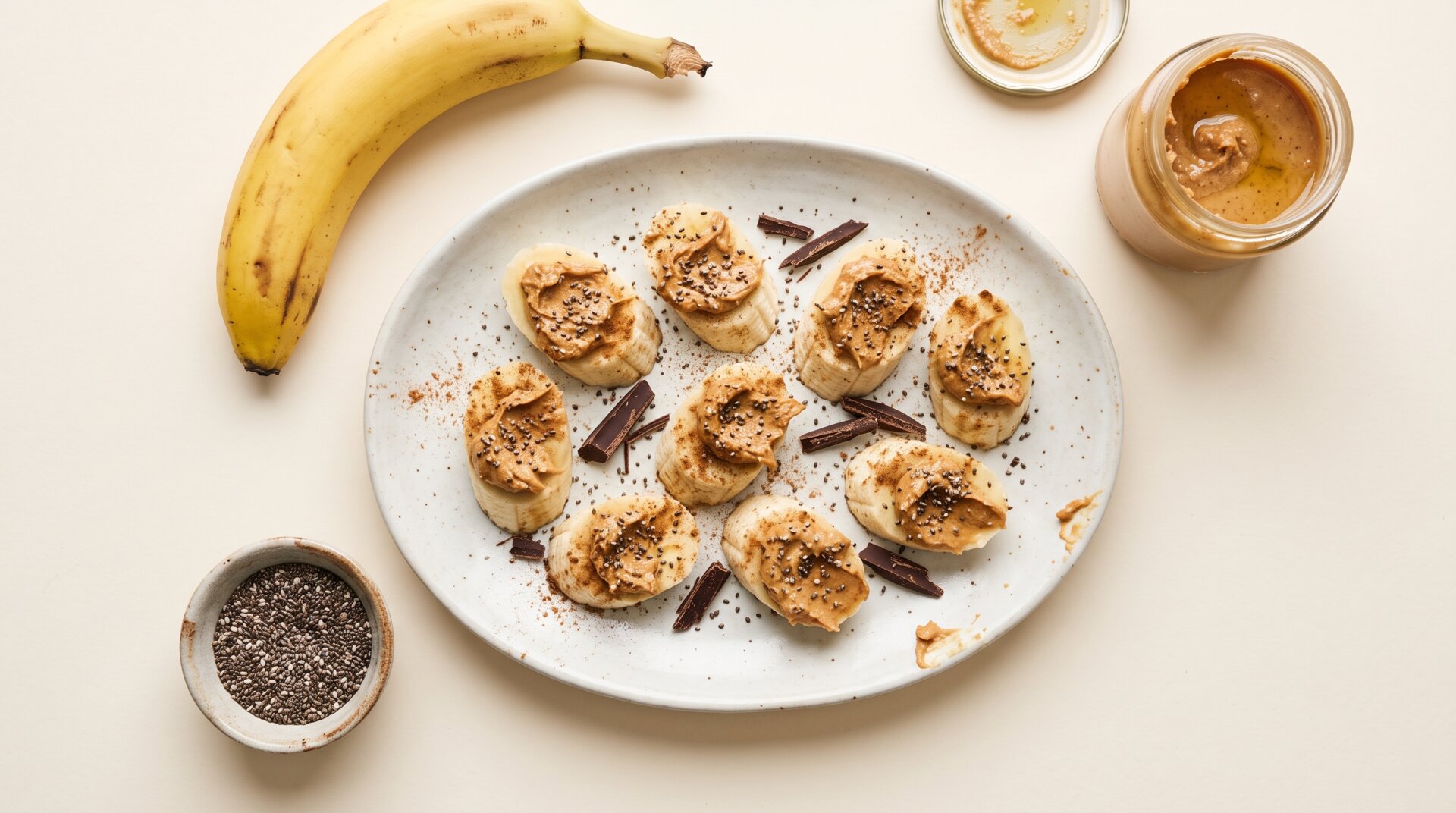 Banana with Peanut Butter and Chia Seeds 3 min Creamy, sweet and ready in three minutes
  280 kcal
  9g protein 1 synergies
 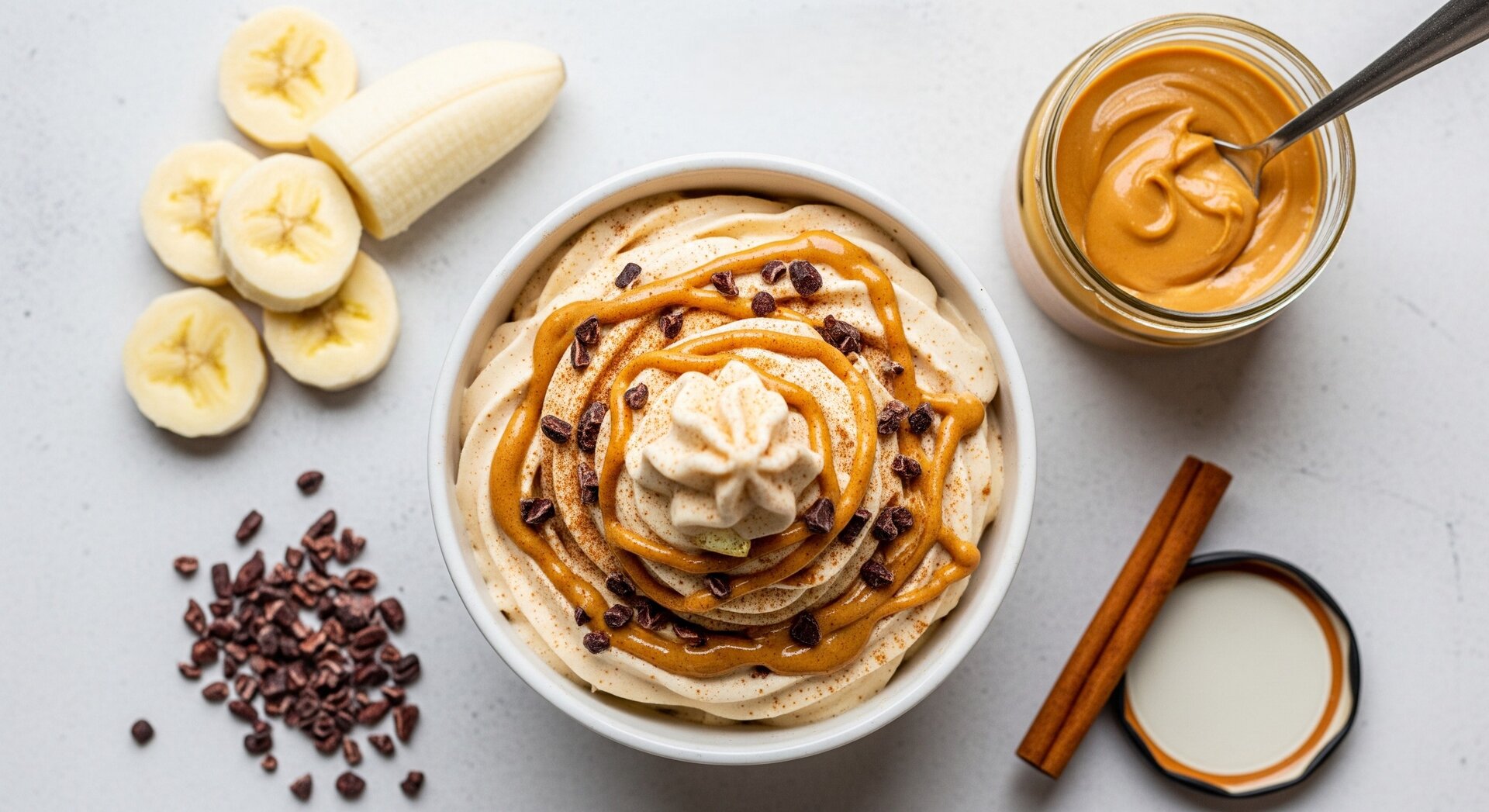 Banana-Peanut Butter Nice Cream with Cacao Nibs 5 min Creamy vegan ice cream from frozen banana with peanut butter and crunchy cacao nibs 201 kcal 6g protein 2 synergies
 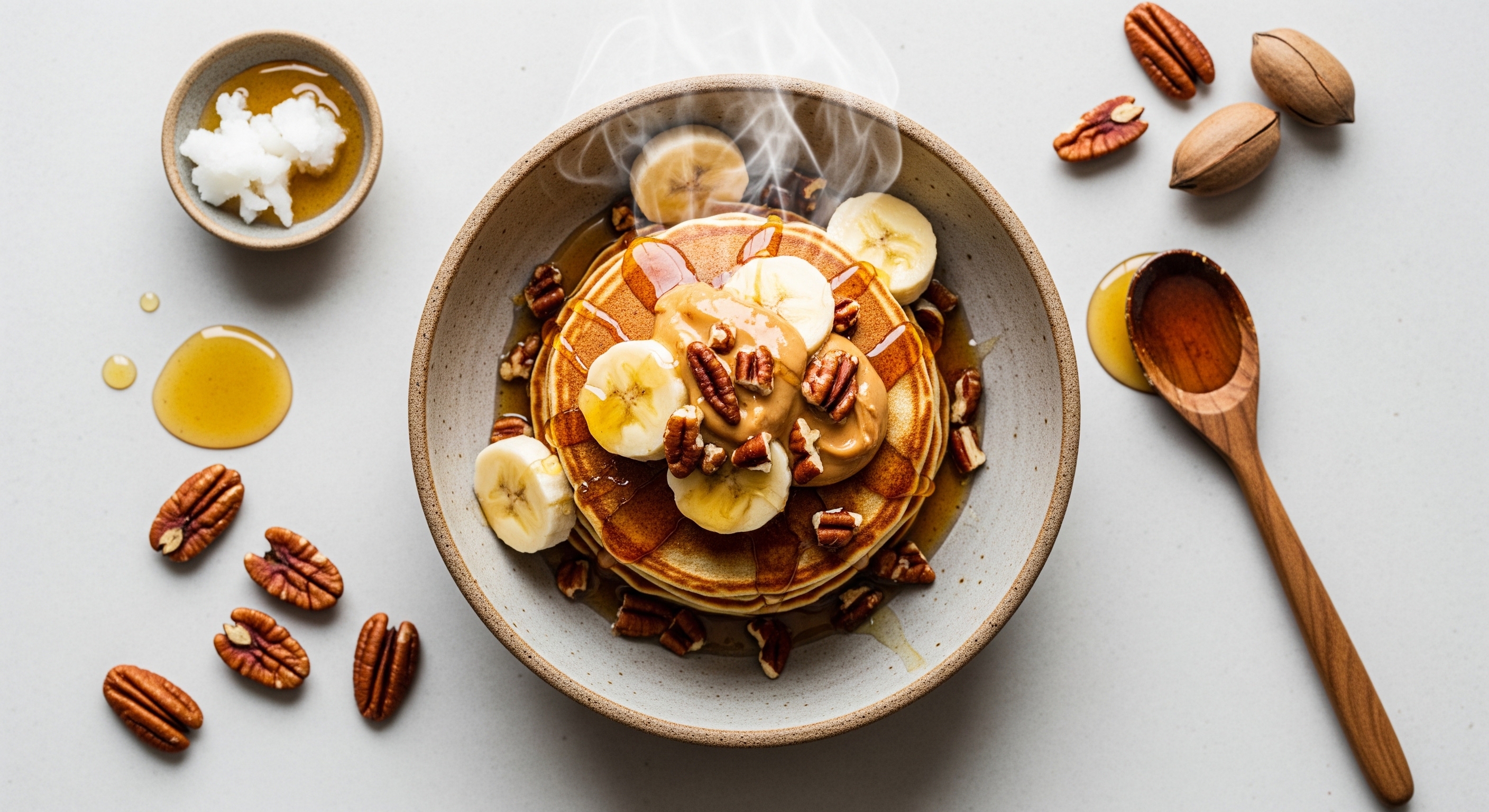 Banana Pancakes with Nuts & Honey 25 min Fluffy oat pancakes with crunchy pecan nuts and golden honey 738 kcal 25g protein 2 synergies
 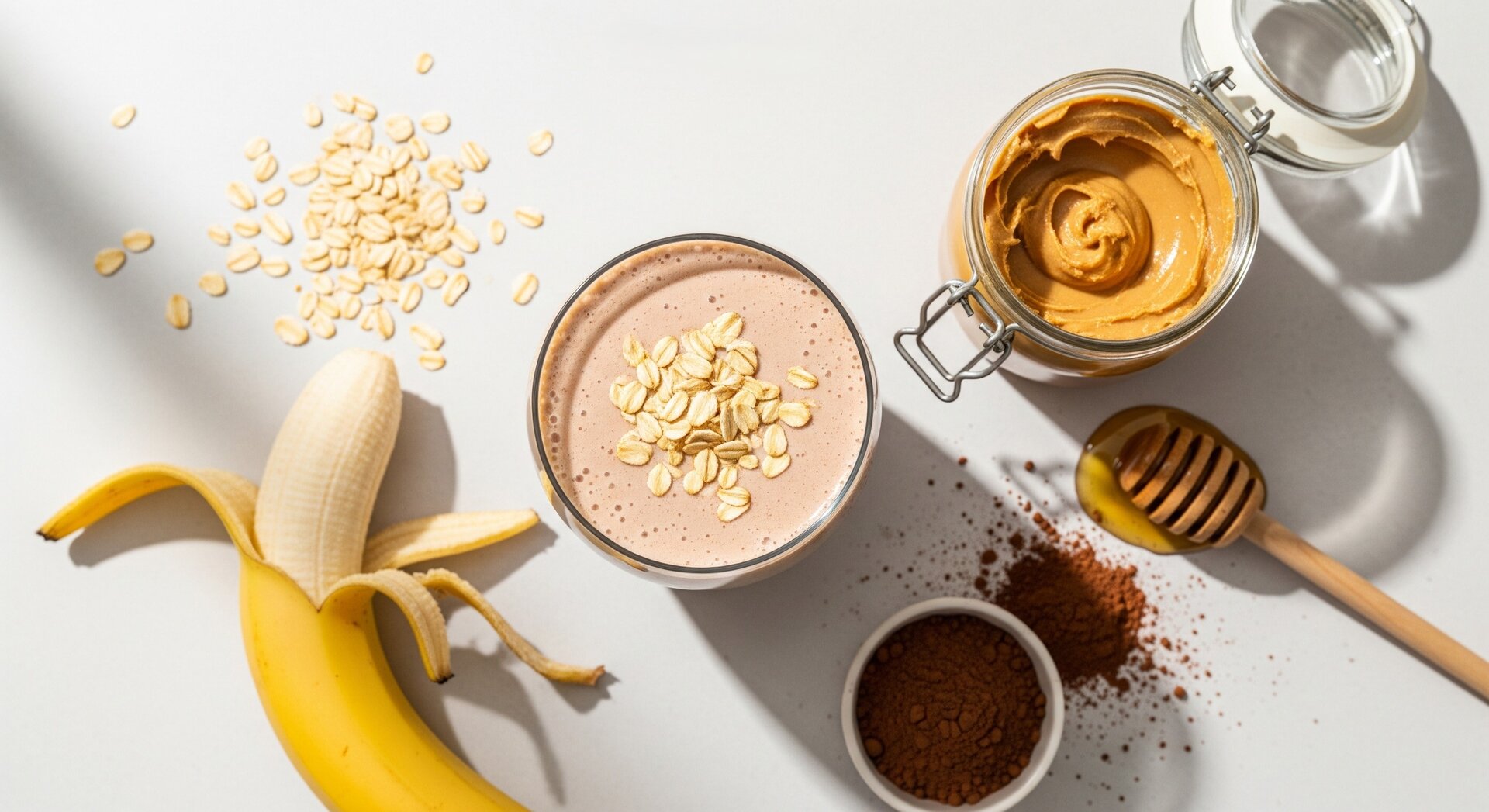 Chocolate Peanut Butter Protein Shake 5 min Hearty shake with raw cacao, peanut butter and oats 1149 kcal 53g protein 2 synergies
 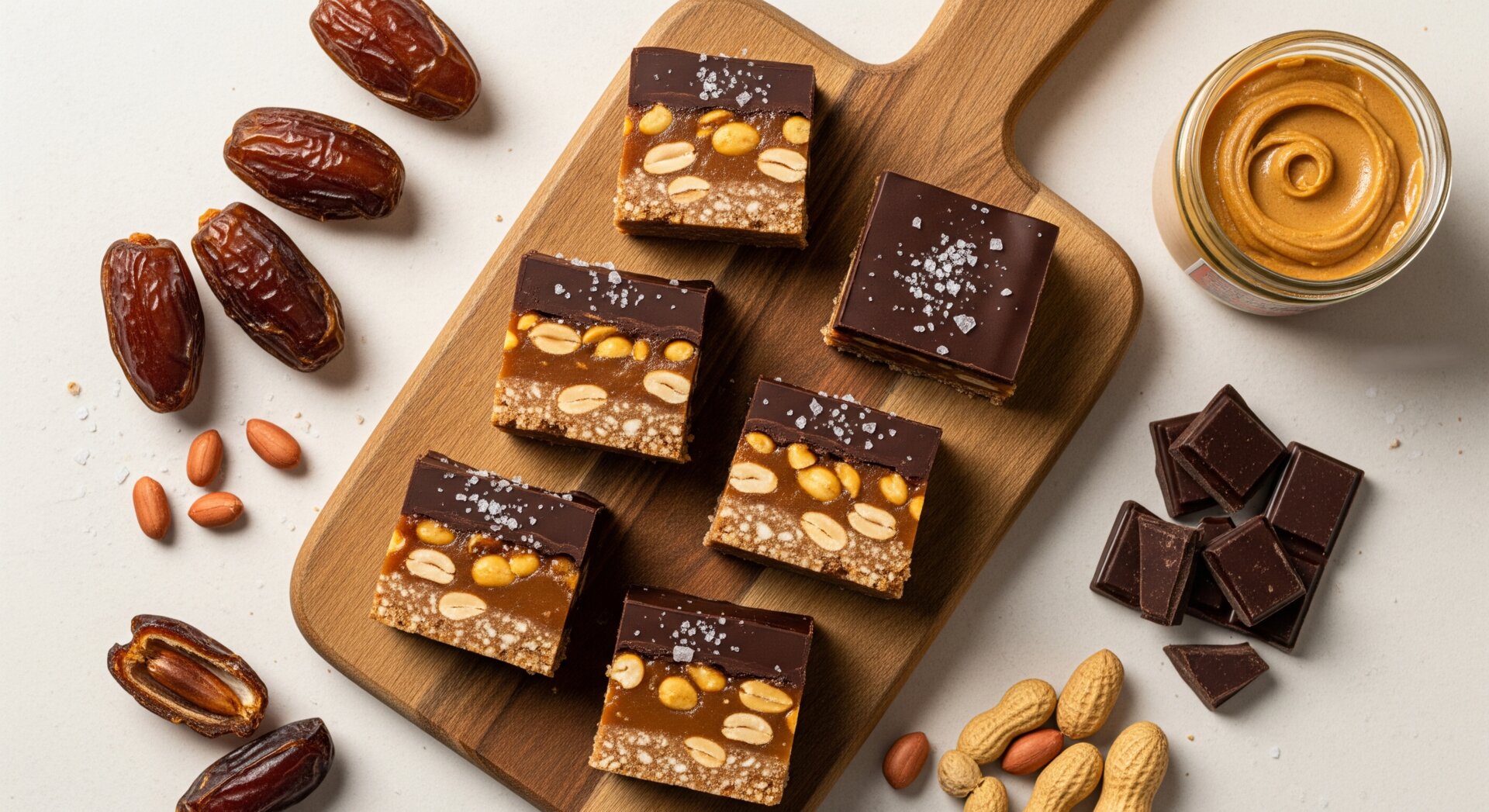 Date-Peanut-Chocolate Bars 80 min Chocolate bars with date caramel and crunchy peanuts 185 kcal 5g protein 2 synergies
 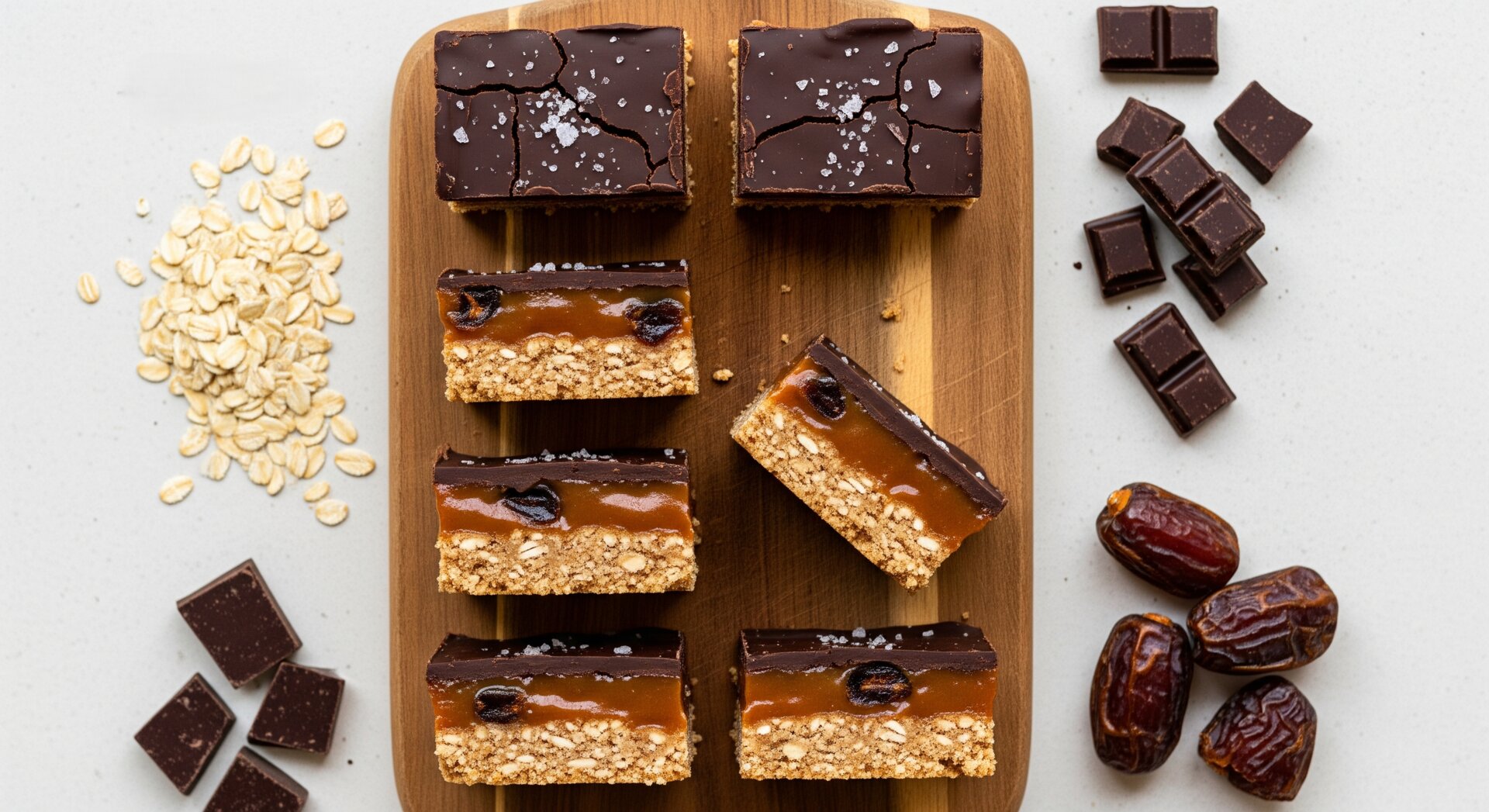 Oat-Caramel Bars 95 min Three-layer bars with an oat-biscuit base, date-peanut caramel and dark chocolate — without refined sugar 210 kcal 4g protein 2 synergies
  In the Kitchen
Storage
Location:Pantry
Substitutes
Smart preparation
1Stir natural peanut butter well; the oil often separates.
Why?
This evens out the texture and blends the oil back into the paste.
2Briefly warm peanut butter before adding it to sauces.
Why?
Warm peanut butter mixes more easily with water, coconut milk, broth or soy sauce.
3Store natural peanut butter in the fridge after opening when possible.
Why?
Without preservatives, the oil can go rancid faster, especially with heat and light.
Caution / Warnings
Peanut Butter is very safe, but there are scientific considerations:
Peanut allergy Severe
Peanuts are among the most common food allergens and can cause strong reactions in sensitive people.
Advice:
Avoid completely with a peanut allergy. Check labels carefully and watch for cross-contact in production or food service.
Aflatoxin contamination Moderate
Peanuts can contain aflatoxins when drying, storage or transport are not well controlled.
Advice:
Choose reliable brands, store cool and dry, and do not use peanut butter with a musty smell, bitter taste, mold or discoloration.
Added sugars and palm oil Moderate
Some commercial versions contain added sugars, hardened fats, palm oil or emulsifiers, so composition and taste can vary widely.
Advice:
Read the ingredient list. For everyday use, a short list is ideal: peanuts, optionally a little salt.
Traditional use
African
Peanut Paste in African Cuisine
Ground peanuts as a paste have been used in West Africa for centuries as a base for rich stews, soups and sauces.
Summary
Peanut butter = concentrated peanut spread with protein, fiber and resveratrol. Per 100 g it provides about 25 g protein, 8 g fiber, unsaturated fats and resveratrol, a polyphenol also found in red wine. Useful on bread, in oatmeal, smoothies or satay sauce. ⚠️ Choose 100% peanut varieties without added sugars or palm oil when possible, and pay attention to quality and storage to limit aflatoxin risk.