- Easy
- 370 min
- 2 serv.
- 14 synergies
- Now at its best: Walnuts
Thick, creamy overnight oats with full-fat coconut milk and chunks of almond butter, streaked with chia seeds and topped with crunchy walnuts, banana slices and a shower of coconut flakes. Prepared the evening before, breakfast without rush the next morning.
You open the fridge and there it sits: a jar of overnight oats that has transformed in the silence of the night into something magical. The oats have fully absorbed the coconut milk and swollen into a pudding-like mass. Every spoonful pulls streaks of almond butter along, slowly melting on your tongue with that deep, nutty warmth. The chia seeds give a subtle popping sensation, while the rough walnuts on top deliver a serious crunch. Fresh banana slices bring natural sweetness, and the drizzle of honey is almost unnecessary — but you do it anyway, because that golden thread over the coconut flakes completes the picture.
- 10
- min prep
- 0
- min cook
- 370
- min total
Nutritional Synergies
This recipe combines ingredients that enhance each other:
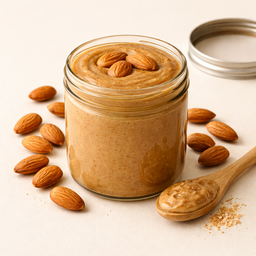 Almond Butter
 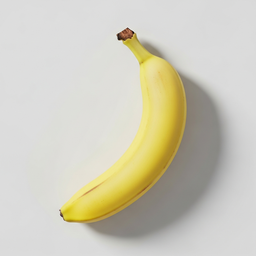 Banana
 Magnesium + tryptophan for better sleep and muscle relaxation
Technical: Almond butter contains 270mg magnesium per 100g (68% RDA). Banana provides tryptophan, an amino acid converted via serotonin to melatonin (sleep hormone). Magnesium activates GABA receptors — the brake on your nervous system — and regulates melatonin receptors. This dual approach shortens sleep onset and improves sleep quality.
What does this mean for you? Eat a banana with almond butter 1-2 hours before bed. The magnesium calms your muscles and nerves, while the banana signals your body to produce melatonin.
SleepStress ReliefMuscle Gain
Banana 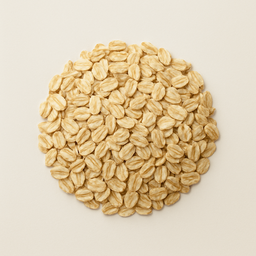 Oatmeal
 Perfect breakfast combination for sustained energy
Technical: Banana contains fast carbohydrates (glucose, fructose, sucrose — 22g per 100g) and 358mg potassium. Oatmeal provides beta-glucans (4g per 100g) — soluble fiber that forms a gel and slows carbohydrate absorption. The combination offers layered energy release: first quick energy from banana, then slow energy from oats. Both also contain tryptophan for serotonin production.
What does this mean for you? Oatmeal with banana is the perfect breakfast for sustained energy without the 11am dip. The banana makes it sweeter without sugar, and potassium helps with fluid balance and muscle function. Add nuts for even more satiety.
EnergyMuscle Gain
Banana 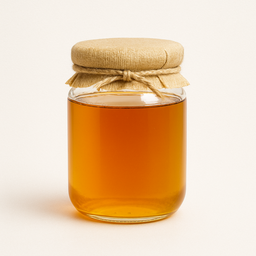 Honey
Honey Quick + slow sugars with potassium for sport and recovery
Technical: Banana contains 358mg potassium and 22g carbohydrates (mix of glucose, fructose, sucrose). Honey provides quick glucose + fructose plus prebiotic FOS. The combination offers immediate energy (honey) plus slower energy (banana starch) and electrolytes (potassium).
What does this mean for you? Banana with honey is an ideal pre- or post-workout snack. The potassium prevents muscle cramps, the sugars replenish glycogen.
EnergyMuscle GainDigestion
Banana 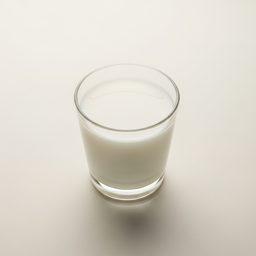 Coconut Milk
 MCTs improve nutrient absorption, potassium + electrolytes
Technical: Banana contains 358mg potassium per 100g and quick carbohydrates. Coconut milk contains MCTs (medium-chain triglycerides) that go directly to the liver for energy and improve absorption of fat-soluble vitamins. The combination offers both immediate and sustained energy.
What does this mean for you? The perfect smoothie base: banana for creaminess and potassium, coconut milk for healthy fats and tropical flavor. Ideal as breakfast or post-workout.
EnergyMuscle GainDigestion
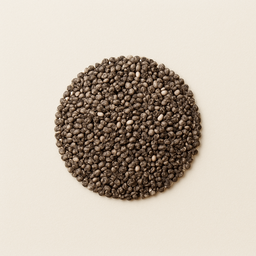 Chia Seeds Banana
 Sustained energy through fiber + quick sugars
Technical: Chia seeds contain 34g fiber per 100g and absorb up to 12x their weight in liquid, forming a gel in the gut. This slows absorption of banana's fast sugars (fructose and glucose). The result: a slower, more stable blood sugar rise instead of a sharp spike followed by a dip.
What does this mean for you? Make chia pudding with banana slices or mix chia seeds into your banana smoothie. The banana gives instant energy, the chia seeds make that energy last for hours.
Energy
Chia Seeds Honey Fiber + prebiotics for the microbiome and satiety
Technical: Chia seeds contain 34g fiber per 100g forming a gel in the gut promoting satiety. Honey contains prebiotic oligosaccharides (FOS) feeding beneficial gut bacteria. Together they support the microbiome.
What does this mean for you? Mix chia pudding with a spoonful of raw honey. The honey sweetens and feeds your good gut bacteria.
DigestionEnergyBlood Sugar
Chia Seeds Coconut Milk Perfect chia pudding base
Technical: Chia seeds contain ALA omega-3 fatty acids that are fat-soluble. The MCTs (medium-chain triglycerides) in coconut milk are rapidly absorbed and form a fat matrix that increases bioavailability of omega-3 from chia seeds. Additionally, chia seeds absorb the liquid forming a pudding-like texture with optimal nutrient delivery.
What does this mean for you? Soak chia seeds overnight in coconut milk for the perfect pudding. The coconut fat helps your body absorb more omega-3 from the chia seeds.
HeartDigestion
Oatmeal 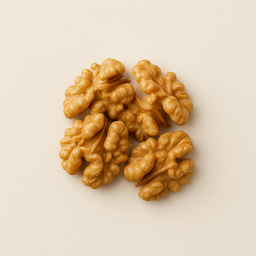 Walnuts
 Soluble fiber + omega-3 for lipid profile and cognition
Technical: Oatmeal's beta-glucans form a gel in the gut that binds bile acids. Walnuts provide ALA omega-3 (9g/100g), melatonin and ellagic acid. The combination supports the lipid profile via two routes: bile acid binding + omega-3 metabolism.
What does this mean for you? Oatmeal with walnuts is a breakfast classic that is genuinely synergistic. The beta-glucans and omega-3 both support your lipid profile, the melatonin in walnuts contributes to your circadian rhythm.
HeartFocus
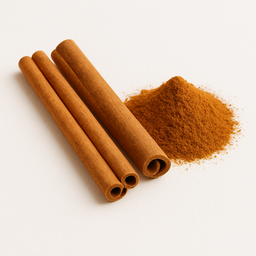 Cinnamon Banana
 Cinnamon with banana: warm spiced combination
Technical: Banana contains 12g sugars per 100g (GI 51). Cinnamaldehyde from cinnamon slows gastric emptying and modulates insulin signaling via AMPK activation and MHCP. Studies report a flatter postprandial glucose curve. Sugars are absorbed more gradually instead of as a sharp spike.
What does this mean for you? Sprinkle banana slices with cinnamon as a snack or in your oatmeal. The cinnamon flattens the banana's sugar spike, keeping your energy stable longer.
EnergyWeight Loss
Cinnamon Oatmeal Flattens the sugar spike after carbohydrate-rich meals
Technical: Oatmeal contains complex carbohydrates that raise blood sugar. Cinnamon's MHCP (methylhydroxy chalcone polymers) increase insulin activity up to 20x and cinnamaldehyde activates AMPK, improving glucose transport to cells. This lowers postprandial glucose peak by 18-29% and extends satiety.
What does this mean for you? Always add cinnamon to your oatmeal, apple or banana bread. The cinnamon helps keep your blood sugar more stable after these carb-rich meals.
EnergyWeight Loss
Cinnamon Honey Traditional warm combination of cinnamon and honey
Technical: Cinnamon contains cinnamaldehyde and proanthocyanidins with bioactive action via cell wall disruption. Honey's glucose oxidase produces hydrogen peroxide with bioactive action, while honey's high viscosity forms a physical barrier. Two independent bioactive mechanisms that work more broadly together.
What does this mean for you? Cinnamon + honey in warm tea — a classic combination. Both have bioactive action via different pathways — broader together than alone.
Immune System
Cinnamon Walnuts Cinnamon's insulin sensitivity + walnut omega-3 for metabolic health
Technical: Cinnamaldehyde activates AMPK and improves insulin signaling, while walnuts' ALA (alpha-linolenic acid) and ellagitannins regulate fat metabolism via PPARγ activation. Together they improve glucose metabolism via two complementary pathways.
What does this mean for you? Sprinkle walnuts with cinnamon as a snack or in your oatmeal — a delicious combination that supports your blood sugar and fat metabolism.
Blood SugarHeartWeight Loss
Coconut Milk Honey MCTs + prebiotics for gut flora and energy
Technical: Coconut milk contains lauric acid (MCT) that is quickly converted to energy. Honey contains prebiotic oligosaccharides (FOS) feeding beneficial gut bacteria. The combination offers quick energy plus gut flora support.
What does this mean for you? Add honey to coconut milk-based smoothies, chia puddings or warm drinks. The MCTs provide quick energy while the prebiotics feed your gut flora.
EnergyDigestionImmune System
Walnuts Honey ALA omega-3 + enzymatic honey: complementary bioactive pathways
Technical: Walnuts' ALA (omega-3) influences prostaglandin metabolism via complementary biochemical pathways. Honey's glucose oxidase produces hydrogen peroxide. Together they provide two complementary bioactive pathways: walnuts via the omega-3 → prostaglandin pathway, honey via enzymatic activity.
What does this mean for you? Walnuts with honey is a classic combination — the omega-3 fatty acids influence prostaglandin metabolism, honey provides enzymes such as glucose oxidase. Two complementary pathways in one snack.
HeartImmune SystemEnergy
Ingredients (11)
+8 more ingredients
Instructions
- 1 In a large bowl (or 2 sealable jars), combine the oats, chia seeds, cinnamon and sea salt. Pour in the coconut milk and water and stir well.
Nutrition per serving
Indicative values per serving.
Timing & Suitability
Shelf life: 3 days in fridge
Tags & Diet
Allergens: Nuts, Gluten