- Easy
- 30 min
- 2 serv.
- 14 synergies
- Now at its best: Tomato
A generous breakfast platter as you'd find in Cairo, Beirut or Amman: warm fava beans stewed with cumin and lemon, creamy hummus, boiled eggs, crisp vegetables, salty feta and fragrant za'atar — all scooped together with warm pita bread.
This is breakfast as it's meant to be in the Middle East: not hurried, but a slow ritual where you set dish after dish on the table. The fava beans simmer gently in their own juices with cumin and a generous squeeze of lemon until they just start to fall apart — some mashed for creaminess, others left whole for texture. Next to it a mound of smooth hummus with a well of olive oil and a thick layer of za'atar. Halved eggs, diced tomato and cucumber with parsley, crumbled feta, glistening Kalamata olives — everything is color, everything is flavor. Tear off a piece of warm pita and scoop through it all.
- 15
- min prep
- 15
- min cook
- 30
- min total
Nutritional Synergies
This recipe combines ingredients that enhance each other:
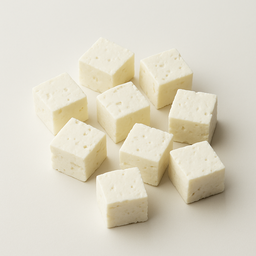 Feta Cheese
 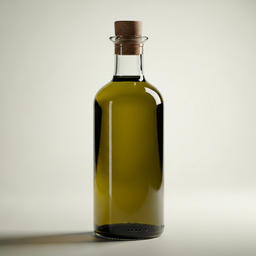 Olive Oil
 Olive oil improves calcium absorption from feta
Technical: Feta contains 493mg calcium per 100g. Fat-soluble vitamins D and K2 are needed for calcium absorption. Olive oil contains mono-unsaturated fats that improve absorption of these vitamins and minerals. Olive oil also contains oleuropein involved in bone metabolism.
What does this mean for you? Always drizzle feta with olive oil — the Mediterranean tradition of feta with olive oil is scientifically smart.
JointsMuscle Gain
Feta Cheese 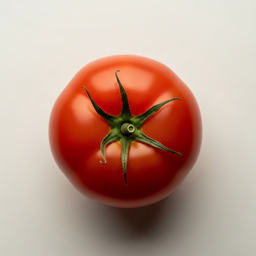 Tomato
 Greek salad synergy - fat for lycopene absorption
Technical: Tomato contains lycopene, a carotenoid that is fat-soluble. Feta contains 21g fat per 100g that dissolves lycopene and promotes micelle formation in the gut, increasing absorption up to 4x. Feta's calcium (493mg/100g) — calcium contributes to the maintenance of normal bones (EFSA-approved). The Greek salad is a scientifically optimal combination.
What does this mean for you? Always combine feta with tomato (and olive oil) — exactly like in a Greek salad. The fat from feta ensures you absorb 4x more lycopene.
HeartSkin & HairJoints
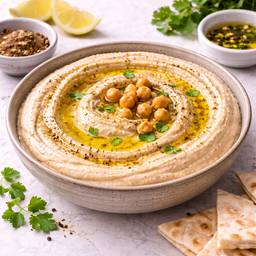 Hummus Olive Oil
 Legume protein + polyphenols for lipid profile support
Technical: Hummus (chickpeas + tahini) provides plant protein (8g/100g), fiber (4g), iron (1.6mg) and saponins that bind bile acids. Olive oil adds oleocanthal (bioactive phenol, COX modulation) and hydroxytyrosol (LDL oxidation inhibitor). Together they support the lipid profile via two mechanisms: saponins bind bile acids in the gut, olive oil polyphenols protect LDL from oxidation.
What does this mean for you? Always pour a generous drizzle of extra virgin olive oil over your hummus. This isn't just for taste — the olive oil combines with chickpea saponins for optimal lipid profile support.
HeartAnti-inflammatory
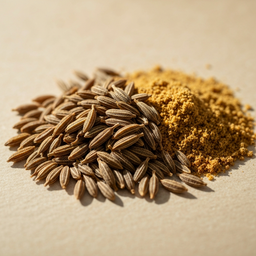 Cumin Olive Oil
 Fat activates volatile oils and increases cuminaldehyde absorption
Technical: Cumin's active compounds (cuminaldehyde, cymene, terpinene) are volatile, fat-soluble compounds. Frying in olive oil extracts and stabilizes these compounds, and the fat improves their gut absorption.
What does this mean for you? Briefly fry cumin in olive oil before adding other ingredients (tadka/tempering). This is why Indian and Middle Eastern cuisines always fry cumin in oil.
DigestionAnti-inflammatoryBlood Sugar
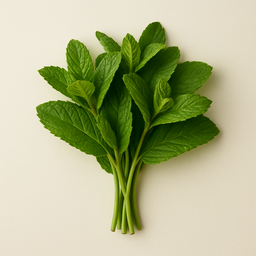 Mint
Mint 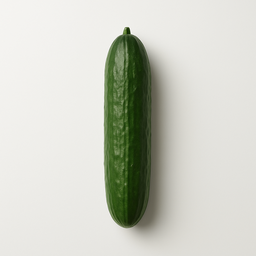 Cucumber
 Ultimate cooling: menthol + water-rich food
Technical: Mint contains menthol (40-50% of essential oil) that activates TRPM8 cooling receptors - you feel cooling without temperature drop. Cucumber is 96% water and provides electrolytes. Together they offer both physiological and sensory cooling.
What does this mean for you? Add fresh mint to cucumber water or raita. Ideal in hot weather, after exercise, or for hot flashes. The combination works better than either ingredient alone.
DigestionStress ReliefEnergy
Olive Oil Tomato Mediterranean golden rule: fat increases lycopene absorption 4x
Fat significantly increases lycopene bioavailability (PMID: 15927929)
Technical: Tomatoes contain lycopene (3-7mg per 100g), a carotenoid with strong antioxidant action. Lycopene is fat-soluble with only 10-15% absorption without fat. Olive oil increases this to 40-60% (2.5-4x improvement). Cooking further increases lycopene bioavailability.
What does this mean for you? Always add olive oil to tomato dishes — sauces, salads, bruschetta. This is why Mediterranean cuisine is so healthy. Cooked tomatoes with olive oil = maximum lycopene.
HeartSkin & Hair
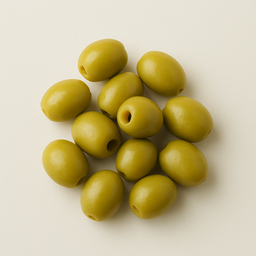 Olives Feta Cheese
 Mediterranean combination: healthy fats + calcium
Technical: Olives contain oleuropein (antioxidant) and mono-unsaturated fats (75%). Feta provides calcium (493mg/100g) and fat-soluble vitamins. The fats from olives improve absorption of calcium and vitamin D from feta.
What does this mean for you? The classic Greek combination of olives and feta is not only delicious but also nutritionally smart. Perfect in salads or as meze.
HeartJointsAnti-inflammatory
Olives Tomato Fat-rich olives increase lycopene absorption from tomato
Technical: Olives contain 15-20% mono-unsaturated fat that increases lycopene (fat-soluble carotenoid) absorption from tomatoes by 2-4x. Olives also contain hydroxytyrosol, a powerful antioxidant that works synergistically with lycopene.
What does this mean for you? Add olives to your tomato salad or bruschetta. The Mediterranean tradition is based on centuries of culinary wisdom and science.
HeartSkin & HairAnti-inflammatory
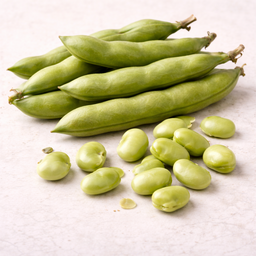 Fava Beans Olive Oil
 Fat increases absorption of fat-soluble vitamins from fava beans
Technical: Fava beans contain L-DOPA (dopamine precursor) and folate (B9). Olive oil's fats improve absorption of fat-soluble nutrients and protect L-DOPA from oxidation.
What does this mean for you? Serve fava beans with olive oil (classic in foul medames). The oil maximizes nutrient absorption.
EnergyFocus
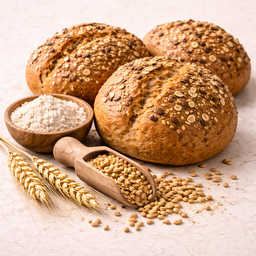 Whole Wheat Buns
  Eggs
Eggs Complex carbs + complete protein for sustained energy
Technical: Whole grain rolls provide slow glucose from starch plus B-vitamins for energy metabolism. Eggs offer complete protein (6g per egg, PDCAAS 1.0) with all essential amino acids plus choline (147mg). The combination stabilizes blood sugar as protein modulates insulin response, while B-vitamins from both sources support mitochondrial energy metabolism.
What does this mean for you? An egg on whole grain bread is the perfect breakfast for stable energy all morning. The protein from the egg slows the absorption of carbohydrates from the bread.
EnergyMuscle GainFocus
Whole Wheat Buns Olive Oil Whole grain fiber + oleic acid slow glucose absorption
Technical: Whole grain rolls contain 6-8g fiber per 100g that slow gastric emptying. Olive oil's oleic acid (73%) activates the ileal brake mechanism via GLP-1 secretion, reducing glycemic response by 20-30%. The combination of insoluble fiber + monounsaturated fat creates a double inhibitory effect on carbohydrate digestion.
What does this mean for you? Dip your whole grain roll in good olive oil instead of butter. Your blood sugar rises much more gradually, keeping you satisfied longer without energy crashes.
Blood SugarEnergyHeart
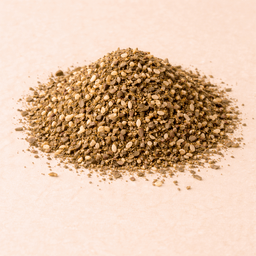 Za'atar Olive Oil
 Thymol and carvacrol from zaatar are fat-soluble, olive oil increases absorption
Thymol and carvacrol are lipophilic monoterpenes with antimicrobial properties (PMID: 31009261)
Technical: Thymol and carvacrol are the main active compounds in zaatar (thyme, oregano) and are fat-soluble. Olive oil forms mixed micelles improving absorption up to 3x. Traditional Levantine combination where bread is dipped in zaatar+olive oil mixture.
What does this mean for you? The traditional way of using zaatar (with olive oil) is scientifically perfect. The fat-soluble bioactive compounds are optimally absorbed this way.
Immune SystemDigestion
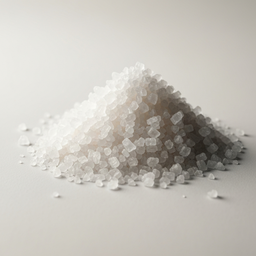 Sea Salt Tomato
 Minerals improve flavor perception and electrolyte balance
Technical: Sea salt contains trace minerals (magnesium, potassium, calcium) besides sodium. Tomato is rich in potassium (237mg/100g) and lycopene. Avocado adds magnesium (29mg) and potassium (485mg). Together they form a broad electrolyte profile: sodium (salt) + potassium (tomato/avocado) + magnesium (avocado) — essential for fluid balance and nerve function.
What does this mean for you? Sprinkle tomato and avocado with a pinch of sea salt. This is more than flavor — the minerals complement each other for a complete electrolyte balance.
HeartEnergy
Sea Salt Olive Oil Minerals + polyphenols for cellular balance
Technical: Sea salt's sodium is essential for the sodium-potassium pump (Na+/K+-ATPase) that regulates every body cell. Olive oil's oleuropein and hydroxytyrosol provide antioxidant protection for cell membranes. The combination supports cell integrity: sea salt regulates ion balance, olive oil protects the membrane. In Mediterranean cuisine, coarse sea salt + olive oil is the most basic flavor profile.
What does this mean for you? Freshly ground sea salt with extra virgin olive oil is the simplest and most nutritious finishing of any dish. The combination provides the basic needs of your cells: minerals for function, polyphenols for protection.
HeartGeneral Wellness
Ingredients (16)
- Fava Beans — 240 g canned, drained
- Hummus — 120 g store-bought or homemade
- Olive Oil — 40 ml extra virgin, divided
- Eggs — 2 pcs
Instructions
- 1 Boil the eggs: place them in a pan with cold water, bring to a boil and cook for 10 minutes. Rinse under cold water, peel and halve.
- 2 Prepare the ful medames: warm the fava beans in a saucepan over low heat with the cumin, a splash of olive oil and the lemon juice. Lightly mash some of the beans with a fork and leave the rest whole for texture. Heat for 5 minutes.
Nutrition per serving
Indicative values per serving.
Timing & Suitability
Shelf life: 1 days in fridge
Tags & Diet
Allergens: Gluten, Eggs, Dairy, Sesame