- Easy
- 15 min
- 2 serv.
- 12 synergies
- Now at its best: Corn
A vibrant Mexican salad with black beans, corn, avocado and a tangy lime-cumin dressing. Ready in fifteen minutes.
Black beans, roasted corn, creamy avocado and a handful of cilantro — this is the salad that empties the bowl at every Mexican garden party. The lime-cumin dressing is sharp enough to perk up the beans but mild enough not to overshadow the avocado. Red pepper and tomato provide colour and crunch, red onion a bit of bite. Cut everything into equal cubes, add the avocado at the last moment so it doesn't brown, and toss gently — you want pieces, not mush. On the table in fifteen minutes, and even better in a wrap the next day.
- 15
- min prep
- 0
- min cook
- 15
- min total
Nutritional Synergies
This recipe combines ingredients that enhance each other:
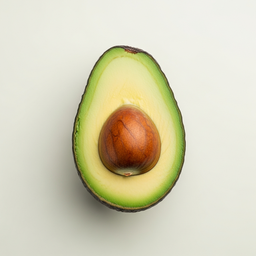 Avocado
 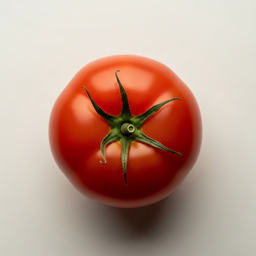 Tomato
 2.6x more lycopene absorption from salad/salsa
Technical: Tomatoes contain lycopene (3-8mg per 100g), a fat-soluble carotenoid with extremely low bioavailability without a fat carrier (<5%). Avocado contains 15g mono-unsaturated fats per 100g that stimulate micelle formation in the gut. Studies show 2.6x higher lycopene absorption when tomato is combined with avocado. Avocado also contains glutathione — a master antioxidant.
What does this mean for you? Guacamole with tomato, avocado toast with tomato, or a caprese with avocado — all these combinations ensure you absorb up to 2.6x more lycopene. Without fat, the lycopene literally slides right through your body.
Immune SystemSkin & Hair
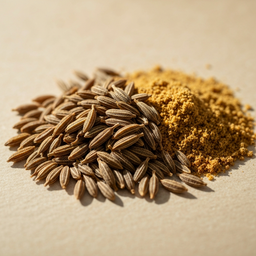 Cumin
Cumin 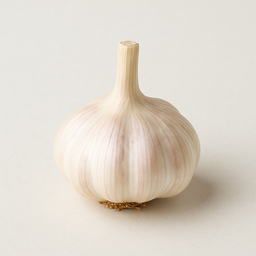 Garlic
 Double digestive support: enzymes + bioactive compounds
Technical: Cumin promotes digestive enzyme activity (amylase, lipase, protease) and increases bile flow. Garlic's allicin has broad bioactivity targeting pathogenic gut bacteria while sparing beneficial ones.
What does this mean for you? Fry garlic and cumin together as base for curries, soups and stews. Classic combination in virtually every cuisine in the world.
DigestionImmune System
Cumin 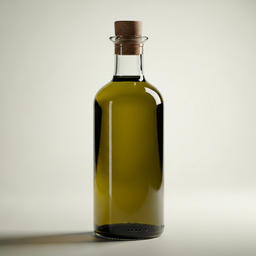 Olive Oil
 Fat activates volatile oils and increases cuminaldehyde absorption
Technical: Cumin's active compounds (cuminaldehyde, cymene, terpinene) are volatile, fat-soluble compounds. Frying in olive oil extracts and stabilizes these compounds, and the fat improves their gut absorption.
What does this mean for you? Briefly fry cumin in olive oil before adding other ingredients (tadka/tempering). This is why Indian and Middle Eastern cuisines always fry cumin in oil.
DigestionAnti-inflammatoryBlood Sugar
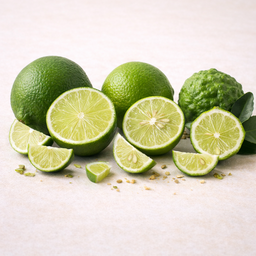 Lime Avocado
 Lime juice prevents oxidation of avocado
Technical: Avocado's high unsaturated fat content (oleic acid, 10g per 100g) makes it vulnerable to oxidation upon air exposure. Polyphenol oxidase (PPO) oxidizes phenolic compounds into brown melanins. Lime's vitamin C (29mg per 100g) and citric acid work as double protection: vitamin C reduces quinones back, citric acid lowers pH below PPO optimum (pH 5-7), inhibiting the enzyme.
What does this mean for you? Squeeze lime over your avocado in poke bowls, guacamole or salads. The classic Mexican combination protects both color and nutritional value. Lime works slightly milder than lemon but equally effective.
HeartSkin & HairAntioxidants
Lime Olive Oil Vitamin C + olive oil fats for iron absorption and antioxidant action
Technical: Lime's vitamin C (ascorbic acid) improves absorption of non-heme iron from plant sources. Olive oil's fat-soluble polyphenols (hydroxytyrosol) are better absorbed in combination with vitamin C, which acts as an antioxidant keeping the polyphenols stable.
What does this mean for you? Lime-olive oil dressing is a classic combination that helps your body absorb more iron and antioxidants from your salad.
Immune SystemEnergySkin & Hair
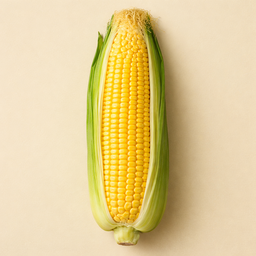 Corn Avocado
 Avocado fat increases zeaxanthin absorption from corn up to 5x
Technical: Corn is the richest food source of zeaxanthin (528μg/100g) — a carotenoid that accumulates in the macula lutea. Zeaxanthin is fat-soluble; avocado's 15g monounsaturated fats increase bioavailability up to 5x through micelle formation. Avocado also contains its own lutein (0.27mg/100g).
What does this mean for you? Corn with avocado (like in Mexican bowls) is a powerful combination for your eye pigments. Avocado makes corn's zeaxanthin truly absorbable — without fat most is lost.
General WellnessFocus
Corn 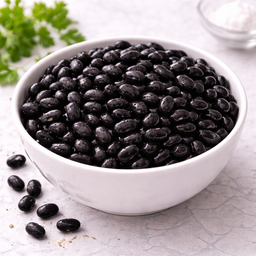 Black Beans
 Complete amino acid profile through lysine + tryptophan complementation
Technical: Corn lacks lysine (limiting amino acid, 0.26g/100g) but has sufficient methionine (0.20g) and tryptophan (0.07g). Black beans are rich in lysine (1.5g/100g) but low in methionine. Together they achieve a PDCAAS of 0.85+ — comparable to animal protein. This is the biochemical basis of millennia of Mesoamerican nutrition.
What does this mean for you? Corn tortilla with black beans — the basis of Mexican cuisine for millennia. Together they form complete protein without meat. Add lime for extra vitamin C and iron absorption.
Muscle GainGeneral Wellness
Olive Oil Garlic Aglio e olio: allicin + oleocanthal via complementary biochemical pathways
Technical: Garlic contains allicin (formed when cutting/crushing) that influences HMG-CoA reductase (involved in lipid metabolism). Olive oil contains oleocanthal that modulates COX-1/2 enzymes. Together they influence lipid metabolism and prostaglandin cascade via complementary biochemical pathways. The fat also helps absorb fat-soluble garlic compounds.
What does this mean for you? Gently warm garlic in olive oil (don't burn!) as the base for many dishes. This is why 'aglio e olio' pasta is so beloved — two bioactive compounds that reinforce each other.
HeartImmune System
Olive Oil Tomato Mediterranean golden rule: fat increases lycopene absorption 4x
Fat significantly increases lycopene bioavailability (PMID: 15927929)
Technical: Tomatoes contain lycopene (3-7mg per 100g), a carotenoid with strong antioxidant action. Lycopene is fat-soluble with only 10-15% absorption without fat. Olive oil increases this to 40-60% (2.5-4x improvement). Cooking further increases lycopene bioavailability.
What does this mean for you? Always add olive oil to tomato dishes — sauces, salads, bruschetta. This is why Mediterranean cuisine is so healthy. Cooked tomatoes with olive oil = maximum lycopene.
HeartSkin & Hair
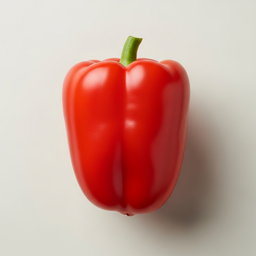 Red Bell Pepper Olive Oil
 Fat improves carotenoid absorption
Technical: Red pepper contains 3131μg beta-carotene per 100g — significantly more than green (208μg). Carotenoids are absorbed via passive transport with mixed micelles. Oleic acid (73% of olive oil) forms these micelles and increases beta-carotene absorption up to 5x (American Journal of Clinical Nutrition).
What does this mean for you? Roasted pepper with olive oil isn't just tasty but increases beta-carotene absorption up to 5x. Your body can barely absorb it without fat.
Immune SystemSkin & Hair
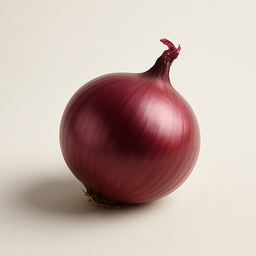 Red Onion Olive Oil
 Fat increases bioavailability of quercetin from red onion
Technical: Red onion contains 32-65mg quercetin per 100g — the richest food source. Quercetin is poorly water-soluble (2μg/mL) but dissolves well in fats. Olive oil increases quercetin oral bioavailability by 50-70% through lipid-based lymphatic transport instead of the portal vein.
What does this mean for you? Sauté red onion in olive oil (soffritto) for maximum quercetin absorption. Oil dissolves quercetin and improves transport to your bloodstream. Caramelizing also enhances flavor.
Anti-inflammatoryHeart
Black Beans 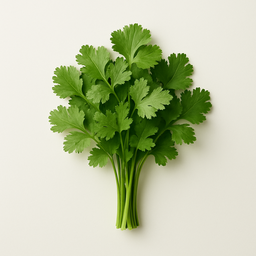 Cilantro
 Latin American combination: vitamin C increases iron absorption
Technical: Black beans contain 2.1mg iron per 100g cooked plus anthocyanins (same antioxidants as blueberries). Fresh cilantro contains 27mg vitamin C per 100g that increases iron absorption. The polyphenols in both ingredients enhance each other's antioxidant action.
What does this mean for you? Always garnish your black bean dish with fresh cilantro — this is why it's a staple in Mexican cuisine.
EnergyImmune System
Ingredients (11)
+8 more ingredientsInstructions
- 1 Whisk lime juice, olive oil, cumin, garlic, salt and pepper together in a small bowl until smooth.
Nutrition per serving
Indicative values per serving.
Timing & Suitability
Shelf life: 2 days in fridge