- Easy
- 45 min
- 2 serv.
- 8 synergies
- Now at its best: Potato
Creamy mash of floury potatoes and roughly mashed kale, finished with whole grain mustard and freshly grated nutmeg. Served with golden-brown pan-fried chicken thighs with crispy skin. A heartwarming winter dish from Dutch cuisine.
There are dishes that bring you back to the core of what cooking is: honest ingredients, warmth, and the aroma of something slowly coming together. This stamppot is such a dish. Floury potatoes that fall apart under the masher, woven through with dark green kale strands that still have a slight bite. A spoonful of whole grain mustard pulled through the mass, followed by a hint of nutmeg that ties everything together.
The chicken thighs are cooked separately — skin side down, patiently, until it crackles when you cut into it. The juices that release mingle with the olive oil in the pan, and when you spoon those last drops over the stamppot, you have everything this dish needs. The sautéed onion brings sweetness, the garlic depth, and the pepper a subtle warmth you only notice after a few bites. This is the kind of food that keeps you at the table on a cold evening, talking and serving, until the pan is empty.
- 15
- min prep
- 30
- min cook
- 45
- min total
Nutritional Synergies
This recipe combines ingredients that enhance each other:
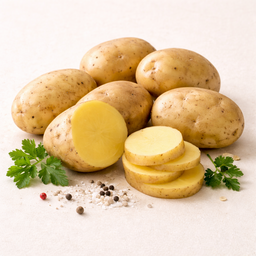 Potatoes
 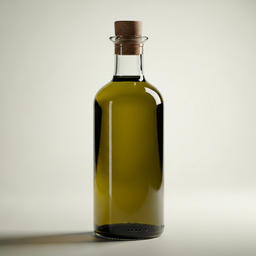 Olive Oil
 Olive oil improves carotenoid absorption from yellow potatoes
Technical: Yellow potato varieties contain up to 400μg carotenoids per 100g, including lutein and violaxanthin. These are fat-soluble and only 5-10% absorbed without fat. Olive oil's oleic acid (73%) forms mixed micelles increasing absorption up to 3x.
What does this mean for you? Roast or fry potatoes in olive oil — this significantly increases carotenoid absorption. Choose yellow varieties for maximum effect.
General WellnessSkin & Hair
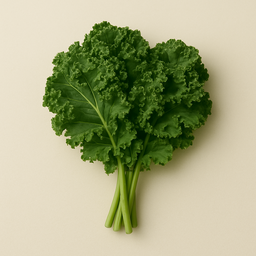 Fresh kale Olive Oil
 Olive oil increases absorption of kale's vitamin K and beta-carotene
Technical: Kale is extremely rich in vitamin K1 (phylloquinone) and beta-carotene (provitamin A), both fat-soluble. Without fat, only 5-10% is absorbed. Olive oil's unsaturated fats form micelles that increase absorption 5-15x.
What does this mean for you? Always sauté or massage your kale with olive oil — without fat you barely absorb any vitamins from this nutrient-dense leaf.
Immune SystemSkin & HairHeart
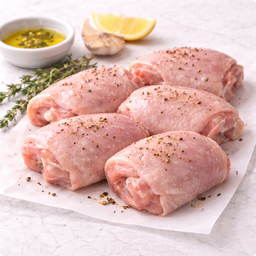 Chicken thighs
 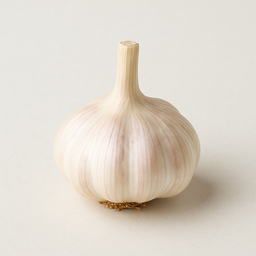 Garlic
 Classic combination: allicin for flavor and health
Technical: Chicken thighs contain more fat and flavor than breast, plus extra iron and zinc from dark meat. Garlic contains allicin that influences lipid metabolism. The sulfur compounds in garlic also help digest the fat in thighs.
What does this mean for you? Cook chicken thighs with lots of garlic — this is the basis of dishes like 'chicken with 40 cloves of garlic' and Moroccan tajines. The fat in thighs makes chicken juicier and garlic softer.
HeartImmune System
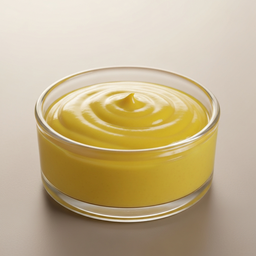 Mustard Olive Oil
 Perfect vinaigrette - mustard as emulsifier
Technical: Mustard contains mucilage (slime) acting as a natural emulsifier — it binds oil and vinegar into a stable vinaigrette. Mustard's sinigrin (glucosinolate) converts to allyl isothiocyanate with thermogenic and bioactive action. Olive oil provides oleocanthal and hydroxytyrosol.
What does this mean for you? Mustard vinaigrette is scientifically the perfect dressing. The mustard emulsifies, the olive oil provides polyphenols — and together they taste amazing.
Weight LossHeart
Olive Oil Garlic Aglio e olio: allicin + oleocanthal via complementary biochemical pathways
Technical: Garlic contains allicin (formed when cutting/crushing) that influences HMG-CoA reductase (involved in lipid metabolism). Olive oil contains oleocanthal that modulates COX-1/2 enzymes. Together they influence lipid metabolism and prostaglandin cascade via complementary biochemical pathways. The fat also helps absorb fat-soluble garlic compounds.
What does this mean for you? Gently warm garlic in olive oil (don't burn!) as the base for many dishes. This is why 'aglio e olio' pasta is so beloved — two bioactive compounds that reinforce each other.
HeartImmune System
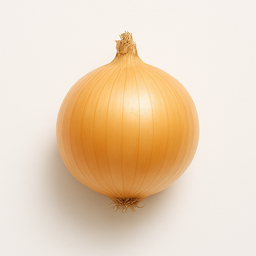 Onion Garlic
 More than 20 organosulfur compounds in one soffritto
Technical: Onion contains diallyl disulfide and quercetin (20-40mg/100g). Garlic contains allicin, ajoene and S-allylcysteine. Together they provide more than 20 different organosulfur compounds that modulate NF-κB. Allium crops are intensively studied in nutrition science for their unique sulfur chemistry.
What does this mean for you? Start every dish with sautéed onion and garlic — not just for flavor, but for the unique concentration of organosulfur compounds. Cut garlic 10 minutes before heating to allow allicin formation.
DigestionImmune System
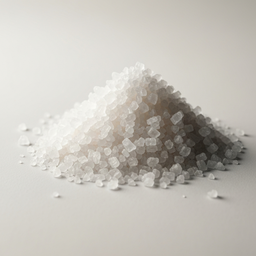 Sea salt Olive Oil
 Minerals + polyphenols for cellular balance
Technical: Sea salt's sodium is essential for the sodium-potassium pump (Na+/K+-ATPase) that regulates every body cell. Olive oil's oleuropein and hydroxytyrosol provide antioxidant protection for cell membranes. The combination supports cell integrity: sea salt regulates ion balance, olive oil protects the membrane. In Mediterranean cuisine, coarse sea salt + olive oil is the most basic flavor profile.
What does this mean for you? Freshly ground sea salt with extra virgin olive oil is the simplest and most nutritious finishing of any dish. The combination provides the basic needs of your cells: minerals for function, polyphenols for protection.
HeartGeneral Wellness
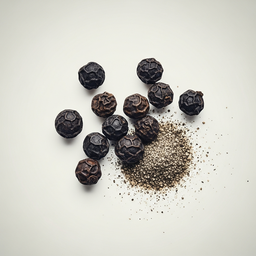 Black Pepper Olive Oil
 Fat increases piperine absorption and enhances polyphenols
Technical: Piperine is fat-soluble and absorbed 2-3x better with dietary fat. Olive oil's oleocanthal and piperine both modulate COX signal transduction through different mechanisms, providing additive bioactive effect.
What does this mean for you? Grind fresh pepper over salads with olive oil dressing. The combination enhances both pepper absorption and bioactive action.
Anti-inflammatoryHeartDigestion
Ingredients (10)
+8 more ingredientsInstructions
- 1 Peel potatoes and boil in salted water until tender (about 20 minutes).
- 2 Boil kale in a separate pan for 10 minutes until tender.
Nutrition per serving
Indicative values per serving.
Timing & Suitability
Shelf life: 3 days in fridge