- Medium
- 40 min
- 2 serv.
- 23 synergies
- Now at its best: Salmon
A colourful salmon bowl with teriyaki glaze, sesame rice, edamame, avocado, cucumber, carrot and nori. Savoury, fresh and generously filled.
This salmon bowl has everything a good bowl needs: warm rice, juicy salmon, creamy avocado and vegetables that stay fresh between the savoury flavours. The teriyaki sauce reduces briefly into a glossy coating around the salmon, with tamari for depth, honey for gentle sweetness and ginger for a fresh lift. Edamame gives the bowl extra body, while cucumber, carrot and nori bring colour, crunch and a subtle sea note. The sesame rice makes everything round and nutty. This is Japanese-style comfort food: generous, balanced and lively without feeling heavy.
- 15
- min prep
- 25
- min cook
- 40
- min total
Nutritional Synergies
This recipe combines ingredients that enhance each other:
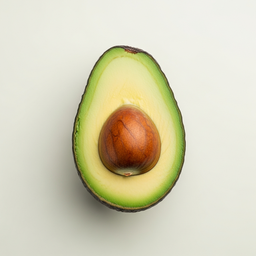 Avocado
 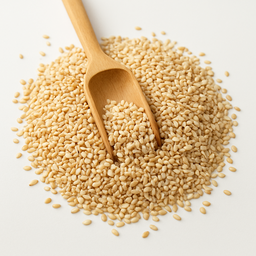 Sesame seeds
 Healthy fats improve mineral absorption from sesame seeds
Technical: Avocado contains 15% mono-unsaturated fats and vitamin E. Sesame seeds are rich in calcium (975mg/100g), iron (14.5mg) and zinc. The fats from avocado improve absorption of these minerals and the fat-soluble lignans (sesamin, sesamolin) from sesame seeds.
What does this mean for you? Add sesame seeds to your avocado toast or poke bowl. The combination is not only delicious but also remarkably rich in minerals.
JointsEnergySkin & Hair
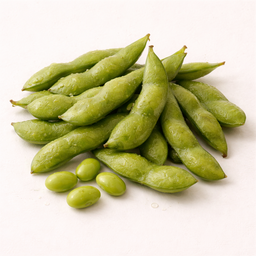 Edamame
 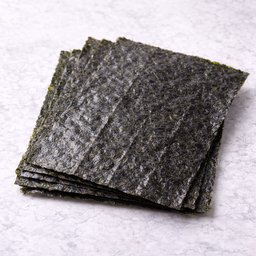 Nori
Nori Japanese combination: isoflavones + iodine
Technical: Soy isoflavones can affect thyroid function at high doses through TPO inhibition. Seaweed provides iodine (16-2000μg per serving) that compensates this effect. Good to know: iodine contributes to the normal production of thyroid hormones and normal thyroid function (EFSA-approved). In Japan where lots of soy AND seaweed are eaten, this combination is standard.
What does this mean for you? If you regularly eat edamame or tofu, combine with seaweed (miso soup with wakame, sushi with nori). This is the traditional Japanese approach followed for centuries.
Hormonal BalanceEnergy
Edamame 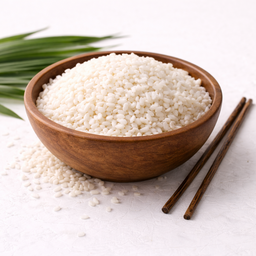 Sushi rice
 Complete protein combination (legume + grain)
Technical: Edamame (immature soybeans) contains 11g protein per 100g with high lysine content (0.9g) but relatively low methionine. Rice provides methionine and cysteine but lacks lysine. Together they reach a PDCAAS (protein quality score) close to 1.0 — comparable to animal protein. This is the biochemical basis of the Japanese bento.
What does this mean for you? Serve edamame alongside sushi rice or regular rice — this is why it's served as a side dish in every Japanese restaurant. You get complete proteins without meat.
Muscle GainEnergy
Edamame 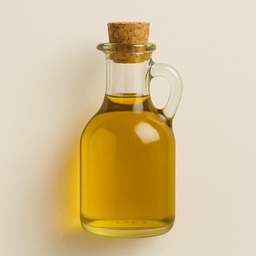 Sesame oil
 Increased absorption of isoflavones
Technical: Edamame contains isoflavones (genistein and daidzein) — phytoestrogens that are lipophilic (fat-loving) and are significantly better absorbed in the presence of fats. Sesame oil contains sesamin, a lignan with its own antioxidant action. The fat in sesame oil increases isoflavone bioavailability by 2-3x.
What does this mean for you? Drizzle sesame oil over your edamame or briefly stir-fry them in sesame oil with sea salt. The nutty aroma of sesame pairs perfectly with edamame and your body absorbs the isoflavones much better.
Hormonal BalanceHeart
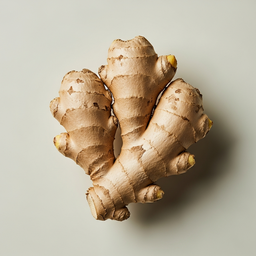 Ginger
 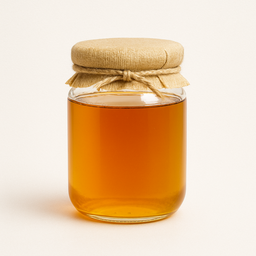 Honey
Honey Classic combination: warming herbal drink with honey
Technical: Ginger's gingerol modulates COX-2 and has antiemetic action (suppresses nausea via 5-HT3 receptor blockade). Honey's glucose oxidase produces hydrogen peroxide with bioactive action, while honey physically coats and soothes the throat. Together: bioactive modulation + throat protection.
What does this mean for you? Ginger tea with honey is a classic, warming combination. The ginger provides gingerol, the honey a smooth, sweet layer.
Immune System
Ginger 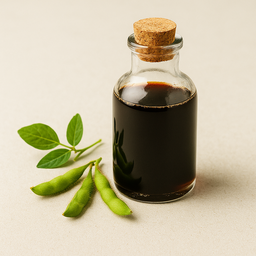 Tamari
 Asian umami base with bioactive action
Technical: Ginger contains gingerols and shogaols that modulate COX-2. Tamari (gluten-free soy sauce) provides umami flavor plus fermented compounds supporting gut flora. Together they form the base of many Asian dishes and offer both flavor and bioactive action.
What does this mean for you? Ginger + tamari is the base of stir-fries, marinades and dressings. Two ingredients that enhance each other's flavor and combine bioactive compounds.
DigestionAnti-inflammatory
Honey Sesame seeds Honey antioxidants + sesame lignans for antioxidant support
Technical: Honey's water-soluble antioxidants (phenolic acids, flavonoids) and sesame seed's fat-soluble lignans (sesamin) provide antioxidant support in different compartments. Honey's fructose provides quick energy, sesame's fats and proteins give sustained satiety.
What does this mean for you? Sesame seeds with honey (as in Japanese dishes) combines quick energy with sustained satiety and broad antioxidant support.
EnergyAnti-inflammatorySkin & Hair
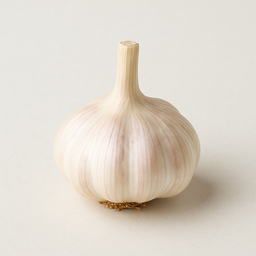 Garlic Ginger
 Allicin + gingerols: complementary bioactive action
Technical: Garlic's allicin works via thiol enzyme inhibition — effective against gram-positive bacteria (Staphylococcus, Streptococcus). Ginger's gingerols and shogaols influence viral replication and stimulate interferon production. Together they cover both bacterial and viral pathways.
What does this mean for you? Garlic-ginger tea is a classic combination. Garlic works via thiol enzymes, ginger via interferon pathways. Cut both fresh for maximum active compounds — allicin only forms after 10 minutes of air exposure.
Immune System
Garlic Honey Fermented: allicin + bee defensin in traditional condiment
Technical: Raw garlic contains alliin converted by alliinase to allicin — an organosulfur compound with bioactive properties — when cut. Raw honey contains hydrogen peroxide, bee defensin-1 and methylglyoxal. Fermenting garlic in honey increases bioavailability of S-allylcysteine (SAC), a more stable bioactive metabolite.
What does this mean for you? Submerge raw garlic cloves in raw honey and ferment for 2-4 weeks. You get a traditional condiment with concentrated bioactive compounds — an ancient fermentation technique that increases bioavailability.
Immune System
Nori Avocado Fat increases absorption of iodine and fat-soluble vitamins from nori
Technical: Nori contains iodine (16-43μg per sheet), vitamin A, and vitamin K. These are fat-soluble and better absorbed with dietary fat. Avocado contains 15g healthy fats per 100g that stimulate micelle formation in the gut.
What does this mean for you? Make sushi bowls with avocado or eat your nori snacks with guacamole. The combination increases the nutritional value of both ingredients.
EnergySkin & Hair
Nori Sushi rice Complete amino acids through seaweed + grain combination
Technical: Nori is exceptionally rich in iodine (16-43μg per sheet), vitamin B12 (rare in plant sources), and contains all essential amino acids but in small amounts. Rice provides carbohydrates for energy and methionine (an amino acid nori is low in). Together they form a more complete amino acid profile and deliver both quick energy and essential micronutrients.
What does this mean for you? Sushi (nori + rice) isn't just tasty — it's one of the oldest and smartest food combinations in the world. The Japanese tradition of nori around rice is scientifically a perfect match.
General WellnessEnergy
Nori Sesame seeds Classic Asian combination: minerals + healthy fats
Technical: Nori provides iodine and minerals, sesame seeds add calcium (975mg/100g), iron and healthy fats. The combination enhances absorption of fat-soluble vitamins from nori.
What does this mean for you? Sprinkle sesame seeds on your sushi or rice dishes for a more nutritious meal.
JointsEnergyGeneral Wellness
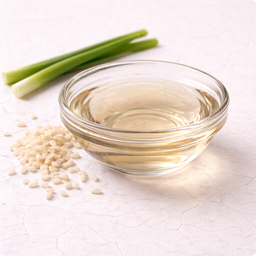 Rice vinegar Ginger
 Acetic acid + gingerols for glycemic support and bioactive action
Technical: Rice vinegar contains 4-5% acetic acid that inhibits alpha-amylase (slows carbohydrate digestion) and dampens the postprandial glycemic response. Ginger's gingerols support insulin sensitivity via AMPK activation. Together they slow carbohydrate breakdown (vinegar) and support glucose uptake in cells (ginger). Rice vinegar also has a low pH (2.4-3.4) that preserves sushi rice.
What does this mean for you? Ginger-rice vinegar dressing (sunomono style) with rice dishes dampens the blood sugar spike. This is why sushi rice with gari (pickled ginger in rice vinegar) is so cleverly composed.
Blood SugarDigestion
Rice vinegar Sesame oil Acetic acid emulsion with sesame oil for mineral absorption
Technical: Rice vinegar's acetic acid (4-5%) chelates minerals (calcium, magnesium, iron) into soluble acetates that are more absorbable. Sesame oil contains sesamin (lignan) that improves intestinal calcium absorption via vitamin D receptor activation. The emulsion of vinegar + oil (vinaigrette principle) distributes fat-soluble compounds from sesame oil into small droplets offering larger absorption surface.
What does this mean for you? Rice vinegar + sesame oil is the base of Asian dressings and dipping sauces. Use this combination over salad, blanched vegetables or cold noodles for better mineral absorption.
General WellnessHeart
Rice vinegar Sushi rice Lowers glycemic index of rice
Technical: Sushi rice has a high GI (72-89). Acetic acid from rice vinegar slows enzymatic starch breakdown by inhibiting alpha-amylase, reducing glycemic response by 20-30%. This is why sushi despite white rice gives a lower blood sugar spike than plain white rice.
What does this mean for you? The rice vinegar on sushi rice isn't just for flavor — it noticeably lowers the blood sugar spike. Always make sushi with enough rice vinegar.
Blood SugarEnergy
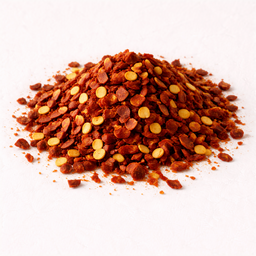 Red pepper flakes Avocado
 Fats dampen burning and increase capsaicin absorption
Technical: Capsaicin from red pepper flakes binds to fat molecules in avocado and olive oil, reducing burning on the stomach lining (casein in milk works the same way). Simultaneously, fat increases capsaicin bioavailability 2-3x, enhancing thermogenic action via TRPV1 activation.
What does this mean for you? Sprinkle avocado toast with red pepper flakes. The avocado fat dampens the burning but strengthens the thermogenic effect — less heat, more results.
Weight LossAnti-inflammatory
Sesame oil Ginger Asian cooking base: lignans + gingerols via complementary pathways
Technical: Sesame oil contains sesamin and sesamolin (lignans) with antioxidant action. Ginger contains gingerols that modulate COX-2. Both compounds influence NF-κB via complementary mechanisms. The fat in sesame oil also improves absorption of fat-soluble gingerols.
What does this mean for you? Start Asian dishes with sesame oil + ginger as flavor base. This is the fundamental start of wok dishes and combines two bioactive compounds via complementary pathways.
Anti-inflammatoryDigestion
Sesame oil Sesame seeds Sesame oil fats enhance absorption of sesame seed lignans
Technical: Sesame seeds contain lignans (sesamin, sesamolin) that are fat-soluble. Sesame oil provides the ideal fat matrix for absorption. Additionally, the oil contains different bioactive forms (sesamol) that work complementarily to lignans in whole seeds.
What does this mean for you? Top dishes with both sesame seeds and a drizzle of sesame oil — you get the fiber and minerals from the seeds plus optimal lignan absorption.
HeartAnti-inflammatoryHormonal Balance
Tamari Sesame oil Fermented soy isoflavones + sesamol for antioxidant protection
Technical: Tamari contains fermentation-released isoflavones (genistein, daidzein) that work synergistically with sesame oil's sesamol and sesaminol. Together they provide broader antioxidant protection via different radical scavenging mechanisms.
What does this mean for you? A splash of tamari with sesame oil as dressing or stir-fry sauce gives not only umami flavor but also a double antioxidant effect.
Anti-inflammatoryHeartSkin & Hair
Tamari Sesame seeds Umami amino acids enhance mineral absorption from sesame seeds
Technical: Tamari's free glutamic acid and amino acids from fermentation promote absorption of zinc and iron from sesame seeds. The organic acids in fermented soy lower intestinal pH, making minerals more soluble.
What does this mean for you? Sprinkle dishes with tamari and sesame seeds together — a classic Asian combination that's not only delicious but also optimizes your mineral absorption.
EnergyImmune SystemGeneral Wellness
Tamari 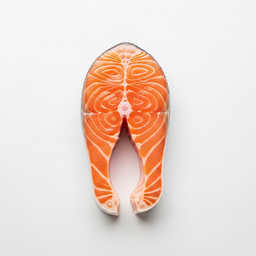 Salmon fillet
 Japanese teriyaki: umami + omega-3 protection
Technical: Tamari (gluten-free soy sauce) contains amino acids from fermentation that promote the Maillard reaction, giving flavor and color to salmon. The antioxidants in tamari (isoflavones, melanoidins) protect the vulnerable omega-3 fatty acids in salmon from oxidation during cooking.
What does this mean for you? Briefly marinate salmon in tamari with ginger and garlic, then pan-fry or grill. This is the basis of teriyaki salmon — delicious AND protective for omega-3.
HeartAnti-inflammatory
 Water Ginger
 Hydration + gingerols for digestion and metabolism
Technical: Water is the medium for all biochemical reactions and nutrient transport. Ginger's gingerols (1.5-3%) are water-soluble and optimally extracted in warm water. Gingerols are studied in research in relation to thermogenesis and digestion. Warm ginger water contains dissolved gingerols.
What does this mean for you? Start your day with warm ginger water — slice fresh ginger and steep for 10 minutes. It gives a warm, spicy start to your day and hydrates at the same time.
DigestionWeight LossEnergy
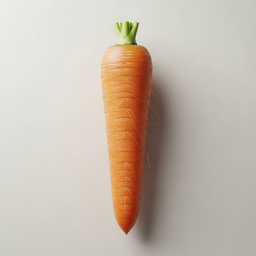 Carrot Avocado
 Avocado fat improves beta-carotene absorption from carrot
Technical: Carrot contains 8285μg beta-carotene per 100g — the richest source. Avocado provides 15g monounsaturated fats that stimulate micelle formation. Studies show avocado increases beta-carotene absorption from vegetables by 4.6x through improved micelle incorporation and lymphatic transport.
What does this mean for you? Add avocado to carrot salad or a carrot smoothie. The fats in avocado are the ideal carrier — without fat you barely absorb the beta-carotene.
Skin & HairFocus
Ingredients (16)
- Salmon fillet — 300 g 2 fillets, patted dry
- Sushi rice — 150 g dry weight, rinsed well
- Water — 220 ml for the rice
- Edamame — 150 g shelled, frozen
Instructions
- 1 Rinse the sushi rice until the water is almost clear. Cook the rice with 220 ml water according to the package, then let it rest covered for 10 minutes.
- 2 Mix the tamari, rice vinegar, honey, ginger and garlic into a smooth teriyaki sauce.
Nutrition per serving
Indicative values per serving.
Timing & Suitability
Shelf life: 2 days in fridge
Tags & Diet
Allergens: Fish, Soy, Sesame