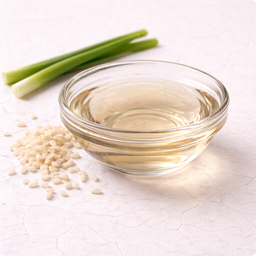
Rice Vinegar
The Gentle Acid
What is this ingredient?
Rice vinegar is a staple for sushi rice, Asian dressings, quick pickles and light marinades. It is produced through a two-step fermentation: rice sugars are first converted into alcohol, such as rice wine, and then into acetic acid.
Many rice vinegars sit around 4–5% acidity, which makes the sourness feel gentler than in many Western vinegars. Some versions are 'seasoned' and already contain sugar and salt. That is convenient for sushi rice, but less suitable when you want to control the seasoning yourself.
In cooking, rice vinegar adds freshness without overpowering a dish. It pairs well with sesame oil, soy sauce, ginger, cucumber, noodles and rice dishes. Acetic acid is also studied in meal contexts, especially when vinegar is combined with carbohydrate-rich foods, but rice vinegar is first and foremost a flavoring ingredient.
How does it taste?
Mildly sour with a delicate, slightly sweet and clean flavor.
Pairs well with:
Pairs well with sushi ricesesame oilsoy sauceginger and cucumber.
Did you know...?
- Rice vinegar is often milder than many Western vinegars, usually with about 4–5% acidity.
- Rice vinegar gives sushi rice its characteristic fresh taste, shine and gentle balance.
Nutritional Value & Energy
Per 100ml
Rice Vinegar is low in calories thanks to natural nutrients .
Per 100g
Minerals
Vitamins
More nutrients
Trace Minerals
EU-approved nutrition claims
There are currently no EFSA-authorized health claims specific to rice vinegar.
What's being researched?
Rice vinegar and meal research
Acetic acid in rice vinegar is studied in research on meal composition, carbohydrate-rich dishes and satiety. The results mainly belong to broader acetic acid research, not to rice vinegar as a standalone health solution.
Supported by: [2] Kondo (2009)
Good Combinations (Synergy)
Combine rice vinegar smartly to enhance the effect:
Rice Vinegar 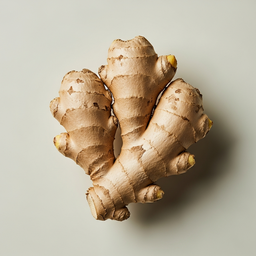 Ginger
 Acetic acid + gingerols for glycemic support and bioactive action
Technical: Rice vinegar contains 4-5% acetic acid that inhibits alpha-amylase (slows carbohydrate digestion) and dampens the postprandial glycemic response. Ginger's gingerols support insulin sensitivity via AMPK activation. Together they slow carbohydrate breakdown (vinegar) and support glucose uptake in cells (ginger). Rice vinegar also has a low pH (2.4-3.4) that preserves sushi rice.
What does this mean for you? Ginger-rice vinegar dressing (sunomono style) with rice dishes dampens the blood sugar spike. This is why sushi rice with gari (pickled ginger in rice vinegar) is so cleverly composed.
Rice Vinegar 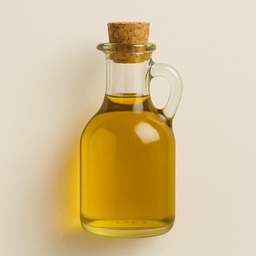 Sesame Oil
 Acetic acid emulsion with sesame oil for mineral absorption
Technical: Rice vinegar's acetic acid (4-5%) chelates minerals (calcium, magnesium, iron) into soluble acetates that are more absorbable. Sesame oil contains sesamin (lignan) that improves intestinal calcium absorption via vitamin D receptor activation. The emulsion of vinegar + oil (vinaigrette principle) distributes fat-soluble compounds from sesame oil into small droplets offering larger absorption surface.
What does this mean for you? Rice vinegar + sesame oil is the base of Asian dressings and dipping sauces. Use this combination over salad, blanched vegetables or cold noodles for better mineral absorption.
Rice Vinegar 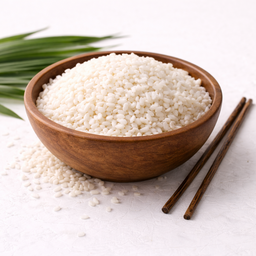 Sushi Rice (Short Grain)
 Lowers glycemic index of rice
Technical: Sushi rice has a high GI (72-89). Acetic acid from rice vinegar slows enzymatic starch breakdown by inhibiting alpha-amylase, reducing glycemic response by 20-30%. This is why sushi despite white rice gives a lower blood sugar spike than plain white rice.
What does this mean for you? The rice vinegar on sushi rice isn't just for flavor — it noticeably lowers the blood sugar spike. Always make sushi with enough rice vinegar.
Recipes with Rice Vinegar
Discover delicious recipes featuring rice vinegar:
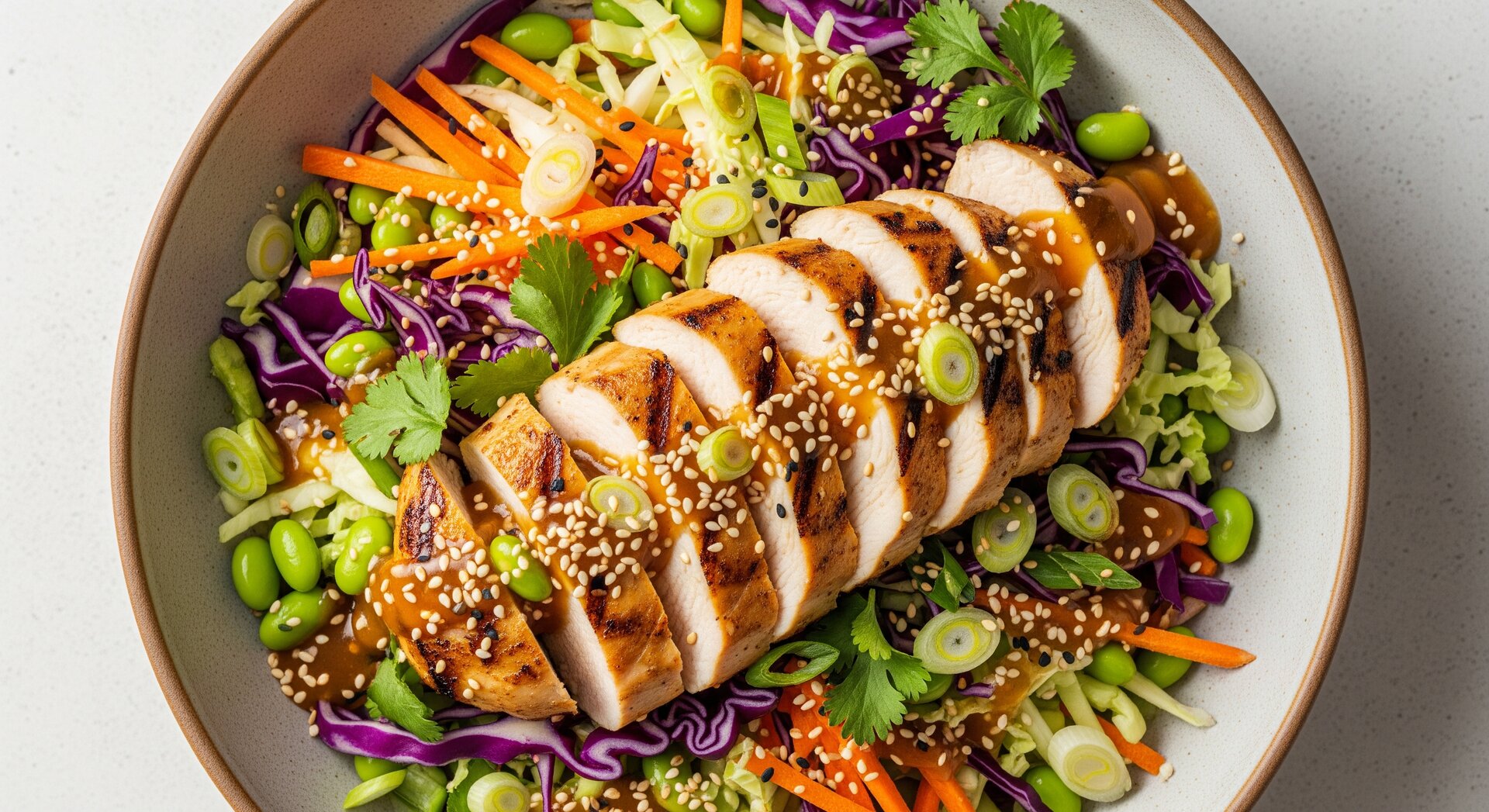 Asian Sesame Chicken Salad 25 min Crispy salad with grilled chicken and ginger-sesame dressing
  320 kcal
  28g protein 1 synergies
 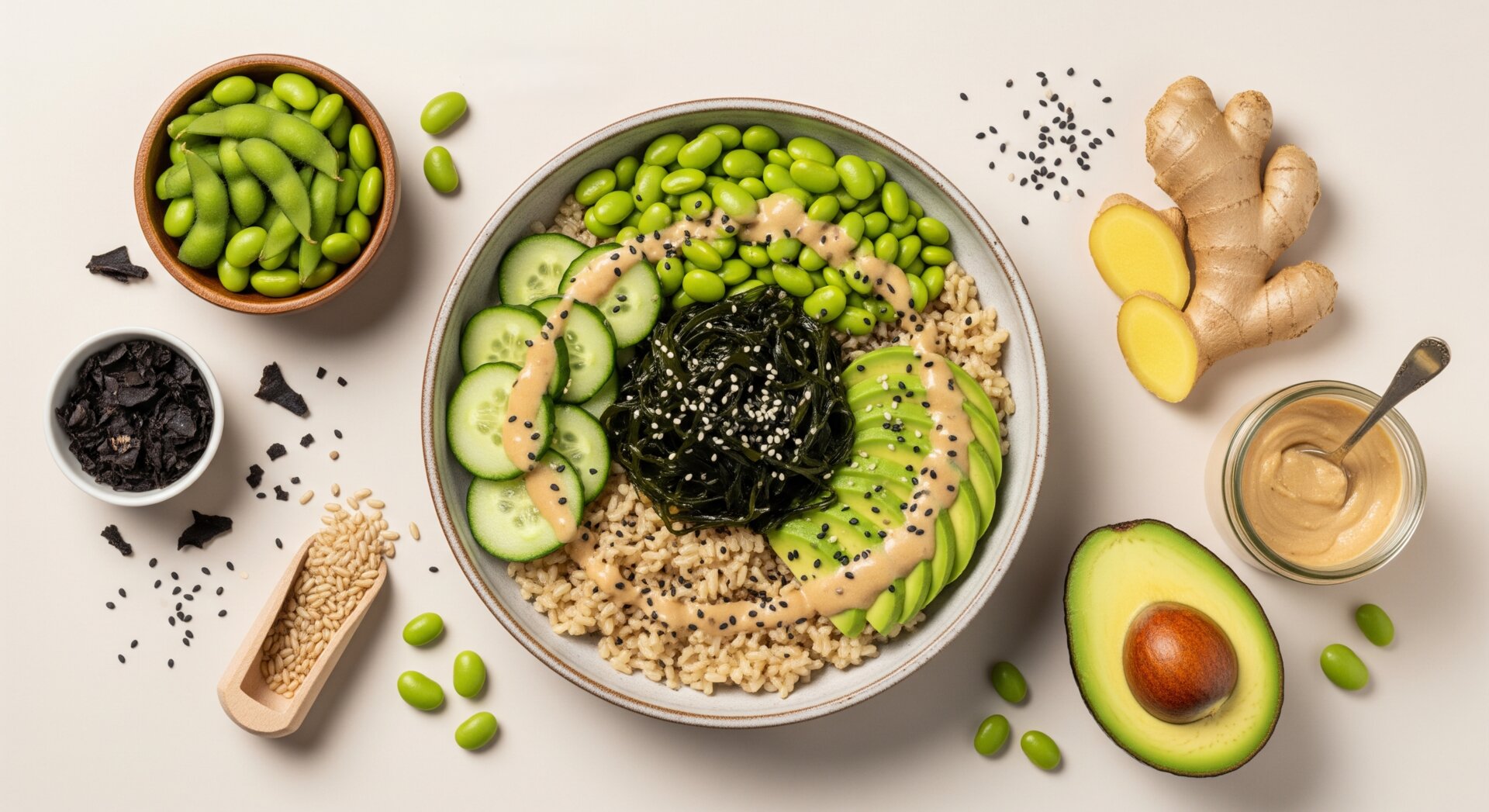 Edamame Seaweed Bowl with Ginger Tahini 15 min Fresh Japanese-style bowl with creamy dressing 445 kcal 16g protein 2 synergies
 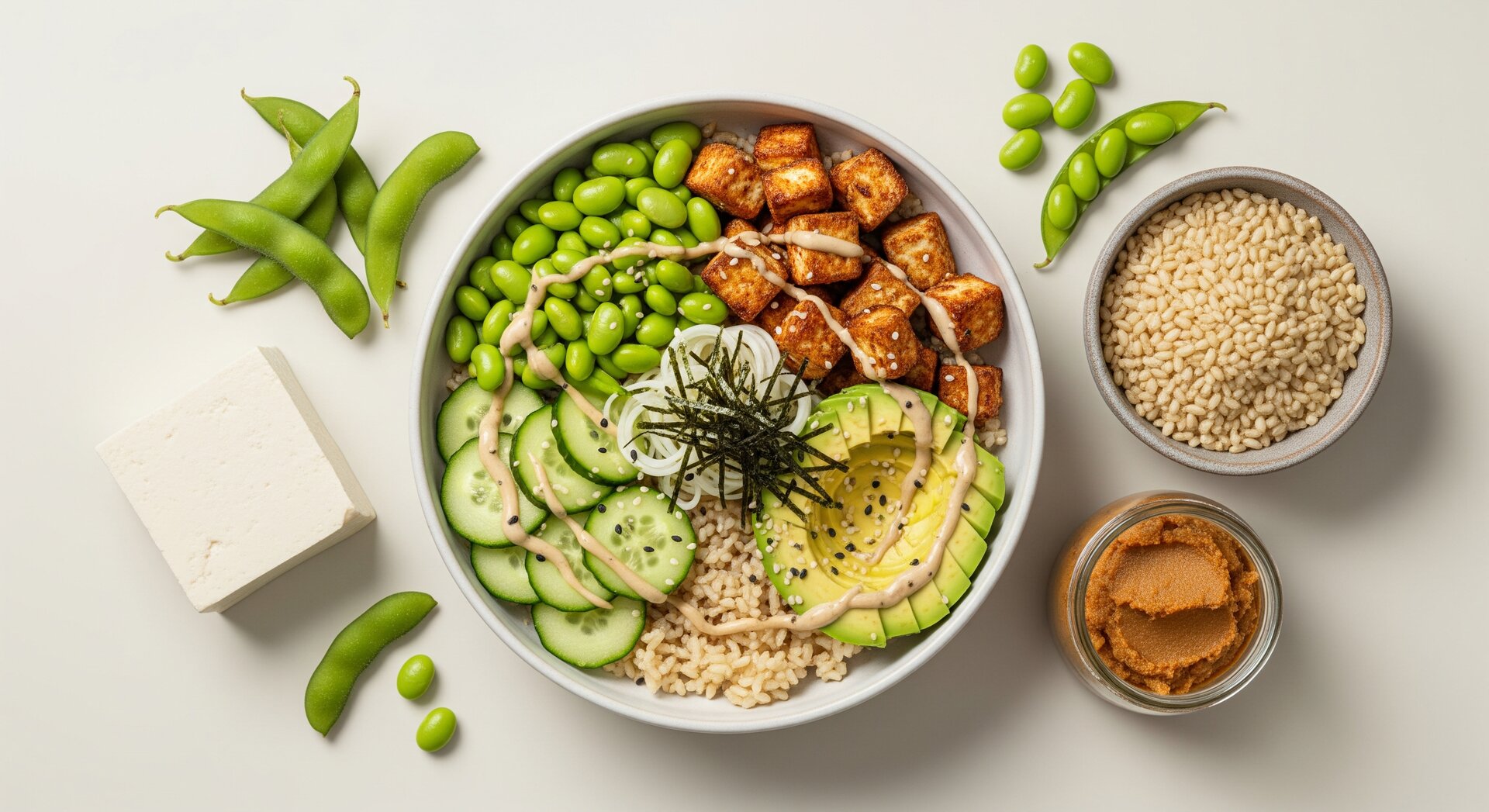 Japanese Edamame-Tofu Bowl 50 min Crispy tofu with edamame and miso-tahini dressing 620 kcal 32g protein 2 synergies
 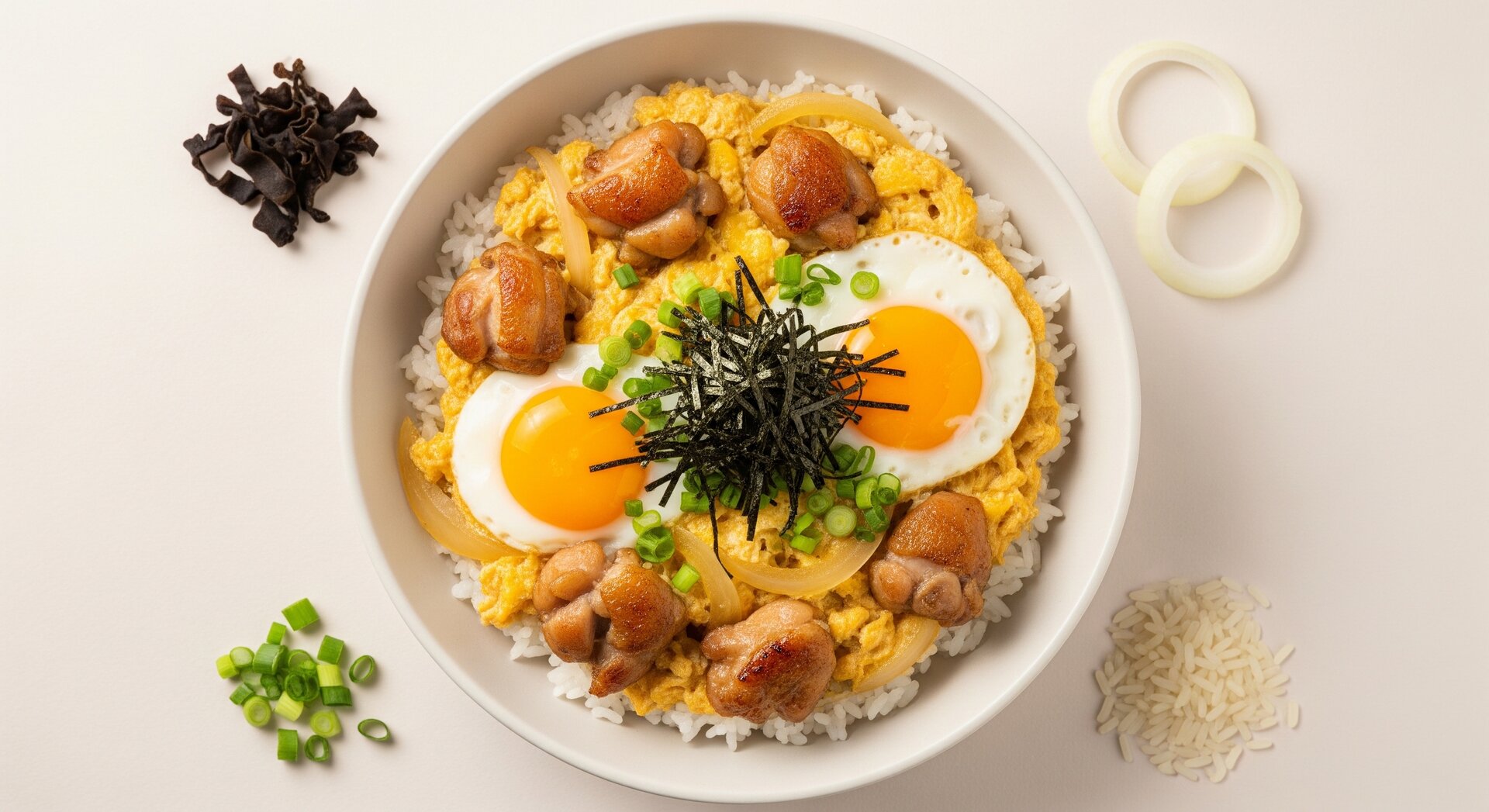 Japanese Oyakodon - Chicken and Egg over Rice 30 min Japanese comfort bowl with simmered chicken and silky egg 653 kcal 62g protein 2 synergies
 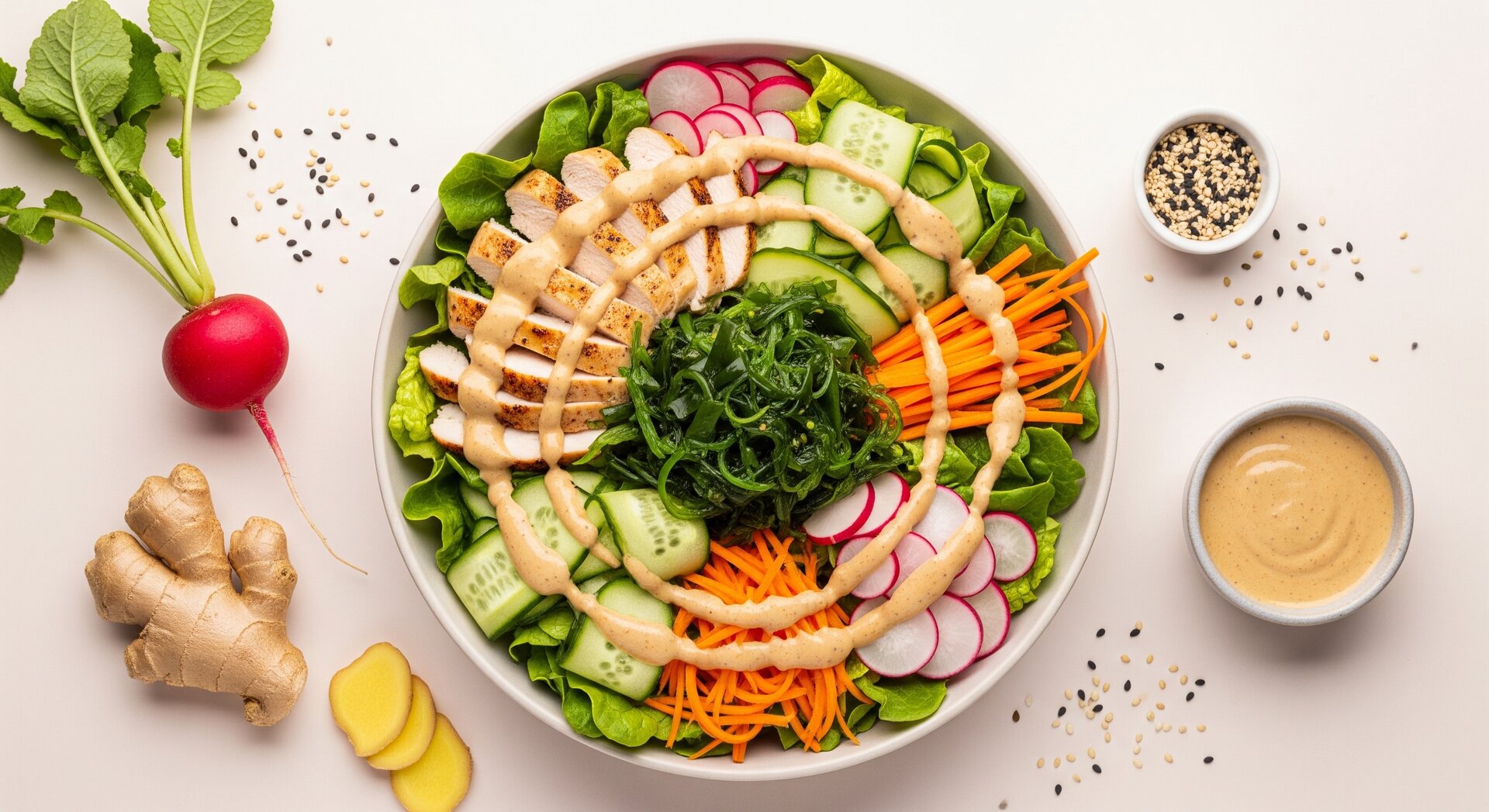 Japanese Sesame Dressing Salad with Chicken and Seaweed 32 min Crispy salad with grilled chicken and mineral-rich seaweed 445 kcal 52g protein 1 synergies
 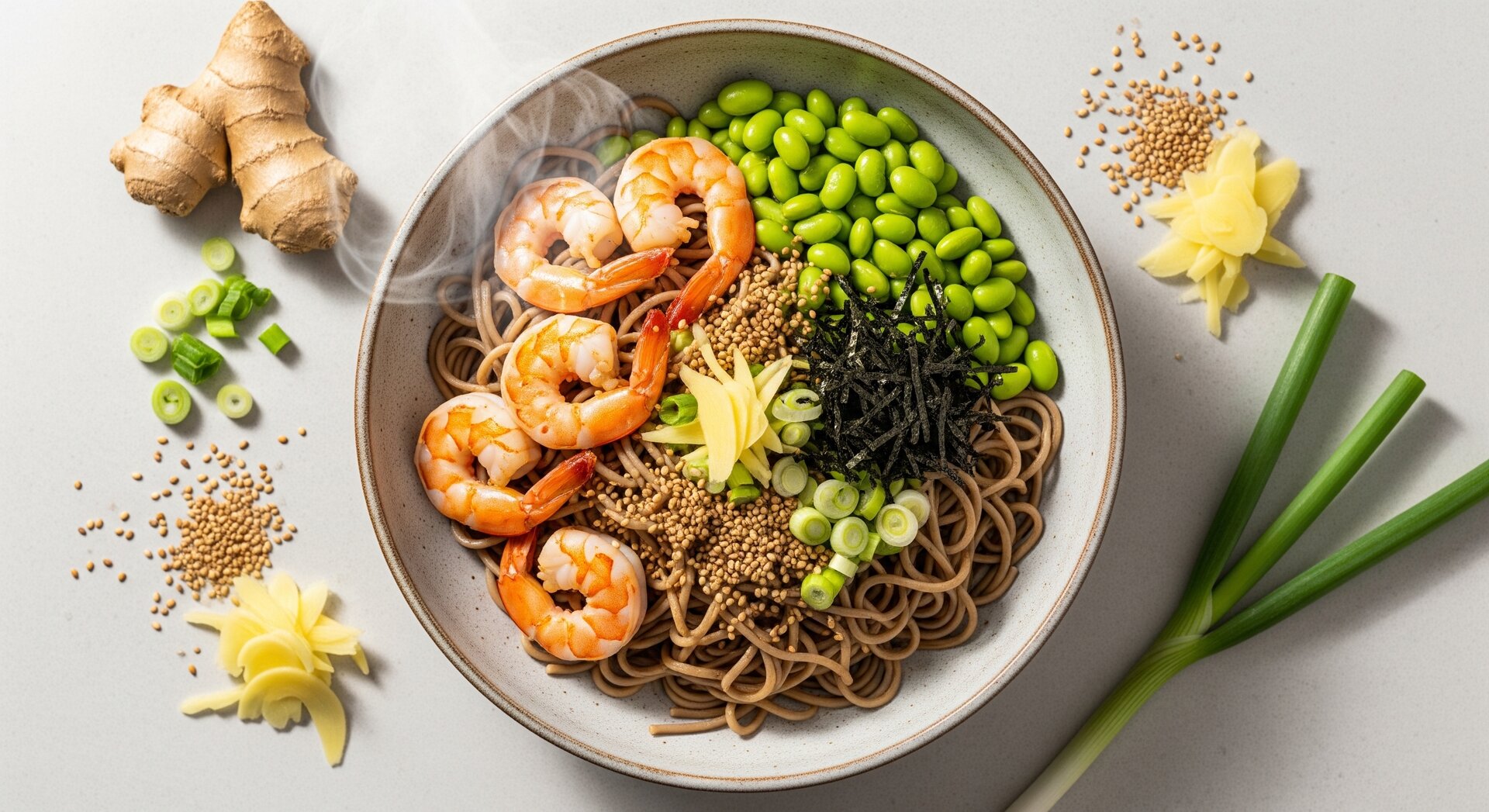 Japanese Teriyaki Salmon Bowl with Edamame and Sesame Rice 40 min Glazed salmon with edamame, avocado and fresh vegetables 920 kcal 45g protein 2 synergies
  In the Kitchen
Storage
Location:Pantry
Shelf life:2-3 jaar (geopend)
Store cool and dark. Cloudiness or sediment is usually harmless.
Preparation
Mix with salt and optional sugar for sushi rice. Use in dressings, quick pickles or marinades. For tenderness, time and salt also matter; vinegar alone is not magic.
Substitutes
Smart preparation
1Use unseasoned rice vinegar when you want to control the salt and sugar yourself.
2Preferably add rice vinegar after cooking.
Why?
This better preserves its mild, fresh flavor.
3Rice vinegar is milder than white vinegar; adjust amounts when substituting.
Caution / Warnings
Rice Vinegar is very safe, but there are scientific considerations:
Tooth Erosion Mild
Frequent exposure to undiluted acid can weaken enamel
Advice:
Use in meals, diluted. Avoid acidic shots and rinse with water afterwards.
Reflux / Heartburn Mild
Acid can trigger symptoms in sensitive people, even if rice vinegar is mild.
Advice:
Use small amounts and pair with fat or umami, such as sesame oil or soy sauce.
Traditional use
Traditional Chinese Medicine
Rice Vinegar in Chinese Tradition
Rice vinegar has been produced in China for over 3,000 years and is a fundamental ingredient in Chinese and Japanese cooking.
Summary
The gentlest vinegar in your cupboard. Perfect for sushi rice, cucumber salad, noodle dressings and stir-fry sauces. Note: 'seasoned' rice vinegar often contains added sugar and salt, so check the label if you want to control the seasoning yourself.