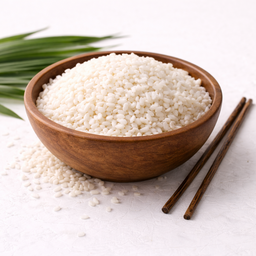
Sushi Rice (Short Grain)
the sticky pearl
What is this ingredient?
Japonica rice (which includes sushi rice) differs from Indica rice (like Basmati) in the amylose/amylopectin ratio. Sushi rice contains a lot of amylopectin, which causes the stickiness. Traditionally flavored with rice vinegar, salt, and sugar ('shari'). Cooled sushi rice contains significant amounts of resistant starch, which slightly dampens the blood sugar spike compared to warm rice.
How does it taste?
Gently sweet and mildly tangy from rice vinegar, sticky and glossy.
Pairs well with:
Pairs well with noriwasabisoy sauceavocado and fresh fish.
Did you know...?
- Sushi rice is seasoned with rice vinegar, sugar and salt, a mixture called 'sushi-zu'.
- Originally, sushi was a preservation method: fish was stored in fermented rice.
Nutritional Value & Energy
Per 100g
Sushi Rice (Short Grain) provides energy thanks to natural nutrients .
Per 100g
Minerals
Vitamins
More nutrients
B-Vitamins
Trace Minerals
What's in a serving?
1 serving (dry)
Sushi Rice (Short Grain) naturally contains manganese (0.4 mg per 100 g).
Sushi Rice (Short Grain) naturally contains selenium (9.2 mcg per 100 g).
Sushi Rice (Short Grain) naturally contains folate (58 mcg per 100 g).
% of daily reference intake (DRI)
EU-approved nutrition claims
This ingredient contains nutrients for which EFSA-authorized health claims exist (at nutrient level, not ingredient-specific).
Approved health claims (EU)
Folate EU 432/2012
Folate contributes to normal blood formation
Contains 58mcg/100g (threshold: ≥30mcg/100g)
Folate EU 432/2012
Folate contributes to normal amino acid synthesis
Contains 58mcg/100g (threshold: ≥30mcg/100g)
Folate EU 432/2012
Folate contributes to normal homocysteine metabolism
Contains 58mcg/100g (threshold: ≥30mcg/100g)
Folate EU 432/2012
Folate contributes to normal psychological function
Contains 58mcg/100g (threshold: ≥30mcg/100g)
Folate EU 432/2012
Folate contributes to the normal function of the immune system
Contains 58mcg/100g (threshold: ≥30mcg/100g)
Folate EU 432/2012
Folate has a role in the process of cell division
Contains 58mcg/100g (threshold: ≥30mcg/100g)
Folate EU 432/2012
Folate contributes to maternal tissue growth during pregnancy
Contains 58mcg/100g (threshold: ≥30mcg/100g)
Manganese EU 432/2012
Manganese contributes to normal energy-yielding metabolism
Contains 0.4mg/100g (threshold: ≥0.3mg/100g)
Manganese EU 432/2012
Manganese contributes to the maintenance of normal bones
Contains 0.4mg/100g (threshold: ≥0.3mg/100g)
Manganese EU 432/2012
Manganese contributes to the normal formation of connective tissue
Contains 0.4mg/100g (threshold: ≥0.3mg/100g)
Manganese EU 432/2012
Manganese contributes to the protection of cells from oxidative stress
Contains 0.4mg/100g (threshold: ≥0.3mg/100g)
Selenium EU 432/2012
Selenium contributes to the maintenance of normal hair
Contains 9.2mcg/100g (threshold: ≥8.25mcg/100g)
Selenium EU 432/2012
Selenium contributes to the maintenance of normal nails
Contains 9.2mcg/100g (threshold: ≥8.25mcg/100g)
Selenium EU 432/2012
Selenium contributes to the normal function of the immune system
Contains 9.2mcg/100g (threshold: ≥8.25mcg/100g)
Selenium EU 432/2012
Selenium contributes to normal thyroid function
Contains 9.2mcg/100g (threshold: ≥8.25mcg/100g)
Selenium EU 432/2012
Selenium contributes to normal spermatogenesis
Contains 9.2mcg/100g (threshold: ≥8.25mcg/100g)
Selenium EU 432/2012
Selenium contributes to the protection of cells from oxidative stress
Contains 9.2mcg/100g (threshold: ≥8.25mcg/100g)
What's being researched?
Sushi rice and vinegar effect on glycemia
The effect of rice vinegar on the glycemic response of sushi rice is being studied. Preliminary evidence suggests vinegar may moderate the postprandial blood glucose peak.
Supported by: [2] Sugiyama M (2003)
Good Combinations (Synergy)
Combine sushi rice (short grain) smartly to enhance the effect:
Sushi Rice (Short Grain) 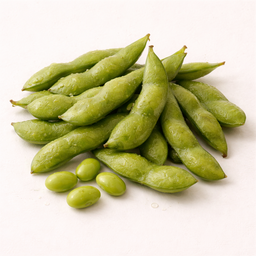 Edamame
 Complete protein combination (legume + grain)
Technical: Edamame (immature soybeans) contains 11g protein per 100g with high lysine content (0.9g) but relatively low methionine. Rice provides methionine and cysteine but lacks lysine. Together they reach a PDCAAS (protein quality score) close to 1.0 — comparable to animal protein. This is the biochemical basis of the Japanese bento.
What does this mean for you? Serve edamame alongside sushi rice or regular rice — this is why it's served as a side dish in every Japanese restaurant. You get complete proteins without meat.
Sushi Rice (Short Grain) 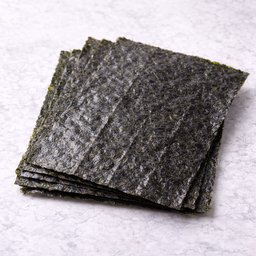 Nori
Nori Complete amino acids through seaweed + grain combination
Technical: Nori is exceptionally rich in iodine (16-43μg per sheet), vitamin B12 (rare in plant sources), and contains all essential amino acids but in small amounts. Rice provides carbohydrates for energy and methionine (an amino acid nori is low in). Together they form a more complete amino acid profile and deliver both quick energy and essential micronutrients.
What does this mean for you? Sushi (nori + rice) isn't just tasty — it's one of the oldest and smartest food combinations in the world. The Japanese tradition of nori around rice is scientifically a perfect match.
Sushi Rice (Short Grain) 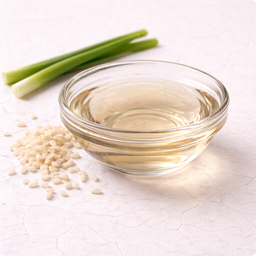 Rice Vinegar
 Lowers glycemic index of rice
Technical: Sushi rice has a high GI (72-89). Acetic acid from rice vinegar slows enzymatic starch breakdown by inhibiting alpha-amylase, reducing glycemic response by 20-30%. This is why sushi despite white rice gives a lower blood sugar spike than plain white rice.
What does this mean for you? The rice vinegar on sushi rice isn't just for flavor — it noticeably lowers the blood sugar spike. Always make sushi with enough rice vinegar.
Recipes with Sushi Rice (Short Grain)
Discover delicious recipes featuring sushi rice (short grain):
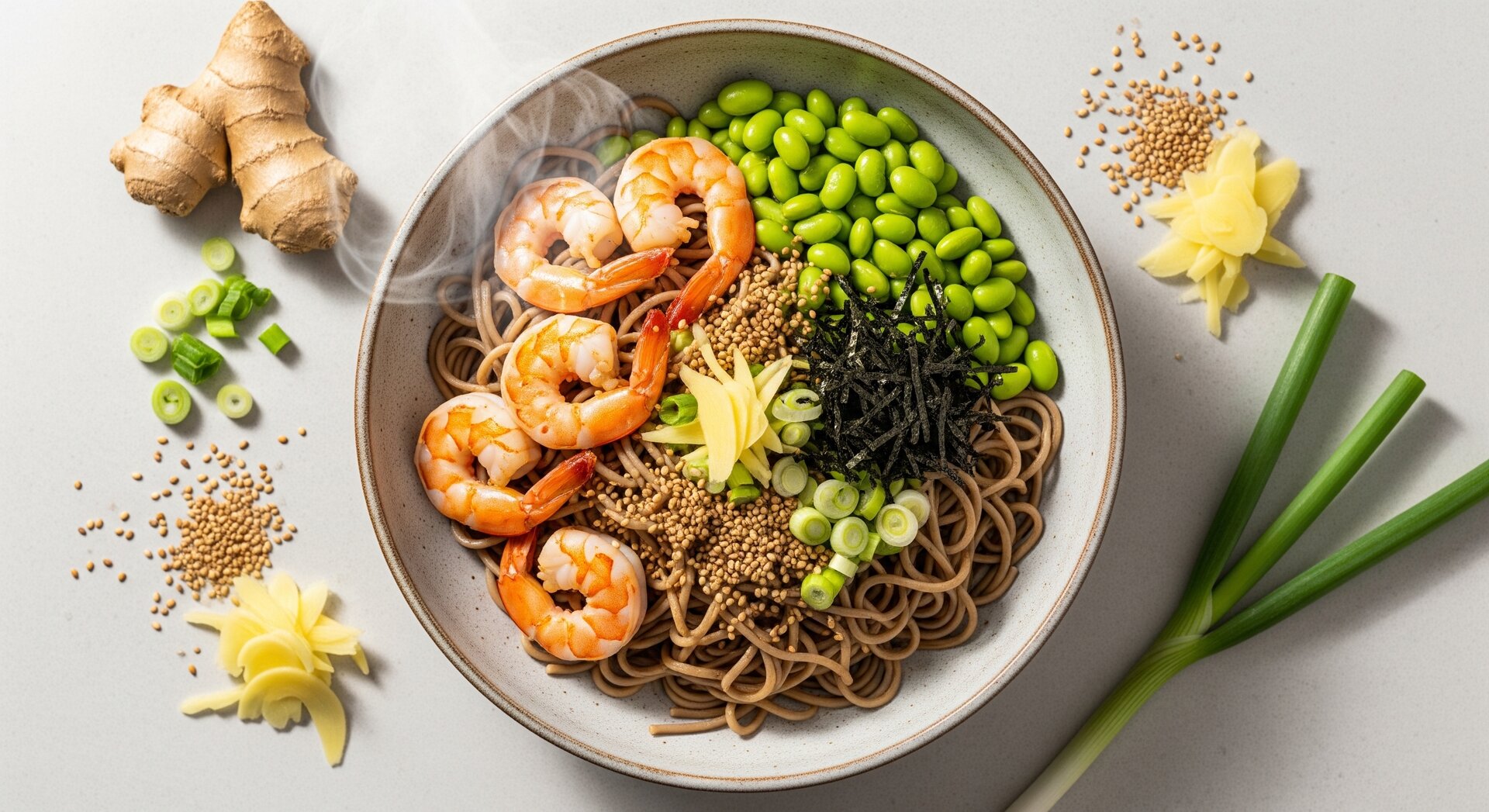 Japanese Teriyaki Salmon Bowl with Edamame and Sesame Rice 40 min Glazed salmon with edamame, avocado and fresh vegetables
  920 kcal
  45g protein 2 synergies
 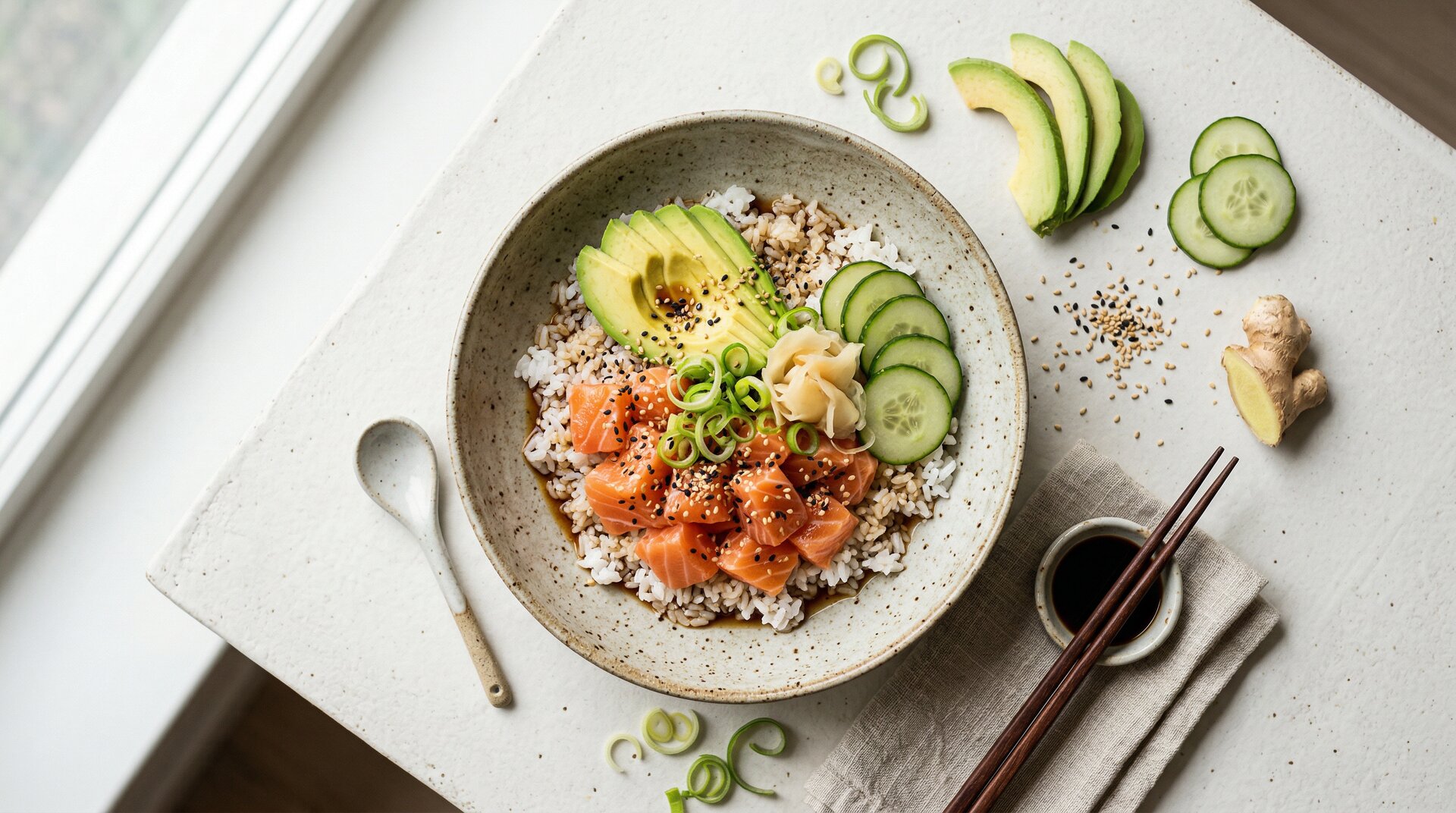 Salmon Avocado Sushi Bowl 35 min All the flavors of sushi, without the rolling 510 kcal 32g protein 2 synergies
  In the Kitchen
Storage
Location:Pantry
Shelf life:1 jaar
Moisture is the enemy. Store in a tightly sealed container.
Preparation
Essential: Wash rice 3-4 times until water runs clear. Soak 30 min. Cook with ratio 1:1.1. Let steam 10 min after cooking.
Conversions
Substitutes
Smart preparation
1Wash sushi rice at least 5 times until the water is clear.
Why?
Excess starch makes sushi rice too sticky.
2Mix the sushi vinegar into the rice with cutting motions.
Why?
Stirring breaks the grains and makes the rice gluey.
3Cool sushi rice with a fan while mixing.
Why?
Quick cooling gives the rice a glossy appearance.
Caution / Warnings
Sushi Rice (Short Grain) is very safe, but there are scientific considerations:
Diabetes Moderate
White rice has a high GI, and sushi rice often contains added sugar
Advice:
Eat in moderation and always combined with fish/fat/fiber
Summary
More than regular rice. The sticky texture is perfect for sushi and bowls. The secret to healthier sushi lies in the vinegar: it ensures your blood sugar spikes less.