- Easy
- 40 min
- 4 serv.
- 18 synergies
- Now at its best: Tomato
A satisfying chicken burger with flattened chicken breast, a crispy oat-parmesan crust, wholegrain buns, lettuce, tomato and creamy avocado. Cook the chicken in the oven or pan until golden on the outside and juicy inside.
This burger is all about that moment when your knife cuts through the golden crust and the chicken underneath is still juicy. The oats bring a sturdy crunch, the parmesan melts into the coating with a savoury, almost nutty edge, and the paprika, oregano and cayenne make it just spicy enough. On the bun, crisp lettuce and tomato bring freshness, while soft avocado rounds everything out. It feels like comfort food, but carefully built: crisp, warm, fresh and creamy in one bite.
- 15
- min prep
- 25
- min cook
- 40
- min total
Nutritional Synergies
This recipe combines ingredients that enhance each other:
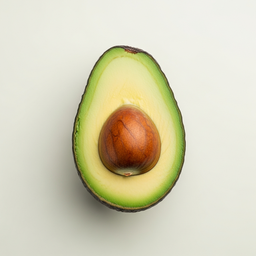 Avocado
 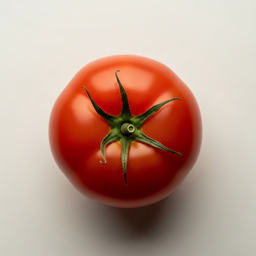 Tomatoes
 2.6x more lycopene absorption from salad/salsa
Technical: Tomatoes contain lycopene (3-8mg per 100g), a fat-soluble carotenoid with extremely low bioavailability without a fat carrier (<5%). Avocado contains 15g mono-unsaturated fats per 100g that stimulate micelle formation in the gut. Studies show 2.6x higher lycopene absorption when tomato is combined with avocado. Avocado also contains glutathione — a master antioxidant.
What does this mean for you? Guacamole with tomato, avocado toast with tomato, or a caprese with avocado — all these combinations ensure you absorb up to 2.6x more lycopene. Without fat, the lycopene literally slides right through your body.
Immune SystemSkin & Hair
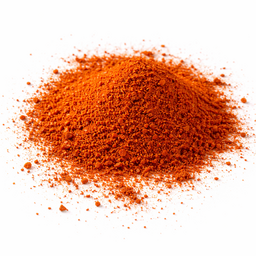 Cayenne pepper
 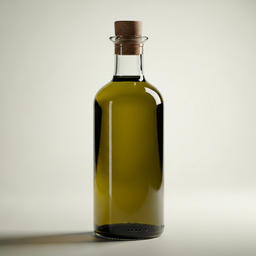 Olive oil
 Fat-soluble capsaicin is better absorbed with olive oil
Technical: Capsaicin is fat-soluble and absorbed 2-3x better with dietary fat. Olive oil also reduces stomach irritation that cayenne can cause, while oleocanthal adds bioactive action.
What does this mean for you? Add cayenne pepper to olive oil-based sauces or dressings. The fat improves absorption and the oil tempers the spiciness.
Weight LossAnti-inflammatoryHeart
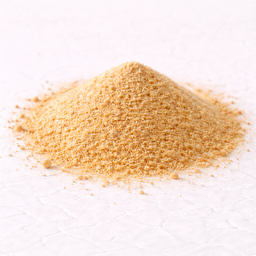 Garlic powder Olive oil
 Allicin + oleocanthal for vascular support
Technical: Garlic's allicin supports blood pressure and cholesterol metabolism. Olive oil's oleocanthal has bioactive action via COX signal transduction modulation. Together they offer complementary vascular support.
What does this mean for you? Garlic + olive oil is the foundation of Mediterranean cuisine. The allicin and oleocanthal provide broader vascular support together — and it tastes amazing.
HeartAnti-inflammatory
Garlic powder 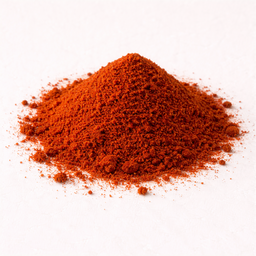 Paprika
 Allicin activates capsaicinoids for increased thermogenesis
Technical: Garlic powder's allicin and ajoene activate TRPA1 receptors, while paprika's capsaicinoids activate TRPV1 receptors. Together they stimulate thermogenesis through two complementary TRP channel pathways.
What does this mean for you? Garlic powder with paprika in sauces and rubs not only adds flavor, but also a warming kick.
Weight LossEnergyImmune System
Olive oil Tomatoes Mediterranean golden rule: fat increases lycopene absorption 4x
Fat significantly increases lycopene bioavailability (PMID: 15927929)
Technical: Tomatoes contain lycopene (3-7mg per 100g), a carotenoid with strong antioxidant action. Lycopene is fat-soluble with only 10-15% absorption without fat. Olive oil increases this to 40-60% (2.5-4x improvement). Cooking further increases lycopene bioavailability.
What does this mean for you? Always add olive oil to tomato dishes — sauces, salads, bruschetta. This is why Mediterranean cuisine is so healthy. Cooked tomatoes with olive oil = maximum lycopene.
HeartSkin & Hair
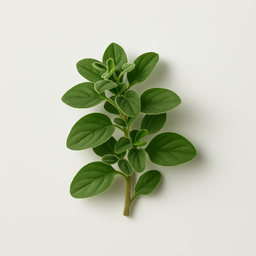 Dried oregano Olive oil
 Fat makes carvacol and thymol absorbable
Lambert JD et al. (2004) in Molecular Nutrition & Food Research showed that dietary fats enhance absorption of phenolic compounds from herbs.
Technical: Oregano contains carvacrol (60-74%) and thymol (1-5%) — potent phenolic compounds with broad bioactivity, traditionally valued in food preservation. These compounds are fat-soluble and poorly absorbed without fat. Olive oil dissolves them and significantly increases their bioavailability. This explains why oregano oil always comes in a carrier oil.
What does this mean for you? Cook oregano in olive oil or make oregano-olive oil dressing. The bioactive compounds in oregano are fat-soluble — without oil you barely absorb them.
Immune SystemDigestion
Dried oregano Tomatoes Mediterranean synergy - antioxidants stabilize lycopene
Böhm V et al. (2002) in Journal of Nutrition showed that antioxidants improve lycopene stability.
Technical: Oregano's antioxidants (rosmanol, carvacrol, thymol) protect lycopene from tomato against thermal degradation during cooking. Lycopene is heat-labile but released from cell walls by heating. The herbs act as an antioxidant shield: they scavenge free radicals that would break down lycopene.
What does this mean for you? Add oregano to tomato sauce during cooking. The oregano protects the lycopene while heat releases it — that's why Italian tomato sauce with oregano is so healthy.
HeartImmune System
Paprika Olive oil 3x better carotenoid absorption with fats
Technical: Paprika powder is extremely rich in carotenoids: beta-carotene, capsanthin and cryptoxanthin. These are all fat-soluble with only 5-10% absorption without fat. Olive oil or butter create micelles increasing absorption up to 3x. Additionally, vitamin E from olive oil protects carotenoids from oxidation.
What does this mean for you? Always briefly fry paprika powder in oil or butter before adding liquid. This activates the color and increases vitamin absorption up to 3x — the basis of Hungarian goulash.
Skin & HairImmune System
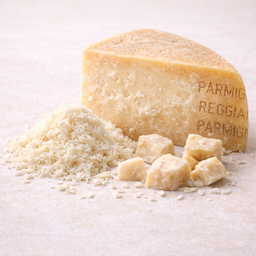 Parmesan cheese Olive oil
 Umami from parmesan + healthy fats from olive oil for flavor and satiety
Technical: Parmesan contains 1200-1680mg free glutamate per 100g — the highest concentration of all cheeses. Glutamate activates stomach-vagus nerve signals that increase satiety. Olive oil contains oleic acid (55-83%) stimulating OEA production (satiety signal) plus oleocanthal and oleuropein (bioactive polyphenols). Together: double satiety plus bioactive compounds.
What does this mean for you? Drizzle parmesan with good olive oil on pasta or salads. The umami from the cheese and the healthy fat from the oil together provide faster satiety and a rich flavor profile.
Weight LossHeartAnti-inflammatory
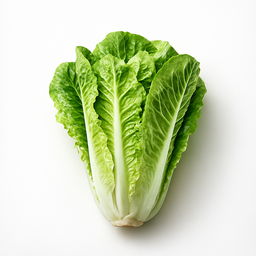 Iceberg lettuce Avocado
 7x better carotenoid absorption with fats
Technical: Lettuce contains 1223μg beta-carotene and 1730μg lutein per 100g. Without fat only 3% is absorbed. A Purdue University study (2012, Molecular Nutrition & Food Research) showed olive oil or avocado increases absorption to 20%+ — a 7-fold improvement.
What does this mean for you? Always eat salad with olive oil dressing or avocado. Without fat you absorb almost nothing of the carotenoids. A dry salad without dressing is ironically less nutritious than one with a good olive oil dressing.
Skin & HairGeneral Wellness
Iceberg lettuce Olive oil 7x better carotenoid absorption with fats
Technical: Lettuce contains 1223μg beta-carotene and 1730μg lutein per 100g. Without fat only 3% is absorbed. A Purdue University study (2012, Molecular Nutrition & Food Research) showed olive oil or avocado increases absorption to 20%+ — a 7-fold improvement.
What does this mean for you? Always eat salad with olive oil dressing or avocado. Without fat you absorb almost nothing of the carotenoids. A dry salad without dressing is ironically less nutritious than one with a good olive oil dressing.
Skin & HairGeneral Wellness
Iceberg lettuce Tomatoes Lutein + lycopene: complementary carotenoids in two phases
Technical: Lettuce contains 1730μg lutein per 100g — a xanthophyll carotenoid filtering blue light in the macula. Tomato contains 2573μg lycopene — a carotenoid neutralizing singlet oxygen. These carotenoids work through different mechanisms and are active in different tissues. With olive oil both are optimally absorbed.
What does this mean for you? A salad of lettuce and tomato with olive oil dressing combines two carotenoid families. Lutein from lettuce is active in the macula, lycopene from tomato in the cardiovascular system. Without dressing you barely absorb anything — fat is essential.
HeartGeneral Wellness
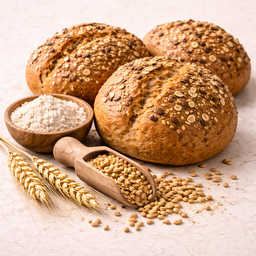 Wholegrain buns Avocado
 Complex carbs + healthy fats for lasting satiety
Technical: Whole grain rolls provide slow carbohydrates (GI ~55) and B-vitamins (thiamine 0.4mg, niacin 4.7mg). Avocado adds 15g monounsaturated fats and 7g fiber per 100g. Studies show the combination of complex carbs + avocado fat extends satiety by 40% via cholecystokinin (CCK) and peptide YY signaling.
What does this mean for you? Avocado on whole grain bread is a classic for good reason — it's one of the most satiating breakfast combinations. Add a pinch of sea salt and chili flakes for extra flavor.
EnergyWeight LossHeart
Wholegrain buns Olive oil Whole grain fiber + oleic acid slow glucose absorption
Technical: Whole grain rolls contain 6-8g fiber per 100g that slow gastric emptying. Olive oil's oleic acid (73%) activates the ileal brake mechanism via GLP-1 secretion, reducing glycemic response by 20-30%. The combination of insoluble fiber + monounsaturated fat creates a double inhibitory effect on carbohydrate digestion.
What does this mean for you? Dip your whole grain roll in good olive oil instead of butter. Your blood sugar rises much more gradually, keeping you satisfied longer without energy crashes.
Blood SugarEnergyHeart
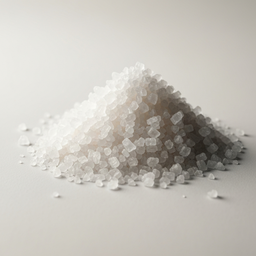 Sea salt Avocado
 Minerals improve flavor perception and electrolyte balance
Technical: Sea salt contains trace minerals (magnesium, potassium, calcium) besides sodium. Tomato is rich in potassium (237mg/100g) and lycopene. Avocado adds magnesium (29mg) and potassium (485mg). Together they form a broad electrolyte profile: sodium (salt) + potassium (tomato/avocado) + magnesium (avocado) — essential for fluid balance and nerve function.
What does this mean for you? Sprinkle tomato and avocado with a pinch of sea salt. This is more than flavor — the minerals complement each other for a complete electrolyte balance.
HeartEnergy
Sea salt Tomatoes Minerals improve flavor perception and electrolyte balance
Technical: Sea salt contains trace minerals (magnesium, potassium, calcium) besides sodium. Tomato is rich in potassium (237mg/100g) and lycopene. Avocado adds magnesium (29mg) and potassium (485mg). Together they form a broad electrolyte profile: sodium (salt) + potassium (tomato/avocado) + magnesium (avocado) — essential for fluid balance and nerve function.
What does this mean for you? Sprinkle tomato and avocado with a pinch of sea salt. This is more than flavor — the minerals complement each other for a complete electrolyte balance.
HeartEnergy
Sea salt Olive oil Minerals + polyphenols for cellular balance
Technical: Sea salt's sodium is essential for the sodium-potassium pump (Na+/K+-ATPase) that regulates every body cell. Olive oil's oleuropein and hydroxytyrosol provide antioxidant protection for cell membranes. The combination supports cell integrity: sea salt regulates ion balance, olive oil protects the membrane. In Mediterranean cuisine, coarse sea salt + olive oil is the most basic flavor profile.
What does this mean for you? Freshly ground sea salt with extra virgin olive oil is the simplest and most nutritious finishing of any dish. The combination provides the basic needs of your cells: minerals for function, polyphenols for protection.
HeartGeneral Wellness
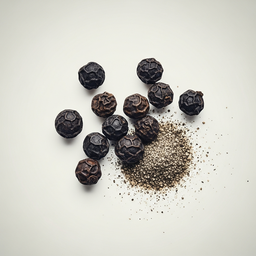 Black pepper Olive oil
 Fat increases piperine absorption and enhances polyphenols
Technical: Piperine is fat-soluble and absorbed 2-3x better with dietary fat. Olive oil's oleocanthal and piperine both modulate COX signal transduction through different mechanisms, providing additive bioactive effect.
What does this mean for you? Grind fresh pepper over salads with olive oil dressing. The combination enhances both pepper absorption and bioactive action.
Anti-inflammatoryHeartDigestion
Ingredients (15)
-
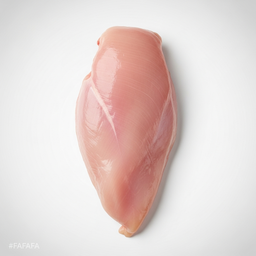 Chicken breasts — 4 pcs halal, about 150 g each, pounded to 1.5 cm thick
 -
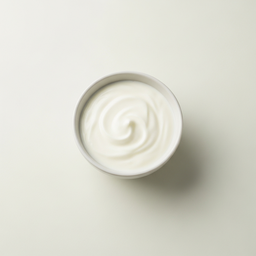 Yogurt or buttermilk — 200 ml for marinating
 -
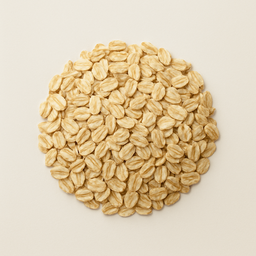 Oats — 100 g coarsely ground
Instructions
- 1 Place the chicken breasts between two sheets of plastic wrap or baking paper and pound them with a rolling pin or pan until about 1.5 cm thick.
- 2 Marinate the chicken in the yogurt or buttermilk in the fridge for at least 30 minutes, preferably 2 hours.
Nutrition per serving
Indicative values per serving.
Timing & Suitability
Shelf life: 3 days in fridge
Tags & Diet
Allergens: Gluten, Dairy