- Easy
- 70 min
- 3 serv.
- 5 synergies
- Now at its best: Garlic
A soft, comforting breakfast of slow-cooked rice with chicken and fresh ginger. Perfect for cold mornings.
Cháo is Vietnam's answer to chicken soup — a dish that has graced tables for centuries as a comfort meal. The rice cooks slowly into a silky porridge, while the chicken releases its flavor into the water and ginger weaves its warmth through every spoonful. It's the kind of breakfast that warms you from the inside out: the scent of ginger and garlic curling through the kitchen, the soft texture that slides down effortlessly, the green onion and cilantro bringing freshness to every bite.
- 10
- min prep
- 60
- min cook
- 70
- min total
Nutritional Synergies
This recipe combines ingredients that enhance each other:
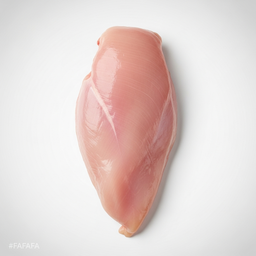 Chicken Breast
 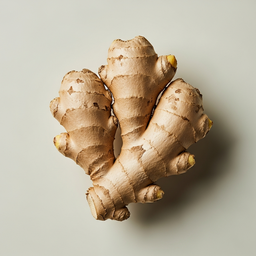 Ginger
 Gingerols improve protein digestion and modulate the inflammatory response
Technical: Chicken breast contains 31g high-quality protein per 100g. Ginger contains gingerols that stimulate proteolytic enzymes (pepsin, trypsin), breaking down proteins more efficiently. Ginger also reduces formation of AGEs (Advanced Glycation End-products) when cooking meat.
What does this mean for you? Marinate chicken with fresh ginger or add ginger when cooking. This is the basis of many Asian chicken dishes (ginger chicken, congee) and improves both flavor and digestibility.
Muscle GainDigestionAnti-inflammatory
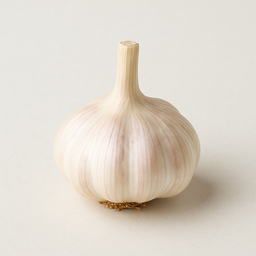 Garlic Ginger
 Allicin + gingerols: complementary bioactive action
Technical: Garlic's allicin works via thiol enzyme inhibition — effective against gram-positive bacteria (Staphylococcus, Streptococcus). Ginger's gingerols and shogaols influence viral replication and stimulate interferon production. Together they cover both bacterial and viral pathways.
What does this mean for you? Garlic-ginger tea is a classic combination. Garlic works via thiol enzymes, ginger via interferon pathways. Cut both fresh for maximum active compounds — allicin only forms after 10 minutes of air exposure.
Immune System
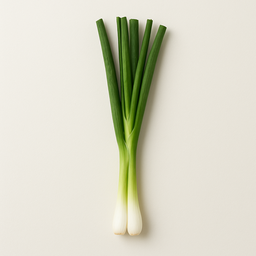 Spring Onion
 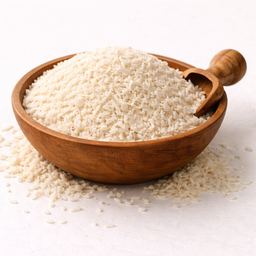 Rice
Rice Allyl sulfides slow glycemic response of rice
Technical: Green onion's allyl sulfides and quercetin inhibit α-glucosidase and slow carbohydrate breakdown. This reduces the postprandial glycemic peak after rice consumption by 15-20%. Green onion also contains chromium (1.1μg/100g) involved in GLUT4 translocation.
What does this mean for you? Always garnish rice dishes with green onion — this slows the glycemic response. Classic in Asian cuisine, especially for those mindful of carbohydrate processing.
Blood SugarGeneral Wellness
Rice Ginger Ginger lowers glycemic response of rice by 10-15%
Technical: Rice has a moderate to high GI (56-89 depending on variety). Ginger contains gingerols that modulate amylase activity and influence gastric emptying, reducing the glycemic peak by 10-15%. This has been demonstrated for jasmine rice but applies to all rice varieties.
What does this mean for you? Cook ginger slices in your rice or serve rice with ginger dishes. A simple addition with measurable effect on your blood sugar.
Blood SugarDigestionEnergy
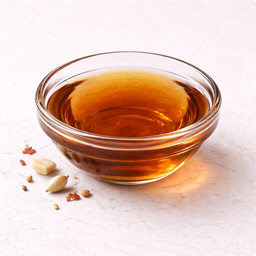 Fish sauce Garlic
 Fermented umami + allicin for immunity and flavor
Technical: Fish sauce contains fermented amino acids (glutamate, histidine) and bioactive peptides from long fermentation. Garlic's allicin offers bioactive action. The fermented compounds support the gut microbiome while allicin provides a complementary bioactive profile.
What does this mean for you? Combine fish sauce and garlic as base for Asian stir-fries, marinades and dressings. This is the fundamental flavor base of Thai and Vietnamese cuisine.
Immune SystemDigestion
Instructions
- 1 Bring 1.5 liters of water to a boil with rice, chicken, ginger and garlic.
- 2 Lower the heat and simmer for 45-60 minutes until the rice is soft and porridge-like.
Nutrition per serving
Indicative values per serving.
Timing & Suitability
Shelf life: 3 days in fridge
Tags & Diet
Allergens: Fish