- Medium
- 50 min
- 2 serv.
- 8 synergies
- Now at its best: Potato
Tender chicken thighs braised with potato cubes in an aromatic masala of garam masala, turmeric and cumin. The spices are briefly fried in coconut oil until fragrant, then the chicken slowly cooks through in the sauce with tomato and garlic. Served in warmed whole wheat tortillas as roti wraps.
The aroma of garam masala blooming in hot coconut oil — cinnamon, cardamom, cloves, each spice telling its own story. That's the moment you know this dish is going to be good. Surinamese roti is more than a meal; it's a cultural heritage reflecting the Hindustani migration to Suriname, merged with Caribbean influences into something unique.
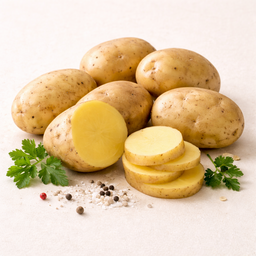
The chicken thighs are cut into pieces so the meat absorbs the spice blend maximally. Potato cubes cook along in the sauce, falling apart at the edges, making the gravy thick and velvety. The tomato adds acidity, the garlic depth, the turmeric a golden glow to everything it touches.
The roti itself — here replaced by whole wheat tortillas briefly warmed in a dry pan — is the vehicle for everything. You tear off a piece, scoop up the curry, and eat with your hands. That's how it's meant to be. No cutlery, no plates creating distance. This is food that brings you close.
- 20
- min prep
- 30
- min cook
- 50
- min total
Nutritional Synergies
This recipe combines ingredients that enhance each other:
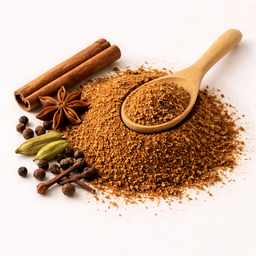 Garam Masala
 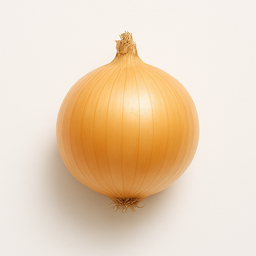 Onion
Onion Spice blend + quercetin for broad-spectrum bioactive action
Technical: Garam masala combines cinnamon (cinnamaldehyde), cardamom (1,8-cineole), cloves (eugenol) and cumin (cuminaldehyde) — each with its own bioactive signaling pathway. Onion contains quercetin (20mg/100g) that stabilizes mast cells and inhibits histamine release. Together they modulate 5+ independent signaling pathways: NF-κB cascades, COX-2, LOX, TNF-α and histamine. Studies show combined spices are stronger in combination than individual spices.
What does this mean for you? Fry onions with garam masala as the base of your curry — the traditional Indian soffritto. The onion enhances the bioactive action of every spice in the mix.
Anti-inflammatoryImmune SystemDigestion
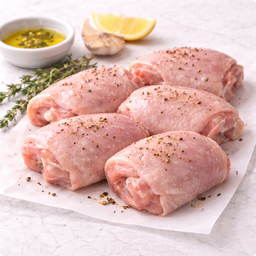 Chicken Thighs
 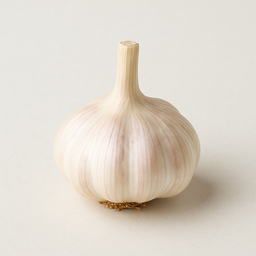 Garlic
 Classic combination: allicin for flavor and health
Technical: Chicken thighs contain more fat and flavor than breast, plus extra iron and zinc from dark meat. Garlic contains allicin that influences lipid metabolism. The sulfur compounds in garlic also help digest the fat in thighs.
What does this mean for you? Cook chicken thighs with lots of garlic — this is the basis of dishes like 'chicken with 40 cloves of garlic' and Moroccan tajines. The fat in thighs makes chicken juicier and garlic softer.
HeartImmune System
Chicken Thighs 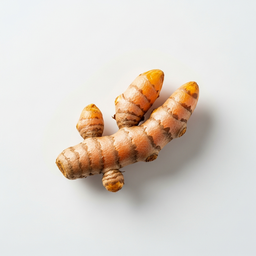 Turmeric
 Thigh fat increases curcumin absorption for joint and bioactive support
Technical: Chicken thighs contain 10-14g fat per 100g (more than breast: 3g), of which 30% MUFA and 20% PUFA. This higher fat content creates superior micelles for curcumin absorption compared to lean meat. Curcumin (diferuloylmethane) is studied in research in connection with NF-κB and COX-2 signaling (IC50 1-5μM). The iron in chicken thighs (1.3mg/100g heme iron) is protected from oxidation by curcumin's iron-chelating properties.
What does this mean for you? Chicken thighs with turmeric (yellow braised) works better than chicken breast with turmeric — the extra fat from the thighs dissolves more curcumin. Perfect for a curry or roasted chicken thighs with turmeric paste.
Anti-inflammatoryJointsImmune System
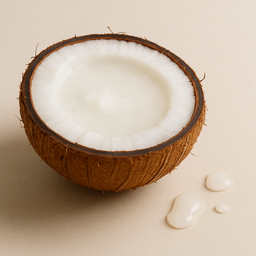 Coconut Oil Turmeric
 Improves absorption because curcumin is fat-soluble
Technical: Curcumin is fat-soluble and must be bound to fat to pass through the intestinal wall — without fat, bioavailability is only ~1%. Coconut oil contains 60% MCTs (medium-chain triglycerides) that are absorbed very quickly and effectively carry curcumin through the gut wall. The lauric acid component (48%) works via a complementary biochemical pathway.
What does this mean for you? Add a teaspoon of coconut oil to your turmeric milk, curry or smoothie. Coconut oil is one of the best 'carriers' for curcumin thanks to rapid MCT absorption. Don't forget black pepper for an extra 2000% absorption boost.
Anti-inflammatoryJoints
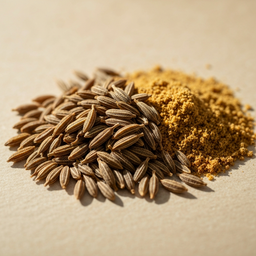 Cumin Garlic
 Double digestive support: enzymes + bioactive compounds
Technical: Cumin promotes digestive enzyme activity (amylase, lipase, protease) and increases bile flow. Garlic's allicin has broad bioactivity targeting pathogenic gut bacteria while sparing beneficial ones.
What does this mean for you? Fry garlic and cumin together as base for curries, soups and stews. Classic combination in virtually every cuisine in the world.
DigestionImmune System
Cumin Turmeric Classic curry base with enhanced digestion
Technical: Cumin promotes production of digestive enzymes (amylase, lipase, protease) and increases bile flow. Turmeric's curcumin modulates NF-κB and COX-2 signal transduction and supports hepatobiliary activity via bile stimulation. Together they provide enhanced digestion + bioactive action.
What does this mean for you? Cumin + turmeric is the base of every curry. The cumin promotes your digestion, the turmeric adds bioactive action — the perfect combination for a nutritious curry.
DigestionAnti-inflammatory
Onion Garlic More than 20 organosulfur compounds in one soffritto
Technical: Onion contains diallyl disulfide and quercetin (20-40mg/100g). Garlic contains allicin, ajoene and S-allylcysteine. Together they provide more than 20 different organosulfur compounds that modulate NF-κB. Allium crops are intensively studied in nutrition science for their unique sulfur chemistry.
What does this mean for you? Start every dish with sautéed onion and garlic — not just for flavor, but for the unique concentration of organosulfur compounds. Cut garlic 10 minutes before heating to allow allicin formation.
DigestionImmune System
Onion 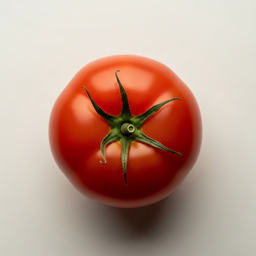 Tomato
 Quercetin + lycopene: synergistic polyphenol-carotenoid combination
Technical: Quercetin from onion (20-40mg/100g) and lycopene from tomato (2573μg/100g) work through different mechanisms. Quercetin chelates metal ions and modulates lipid peroxidation, lycopene quenches singlet oxygen. Combined polyphenols and carotenoids work synergistically — the combination works through complementary mechanisms.
What does this mean for you? Tomato sauce with onion is the base of nearly every Mediterranean cuisine — and rightly so. Quercetin and lycopene enhance each other's action through complementary biochemical pathways. Cooking in olive oil makes carotenoids more absorbable.
HeartAnti-inflammatory
Instructions
- 1 Cut chicken thighs into pieces of about 3 cm. Peel potatoes and cut into 2 cm cubes.
- 2 Heat coconut oil in a large deep pan over medium-high heat. Sauté onion 3 minutes until translucent.
Nutrition per serving
Indicative values per serving.
Timing & Suitability
Shelf life: 3 days in fridge
Tags & Diet
Allergens: Gluten