- Medium
- 45 min
- 4 serv.
- 14 synergies
- Now at its best: Tomato
A golden paella with shrimp, bell pepper, tomato, saffron and smoked paprika. The rice cooks gently in a wide pan and develops that beloved crisp bottom layer at the end: socarrat.
Paella asks for one thing that is surprisingly difficult: patience. First, the pan smells of olive oil, onion, garlic and smoked paprika. Then the rice goes in, glossy and dry, ready to absorb the flavour of hot stock and saffron. From that moment on, you leave the pan alone. No stirring, no shifting, just listening as the gentle bubbling slowly turns into a faint crackle on the bottom. That is where the socarrat forms: the thin, crisp layer of rice everyone secretly hopes for. The shrimp return only at the end, so they stay juicy. Parsley and lemon make the dish bright and fresh, just enough to wake up the warm saffron and smoky paprika.
- 20
- min prep
- 25
- min cook
- 45
- min total
Nutritional Synergies
This recipe combines ingredients that enhance each other:
 lemon
lemon  fresh parsley
 Double vitamin C for maximum iron absorption
Technical: Lemon contains 53mg vitamin C per 100g, parsley 133mg per 100g. Together they provide excess vitamin C that reduces non-heme iron (from vegetables, grains) from Fe³⁺ to Fe²⁺, increasing absorption 3-6x. Parsley also contains 6.2mg iron per 100g.
What does this mean for you? Use lemon + parsley in tabbouleh, dressings and marinades. The combination maximizes iron absorption, ideal for vegetarians.
EnergyImmune System
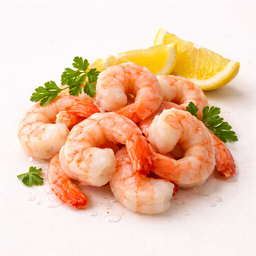 shrimp lemon
 Better iron absorption from shellfish
Technical: Shrimp contain 2mg iron per 100g, mainly as heme iron (well absorbed) plus some non-heme iron. Lemon provides 53mg vitamin C per 100g that reduces non-heme iron from Fe³⁺ to the more absorbable Fe²⁺. Additionally, citric acid promotes absorption by chelating minerals, which also improves uptake of zinc (1.6mg) and selenium (38μg) from shrimp.
What does this mean for you? Sprinkle your shrimp with lemon or lime juice. This works in cocktail sauces, ceviche, pad thai and shrimp soup. The citrus not only freshens the flavor but also increases your mineral absorption.
EnergyImmune System
shrimp  garlic
 Astaxanthin + allicin influence lipid metabolism via complementary pathways
Technical: Shrimp contain astaxanthin (1.5-3mg per 100g) — a potent carotenoid antioxidant that neutralizes singlet oxygen. Garlic contains allicin that works through a different mechanism: it influences HMG-CoA reductase (involved in lipid metabolism). Together they offer complementary biochemical pathways: antioxidation (astaxanthin) + lipid modulation (allicin).
What does this mean for you? Gambas al ajillo (shrimp in garlic oil) isn't just a Spanish classic but also a functional combination. Use at least 4-5 cloves of garlic and don't brown them too much — allicin breaks down at high temperatures.
HeartAnti-inflammatory
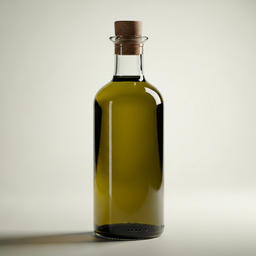 olive oil lemon
 Oleic acid + citric acid: complementary pathways for glycemic response
Technical: Lemon contains citric acid that slows gastric emptying, causing carbohydrates from the meal to be absorbed more slowly. Olive oil's fats reinforce this effect by further influencing glycemic response. Together they influence the postprandial glucose response via two complementary mechanisms. Olive oil's oleocanthal and lemon's vitamin C additionally provide complementary antioxidant action.
What does this mean for you? A simple dressing of olive oil and lemon juice over your salad is one of the smartest combinations you can make. The two mechanisms (delayed gastric emptying + fat slowing) work together to influence the glucose response after your meal.
EnergyDigestion
olive oil garlic Aglio e olio: allicin + oleocanthal via complementary biochemical pathways
Technical: Garlic contains allicin (formed when cutting/crushing) that influences HMG-CoA reductase (involved in lipid metabolism). Olive oil contains oleocanthal that modulates COX-1/2 enzymes. Together they influence lipid metabolism and prostaglandin cascade via complementary biochemical pathways. The fat also helps absorb fat-soluble garlic compounds.
What does this mean for you? Gently warm garlic in olive oil (don't burn!) as the base for many dishes. This is why 'aglio e olio' pasta is so beloved — two bioactive compounds that reinforce each other.
HeartImmune System
olive oil 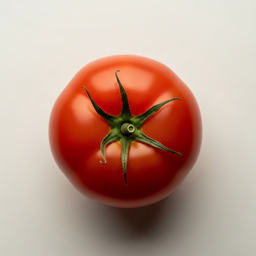 tomatoes
 Mediterranean golden rule: fat increases lycopene absorption 4x
Fat significantly increases lycopene bioavailability (PMID: 15927929)
Technical: Tomatoes contain lycopene (3-7mg per 100g), a carotenoid with strong antioxidant action. Lycopene is fat-soluble with only 10-15% absorption without fat. Olive oil increases this to 40-60% (2.5-4x improvement). Cooking further increases lycopene bioavailability.
What does this mean for you? Always add olive oil to tomato dishes — sauces, salads, bruschetta. This is why Mediterranean cuisine is so healthy. Cooked tomatoes with olive oil = maximum lycopene.
HeartSkin & Hair
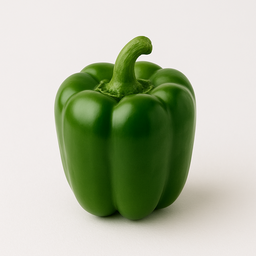 red bell pepper olive oil
 Fat improves carotenoid absorption from bell pepper
Technical: Red bell pepper contains 3131μg beta-carotene and 51μg lutein per 100g, plus 127mg vitamin C (211% RDI). Carotenoids are fat-soluble — without fat only 3-5% is absorbed. Olive oil increases bioavailability to 15-20% through micelle formation in the small intestine.
What does this mean for you? Roast bell pepper with olive oil or make a salad with olive oil dressing. Red pepper contains 10x more carotenoids than green — choose red for maximum effect.
Immune SystemSkin & Hair
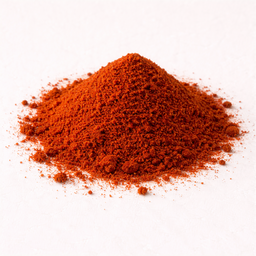 smoked paprika olive oil
 3x better carotenoid absorption with fats
Technical: Paprika powder is extremely rich in carotenoids: beta-carotene, capsanthin and cryptoxanthin. These are all fat-soluble with only 5-10% absorption without fat. Olive oil or butter create micelles increasing absorption up to 3x. Additionally, vitamin E from olive oil protects carotenoids from oxidation.
What does this mean for you? Always briefly fry paprika powder in oil or butter before adding liquid. This activates the color and increases vitamin absorption up to 3x — the basis of Hungarian goulash.
Skin & HairImmune System
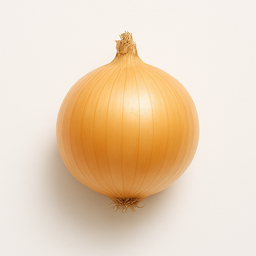 onion garlic
 More than 20 organosulfur compounds in one soffritto
Technical: Onion contains diallyl disulfide and quercetin (20-40mg/100g). Garlic contains allicin, ajoene and S-allylcysteine. Together they provide more than 20 different organosulfur compounds that modulate NF-κB. Allium crops are intensively studied in nutrition science for their unique sulfur chemistry.
What does this mean for you? Start every dish with sautéed onion and garlic — not just for flavor, but for the unique concentration of organosulfur compounds. Cut garlic 10 minutes before heating to allow allicin formation.
DigestionImmune System
onion tomatoes Quercetin + lycopene: synergistic polyphenol-carotenoid combination
Technical: Quercetin from onion (20-40mg/100g) and lycopene from tomato (2573μg/100g) work through different mechanisms. Quercetin chelates metal ions and modulates lipid peroxidation, lycopene quenches singlet oxygen. Combined polyphenols and carotenoids work synergistically — the combination works through complementary mechanisms.
What does this mean for you? Tomato sauce with onion is the base of nearly every Mediterranean cuisine — and rightly so. Quercetin and lycopene enhance each other's action through complementary biochemical pathways. Cooking in olive oil makes carotenoids more absorbable.
HeartAnti-inflammatory
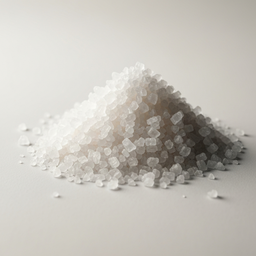 sea salt tomatoes
 Minerals improve flavor perception and electrolyte balance
Technical: Sea salt contains trace minerals (magnesium, potassium, calcium) besides sodium. Tomato is rich in potassium (237mg/100g) and lycopene. Avocado adds magnesium (29mg) and potassium (485mg). Together they form a broad electrolyte profile: sodium (salt) + potassium (tomato/avocado) + magnesium (avocado) — essential for fluid balance and nerve function.
What does this mean for you? Sprinkle tomato and avocado with a pinch of sea salt. This is more than flavor — the minerals complement each other for a complete electrolyte balance.
HeartEnergy
sea salt lemon Trace minerals + vitamin C for electrolytes and immune system
Technical: Unrefined sea salt contains 80+ trace elements (magnesium 0.5%, potassium 0.4%, calcium 0.1%, plus iodine, zinc, selenium in trace amounts) alongside sodium. Lemon's vitamin C improves absorption of non-heme iron and zinc from sea salt. Sodium + potassium together regulate cellular osmosis. Vitamin C is also essential for collagen synthesis where sea salt minerals serve as cofactors.
What does this mean for you? A glass of warm water with a pinch of unrefined sea salt and lemon juice in the morning is an effective hydration ritual. The minerals + vitamin C start your day with good electrolyte balance.
EnergyImmune System
sea salt olive oil Minerals + polyphenols for cellular balance
Technical: Sea salt's sodium is essential for the sodium-potassium pump (Na+/K+-ATPase) that regulates every body cell. Olive oil's oleuropein and hydroxytyrosol provide antioxidant protection for cell membranes. The combination supports cell integrity: sea salt regulates ion balance, olive oil protects the membrane. In Mediterranean cuisine, coarse sea salt + olive oil is the most basic flavor profile.
What does this mean for you? Freshly ground sea salt with extra virgin olive oil is the simplest and most nutritious finishing of any dish. The combination provides the basic needs of your cells: minerals for function, polyphenols for protection.
HeartGeneral Wellness
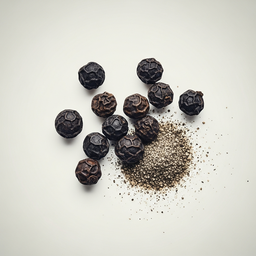 black pepper olive oil
 Fat increases piperine absorption and enhances polyphenols
Technical: Piperine is fat-soluble and absorbed 2-3x better with dietary fat. Olive oil's oleocanthal and piperine both modulate COX signal transduction through different mechanisms, providing additive bioactive effect.
What does this mean for you? Grind fresh pepper over salads with olive oil dressing. The combination enhances both pepper absorption and bioactive action.
Anti-inflammatoryHeartDigestion
Ingredients (14)
- shrimp — 300 g peeled, tail on
-
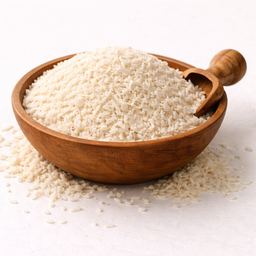 paella rice — 300 g preferably bomba or another short paella rice
 - tomatoes — 2 pcs ripe, grated
Instructions
- 1 Briefly cook the shrimp: Heat the olive oil in a wide paella pan or large skillet over medium heat. Cook the shrimp for 1-2 minutes, until just turning pink. Remove from the pan and set aside.
- 2 Make the sofrito: Sauté the onion and garlic for 3 minutes in the same pan. Add the bell pepper and cook for 3 more minutes. Stir in the grated tomato and reduce for 4 minutes.
Nutrition per serving
Indicative values per serving.
Timing & Suitability
Shelf life: 1 days in fridge
Tags & Diet
Allergens: Shellfish