- Easy
- 20 min
- 2 serv.
- 6 synergies
- Now at its best: Tomato
A classic Persian salad with finely chopped vegetables, pomegranate seeds, walnuts and a lemon-olive oil dressing.
Shirazi salad is to Iranian cuisine what tomato salad is to Turkish: it accompanies every warm meal. The secret is in the chopping — everything the same size, no larger than half a centimetre, so every bite is a perfect blend of tomato, cucumber and onion. This version with walnuts and pomegranate seeds elevates the classic to celebration level. The sumac provides a subtle sourness you won't find elsewhere, the lemon juice freshness, and the olive oil binds everything into a salad that's on the table in ten minutes and pairs with anything.
- 20
- min prep
- 0
- min cook
- 20
- min total
Nutritional Synergies
This recipe combines ingredients that enhance each other:
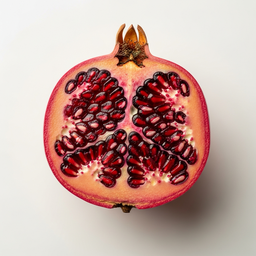 Pomegranate
 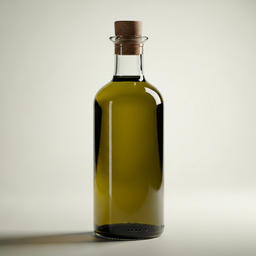 Olive Oil
 Mediterranean polyphenol combination: punicalagins + oleocanthal
Technical: Pomegranate contains punicalagins and punicalins — unique ellagitannins that work via multiple biochemical pathways, including modulation of NF-kB signaling. Olive oil contains oleocanthal — a bioactive phenolic compound that influences COX enzymes. Together they offer complementary polyphenol pathways: ellagitannins via urolithin conversion, oleocanthal via direct enzyme interaction.
What does this mean for you? Drizzle extra virgin olive oil over pomegranate seeds in a salad. This Middle Eastern combination offers two powerful polyphenol sources working via different biochemical pathways. Always use extra virgin olive oil — oleocanthal is lost during refining.
HeartAnti-inflammatory
Pomegranate 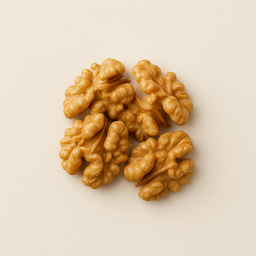 Walnuts
 Complementary polyphenols and omega-3
Technical: Pomegranate contains punicalagins studied in research in connection with LDL oxidation. Walnuts provide ALA omega-3 (9g per 100g); alpha-linolenic acid contributes to the maintenance of normal blood cholesterol levels (EFSA). Both contain unique polyphenols (pomegranate: ellagitannins, walnuts: ellagic acid + pedunculagin) with complementary bioactive pathways.
What does this mean for you? Sprinkle pomegranate seeds and chopped walnuts over your salad or yogurt. This combination provides complementary plant compounds through two routes: polyphenols (pomegranate) + omega-3 fatty acids (walnuts).
Heart
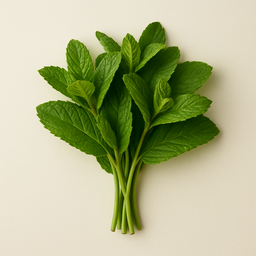 Mint
Mint 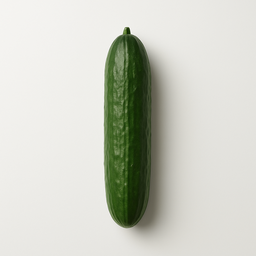 Cucumber
 Ultimate cooling: menthol + water-rich food
Technical: Mint contains menthol (40-50% of essential oil) that activates TRPM8 cooling receptors - you feel cooling without temperature drop. Cucumber is 96% water and provides electrolytes. Together they offer both physiological and sensory cooling.
What does this mean for you? Add fresh mint to cucumber water or raita. Ideal in hot weather, after exercise, or for hot flashes. The combination works better than either ingredient alone.
DigestionStress ReliefEnergy
Olive Oil 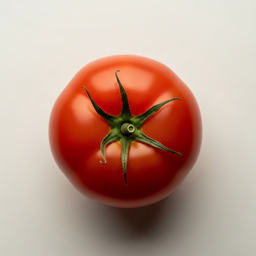 Tomato
 Mediterranean golden rule: fat increases lycopene absorption 4x
Fat significantly increases lycopene bioavailability (PMID: 15927929)
Technical: Tomatoes contain lycopene (3-7mg per 100g), a carotenoid with strong antioxidant action. Lycopene is fat-soluble with only 10-15% absorption without fat. Olive oil increases this to 40-60% (2.5-4x improvement). Cooking further increases lycopene bioavailability.
What does this mean for you? Always add olive oil to tomato dishes — sauces, salads, bruschetta. This is why Mediterranean cuisine is so healthy. Cooked tomatoes with olive oil = maximum lycopene.
HeartSkin & Hair
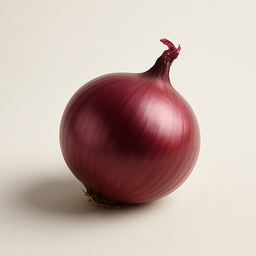 Red Onion Olive Oil
 Fat increases bioavailability of quercetin from red onion
Technical: Red onion contains 32-65mg quercetin per 100g — the richest food source. Quercetin is poorly water-soluble (2μg/mL) but dissolves well in fats. Olive oil increases quercetin oral bioavailability by 50-70% through lipid-based lymphatic transport instead of the portal vein.
What does this mean for you? Sauté red onion in olive oil (soffritto) for maximum quercetin absorption. Oil dissolves quercetin and improves transport to your bloodstream. Caramelizing also enhances flavor.
Anti-inflammatoryHeart
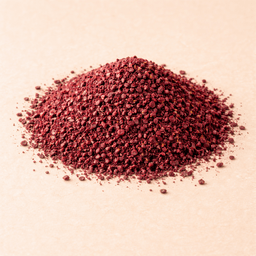 Sumac Olive Oil
 Gallotannins from sumac are fat-soluble, olive oil increases bioavailability
Gallotannins from Rhus coriaria are lipophilic and require dietary fat for absorption (PMID: 36014419)
Technical: Gallotannins and polyphenols from sumac are fat-soluble. Olive oil contains 73% oleic acid that promotes micelle formation, improving antioxidant absorption up to 3x in the gut.
What does this mean for you? Always use sumac in dishes with olive oil (like salads or grilled meat). The fat-soluble antioxidants will be absorbed much better for broader bioactive benefits.
Anti-inflammatoryHeart
Ingredients (10)
+8 more ingredientsInstructions
- 1 Chop all vegetables very finely into 3-5 mm cubes — that's the secret of a good Shirazi salad.
Nutrition per serving
Indicative values per serving.
Timing & Suitability
Shelf life: 2 days in fridge
Tags & Diet
Allergens: Nuts