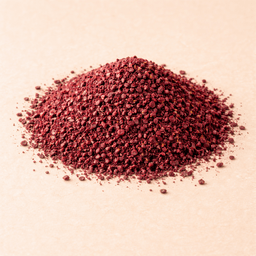
Sumac
Tangy red spice powder from the Levant
What is this ingredient?
## Botanical origin and culinary history
Sumac (Rhus coriaria) is the dried and ground fruit of the sumac shrub, used for thousands of years in Middle Eastern and Mediterranean cooking. The bright red berries are harvested before full ripeness, sun-dried and then ground into a coarse powder with a distinctive deep red color. The name 'sumac' comes from the Aramaic word 'summaq', meaning 'dark red' (Abu Alwafa et al., 2021).
## Polyphenols, color and ORAC context
Sumac stands out for its red pigments and for a high ORAC value of 312,400 in laboratory analyses. ORAC is a test method for antioxidant capacity in a lab setting and does not automatically translate into a direct health effect in the body. The value is mainly associated with tannins, flavonoids and phenolic acids, including gallotannins and anthocyanins that also contribute to the color (Batiha et al., 2022).
## Research on nutrition markers
Research on Rhus coriaria looks at polyphenols, oxidative-stress markers, lipid markers and post-meal glucose values. Some of the literature uses concentrated extracts or specific study designs; that is not the same as normal amounts of sumac sprinkled over salad or hummus. In Tayb, sumac therefore belongs mainly as a culinary ingredient with interesting plant compounds, not as a treatment or prevention for conditions.
## Culinary use and flavor profile
In the kitchen, sumac adds a fresh, tart bite reminiscent of lemon, but earthier and less sharp. It is an essential ingredient in za'atar blends and is traditionally sprinkled over fattoush, hummus, grilled vegetables, meat and fish. Its sour note comes mainly from malic acid, helping brighten dishes without adding extra liquid.
How does it taste?
Tangy and fruity with a lemony bite, gentle astringency and an earthy red-berry note.
Pairs well with:
Pairs well with grilled meathummusonionolive oilyoghurttomato and fattoush.
Did you know...?
- Sumac was used in ancient Rome as a souring agent before lemons became widely available.
- The deep red color of sumac comes from anthocyanins, pigments also found in red grapes.
Nutritional Value & Energy
Per 100g
Sumac provides energy thanks to natural nutrients , buffered by fiber.
Per 100g
Minerals
Vitamins
More nutrients
Trace Minerals
What's in a serving?
1 tablespoon (in a curry)
Sumac naturally contains potassium (573 mg per 100 g dried powder). At typical spice usage (3–9 g), the contribution is limited.
% of daily reference intake (DRI)
EU-approved nutrition claims
There are currently no EFSA-authorized health claims specific to sumac. Various applications for herbs and spices have been submitted but not yet assessed (botanical 'on hold' list).
Comparison
vsbanaan
Sumac contains about 2× more potassium per 100 g than banana — but you use much less sumac per serving.
What's being researched?
Sumac and polyphenols
Sumac is studied for its galloyl compounds, tannins and anthocyanins. The literature focuses among other things on oxidative-stress markers and cardiometabolic research parameters.
Supported by: [1] Alsamri (2021) , [2] Batiha (2022) , [4] Asbaghi (2020)
Sumac and post-meal glucose values
Sumac is studied in relation to metabolic markers, including post-meal glucose values. The results come from specific studies and do not mean that culinary amounts can be used as a treatment.
Supported by: [4] Asbaghi (2020) , [1] Alsamri (2021) , [3] Mohammadi (2010)
Good Combinations (Synergy)
Combine sumac smartly to enhance the effect:
Sumac 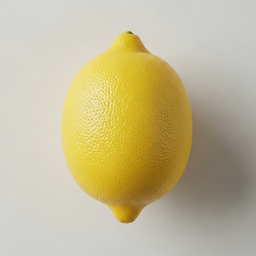 Lemon
Lemon Vitamin C protects sumac gallotannins against oxidative degradation
Ascorbic acid regenerates oxidized polyphenols and chelates pro-oxidative metal ions (PMID: 29099763)
Technical: Gallotannins and anthocyanins in sumac are oxidation-sensitive — they lose up to 40% bioactivity within 2 hours of preparation. Ascorbic acid from lemon (53mg/100g) functions as a redox partner: it donates electrons that regenerate oxidized polyphenols to their active form. Citric acid also chelates pro-oxidative metal ions (Fe²⁺, Cu²⁺) that catalyze polyphenol degradation.
What does this mean for you? Squeeze lemon over dishes with sumac (salad, hummus). The lemon juice protects sumac's antioxidants so your body can actually use them.
Sumac 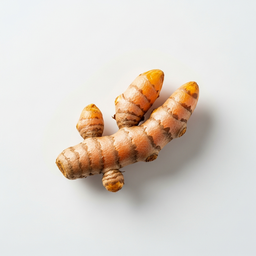 Turmeric
 Complementary bioactive action via different signaling pathways
Sumac gallotannins inhibit NF-κB and COX-2 (PMID: 36014419), curcumin inhibits NF-κB and LOX-5
Technical: Gallotannins from sumac and curcumin from turmeric both modulate NF-κB signal transduction, but via different mechanisms. Sumac also modulates COX-2 signal transduction while curcumin modulates 5-LOX, providing broad-spectrum bioactive signaling modulation.
What does this mean for you? Combine sumac and turmeric in dishes for maximum bioactive effect. Both spices enhance each other through complementary signaling pathways.
Sumac 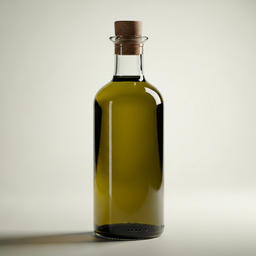 Olive Oil
 Gallotannins from sumac are fat-soluble, olive oil increases bioavailability
Gallotannins from Rhus coriaria are lipophilic and require dietary fat for absorption (PMID: 36014419)
Technical: Gallotannins and polyphenols from sumac are fat-soluble. Olive oil contains 73% oleic acid that promotes micelle formation, improving antioxidant absorption up to 3x in the gut.
What does this mean for you? Always use sumac in dishes with olive oil (like salads or grilled meat). The fat-soluble antioxidants will be absorbed much better for broader bioactive benefits.
Recipes with Sumac
Discover delicious recipes featuring sumac:
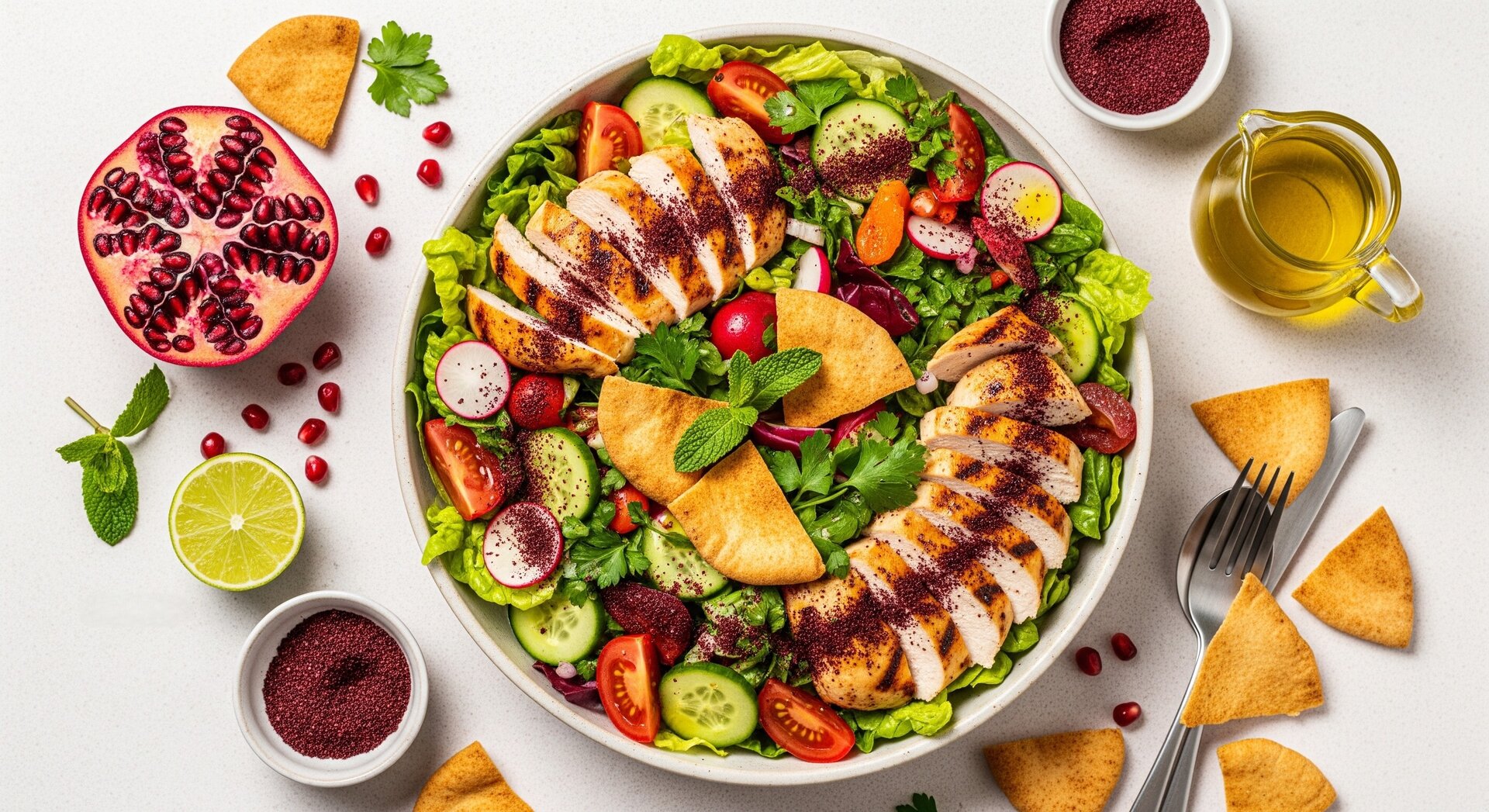 Fattoush Salad with Grilled Chicken and Sumac 35 min Lebanese bread salad with grilled chicken, radish and sumac dressing
  660 kcal
  48g protein 1 synergies
 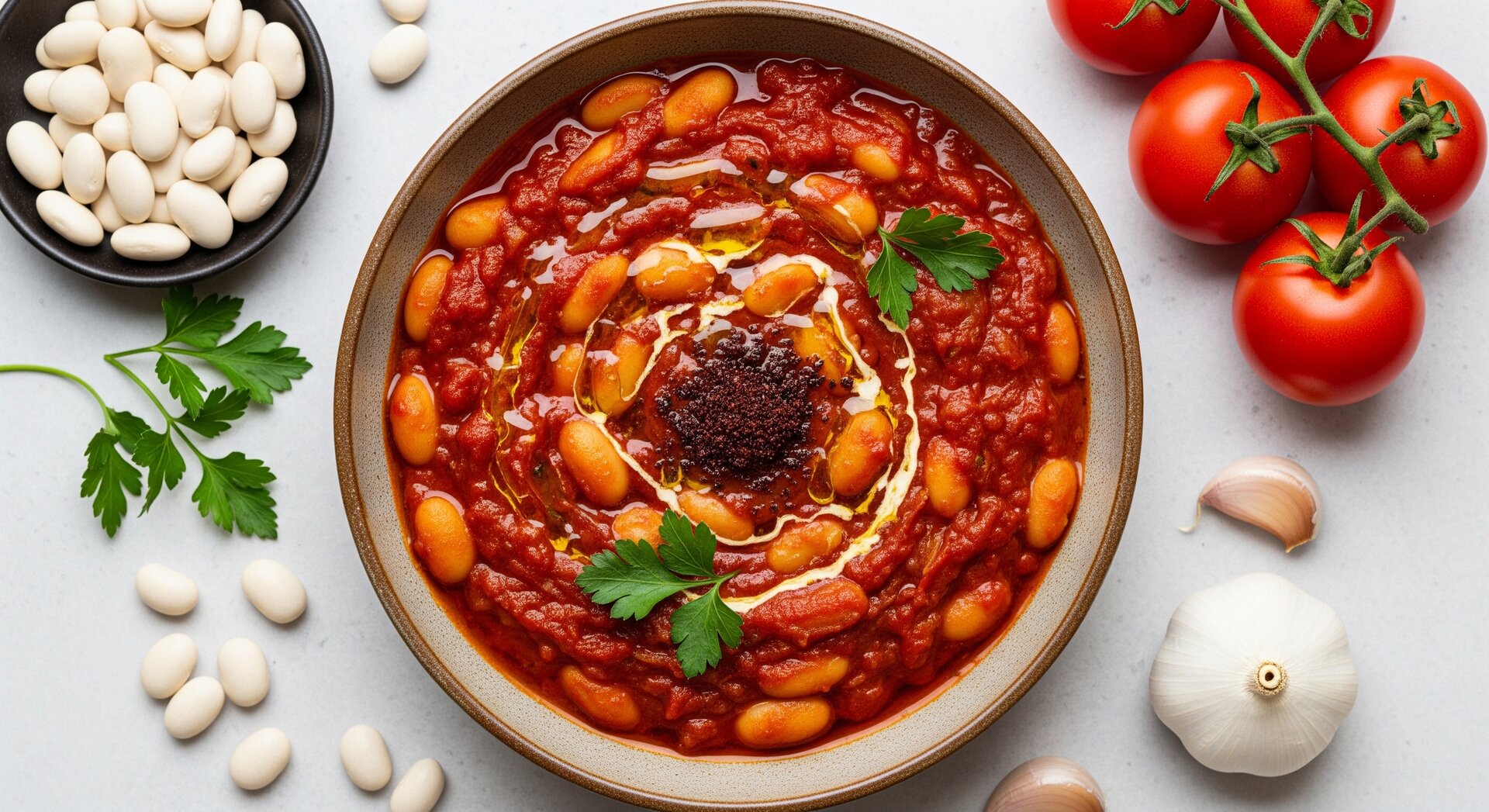 Greek Gigantes Plaki with Giant Beans 45 min Baked white beans in rich tomato sauce 290 kcal 12g protein 1 synergies
 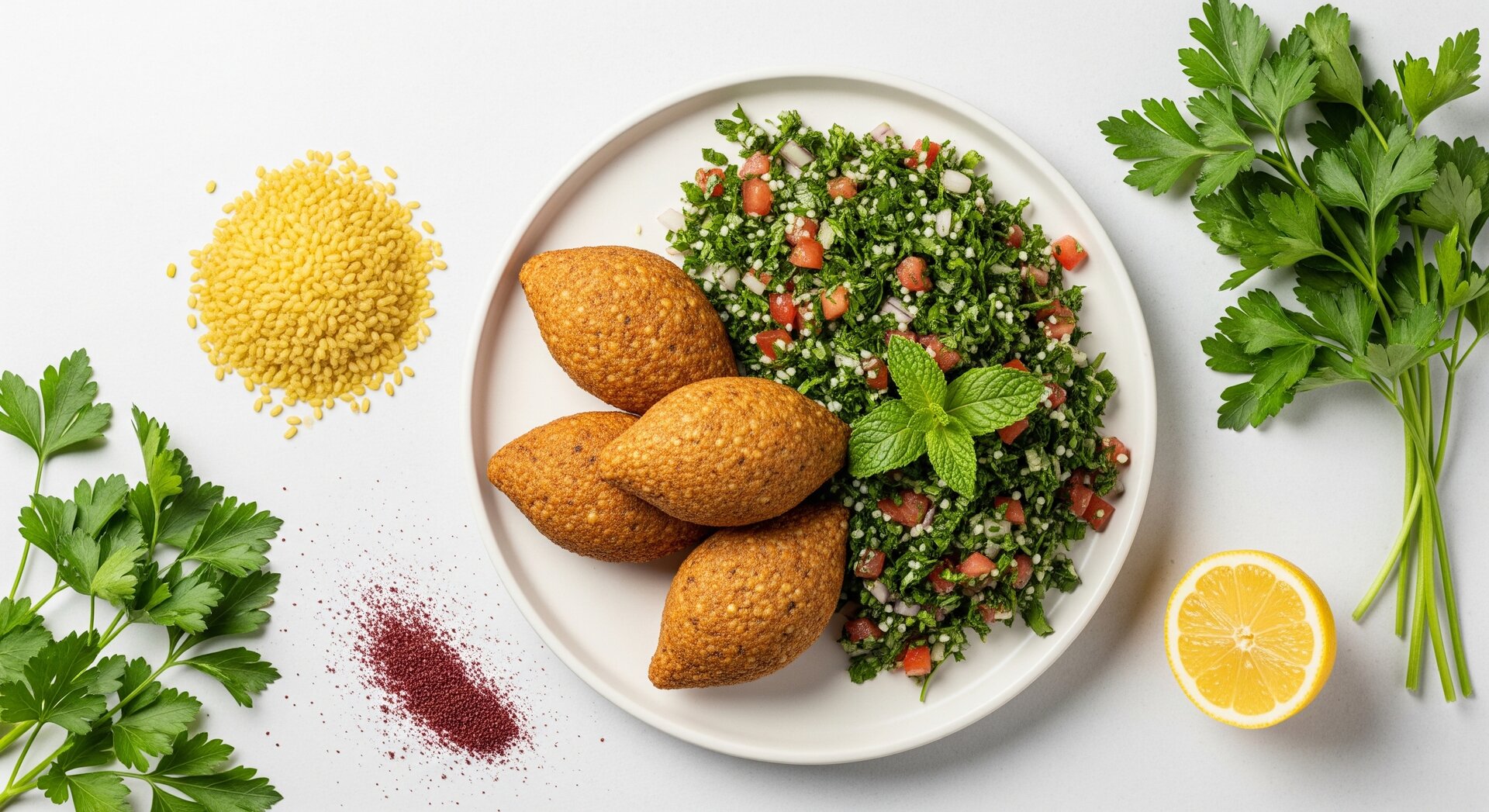 Turkey Kibbeh with Bulgur Tabbouleh 40 min Levantine meatballs with fresh herb salad 571 kcal 36g protein 1 synergies
 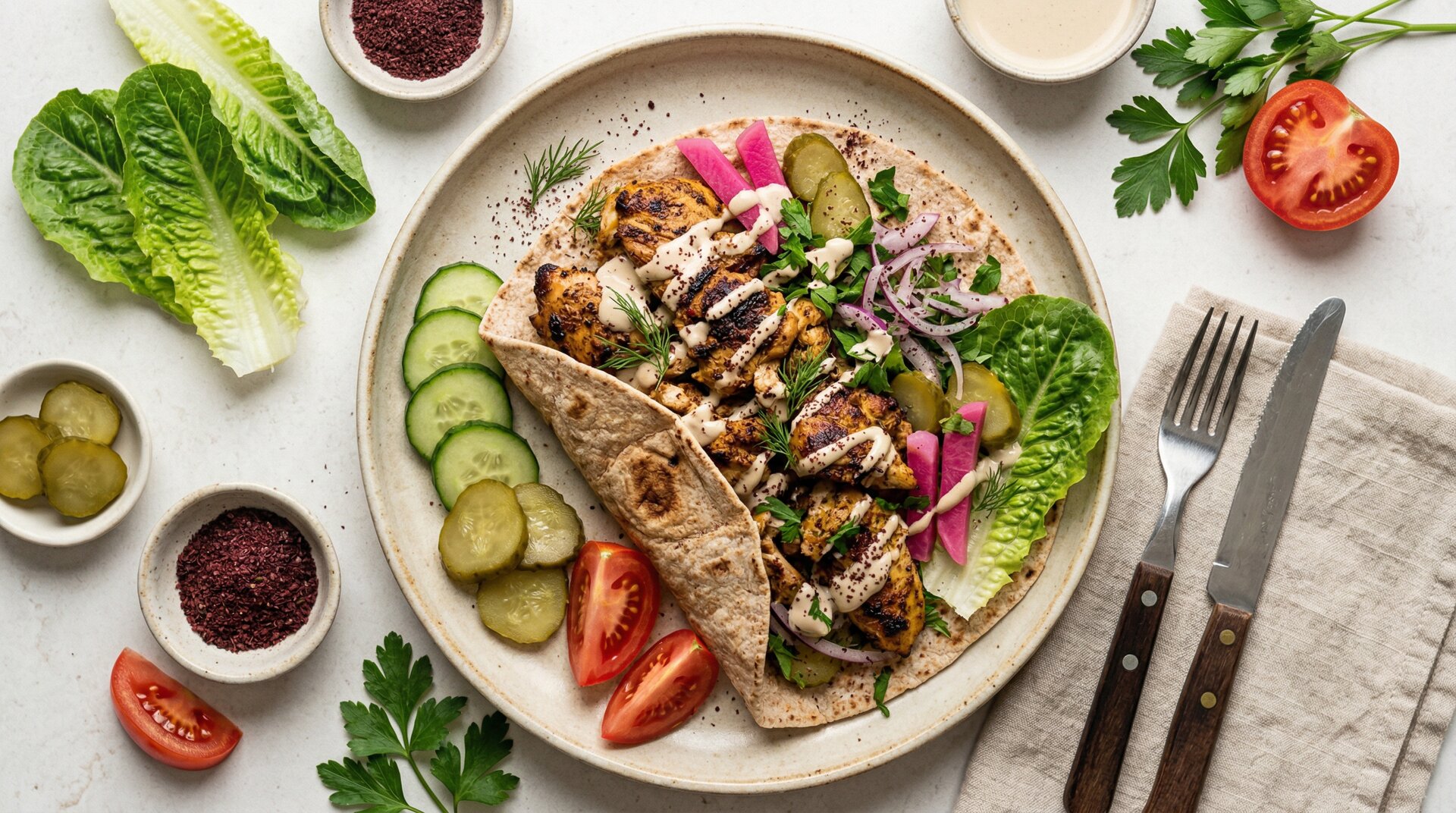 Chicken Shawarma Flatbread with Tahini, Pickles & Sumac 35 min Spiced chicken thigh on warm bread with sesame sauce and sumac 718 kcal 40g protein 1 synergies
 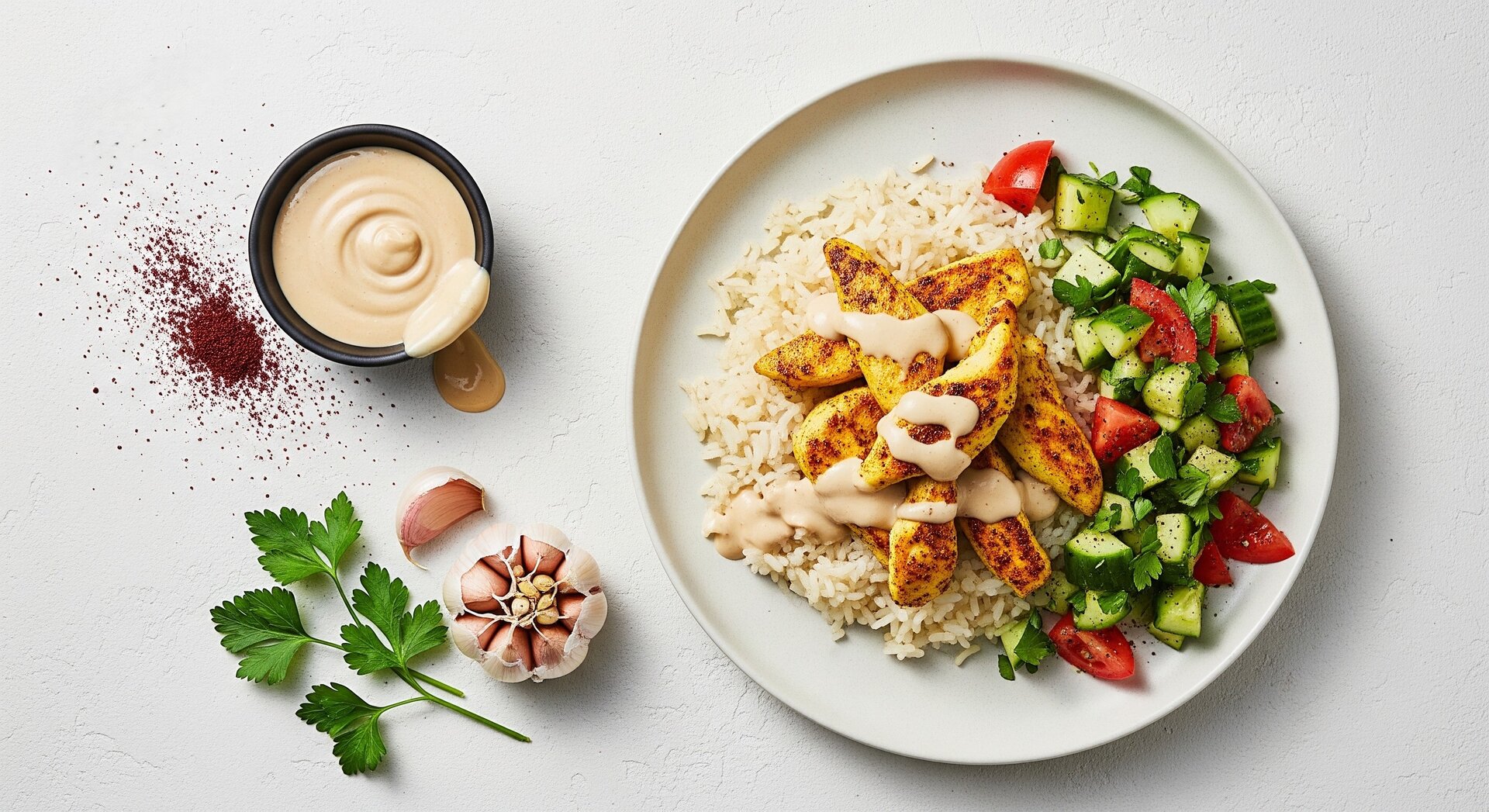 Chicken Breast Shawarma with Rice and Tahini 35 min Spiced chicken with basmati rice and creamy sesame sauce 519 kcal 44g protein 1 synergies
 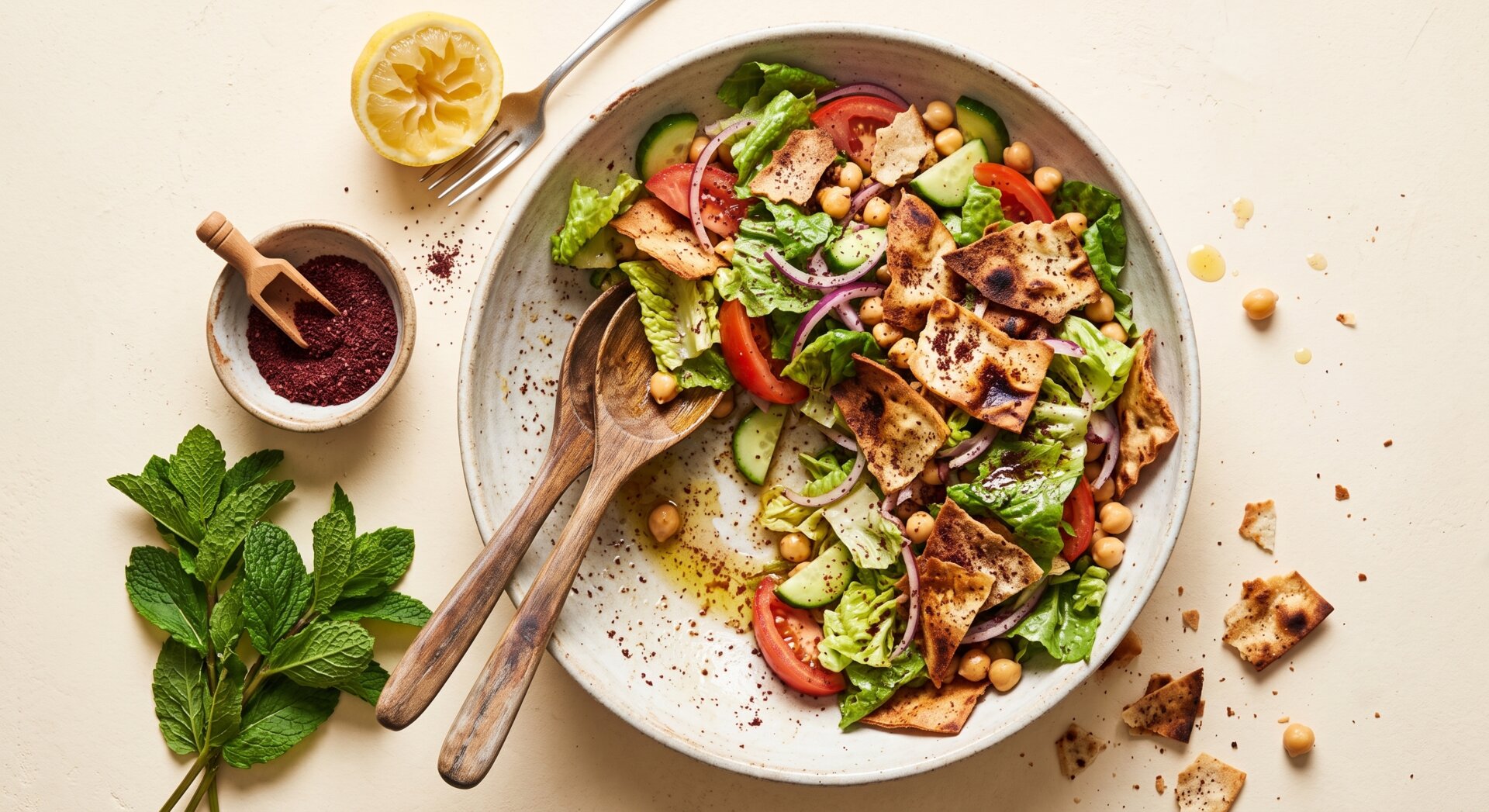 Lebanese Fattoush with Chickpeas 25 min Fresh Levantine salad with crispy pita chips 597 kcal 20g protein 1 synergies
  In the Kitchen
Storage
Location:Pantry
Store in a cool, dry, dark place. Sumac loses color and flavor when exposed to light and moisture.
Preparation
Use sumac mainly raw as a finishing touch. Do not heat it for long, so the tangy flavor and red color stay vibrant. Sprinkle just before serving over salads, hummus, grilled vegetables, meat or fish.
Substitutes
Smart preparation
1Sprinkle sumac as a finishing touch over salads, hummus or grilled dishes.
Why?
Sumac keeps its tangy flavor best when you do not heat it for long.
2Use sumac as a lemon substitute in dressings for a milder acidity.
3Store sumac airtight; this helps the red color and aroma stay vibrant for longer.
Caution / Warnings
Sumac is very safe, but there are scientific considerations:
Do not confuse with poisonous sumac species Severe
Rhus coriaria (edible sumac) must not be confused with Toxicodendron vernix (poison sumac) or other North American Toxicodendron species that contain urushiol, a strongly irritating oil. Edible sumac has red, hairy berries in compact clusters, while poison sumac has white, smooth berries in looser clusters.
Advice:
Only buy commercially packaged sumac from reliable sources. Do not forage wild sumac unless you are botanically trained.
Cross-allergy with the Anacardiaceae family Moderate
People allergic to mango, cashews, pistachios or poison ivy may also be sensitive to sumac, because these plants are linked through related botanical families or contact-allergy contexts.
Advice:
Start with a very small amount the first time. Stop if itching, rash, swelling or breathing difficulties occur and seek medical advice if symptoms persist or are severe.
Use alongside diabetes medication Mild
With regular use of large amounts or concentrated extracts, glucose values may be affected. Use caution when combining with metformin, insulin or sulfonylureas.
Advice:
Use normal culinary amounts and consult your doctor if you want to take sumac extracts or large daily amounts alongside diabetes medication.
Traditional use
Islamic tradition
Sour spice of the Middle East
Sumac has been used for centuries in the Middle East and the Levant as a souring agent, including before lemons became widely available. It is an essential ingredient in fattoush and za'atar blends.
Mediterranean
Greek and Roman kitchen use
Sumac was used in ancient Greek and Roman kitchens as a sour seasoning before lemon was widely available. Dioscorides described the plant in his 'De Materia Medica'.
Summary
Sumac is a deep red, tangy spice powder with a high ORAC value in laboratory testing. Research examines sumac polyphenols in relation to oxidative-stress markers, lipid markers and glucose values, while culinary use is mainly about color, tartness and Levantine flavor.