- Easy
- 45 min
- 2 serv.
- 7 synergies
- Now at its best: Tomato
Traditional Greek dish with giant white beans baked in tomato sauce with onion, garlic and fresh parsley. Garnished with olive oil.
Gigantes Plaki is Greek comfort food at its purest: giant beans slowly baked in a rich tomato sauce until they're so tender they nearly melt on your tongue. The kitchen fills with the scent of garlic, oregano and reduced tomato while the beans sit in the oven. Each bean soaks up the sauce like a sponge — the outside just slightly firmer, the inside creamy and full of flavor. Fresh parsley goes on top, along with a generous drizzle of good olive oil that makes everything glisten. This is the kind of food you eat from a clay dish on a Greek island, with fresh bread to mop up the last of the sauce.
- 10
- min prep
- 35
- min cook
- 45
- min total
Nutritional Synergies
This recipe combines ingredients that enhance each other:
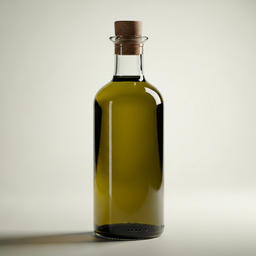 Olive Oil
 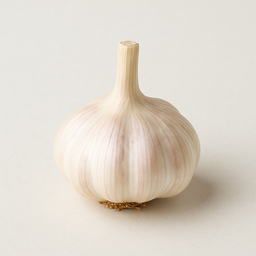 Garlic
 Aglio e olio: allicin + oleocanthal via complementary biochemical pathways
Technical: Garlic contains allicin (formed when cutting/crushing) that influences HMG-CoA reductase (involved in lipid metabolism). Olive oil contains oleocanthal that modulates COX-1/2 enzymes. Together they influence lipid metabolism and prostaglandin cascade via complementary biochemical pathways. The fat also helps absorb fat-soluble garlic compounds.
What does this mean for you? Gently warm garlic in olive oil (don't burn!) as the base for many dishes. This is why 'aglio e olio' pasta is so beloved — two bioactive compounds that reinforce each other.
HeartImmune System
Olive Oil 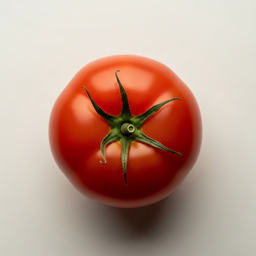 Tomato
 Mediterranean golden rule: fat increases lycopene absorption 4x
Fat significantly increases lycopene bioavailability (PMID: 15927929)
Technical: Tomatoes contain lycopene (3-7mg per 100g), a carotenoid with strong antioxidant action. Lycopene is fat-soluble with only 10-15% absorption without fat. Olive oil increases this to 40-60% (2.5-4x improvement). Cooking further increases lycopene bioavailability.
What does this mean for you? Always add olive oil to tomato dishes — sauces, salads, bruschetta. This is why Mediterranean cuisine is so healthy. Cooked tomatoes with olive oil = maximum lycopene.
HeartSkin & Hair
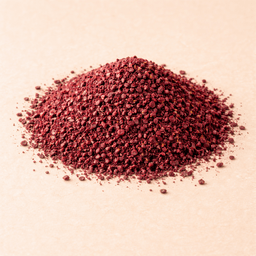 Sumac Olive Oil
 Gallotannins from sumac are fat-soluble, olive oil increases bioavailability
Gallotannins from Rhus coriaria are lipophilic and require dietary fat for absorption (PMID: 36014419)
Technical: Gallotannins and polyphenols from sumac are fat-soluble. Olive oil contains 73% oleic acid that promotes micelle formation, improving antioxidant absorption up to 3x in the gut.
What does this mean for you? Always use sumac in dishes with olive oil (like salads or grilled meat). The fat-soluble antioxidants will be absorbed much better for broader bioactive benefits.
Anti-inflammatoryHeart
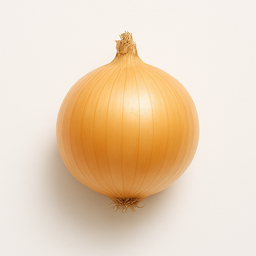 Onion Garlic
 More than 20 organosulfur compounds in one soffritto
Technical: Onion contains diallyl disulfide and quercetin (20-40mg/100g). Garlic contains allicin, ajoene and S-allylcysteine. Together they provide more than 20 different organosulfur compounds that modulate NF-κB. Allium crops are intensively studied in nutrition science for their unique sulfur chemistry.
What does this mean for you? Start every dish with sautéed onion and garlic — not just for flavor, but for the unique concentration of organosulfur compounds. Cut garlic 10 minutes before heating to allow allicin formation.
DigestionImmune System
Onion Tomato Quercetin + lycopene: synergistic polyphenol-carotenoid combination
Technical: Quercetin from onion (20-40mg/100g) and lycopene from tomato (2573μg/100g) work through different mechanisms. Quercetin chelates metal ions and modulates lipid peroxidation, lycopene quenches singlet oxygen. Combined polyphenols and carotenoids work synergistically — the combination works through complementary mechanisms.
What does this mean for you? Tomato sauce with onion is the base of nearly every Mediterranean cuisine — and rightly so. Quercetin and lycopene enhance each other's action through complementary biochemical pathways. Cooking in olive oil makes carotenoids more absorbable.
HeartAnti-inflammatory
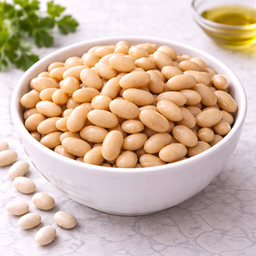 White Beans (Cannellini) Tomato
 Protein + lycopene: versatile nutritional combination
Technical: White beans provide 21g protein per 100g with high lysine (1.4g). Tomato provides lycopene (2573μg/100g), a potent carotenoid. White bean fiber (6.3g/100g) also feeds Faecalibacterium prausnitzii producing butyrate. Tomato's vitamin C (14mg) improves iron absorption from beans.
What does this mean for you? White beans in tomato sauce (cassoulet, ribollita, baked beans) is a timeless combination with protein, lycopene and fiber. Tomato also makes bean iron more absorbable.
Muscle GainHeart
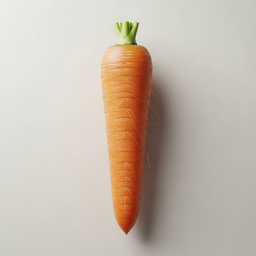 Carrot Olive Oil
 Up to 5x more beta-carotene absorption
Technical: Carrot contains 8285μg beta-carotene per 100g, but bioavailability from raw carrot is only 3-4%. Heating + olive oil increases this to 20-25%. Oleic acid (73% of olive oil) forms mixed micelles that efficiently transport beta-carotene to enterocytes for absorption.
What does this mean for you? Roast carrots with olive oil or eat them in a salad with dressing. Without fat you absorb only 3% of beta-carotene — with olive oil up to 5x more.
Skin & HairFocusImmune System
Ingredients (8)
+6 more ingredientsInstructions
- 1 Preheat the oven to 180°C (350°F).
Nutrition per serving
Indicative values per serving.
Timing & Suitability
Shelf life: 4 days in fridge