- Easy
- 10 min
- 1 serv.
- 10 synergies
- Now at its best: Walnuts
A nutritious breakfast with rolled oats cooked in oat milk, topped with handfuls of blueberries and roughly chopped walnuts. Cinnamon and a drizzle of honey complete it.
Oat milk begins to steam in the saucepan, and the moment the oats go in, the kitchen fills with that warm, round scent of grain cooking down. Five minutes of stirring on low heat — the porridge turns creamy, almost velvety, with the occasional flake still offering some texture. Cinnamon goes in as the pan comes off the heat, a hint of warmth you smell before you taste. In the bowl: a mound of blueberries slowly releasing their juice into the hot oatmeal, purple streaks through the beige. Walnuts on top, roughly broken so they crack with every bite. And if you like: a golden thread of honey pulling everything together.
- 2
- min prep
- 8
- min cook
- 10
- min total
Nutritional Synergies
This recipe combines ingredients that enhance each other:
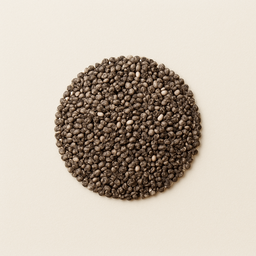 Chia Seeds
 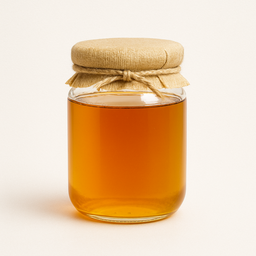 Honey
Honey Fiber + prebiotics for the microbiome and satiety
Technical: Chia seeds contain 34g fiber per 100g forming a gel in the gut promoting satiety. Honey contains prebiotic oligosaccharides (FOS) feeding beneficial gut bacteria. Together they support the microbiome.
What does this mean for you? Mix chia pudding with a spoonful of raw honey. The honey sweetens and feeds your good gut bacteria.
DigestionEnergyBlood Sugar
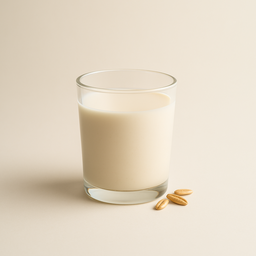 Oat Milk Honey
 Beta-glucans + prebiotics for gut flora and lipid profile
Technical: Oat milk contains beta-glucans that work as prebiotics and bind bile acids in the gut. Honey contains FOS (fructo-oligosaccharides) feeding Bifidobacterium and Lactobacillus. Together they support the gut microbiome from two angles: prebiotic fiber + prebiotic sugars.
What does this mean for you? Oat milk with a spoon of honey is a double prebiotic combination. The beta-glucans from the oats and the FOS from the honey both feed your beneficial gut bacteria.
DigestionHeartEnergy
Oat Milk 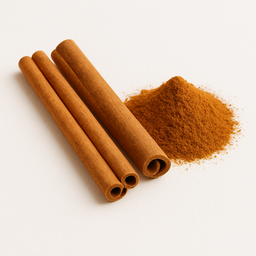 Cinnamon
 Double glycemic balance
Technical: Oat milk contains beta-glucans (soluble fiber) that form a gel in the gut and slow carbohydrate absorption by 20-30%. Cinnamon contains methylhydroxychalcone polymers (MHCP) that activate insulin receptors and stimulate GLUT4 transporters. Two different mechanisms, same glycemic goal.
What does this mean for you? Oat milk with cinnamon is a smart combination for smoothies, oat milk latte or porridge. The dual glycemic support means longer energy after breakfast without peaks and valleys.
Blood SugarEnergy
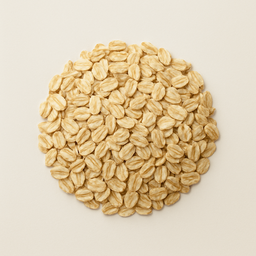 Oatmeal
 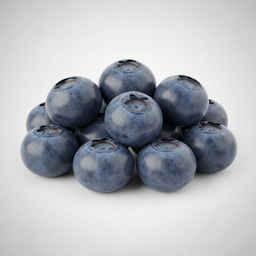 Blueberries
 Vitamin C lifts iron blockade
Technical: Oatmeal contains 3.9mg non-heme iron per 100g, but also phytic acid (0.5-1.4g per 100g) that can inhibit iron absorption by 50-80% by forming insoluble complexes. Blueberries contain 9.7mg vitamin C per 100g that reduces Fe³⁺ (non-absorbable) to Fe²⁺ (absorbable) and forms a soluble iron-ascorbate complex that bypasses phytate binding.
What does this mean for you? Always top your oatmeal with fresh blueberries or other fruit. Without vitamin C, most iron from your oatmeal is lost due to phytic acid. Especially important for vegetarians and women who depend on plant-based iron.
EnergyImmune System
Oatmeal 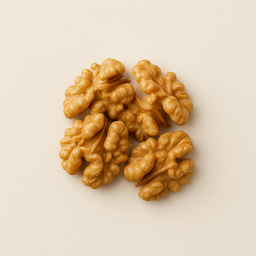 Walnuts
 Soluble fiber + omega-3 for lipid profile and cognition
Technical: Oatmeal's beta-glucans form a gel in the gut that binds bile acids. Walnuts provide ALA omega-3 (9g/100g), melatonin and ellagic acid. The combination supports the lipid profile via two routes: bile acid binding + omega-3 metabolism.
What does this mean for you? Oatmeal with walnuts is a breakfast classic that is genuinely synergistic. The beta-glucans and omega-3 both support your lipid profile, the melatonin in walnuts contributes to your circadian rhythm.
HeartFocus
Cinnamon Oatmeal Flattens the sugar spike after carbohydrate-rich meals
Technical: Oatmeal contains complex carbohydrates that raise blood sugar. Cinnamon's MHCP (methylhydroxy chalcone polymers) increase insulin activity up to 20x and cinnamaldehyde activates AMPK, improving glucose transport to cells. This lowers postprandial glucose peak by 18-29% and extends satiety.
What does this mean for you? Always add cinnamon to your oatmeal, apple or banana bread. The cinnamon helps keep your blood sugar more stable after these carb-rich meals.
EnergyWeight Loss
Cinnamon Honey Traditional warm combination of cinnamon and honey
Technical: Cinnamon contains cinnamaldehyde and proanthocyanidins with bioactive action via cell wall disruption. Honey's glucose oxidase produces hydrogen peroxide with bioactive action, while honey's high viscosity forms a physical barrier. Two independent bioactive mechanisms that work more broadly together.
What does this mean for you? Cinnamon + honey in warm tea — a classic combination. Both have bioactive action via different pathways — broader together than alone.
Immune System
Cinnamon Walnuts Cinnamon's insulin sensitivity + walnut omega-3 for metabolic health
Technical: Cinnamaldehyde activates AMPK and improves insulin signaling, while walnuts' ALA (alpha-linolenic acid) and ellagitannins regulate fat metabolism via PPARγ activation. Together they improve glucose metabolism via two complementary pathways.
What does this mean for you? Sprinkle walnuts with cinnamon as a snack or in your oatmeal — a delicious combination that supports your blood sugar and fat metabolism.
Blood SugarHeartWeight Loss
Walnuts Blueberries ALA omega-3 + anthocyanins: complementary pathways for synaptogenesis and neuronal protection
Walnuts contain omega-3 fatty acids. The combination of polyphenols with healthy fats supports neurogenesis. This is the ultimate brain mix.
Technical: Walnuts contain ALA omega-3 fatty acids that support formation of new synaptic connections (synaptogenesis). Anthocyanins from blueberries cross the blood-brain barrier and protect existing neurons from oxidative damage. Through these two mechanisms — building and protection — they together influence communication between brain cells.
What does this mean for you? Mix walnuts into your blueberry yogurt or oatmeal. The walnuts support synaptogenesis, the berries protect neurons — two complementary pathways in one snack.
Focus
Walnuts Honey ALA omega-3 + enzymatic honey: complementary bioactive pathways
Technical: Walnuts' ALA (omega-3) influences prostaglandin metabolism via complementary biochemical pathways. Honey's glucose oxidase produces hydrogen peroxide. Together they provide two complementary bioactive pathways: walnuts via the omega-3 → prostaglandin pathway, honey via enzymatic activity.
What does this mean for you? Walnuts with honey is a classic combination — the omega-3 fatty acids influence prostaglandin metabolism, honey provides enzymes such as glucose oxidase. Two complementary pathways in one snack.
HeartImmune SystemEnergy
Instructions
- 1 Bring the oat milk to a boil in a saucepan.
- 2 Add the oatmeal and cinnamon and reduce heat.
Nutrition per serving
Indicative values per serving.
Timing & Suitability
Shelf life: 2 days in fridge
Tags & Diet
Allergens: Nuts, Gluten