- Easy
- 25 min
- 2 serv.
- 17 synergies
- Now at its best: Tomato
A refreshing Moroccan salad with fluffy couscous, fresh herbs, pomegranate and a citrus-cumin dressing.
In every Moroccan household, some version of this salad appears on the table. Fluffy couscous that soaks up all the flavours of the dressing, crunchy cucumber, juicy tomato and the unexpected pop of pomegranate seeds sitting like jewels between the grains. The dressing is typically North African — cumin, cinnamon, lemon, a touch of honey — and binds everything together with a warmth that transports you to Marrakech from the first bite. Sprinkle toasted almonds over it and you have a salad that works just as well at a summer picnic as a weekday lunch.
- 15
- min prep
- 10
- min cook
- 25
- min total
Nutritional Synergies
This recipe combines ingredients that enhance each other:
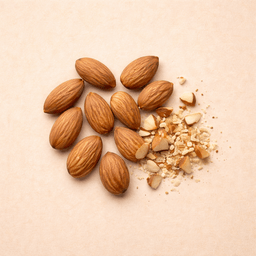 Almonds
 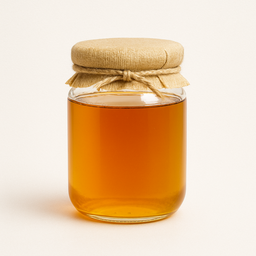 Honey
Honey Vitamin E + flavonoids for enhanced antioxidant protection
Technical: Almonds are rich in alpha-tocopherol (vitamin E), a fat-soluble antioxidant. Honey's flavonoids (chrysin, pinocembrin) are water-soluble antioxidants. Together they provide protection in both lipid and aqueous compartments of cells.
What does this mean for you? Almonds with a bit of honey is not just a classic snack, but gives your cells double antioxidant protection — in fat and water.
Anti-inflammatorySkin & HairImmune System
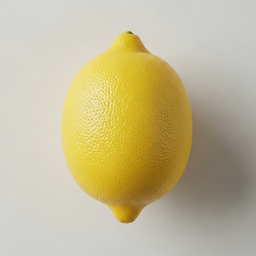 Lemon
Lemon 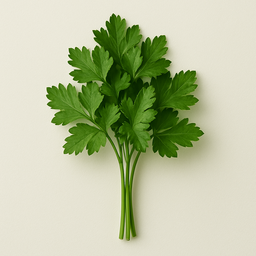 Parsley
 Double vitamin C for maximum iron absorption
Technical: Lemon contains 53mg vitamin C per 100g, parsley 133mg per 100g. Together they provide excess vitamin C that reduces non-heme iron (from vegetables, grains) from Fe³⁺ to Fe²⁺, increasing absorption 3-6x. Parsley also contains 6.2mg iron per 100g.
What does this mean for you? Use lemon + parsley in tabbouleh, dressings and marinades. The combination maximizes iron absorption, ideal for vegetarians.
EnergyImmune System
Honey Lemon Classic combination for sore throat and colds
Technical: Honey forms a physical protective layer on irritated mucous membranes (demulcent effect) and contains glucose oxidase producing hydrogen peroxide with bioactive action. Lemon provides vitamin C (53mg/100ml) that activates immune cells (neutrophils, lymphocytes). Together: local mucosal protection + systemic immune activation.
What does this mean for you? Drink warm water with honey and lemon for sore throat or cold. The honey protects your throat like a coating, the lemon activates your immune system.
Immune System
Honey 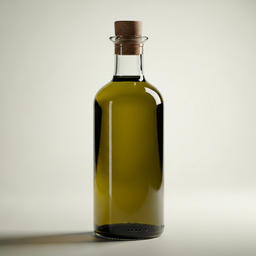 Olive Oil
 Dual bioactive action via chrysin + oleocanthal
Technical: Honey contains chrysin and olive oil oleocanthal — bioactive phenolic compounds studied in research in connection with NF-κB and COX signaling. Together they provide plant compounds through two independent routes.
What does this mean for you? A dressing of honey and olive oil is not just tasty — the chrysin and oleocanthal work through two different routes in your body.
Anti-inflammatoryHeartJoints
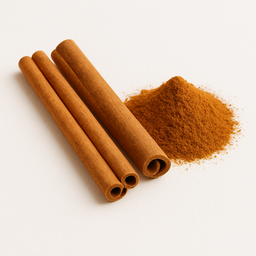 Cinnamon Honey
 Traditional warm combination of cinnamon and honey
Technical: Cinnamon contains cinnamaldehyde and proanthocyanidins with bioactive action via cell wall disruption. Honey's glucose oxidase produces hydrogen peroxide with bioactive action, while honey's high viscosity forms a physical barrier. Two independent bioactive mechanisms that work more broadly together.
What does this mean for you? Cinnamon + honey in warm tea — a classic combination. Both have bioactive action via different pathways — broader together than alone.
Immune System
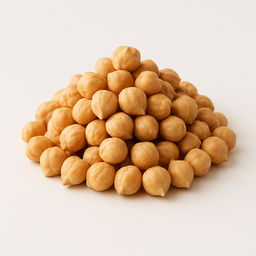 Chickpeas Lemon
 Lemon juice increases iron absorption from chickpeas
Technical: Chickpeas contain 2.9mg non-heme iron per 100g (cooked) and 12.2g protein. Phytic acid in chickpeas (240mg per 100g) strongly inhibits iron absorption. Lemon juice (53mg vitamin C per 100g) reduces Fe³⁺ to Fe²⁺ and forms soluble chelates that bypass the phytate blockade. Studies show up to 600% higher iron absorption.
What does this mean for you? Squeeze lemon juice over your hummus or chickpea salad — not just for flavor but also for iron absorption. It's no coincidence that authentic hummus always contains lemon juice — it's nutritional science disguised as tradition.
Energy
Chickpeas 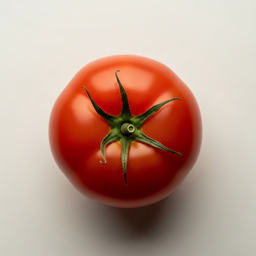 Tomato
 Tomato increases iron absorption from chickpeas
Technical: Chickpeas contain 2.9mg non-heme iron per 100g. Tomatoes provide 14mg vitamin C per 100g plus citric acid and malic acid — organic acids that also contribute to iron absorption. When heated, lycopene content in tomatoes increases (up to 4x), while vitamin C is partially lost. The organic acids remain intact and support iron absorption.
What does this mean for you? Cook chickpeas in tomato sauce — this is the basis of chana masala (India), leblebi (Tunisia) and Spanish garbanzos. The tomato sauce not only enriches the flavor but also increases iron absorption. Add lemon juice for extra boost.
Energy
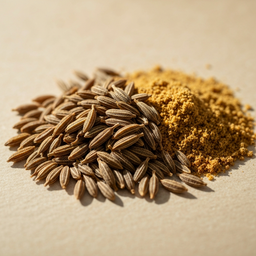 Cumin Olive Oil
 Fat activates volatile oils and increases cuminaldehyde absorption
Technical: Cumin's active compounds (cuminaldehyde, cymene, terpinene) are volatile, fat-soluble compounds. Frying in olive oil extracts and stabilizes these compounds, and the fat improves their gut absorption.
What does this mean for you? Briefly fry cumin in olive oil before adding other ingredients (tadka/tempering). This is why Indian and Middle Eastern cuisines always fry cumin in oil.
DigestionAnti-inflammatoryBlood Sugar
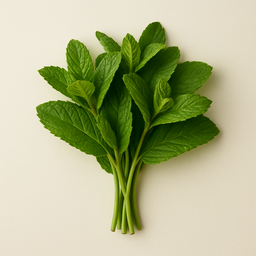 Mint Lemon
 Refreshing biotransformation combination
Technical: Mint promotes bile flow and digestive enzyme activity. Lemon/lime contains citric acid supporting biotransformation and vitamin C for immune function. Together they enhance biotransformation capacity.
What does this mean for you? Mint water with lemon is a simple but delicious combination. Drink it in the morning for good hydration — the mint promotes your digestion, the lemon adds vitamin C.
AntioxidantsDigestionImmune System
Mint 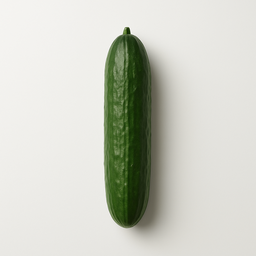 Cucumber
 Ultimate cooling: menthol + water-rich food
Technical: Mint contains menthol (40-50% of essential oil) that activates TRPM8 cooling receptors - you feel cooling without temperature drop. Cucumber is 96% water and provides electrolytes. Together they offer both physiological and sensory cooling.
What does this mean for you? Add fresh mint to cucumber water or raita. Ideal in hot weather, after exercise, or for hot flashes. The combination works better than either ingredient alone.
DigestionStress ReliefEnergy
Olive Oil Lemon Oleic acid + citric acid: complementary pathways for glycemic response
Technical: Lemon contains citric acid that slows gastric emptying, causing carbohydrates from the meal to be absorbed more slowly. Olive oil's fats reinforce this effect by further influencing glycemic response. Together they influence the postprandial glucose response via two complementary mechanisms. Olive oil's oleocanthal and lemon's vitamin C additionally provide complementary antioxidant action.
What does this mean for you? A simple dressing of olive oil and lemon juice over your salad is one of the smartest combinations you can make. The two mechanisms (delayed gastric emptying + fat slowing) work together to influence the glucose response after your meal.
EnergyDigestion
Olive Oil Tomato Mediterranean golden rule: fat increases lycopene absorption 4x
Fat significantly increases lycopene bioavailability (PMID: 15927929)
Technical: Tomatoes contain lycopene (3-7mg per 100g), a carotenoid with strong antioxidant action. Lycopene is fat-soluble with only 10-15% absorption without fat. Olive oil increases this to 40-60% (2.5-4x improvement). Cooking further increases lycopene bioavailability.
What does this mean for you? Always add olive oil to tomato dishes — sauces, salads, bruschetta. This is why Mediterranean cuisine is so healthy. Cooked tomatoes with olive oil = maximum lycopene.
HeartSkin & Hair
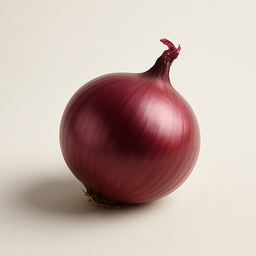 Red Onion Lemon
 Vitamin C protects quercetin from oxidative degradation
Technical: Quercetin in red onion (32-65mg/100g) oxidizes rapidly when exposed to light, heat and oxygen. Ascorbic acid (vitamin C, 53mg/100g in lemon) regenerates oxidized quercetin back to its active form via electron transfer. This extends quercetin's half-life in food and in the body.
What does this mean for you? Red onion in salad with lemon dressing retains more active quercetin than without lemon. Vitamin C keeps this widely-studied flavonoid intact longer — a simple kitchen trick with scientific basis.
Anti-inflammatoryImmune System
Red Onion Olive Oil Fat increases bioavailability of quercetin from red onion
Technical: Red onion contains 32-65mg quercetin per 100g — the richest food source. Quercetin is poorly water-soluble (2μg/mL) but dissolves well in fats. Olive oil increases quercetin oral bioavailability by 50-70% through lipid-based lymphatic transport instead of the portal vein.
What does this mean for you? Sauté red onion in olive oil (soffritto) for maximum quercetin absorption. Oil dissolves quercetin and improves transport to your bloodstream. Caramelizing also enhances flavor.
Anti-inflammatoryHeart
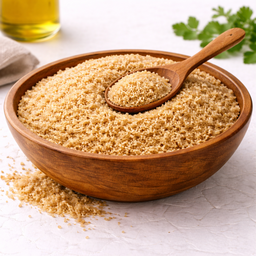 Whole Wheat Couscous Lemon
 Vitamin C neutralizes phytate and enhances iron absorption
Technical: Whole grain couscous contains phytic acid that binds iron (1.1mg/100g) and zinc (0.8mg). Lemon's vitamin C (53mg) works in two ways: it reduces Fe³⁺ to Fe²⁺ for 3-6x better absorption, and forms chelates with iron that are stronger than phytate-iron bonds. Studies show 50mg vitamin C doubles iron absorption from phytate-rich grains.
What does this mean for you? Always add lemon juice to your couscous — this is standard in North African cuisine and literally doubles the iron your body absorbs from the couscous.
EnergyImmune System
Whole Wheat Couscous Chickpeas Complete proteins through grain-legume combination
Technical: Whole wheat couscous contains methionine and cysteine but is low in lysine — the limiting amino acid in grains. Chickpeas are rich in lysine (1.3g per 100g) but low in methionine. Together they form a complete protein profile with a PDCAAS (Protein Digestibility Corrected Amino Acid Score) close to 1.0, comparable to animal protein. This is the biochemical basis behind centuries-old North African couscous.
What does this mean for you? Couscous with chickpeas isn't just a tradition — it's nutritional science that has been applied for centuries. Serve whole wheat couscous with chickpea stew for a complete protein meal without meat. Add vegetables and herbs for extra micronutrients.
Muscle GainEnergyGeneral Wellness
Whole Wheat Couscous Cumin Whole grain fiber + cuminaldehyde for improved digestion
Technical: Whole grain couscous provides 5g fiber per 100g that regulates intestinal transit time. Cumin contains cuminaldehyde that stimulates production of digestive enzymes (amylase, lipase, protease) by 20-30%. Cumin's essential oils (3-4%) also promote bile secretion, supporting fat digestion. The combination accelerates complex carbohydrate breakdown and reduces gas formation.
What does this mean for you? Stirring cumin through your couscous isn't just a North African flavor tradition — it also aids digestion. Less bloating after eating, and you extract more nutrients from the grains.
DigestionEnergy
Ingredients (13)
+10 more ingredientsInstructions
- 1 Prepare the couscous according to package instructions and let cool.
- 2 Make the dressing by mixing olive oil, lemon juice, cumin, cinnamon and honey.
Nutrition per serving
Indicative values per serving.
Timing & Suitability
Shelf life: 2 days in fridge
Tags & Diet
Allergens: Gluten, Nuts