- Easy
- 10 min
- 2 serv.
- 9 synergies
- Fully in season
A simple but nutritious Korean comfort breakfast. The heat of the rice cooks the egg perfectly and the sesame oil adds a nutty flavor.
Gyeran bap is the kind of dish you fall back on when the morning moves faster than expected. A mound of steaming rice in a warm bowl, and on top a fried egg that still wobbles slightly when you pick up the bowl — the yolk thick and orange, the white just set at the edges. The sesame oil goes on last: a thin drizzle that immediately warms and releases that deep, nutty aroma drifting through the entire kitchen. A splash of tamari, a handful of finely sliced spring onion for freshness, and those crispy nori strips that gently buckle the moment they touch the warmth of the rice. The whole secret is in the mixing: the yolk breaks open and becomes a golden sauce coating every grain of rice.
- 5
- min prep
- 5
- min cook
- 10
- min total
Nutritional Synergies
This recipe combines ingredients that enhance each other:
 Eggs
Eggs  Sesame Oil
 Choline + sesamol for brain and liver support
Technical: Eggs contain 147mg choline per egg (27% RDI), essential as precursor for the neurotransmitter acetylcholine and for liver metabolism. Sesame oil contains sesamol and sesamin — bioactive lignan antioxidants with membrane-stabilizing properties. The fats in sesame oil also help absorb fat-soluble vitamins from eggs.
What does this mean for you? Fry your eggs in sesame oil for Asian dishes like tamagoyaki. The nutty flavor combines perfectly and the bioactive compounds complement each other.
FocusAntioxidantsAnti-inflammatory
Eggs 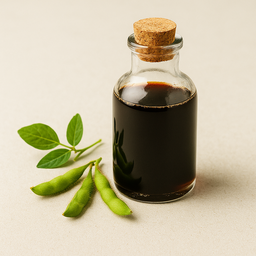 Tamari
 Complete proteins + fermented amino acids for muscle building
Technical: Eggs contain all 9 essential amino acids with the highest PDCAAS score (1.0). Tamari (fermented soy) adds free amino acids and glutamate that activate protein digestion. Fermentation also makes soy proteins more absorbable.
What does this mean for you? Make tamagoyaki (Japanese omelet) with tamari, or fry eggs with a splash of tamari. The umami flavor enhances the dish and improves protein utilization.
Muscle GainEnergyDigestion
 Spring Onion Eggs
 Allyl sulfides + cysteine for glutathione production
Technical: Green onion contains allyl sulfides that induce glutathione S-transferase. Eggs provide 272mg cysteine per 100g — the rate-limiting precursor for glutathione (GSH) synthesis. Together they increase both production and utilization of glutathione, the body's main intracellular antioxidant.
What does this mean for you? Scrambled eggs or omelet with green onion is an ideal breakfast. Sulfur compounds from green onion activate glutathione S-transferase, while cysteine from eggs provides the building block for glutathione. Two ingredients, one biochemical system.
AntioxidantsImmune System
Spring Onion 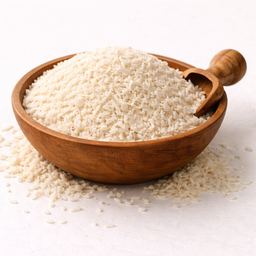 Rice
Rice Allyl sulfides slow glycemic response of rice
Technical: Green onion's allyl sulfides and quercetin inhibit α-glucosidase and slow carbohydrate breakdown. This reduces the postprandial glycemic peak after rice consumption by 15-20%. Green onion also contains chromium (1.1μg/100g) involved in GLUT4 translocation.
What does this mean for you? Always garnish rice dishes with green onion — this slows the glycemic response. Classic in Asian cuisine, especially for those mindful of carbohydrate processing.
Blood SugarGeneral Wellness
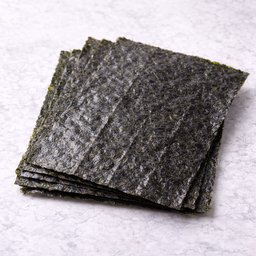 Nori Rice
 Complete amino acids through seaweed + grain combination
Technical: Nori is exceptionally rich in iodine (16-43μg per sheet), vitamin B12 (rare in plant sources), and contains all essential amino acids but in small amounts. Rice provides carbohydrates for energy and methionine (an amino acid nori is low in). Together they form a more complete amino acid profile and deliver both quick energy and essential micronutrients.
What does this mean for you? Sushi (nori + rice) isn't just tasty — it's one of the oldest and smartest food combinations in the world. The Japanese tradition of nori around rice is scientifically a perfect match.
General WellnessEnergy
Nori 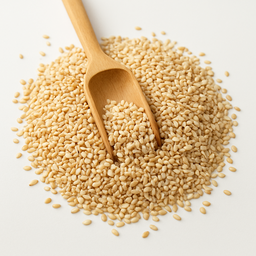 Sesame Seeds
 Classic Asian combination: minerals + healthy fats
Technical: Nori provides iodine and minerals, sesame seeds add calcium (975mg/100g), iron and healthy fats. The combination enhances absorption of fat-soluble vitamins from nori.
What does this mean for you? Sprinkle sesame seeds on your sushi or rice dishes for a more nutritious meal.
JointsEnergyGeneral Wellness
Sesame Oil Sesame Seeds Sesame oil fats enhance absorption of sesame seed lignans
Technical: Sesame seeds contain lignans (sesamin, sesamolin) that are fat-soluble. Sesame oil provides the ideal fat matrix for absorption. Additionally, the oil contains different bioactive forms (sesamol) that work complementarily to lignans in whole seeds.
What does this mean for you? Top dishes with both sesame seeds and a drizzle of sesame oil — you get the fiber and minerals from the seeds plus optimal lignan absorption.
HeartAnti-inflammatoryHormonal Balance
Tamari Sesame Oil Fermented soy isoflavones + sesamol for antioxidant protection
Technical: Tamari contains fermentation-released isoflavones (genistein, daidzein) that work synergistically with sesame oil's sesamol and sesaminol. Together they provide broader antioxidant protection via different radical scavenging mechanisms.
What does this mean for you? A splash of tamari with sesame oil as dressing or stir-fry sauce gives not only umami flavor but also a double antioxidant effect.
Anti-inflammatoryHeartSkin & Hair
Tamari Sesame Seeds Umami amino acids enhance mineral absorption from sesame seeds
Technical: Tamari's free glutamic acid and amino acids from fermentation promote absorption of zinc and iron from sesame seeds. The organic acids in fermented soy lower intestinal pH, making minerals more soluble.
What does this mean for you? Sprinkle dishes with tamari and sesame seeds together — a classic Asian combination that's not only delicious but also optimizes your mineral absorption.
EnergyImmune SystemGeneral Wellness
Instructions
- 1 Divide warm rice evenly among the bowls.
- 2 Heat a frying pan on medium heat with a little oil.
Nutrition per serving
Indicative values per serving.
Timing & Suitability
Tags & Diet
Allergens: Eggs, Soy, Sesame