- Easy
- 25 min
- 2 serv.
- 8 synergies
- Now at its best: Tomato
A spicy Mexican breakfast with eggs poached in fresh tomato salsa on a bed of black beans, finished with avocado and cilantro.
The scent of cumin and garlic drifts through the kitchen before you're even properly awake. In the pan, a fire-red tomato sauce simmers with chunks of onion, and halfway through cooking four eggs drop in — they poach gently as the whites slowly set while the yolks remain tremblingly orange. Underneath sit black beans, warm and velvety, and the whole thing is crowned with cool avocado slices and a shower of fresh cilantro. The first bite is spicy, creamy and fresh all at once. This isn't a complicated recipe, but it's the kind of dish you think about all morning.
- 10
- min prep
- 15
- min cook
- 25
- min total
Nutritional Synergies
This recipe combines ingredients that enhance each other:
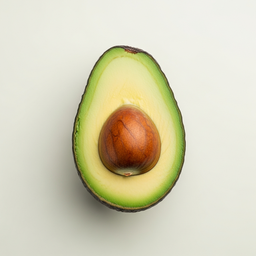 Avocado
 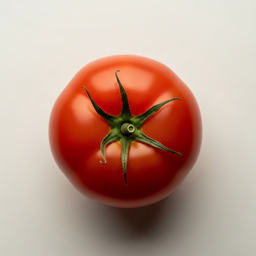 Tomato
 2.6x more lycopene absorption from salad/salsa
Technical: Tomatoes contain lycopene (3-8mg per 100g), a fat-soluble carotenoid with extremely low bioavailability without a fat carrier (<5%). Avocado contains 15g mono-unsaturated fats per 100g that stimulate micelle formation in the gut. Studies show 2.6x higher lycopene absorption when tomato is combined with avocado. Avocado also contains glutathione — a master antioxidant.
What does this mean for you? Guacamole with tomato, avocado toast with tomato, or a caprese with avocado — all these combinations ensure you absorb up to 2.6x more lycopene. Without fat, the lycopene literally slides right through your body.
Immune SystemSkin & Hair
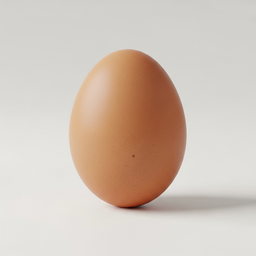 Eggs Avocado
 Double dose of healthy fats and choline
Technical: Eggs contain 147mg choline per egg (27% RDA), essential for the neurotransmitter acetylcholine (memory and focus). Avocado also provides choline (14mg/100g) plus monounsaturated fat that increases absorption of fat-soluble vitamins from the egg (A, D, E, K). Together they deliver a double choline dose plus optimal vitamin absorption.
What does this mean for you? Eat avocado toast with a fried or poached egg. More choline for your memory, and the avocado fat helps absorb all vitamins from the egg.
Focus
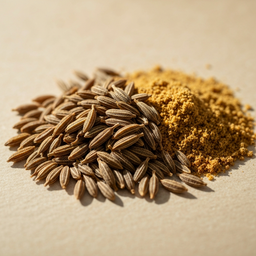 Cumin
Cumin  Garlic
 Double digestive support: enzymes + bioactive compounds
Technical: Cumin promotes digestive enzyme activity (amylase, lipase, protease) and increases bile flow. Garlic's allicin has broad bioactivity targeting pathogenic gut bacteria while sparing beneficial ones.
What does this mean for you? Fry garlic and cumin together as base for curries, soups and stews. Classic combination in virtually every cuisine in the world.
DigestionImmune System
Cumin  Olive Oil
 Fat activates volatile oils and increases cuminaldehyde absorption
Technical: Cumin's active compounds (cuminaldehyde, cymene, terpinene) are volatile, fat-soluble compounds. Frying in olive oil extracts and stabilizes these compounds, and the fat improves their gut absorption.
What does this mean for you? Briefly fry cumin in olive oil before adding other ingredients (tadka/tempering). This is why Indian and Middle Eastern cuisines always fry cumin in oil.
DigestionAnti-inflammatoryBlood Sugar
Olive Oil Garlic Aglio e olio: allicin + oleocanthal via complementary biochemical pathways
Technical: Garlic contains allicin (formed when cutting/crushing) that influences HMG-CoA reductase (involved in lipid metabolism). Olive oil contains oleocanthal that modulates COX-1/2 enzymes. Together they influence lipid metabolism and prostaglandin cascade via complementary biochemical pathways. The fat also helps absorb fat-soluble garlic compounds.
What does this mean for you? Gently warm garlic in olive oil (don't burn!) as the base for many dishes. This is why 'aglio e olio' pasta is so beloved — two bioactive compounds that reinforce each other.
HeartImmune System
Olive Oil Tomato Mediterranean golden rule: fat increases lycopene absorption 4x
Fat significantly increases lycopene bioavailability (PMID: 15927929)
Technical: Tomatoes contain lycopene (3-7mg per 100g), a carotenoid with strong antioxidant action. Lycopene is fat-soluble with only 10-15% absorption without fat. Olive oil increases this to 40-60% (2.5-4x improvement). Cooking further increases lycopene bioavailability.
What does this mean for you? Always add olive oil to tomato dishes — sauces, salads, bruschetta. This is why Mediterranean cuisine is so healthy. Cooked tomatoes with olive oil = maximum lycopene.
HeartSkin & Hair
 Red Onion Olive Oil
 Fat increases bioavailability of quercetin from red onion
Technical: Red onion contains 32-65mg quercetin per 100g — the richest food source. Quercetin is poorly water-soluble (2μg/mL) but dissolves well in fats. Olive oil increases quercetin oral bioavailability by 50-70% through lipid-based lymphatic transport instead of the portal vein.
What does this mean for you? Sauté red onion in olive oil (soffritto) for maximum quercetin absorption. Oil dissolves quercetin and improves transport to your bloodstream. Caramelizing also enhances flavor.
Anti-inflammatoryHeart
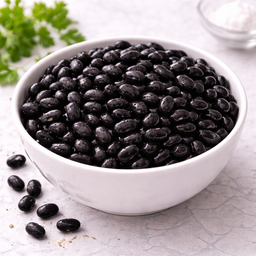 Black Beans
 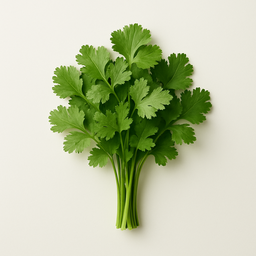 Cilantro
 Latin American combination: vitamin C increases iron absorption
Technical: Black beans contain 2.1mg iron per 100g cooked plus anthocyanins (same antioxidants as blueberries). Fresh cilantro contains 27mg vitamin C per 100g that increases iron absorption. The polyphenols in both ingredients enhance each other's antioxidant action.
What does this mean for you? Always garnish your black bean dish with fresh cilantro — this is why it's a staple in Mexican cuisine.
EnergyImmune System
Instructions
- 1 Heat the olive oil in a large skillet over medium heat. Sauté the red onion and garlic for 2-3 minutes until soft.
- 2 Add the diced tomatoes and cumin. Simmer for 5 minutes until a sauce forms.
Nutrition per serving
Indicative values per serving.
Timing & Suitability
Shelf life: 1 days in fridge
Tags & Diet
Allergens: Eggs