- Medium
- 110 min
- 6 serv.
- 14 synergies
- Now at its best: Eggplant
A vegetarian twist on Cypriot moussaka, with layers of roasted eggplant, spiced beluga lentils in cinnamon-tomato sauce and a creamy almond flour béchamel. After forty-five minutes in the oven the sauce bubbles up along the edges, the béchamel is deep golden and the scent of cinnamon and nutmeg fills the kitchen.
Moussaka is patience. The eggplants need to drain, fry, layer. The béchamel needs smooth stirring, the lentil sauce needs to simmer until thick enough to stay put between the layers. But when you open the oven after forty-five minutes, when that scent of cinnamon and melted cheese hits you, you know why.
This version uses beluga lentils instead of ground meat. Black, glossy, firm enough to carry the sauce without falling apart. With cinnamon and oregano they get a warmth you do not expect from a vegetarian dish. The eggplant is the backbone — slices that were first salted to lose their bitterness, then fried golden in olive oil until silky soft.
The béchamel here is different from usual: almond flour instead of wheat flour. It gives a slightly nutty undertone that surprisingly pairs well with the cinnamon. Parmesan through it, nutmeg in it, and then everything goes into the oven. It bubbles. It colors. It rests.
Waiting ten minutes before cutting is the hardest step of the entire recipe.
- 30
- min prep
- 80
- min cook
- 110
- min total
Nutritional Synergies
This recipe combines ingredients that enhance each other:
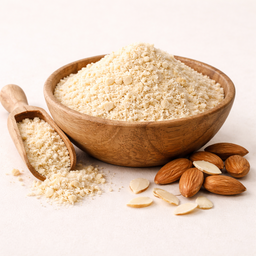 Almond flour
 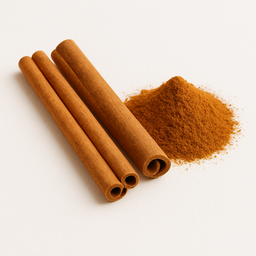 Cinnamon
 Magnesium + chromium for glycemic balance
Technical: Almond flour contains 270mg magnesium per 100g that activates insulin receptors. Cinnamon provides chromium and MHCP polymers that increase insulin sensitivity. Together they stabilize blood sugar levels more effectively than either alone.
What does this mean for you? Use almond flour with cinnamon in pancakes, muffins or smoothies for stable energy without sugar spikes. Perfect for diabetics or weight loss.
Blood SugarEnergy
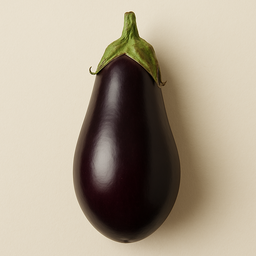 Eggplant
 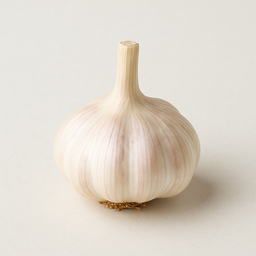 Garlic
 Chlorogenic acid + allicin: complementary NF-κB modulation
Technical: Eggplant contains chlorogenic acid (NF-κB modulation) and nasunin (iron chelator influencing lipid peroxidation). Garlic's allicin (formed when cut) has bioactive action via thiol enzyme inhibition. Together they modulate NF-κB signaling through complementary pathways.
What does this mean for you? Baba ganoush or imam bayıldı — classic combinations that have existed for centuries. Cut garlic 10 minutes before heating for maximum allicin formation.
Immune SystemAnti-inflammatory
Eggplant 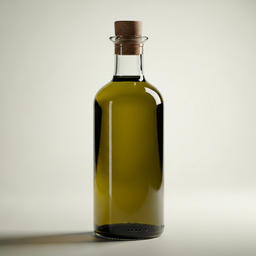 Olive oil
 Fat makes nasunin (purple antioxidant) absorbable
Technical: Nasunin in the purple eggplant skin is a fat-soluble anthocyanin that crosses the blood-brain barrier. Olive oil's unsaturated fats (73% oleic acid) form micelles that increase nasunin absorption up to 3x.
What does this mean for you? Eggplant absorbs oil like a sponge — that's actually an advantage! The oil makes nasunin absorbable. Fry in olive oil for maximum effect.
FocusHeart
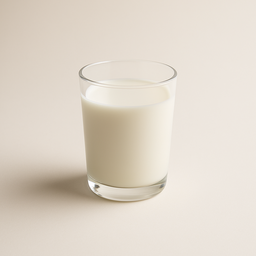 Whole milk Cinnamon
 Milk calcium + cinnamon polyphenols for bone and blood sugar balance
Technical: Milk's calcium and vitamin D support bone metabolism — calcium contributes to the maintenance of normal bones (EFSA). Cinnamon's polyphenols and cinnamaldehyde activate AMPK and influence insulin signaling. Milk's casein slows absorption, extending cinnamon's effect on glycemic response.
What does this mean for you? Warm milk with cinnamon (as in talbina) is a traditional drink combining both calcium for your bones and bioactive polyphenols.
Blood SugarJointsSleep
Whole milk 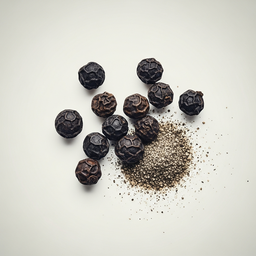 Black pepper
 Golden milk: fats + piperine = 2000% better curcumin absorption
Technical: Milk fat dissolves fat-soluble curcumin and forms micelles improving gut absorption. Piperine from black pepper inhibits the enzyme CYP3A4 and glucuronidation in the liver, preventing curcumin from being immediately broken down. This dual mechanism — better absorption + slower breakdown — increases bioavailability to 2000% (20x). The basis of traditional golden milk.
What does this mean for you? Make golden milk with warm milk, turmeric and a pinch of black pepper. Without the milk fat and pepper your body absorbs virtually nothing from the turmeric — with both ingredients up to 20x more.
Anti-inflammatorySleep
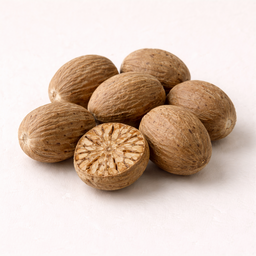 Nutmeg Whole milk
 Myristicin + tryptophan for sleep promotion and relaxation
Technical: Nutmeg's myristicin has mild sedative properties via MAO inhibition. Milk's tryptophan is converted to serotonin and melatonin. Milk's casein slows absorption, keeping nutmeg's bioactive compounds active longer.
What does this mean for you? Warm milk with nutmeg before bed is an age-old sleep recipe — and it really works through two complementary mechanisms.
SleepStress ReliefGeneral Wellness
Olive oil Garlic Aglio e olio: allicin + oleocanthal via complementary biochemical pathways
Technical: Garlic contains allicin (formed when cutting/crushing) that influences HMG-CoA reductase (involved in lipid metabolism). Olive oil contains oleocanthal that modulates COX-1/2 enzymes. Together they influence lipid metabolism and prostaglandin cascade via complementary biochemical pathways. The fat also helps absorb fat-soluble garlic compounds.
What does this mean for you? Gently warm garlic in olive oil (don't burn!) as the base for many dishes. This is why 'aglio e olio' pasta is so beloved — two bioactive compounds that reinforce each other.
HeartImmune System
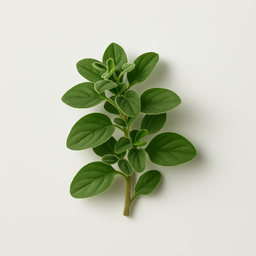 Dried oregano Olive oil
 Fat makes carvacol and thymol absorbable
Lambert JD et al. (2004) in Molecular Nutrition & Food Research showed that dietary fats enhance absorption of phenolic compounds from herbs.
Technical: Oregano contains carvacrol (60-74%) and thymol (1-5%) — potent phenolic compounds with broad bioactivity, traditionally valued in food preservation. These compounds are fat-soluble and poorly absorbed without fat. Olive oil dissolves them and significantly increases their bioavailability. This explains why oregano oil always comes in a carrier oil.
What does this mean for you? Cook oregano in olive oil or make oregano-olive oil dressing. The bioactive compounds in oregano are fat-soluble — without oil you barely absorb them.
Immune SystemDigestion
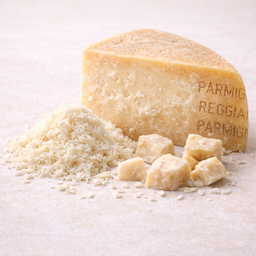 Parmesan cheese Olive oil
 Umami from parmesan + healthy fats from olive oil for flavor and satiety
Technical: Parmesan contains 1200-1680mg free glutamate per 100g — the highest concentration of all cheeses. Glutamate activates stomach-vagus nerve signals that increase satiety. Olive oil contains oleic acid (55-83%) stimulating OEA production (satiety signal) plus oleocanthal and oleuropein (bioactive polyphenols). Together: double satiety plus bioactive compounds.
What does this mean for you? Drizzle parmesan with good olive oil on pasta or salads. The umami from the cheese and the healthy fat from the oil together provide faster satiety and a rich flavor profile.
Weight LossHeartAnti-inflammatory
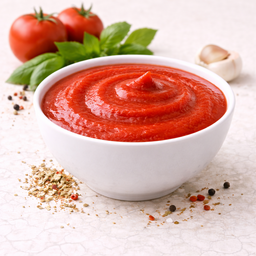 Tomato passata Olive oil
 Heated + fats = 5x more lycopene absorption
Technical: Tomato passata is already heated, releasing lycopene from cell walls in cis-form (better absorbable than trans-lycopene in raw tomato). Olive oil fats create micelles transporting this released lycopene through the gut wall. Basil adds eugenol (COX-2 inhibitor). Absorption increases up to 5x.
What does this mean for you? Make pasta sauce with tomato passata, olive oil and basil. You absorb up to 5x more lycopene than from raw tomato — great for your heart and skin.
HeartSkin & Hair
Tomato passata 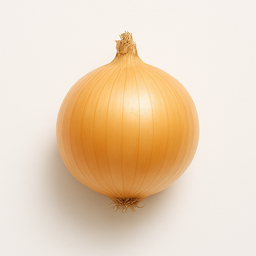 Onion
Onion Lycopene + quercetin for broad-spectrum antioxidant protection
Technical: Tomato passata contains bioavailable lycopene (12-15mg/100g) from the cooking process. Onion's quercetin (20mg/100g) is a flavonoid that works complementarily to lycopene: lycopene neutralizes singlet oxygen (lipid phase), quercetin scavenges hydroxyl radicals and superoxide (aqueous phase). Together they cover the complete antioxidant spectrum. Onion's sulfur compounds also support Phase II biotransformation enzymes that process lycopene metabolites.
What does this mean for you? Passata with sauteed onion is the base of Italian cuisine (sugo). It's a top antioxidant duo you can eat daily — simple, affordable and effective.
HeartSkin & HairAnti-inflammatory
Onion Garlic More than 20 organosulfur compounds in one soffritto
Technical: Onion contains diallyl disulfide and quercetin (20-40mg/100g). Garlic contains allicin, ajoene and S-allylcysteine. Together they provide more than 20 different organosulfur compounds that modulate NF-κB. Allium crops are intensively studied in nutrition science for their unique sulfur chemistry.
What does this mean for you? Start every dish with sautéed onion and garlic — not just for flavor, but for the unique concentration of organosulfur compounds. Cut garlic 10 minutes before heating to allow allicin formation.
DigestionImmune System
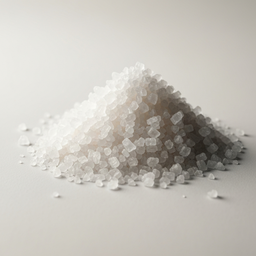 Sea salt Olive oil
 Minerals + polyphenols for cellular balance
Technical: Sea salt's sodium is essential for the sodium-potassium pump (Na+/K+-ATPase) that regulates every body cell. Olive oil's oleuropein and hydroxytyrosol provide antioxidant protection for cell membranes. The combination supports cell integrity: sea salt regulates ion balance, olive oil protects the membrane. In Mediterranean cuisine, coarse sea salt + olive oil is the most basic flavor profile.
What does this mean for you? Freshly ground sea salt with extra virgin olive oil is the simplest and most nutritious finishing of any dish. The combination provides the basic needs of your cells: minerals for function, polyphenols for protection.
HeartGeneral Wellness
Black pepper Olive oil Fat increases piperine absorption and enhances polyphenols
Technical: Piperine is fat-soluble and absorbed 2-3x better with dietary fat. Olive oil's oleocanthal and piperine both modulate COX signal transduction through different mechanisms, providing additive bioactive effect.
What does this mean for you? Grind fresh pepper over salads with olive oil dressing. The combination enhances both pepper absorption and bioactive action.
Anti-inflammatoryHeartDigestion
Ingredients (15)
+12 more ingredients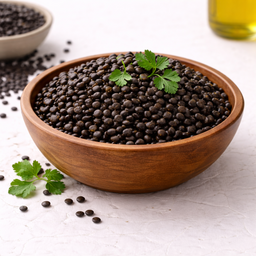
Instructions
- 1 Cook lentils in plenty of water 20-25 minutes until al dente. Drain.
- 2 Salt eggplant slices and let drain 20 minutes. Pat dry.
Nutrition per serving
Indicative values per serving.
Timing & Suitability
Shelf life: 4 days in fridge
Tags & Diet
Allergens: Nuts, Dairy