- Easy
- 28 min
- 2 serv.
- 12 synergies
- Now at its best: Garlic
Vegan falafel wrap with lettuce leaves as the shell, golden chickpea balls with cumin and fresh herbs, and a creamy tahini-lime sauce. Light, crunchy and full of flavor.
The falafel still sizzles when you pull them from the pan — golden brown, with a crust that snaps under your teeth and an interior that's soft and herby. Cumin, cilantro, parsley: the whole kitchen smells of it. You lay them on a large lettuce leaf, alongside tomato slices and cucumber that are still cool. Then the tahini: creamy, slightly bitter, with the acidity of lime that sharpens everything. The lettuce leaf wraps around the filling, crisp and fresh. No pita needed, no bread — just the contrast of warm falafel against cool lettuce, and that tahini sauce binding everything together.
- 20
- min prep
- 8
- min cook
- 28
- min total
Nutritional Synergies
This recipe combines ingredients that enhance each other:
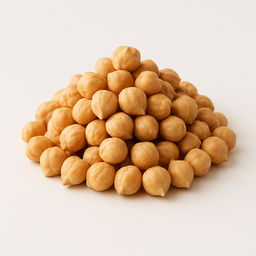 Chickpeas
 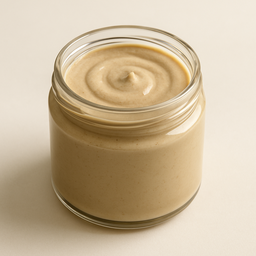 Tahini
 Hummus synergy: complete protein + improved mineral absorption
Technical: Chickpeas are low in methionine, sesame seeds (tahini) are rich in methionine. Together they form complete protein. The fat in tahini (50g/100g) increases absorption of fat-soluble vitamins from chickpeas. Lemon in hummus adds vitamin C for iron absorption.
What does this mean for you? Hummus isn't just a dip — it's a nutritionally optimized combination. Serve with vegetables for an even richer nutrient profile.
Muscle GainEnergy
Chickpeas 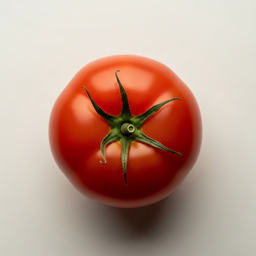 Tomato
 Tomato increases iron absorption from chickpeas
Technical: Chickpeas contain 2.9mg non-heme iron per 100g. Tomatoes provide 14mg vitamin C per 100g plus citric acid and malic acid — organic acids that also contribute to iron absorption. When heated, lycopene content in tomatoes increases (up to 4x), while vitamin C is partially lost. The organic acids remain intact and support iron absorption.
What does this mean for you? Cook chickpeas in tomato sauce — this is the basis of chana masala (India), leblebi (Tunisia) and Spanish garbanzos. The tomato sauce not only enriches the flavor but also increases iron absorption. Add lemon juice for extra boost.
Energy
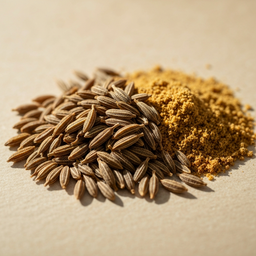 Cumin
Cumin 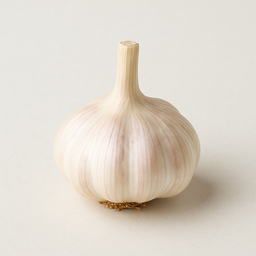 Garlic
 Double digestive support: enzymes + bioactive compounds
Technical: Cumin promotes digestive enzyme activity (amylase, lipase, protease) and increases bile flow. Garlic's allicin has broad bioactivity targeting pathogenic gut bacteria while sparing beneficial ones.
What does this mean for you? Fry garlic and cumin together as base for curries, soups and stews. Classic combination in virtually every cuisine in the world.
DigestionImmune System
Cumin 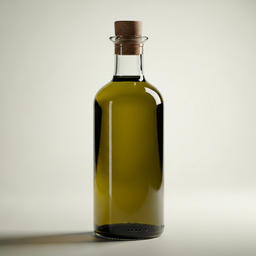 Olive oil
 Fat activates volatile oils and increases cuminaldehyde absorption
Technical: Cumin's active compounds (cuminaldehyde, cymene, terpinene) are volatile, fat-soluble compounds. Frying in olive oil extracts and stabilizes these compounds, and the fat improves their gut absorption.
What does this mean for you? Briefly fry cumin in olive oil before adding other ingredients (tadka/tempering). This is why Indian and Middle Eastern cuisines always fry cumin in oil.
DigestionAnti-inflammatoryBlood Sugar
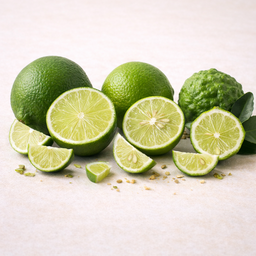 Lime Olive oil
 Vitamin C + olive oil fats for iron absorption and antioxidant action
Technical: Lime's vitamin C (ascorbic acid) improves absorption of non-heme iron from plant sources. Olive oil's fat-soluble polyphenols (hydroxytyrosol) are better absorbed in combination with vitamin C, which acts as an antioxidant keeping the polyphenols stable.
What does this mean for you? Lime-olive oil dressing is a classic combination that helps your body absorb more iron and antioxidants from your salad.
Immune SystemEnergySkin & Hair
Olive oil Garlic Aglio e olio: allicin + oleocanthal via complementary biochemical pathways
Technical: Garlic contains allicin (formed when cutting/crushing) that influences HMG-CoA reductase (involved in lipid metabolism). Olive oil contains oleocanthal that modulates COX-1/2 enzymes. Together they influence lipid metabolism and prostaglandin cascade via complementary biochemical pathways. The fat also helps absorb fat-soluble garlic compounds.
What does this mean for you? Gently warm garlic in olive oil (don't burn!) as the base for many dishes. This is why 'aglio e olio' pasta is so beloved — two bioactive compounds that reinforce each other.
HeartImmune System
Olive oil Tomato Mediterranean golden rule: fat increases lycopene absorption 4x
Fat significantly increases lycopene bioavailability (PMID: 15927929)
Technical: Tomatoes contain lycopene (3-7mg per 100g), a carotenoid with strong antioxidant action. Lycopene is fat-soluble with only 10-15% absorption without fat. Olive oil increases this to 40-60% (2.5-4x improvement). Cooking further increases lycopene bioavailability.
What does this mean for you? Always add olive oil to tomato dishes — sauces, salads, bruschetta. This is why Mediterranean cuisine is so healthy. Cooked tomatoes with olive oil = maximum lycopene.
HeartSkin & Hair
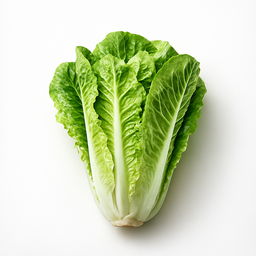 Lettuce Olive oil
 7x better carotenoid absorption with fats
Technical: Lettuce contains 1223μg beta-carotene and 1730μg lutein per 100g. Without fat only 3% is absorbed. A Purdue University study (2012, Molecular Nutrition & Food Research) showed olive oil or avocado increases absorption to 20%+ — a 7-fold improvement.
What does this mean for you? Always eat salad with olive oil dressing or avocado. Without fat you absorb almost nothing of the carotenoids. A dry salad without dressing is ironically less nutritious than one with a good olive oil dressing.
Skin & HairGeneral Wellness
Lettuce Tomato Lutein + lycopene: complementary carotenoids in two phases
Technical: Lettuce contains 1730μg lutein per 100g — a xanthophyll carotenoid filtering blue light in the macula. Tomato contains 2573μg lycopene — a carotenoid neutralizing singlet oxygen. These carotenoids work through different mechanisms and are active in different tissues. With olive oil both are optimally absorbed.
What does this mean for you? A salad of lettuce and tomato with olive oil dressing combines two carotenoid families. Lutein from lettuce is active in the macula, lycopene from tomato in the cardiovascular system. Without dressing you barely absorb anything — fat is essential.
HeartGeneral Wellness
Tahini Garlic Hummus base with immune support
Technical: Tahini provides calcium (426mg/100g), magnesium (95mg), zinc (4.6mg) and sesamin (antioxidant lignan). Garlic contains allicin that offers bioactive action via T-cell activation. Zinc from tahini contributes to the normal function of the immune system (EFSA) — the nutritional foundation of hummus.
What does this mean for you? Make hummus with tahini and fresh garlic. The tahini gives minerals like zinc, the garlic bioactive compounds — a nutritious dip.
Immune SystemJoints
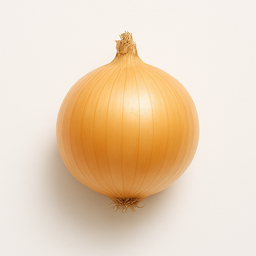 Onion Garlic
 More than 20 organosulfur compounds in one soffritto
Technical: Onion contains diallyl disulfide and quercetin (20-40mg/100g). Garlic contains allicin, ajoene and S-allylcysteine. Together they provide more than 20 different organosulfur compounds that modulate NF-κB. Allium crops are intensively studied in nutrition science for their unique sulfur chemistry.
What does this mean for you? Start every dish with sautéed onion and garlic — not just for flavor, but for the unique concentration of organosulfur compounds. Cut garlic 10 minutes before heating to allow allicin formation.
DigestionImmune System
Onion Tomato Quercetin + lycopene: synergistic polyphenol-carotenoid combination
Technical: Quercetin from onion (20-40mg/100g) and lycopene from tomato (2573μg/100g) work through different mechanisms. Quercetin chelates metal ions and modulates lipid peroxidation, lycopene quenches singlet oxygen. Combined polyphenols and carotenoids work synergistically — the combination works through complementary mechanisms.
What does this mean for you? Tomato sauce with onion is the base of nearly every Mediterranean cuisine — and rightly so. Quercetin and lycopene enhance each other's action through complementary biochemical pathways. Cooking in olive oil makes carotenoids more absorbable.
HeartAnti-inflammatory
Ingredients (12)
- Lettuce — 8 leaves large romaine leaves as wrap
- Chickpeas — 250 g cooked or canned, drained
- Tahini — 4 tbsp
Instructions
- 1 Place the chickpeas, onion, 2 garlic cloves, cilantro, parsley and cumin in a food processor. Pulse until a coarse, cohesive mixture — not a paste. Some chunks are fine.
- 2 With damp hands, form small balls (about 3 cm diameter) from the mixture. Gently flatten them into thick discs. You should get 10-12.
Nutrition per serving
Indicative values per serving.
Timing & Suitability
Shelf life: 2 days in fridge
Tags & Diet
Allergens: Sesame