- Medium
- 35 min
- 2 serv.
- 15 synergies
- Now at its best: Beetroot
A colorful plant-based bowl with red lentils, quinoa and tender beet. A light tahini dressing with lemon and cumin ties it together, while avocado makes each bite creamy. Savory and fresh at once, ideal for lunch.
The bowl turns deep pink-purple as soon as you fold the beet through the lentils. The lentils are soft and almost saucy, quinoa keeps a light bite and catches the juices. Lemon lifts the earthy beet and cumin, tahini rounds the dressing with nutty depth. Avocado goes on top in slices so you sometimes get a cool, buttery bite against the warmer layer. It is comfort without heaviness: a plate that looks festive and eats calmly.
- 15
- min prep
- 20
- min cook
- 35
- min total
Nutritional Synergies
This recipe combines ingredients that enhance each other:
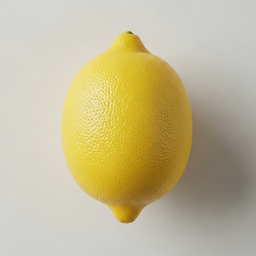 Lemon
Lemon 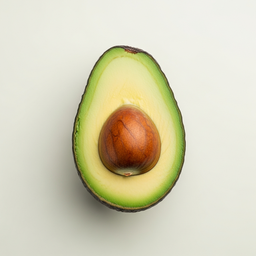 Avocado
 Prevents oxidation and preserves nutritional value
Technical: Avocado contains polyphenol oxidase (PPO) — an enzyme that upon oxygen exposure oxidizes polyphenols into brown melanins. Vitamin C from lemon (53mg per 100g) is a reductant that inhibits the PPO reaction by reducing quinones back to diphenols as electron donor. Additionally, the low pH (citric acid) protects unsaturated fats (oleic acid) against lipid peroxidation.
What does this mean for you? Always sprinkle cut avocado with lemon juice — this preserves not only the green color but also protects the healthy fats and antioxidants. Works in guacamole, salads and on toast.
Heart
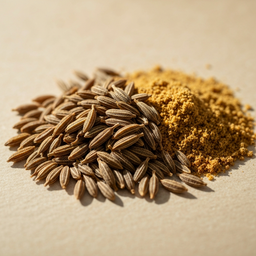 Ground cumin
 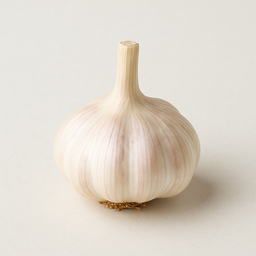 Garlic
 Double digestive support: enzymes + bioactive compounds
Technical: Cumin promotes digestive enzyme activity (amylase, lipase, protease) and increases bile flow. Garlic's allicin has broad bioactivity targeting pathogenic gut bacteria while sparing beneficial ones.
What does this mean for you? Fry garlic and cumin together as base for curries, soups and stews. Classic combination in virtually every cuisine in the world.
DigestionImmune System
Ground cumin 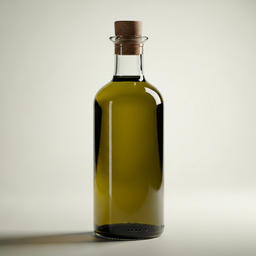 Olive oil
 Fat activates volatile oils and increases cuminaldehyde absorption
Technical: Cumin's active compounds (cuminaldehyde, cymene, terpinene) are volatile, fat-soluble compounds. Frying in olive oil extracts and stabilizes these compounds, and the fat improves their gut absorption.
What does this mean for you? Briefly fry cumin in olive oil before adding other ingredients (tadka/tempering). This is why Indian and Middle Eastern cuisines always fry cumin in oil.
DigestionAnti-inflammatoryBlood Sugar
Olive oil Lemon Oleic acid + citric acid: complementary pathways for glycemic response
Technical: Lemon contains citric acid that slows gastric emptying, causing carbohydrates from the meal to be absorbed more slowly. Olive oil's fats reinforce this effect by further influencing glycemic response. Together they influence the postprandial glucose response via two complementary mechanisms. Olive oil's oleocanthal and lemon's vitamin C additionally provide complementary antioxidant action.
What does this mean for you? A simple dressing of olive oil and lemon juice over your salad is one of the smartest combinations you can make. The two mechanisms (delayed gastric emptying + fat slowing) work together to influence the glucose response after your meal.
EnergyDigestion
Olive oil Garlic Aglio e olio: allicin + oleocanthal via complementary biochemical pathways
Technical: Garlic contains allicin (formed when cutting/crushing) that influences HMG-CoA reductase (involved in lipid metabolism). Olive oil contains oleocanthal that modulates COX-1/2 enzymes. Together they influence lipid metabolism and prostaglandin cascade via complementary biochemical pathways. The fat also helps absorb fat-soluble garlic compounds.
What does this mean for you? Gently warm garlic in olive oil (don't burn!) as the base for many dishes. This is why 'aglio e olio' pasta is so beloved — two bioactive compounds that reinforce each other.
HeartImmune System
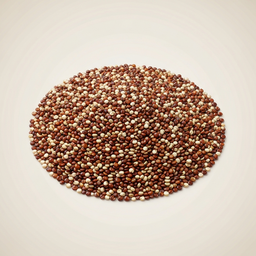 Quinoa (dry) Avocado
 Fat increases absorption of quinoa's fat-soluble vitamins
Technical: Quinoa contains vitamin E (2.4mg/100g), beta-carotene and other carotenoids that are fat-soluble. Avocado contains 15g healthy fats that stimulate micelle formation in the gut and increase absorption of these vitamins by 3-5x. Avocado also provides extra potassium (485mg).
What does this mean for you? Add avocado to your quinoa salad or bowl. This increases not only satiety through the fats but also nutrient absorption.
EnergySkin & Hair
Quinoa (dry) Lemon Vitamin C increases iron absorption from quinoa by 3-6x
Technical: Quinoa contains 1.5mg non-heme iron per 100g cooked. Non-heme iron has low bioavailability (5-12%). Vitamin C from lemon (53mg/100g) reduces Fe³⁺ to Fe²⁺ and prevents phytate binding, increasing absorption 3-6x. This is the basis of tabbouleh-style quinoa salads.
What does this mean for you? Make quinoa tabbouleh with fresh lemon juice, parsley, tomato and cucumber. The lemon juice not only makes it fresher but also maximizes iron absorption.
EnergyImmune System
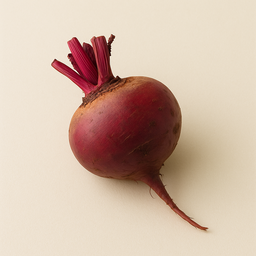 Beetroot Lemon
 Vitamin C protects the nitrates
Technical: Beetroot contains 250-300mg nitrate per 100g converted by oral bacteria to nitrite then nitric oxide (NO). Vitamin C from lemon (53mg/100g) prevents unwanted conversion of nitrite to nitrosamines, while promoting beneficial NO production via the nitrate-nitrite-NO pathway.
What does this mean for you? Always add lemon juice to beet juice or salad. Vitamin C steers nitrate conversion in the desired direction and prevents unwanted byproducts. Bonus: the sour taste perfectly balances the earthy sweetness.
Heart
Beetroot Ground cumin Iron + digestive enzymes: minerals and digestion
Technical: Red beet contains 0.8mg iron per 100g plus betalains (bioactive pigments). Cumin activates digestive enzyme release and increases nutrient absorption. Cumin also contains iron (66mg/100g dried) and thymol that modulates NF-κB signaling.
What does this mean for you? Sprinkle roasted beets with ground cumin. The earthy flavors combine perfectly and iron sources stack up. Ideal in salads or as a side dish.
DigestionEnergyAnti-inflammatory
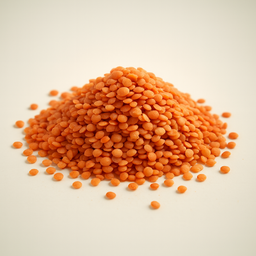 Red lentils Lemon
 Vitamin C increases iron absorption from lentils up to 6x
Technical: Red lentils contain 3.3mg iron per 100g (cooked) — about 40% of the recommended daily intake. This is non-heme iron in Fe³⁺ form with low bioavailability (5-12%). Lemon juice's vitamin C (53mg per 100g) reduces Fe³⁺ to Fe²⁺ which is directly absorbed by DMT1 transporters in the gut wall. Red lentils cook faster than other lentils, retaining less phytic acid.
What does this mean for you? Squeeze half a lemon over your red lentil soup just before serving. Vitamin C works best fresh and raw — don't add it during cooking. This simple gesture triples to quadruples your iron absorption.
Energy
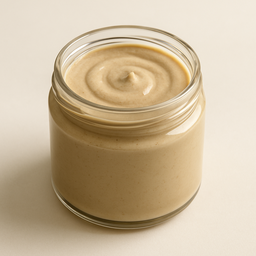 Tahini Lemon
 Improves iron absorption from tahini
Technical: Tahini (ground sesame seeds) contains 14.6mg non-heme iron per 100g, but phytate in sesame binds iron and lowers absorption to 2-5%. Vitamin C from lemon reduces Fe³⁺ to Fe²⁺ (better absorbable) and forms chelates preventing phytate binding. This increases iron absorption by 3-6x.
What does this mean for you? Always add lemon juice to hummus or tahini dressing. The lemon makes the iron from sesame much more absorbable — a classic Middle Eastern recipe for good reason.
Energy
Tahini Garlic Hummus base with immune support
Technical: Tahini provides calcium (426mg/100g), magnesium (95mg), zinc (4.6mg) and sesamin (antioxidant lignan). Garlic contains allicin that offers bioactive action via T-cell activation. Zinc from tahini contributes to the normal function of the immune system (EFSA) — the nutritional foundation of hummus.
What does this mean for you? Make hummus with tahini and fresh garlic. The tahini gives minerals like zinc, the garlic bioactive compounds — a nutritious dip.
Immune SystemJoints
 Sea salt Avocado
 Minerals improve flavor perception and electrolyte balance
Technical: Sea salt contains trace minerals (magnesium, potassium, calcium) besides sodium. Tomato is rich in potassium (237mg/100g) and lycopene. Avocado adds magnesium (29mg) and potassium (485mg). Together they form a broad electrolyte profile: sodium (salt) + potassium (tomato/avocado) + magnesium (avocado) — essential for fluid balance and nerve function.
What does this mean for you? Sprinkle tomato and avocado with a pinch of sea salt. This is more than flavor — the minerals complement each other for a complete electrolyte balance.
HeartEnergy
Sea salt Lemon Trace minerals + vitamin C for electrolytes and immune system
Technical: Unrefined sea salt contains 80+ trace elements (magnesium 0.5%, potassium 0.4%, calcium 0.1%, plus iodine, zinc, selenium in trace amounts) alongside sodium. Lemon's vitamin C improves absorption of non-heme iron and zinc from sea salt. Sodium + potassium together regulate cellular osmosis. Vitamin C is also essential for collagen synthesis where sea salt minerals serve as cofactors.
What does this mean for you? A glass of warm water with a pinch of unrefined sea salt and lemon juice in the morning is an effective hydration ritual. The minerals + vitamin C start your day with good electrolyte balance.
EnergyImmune System
Sea salt Olive oil Minerals + polyphenols for cellular balance
Technical: Sea salt's sodium is essential for the sodium-potassium pump (Na+/K+-ATPase) that regulates every body cell. Olive oil's oleuropein and hydroxytyrosol provide antioxidant protection for cell membranes. The combination supports cell integrity: sea salt regulates ion balance, olive oil protects the membrane. In Mediterranean cuisine, coarse sea salt + olive oil is the most basic flavor profile.
What does this mean for you? Freshly ground sea salt with extra virgin olive oil is the simplest and most nutritious finishing of any dish. The combination provides the basic needs of your cells: minerals for function, polyphenols for protection.
HeartGeneral Wellness
Ingredients (10)
+8 more ingredientsInstructions
- 1 Rinse the quinoa and cook in lightly salted water according to the package (about 15 minutes) until the tails open. Let steam off briefly.
Nutrition per serving
Indicative values per serving.
Timing & Suitability
Shelf life: 2 days in fridge
Tags & Diet
Allergens: Sesame