- Medium
- 50 min
- 4 serv.
- 12 synergies
- Now at its best: Spinach
A rich stew with turkey, sweet potato and spinach in a spiced broth with turmeric and nutmeg. Hearty, gentle and ideal for preparing ahead.
This stew is the kind of pot that slowly brings calm into the kitchen. The sweet potato turns soft and creamy in the broth, while the turkey absorbs the spiced warmth of turmeric, nutmeg and garlic. Spinach is added only at the end, so it stays bright green and keeps the stew from feeling too heavy. The flavour is round and homely: lightly sweet, softly spiced and savoury enough to truly satisfy. It is the sort of dish that often tastes even better on the second day, once the broth has deepened and everything has settled together.
- 15
- min prep
- 35
- min cook
- 50
- min total
Nutritional Synergies
This recipe combines ingredients that enhance each other:
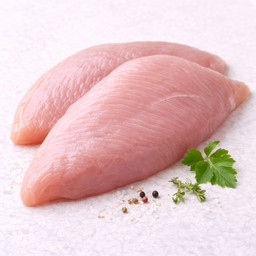 Turkey breast
 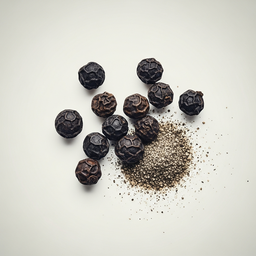 Black pepper
 Piperine increases absorption of tryptophan and B vitamins from turkey
Technical: Turkey breast contains 290mg tryptophan per 100g — the highest of all common meats. Tryptophan is converted to serotonin (happiness hormone) and melatonin (sleep hormone) via the kynurenine pathway. Piperine from black pepper inhibits glucuronidation and CYP3A4 in the gut, increasing tryptophan bioavailability by approximately 30%. Piperine also improves absorption of B6 — a co-factor for tryptophan-serotonin conversion.
What does this mean for you? Grind fresh black pepper over your turkey dish. Piperine helps your body absorb more tryptophan, improving your mood and sleep. Combine with whole grain carbs (bread, rice) to maximize tryptophan transport to the brain.
SleepStress ReliefGeneral Wellness
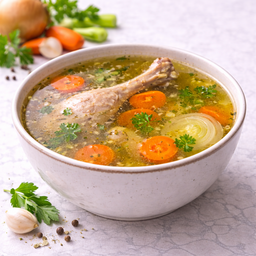 Chicken broth
  Garlic
 Traditional recovery soup with immune support
Technical: Chicken broth's glycine and cysteine support glutathione production (master antioxidant). Garlic's allicin has bioactive action. Together they provide amino acids and bioactive sulfur compounds.
What does this mean for you? Make chicken broth with extra garlic for a comforting, nourishing soup. Glycine + allicin provide bioactive compounds.
Immune SystemAnti-inflammatoryDigestion
Chicken broth 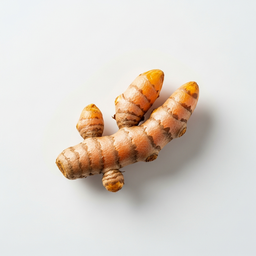 Turmeric
 Collagen + curcumin for joints and bioactive support
Technical: Chicken broth contains type II collagen and glycine that support joint cartilage. Turmeric's curcumin modulates NF-kB signaling pathways. The fat in broth increases curcumin absorption.
What does this mean for you? Add turmeric to your chicken broth. The collagen supports your joints, the curcumin provides bioactive support — and the fat in the broth helps curcumin absorption.
JointsAnti-inflammatoryDigestion
Turmeric Black pepper Increases curcumin absorption by 2000%
Technical: Curcumin from turmeric has bioavailability below 1% due to rapid glucuronidation in the liver. Piperine from black pepper inhibits UGT (UDP-glucuronosyltransferase) and CYP3A4, preventing curcumin breakdown. This increases bioavailability by 2000% (20x). Use ratio ¼ teaspoon pepper to 1 teaspoon turmeric.
What does this mean for you? ALWAYS add black pepper when using turmeric. Without pepper your body absorbs virtually nothing — with pepper 20x more. This is the most important food synergy there is.
Anti-inflammatoryJointsFocus
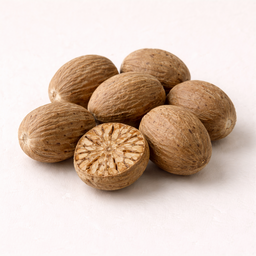 Nutmeg
 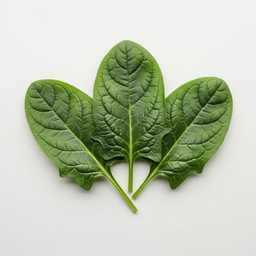 Spinach
 Classic combination supporting iron absorption
Technical: Spinach contains oxalates giving a bitter taste that can bind calcium/iron. Nutmeg's myristicin and macelignan mask this bitterness via flavor interaction. Nutmeg also promotes bile flow, improving fat absorption — important for spinach's fat-soluble vitamins (K, A, E).
What does this mean for you? Add a pinch of nutmeg to spinach dishes. It masks the bitterness and improves vitamin absorption from spinach — a classic combination for good reason.
EnergyDigestion
 Olive oil Garlic
 Aglio e olio: allicin + oleocanthal via complementary biochemical pathways
Technical: Garlic contains allicin (formed when cutting/crushing) that influences HMG-CoA reductase (involved in lipid metabolism). Olive oil contains oleocanthal that modulates COX-1/2 enzymes. Together they influence lipid metabolism and prostaglandin cascade via complementary biochemical pathways. The fat also helps absorb fat-soluble garlic compounds.
What does this mean for you? Gently warm garlic in olive oil (don't burn!) as the base for many dishes. This is why 'aglio e olio' pasta is so beloved — two bioactive compounds that reinforce each other.
HeartImmune System
Spinach Olive oil Makes fat-soluble vitamins and antioxidants available
Technical: Spinach contains 483μg vitamin K (403% RDI), 5626μg beta-carotene, 2mg vitamin E and 12.2mg lutein — all fat-soluble. Without fat only 5-10% is absorbed. Olive oil's monounsaturated fats (73% oleic acid) form micelles that increase absorption 2-5x.
What does this mean for you? Always eat spinach with olive oil or another fat source. Without fat you waste most of spinach's impressive vitamin profile. A drizzle of olive oil is essential for proper absorption.
Skin & HairJoints
Spinach Black pepper Increases beta-carotene absorption from vegetables
Technical: Spinach contains 5626μg beta-carotene per 100g. Piperine from black pepper (5-9% by weight) inhibits glucuronidation in the gut, keeping beta-carotene in its active form longer. Piperine also increases intestinal epithelium permeability via vanilloid receptor activation.
What does this mean for you? Grind fresh black pepper over spinach. Piperine slows beta-carotene breakdown in your gut so you absorb more. Combine with olive oil for the maximum triple effect.
Immune SystemSkin & Hair
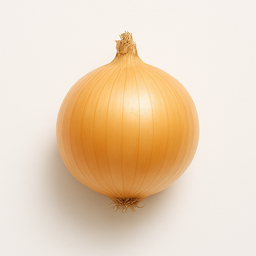 Onion Garlic
 More than 20 organosulfur compounds in one soffritto
Technical: Onion contains diallyl disulfide and quercetin (20-40mg/100g). Garlic contains allicin, ajoene and S-allylcysteine. Together they provide more than 20 different organosulfur compounds that modulate NF-κB. Allium crops are intensively studied in nutrition science for their unique sulfur chemistry.
What does this mean for you? Start every dish with sautéed onion and garlic — not just for flavor, but for the unique concentration of organosulfur compounds. Cut garlic 10 minutes before heating to allow allicin formation.
DigestionImmune System
 Sea salt Olive oil
 Minerals + polyphenols for cellular balance
Technical: Sea salt's sodium is essential for the sodium-potassium pump (Na+/K+-ATPase) that regulates every body cell. Olive oil's oleuropein and hydroxytyrosol provide antioxidant protection for cell membranes. The combination supports cell integrity: sea salt regulates ion balance, olive oil protects the membrane. In Mediterranean cuisine, coarse sea salt + olive oil is the most basic flavor profile.
What does this mean for you? Freshly ground sea salt with extra virgin olive oil is the simplest and most nutritious finishing of any dish. The combination provides the basic needs of your cells: minerals for function, polyphenols for protection.
HeartGeneral Wellness
 Sweet potato Olive oil
 Essential for beta-carotene absorption
Technical: Sweet potato is the richest beta-carotene source at 11509μg/100g. Beta-carotene is converted to retinol (vitamin A) by β-carotene-15,15'-dioxygenase, but must first be absorbed via fat micelles. Olive oil increases absorption 3-5x. Without fat, conversion efficiency is only 3:1 (μg carotene:μg retinol); with fat 12:1.
What does this mean for you? Always serve sweet potato with oil or butter. Eating it 'dry' is a missed opportunity — you lose most of the vitamin A. A little fat makes a huge difference.
FocusImmune System
Black pepper Olive oil Fat increases piperine absorption and enhances polyphenols
Technical: Piperine is fat-soluble and absorbed 2-3x better with dietary fat. Olive oil's oleocanthal and piperine both modulate COX signal transduction through different mechanisms, providing additive bioactive effect.
What does this mean for you? Grind fresh pepper over salads with olive oil dressing. The combination enhances both pepper absorption and bioactive action.
Anti-inflammatoryHeartDigestion
Ingredients (11)
+8 more ingredientsInstructions
- 1 Cut the turkey into cubes and the sweet potato into even dice.
- 2 Heat the olive oil in a Dutch oven over medium heat. Brown the turkey lightly on all sides for 4 minutes, then remove it from the pan.
Nutrition per serving
Indicative values per serving.
Timing & Suitability
Shelf life: 3 days in fridge