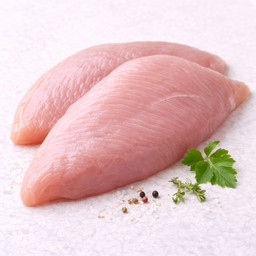
Turkey Breast
The leanest meat
What is this ingredient?
Turkey breast (without skin) is the absolute pinnacle of lean meat. With less than 1% fat and 29g protein per 100g, it's even leaner than chicken breast.
It contains high concentrations of tryptophan, the amino acid that converts to serotonin and melatonin. This makes turkey unique as a 'relaxing' meat.
Turkey is also rich in selenium (27mcg/100g) which is essential for thyroid function and immune system. Choose organic turkey where possible for a better fatty acid profile.
How does it taste?
Lean, mild and subtle with a fine, light meat flavor.
Pairs well with:
Pairs well with lemonavocadomustardpesto and paprika.
Did you know...?
- An adult turkey has approximately 3,500 feathers.
- Turkeys can run short distances at speeds of up to 40 km per hour.
Nutritional Value & Energy
Per 100g
Turkey Breast provides energy thanks to natural nutrients .
Per 100g
Minerals
Vitamins
Omega-3 fatty acids
More nutrients
B-Vitamins
Trace Minerals
What's in a serving?
1 serving
Turkey Breast naturally contains zinc (1.5 mg per 100 g).
Turkey Breast naturally contains selenium (27 mcg per 100 g).
Turkey Breast naturally contains vitamin b12 (0.4 mcg per 100 g).
Turkey Breast naturally contains vitamin b6 (0.8 mg per 100 g).
Turkey Breast naturally contains phosphorus (210 mg per 100 g).
% of daily reference intake (DRI)
EU-approved nutrition claims
This ingredient contains nutrients for which EFSA-authorized health claims exist (at nutrient level, not ingredient-specific).
Approved health claims (EU)
Vitamin_b12 EU 432/2012
Vitamin B12 contributes to the normal function of the immune system
Contains 0.4mcg/100g (threshold: ≥0.375mcg/100g)
Vitamin_b12 EU 432/2012
Vitamin B12 contributes to the reduction of tiredness and fatigue
Contains 0.4mcg/100g (threshold: ≥0.375mcg/100g)
Vitamin_b12 EU 432/2012
Vitamin B12 contributes to the normal functioning of the nervous system
Contains 0.4mcg/100g (threshold: ≥0.375mcg/100g)
Zinc EU 432/2012
Zinc contributes to the normal function of the immune system
Contains 1.5mg/100g (threshold: ≥1.5mg/100g)
Zinc EU 432/2012
Zinc contributes to the maintenance of normal skin
Contains 1.5mg/100g (threshold: ≥1.5mg/100g)
Vitamin_b6 EU 432/2012
Vitamin B6 contributes to normal cysteine synthesis
Contains 0.8mg/100g (threshold: ≥0.21mg/100g)
Vitamin_b6 EU 432/2012
Vitamin B6 contributes to normal energy-yielding metabolism
Contains 0.8mg/100g (threshold: ≥0.21mg/100g)
Vitamin_b6 EU 432/2012
Vitamin B6 contributes to normal functioning of the nervous system
Contains 0.8mg/100g (threshold: ≥0.21mg/100g)
Vitamin_b6 EU 432/2012
Vitamin B6 contributes to normal homocysteine metabolism
Contains 0.8mg/100g (threshold: ≥0.21mg/100g)
Vitamin_b6 EU 432/2012
Vitamin B6 contributes to normal protein and glycogen metabolism
Contains 0.8mg/100g (threshold: ≥0.21mg/100g)
Vitamin_b6 EU 432/2012
Vitamin B6 contributes to normal psychological function
Contains 0.8mg/100g (threshold: ≥0.21mg/100g)
Vitamin_b6 EU 432/2012
Vitamin B6 contributes to normal red blood cell formation
Contains 0.8mg/100g (threshold: ≥0.21mg/100g)
Vitamin_b6 EU 432/2012
Vitamin B6 contributes to the normal function of the immune system
Contains 0.8mg/100g (threshold: ≥0.21mg/100g)
Vitamin_b6 EU 432/2012
Vitamin B6 contributes to the regulation of hormonal activity
Contains 0.8mg/100g (threshold: ≥0.21mg/100g)
Vitamin_b6 EU 432/2012
Vitamin B6 contributes to the reduction of tiredness and fatigue
Contains 0.8mg/100g (threshold: ≥0.21mg/100g)
Vitamin_b12 EU 432/2012
Vitamin B12 contributes to normal energy-yielding metabolism
Contains 0.4mcg/100g (threshold: ≥0.375mcg/100g)
Vitamin_b12 EU 432/2012
Vitamin B12 contributes to normal homocysteine metabolism
Contains 0.4mcg/100g (threshold: ≥0.375mcg/100g)
Vitamin_b12 EU 432/2012
Vitamin B12 contributes to normal psychological function
Contains 0.4mcg/100g (threshold: ≥0.375mcg/100g)
Vitamin_b12 EU 432/2012
Vitamin B12 contributes to normal red blood cell formation
Contains 0.4mcg/100g (threshold: ≥0.375mcg/100g)
Vitamin_b12 EU 432/2012
Vitamin B12 has a role in the process of cell division
Contains 0.4mcg/100g (threshold: ≥0.375mcg/100g)
Phosphorus EU 432/2012
Phosphorus contributes to normal energy-yielding metabolism
Contains 210mg/100g (threshold: ≥105mg/100g)
Phosphorus EU 432/2012
Phosphorus contributes to the normal function of cell membranes
Contains 210mg/100g (threshold: ≥105mg/100g)
Phosphorus EU 432/2012
Phosphorus contributes to the maintenance of normal bones
Contains 210mg/100g (threshold: ≥105mg/100g)
Phosphorus EU 432/2012
Phosphorus contributes to the maintenance of normal teeth
Contains 210mg/100g (threshold: ≥105mg/100g)
Zinc EU 432/2012
Zinc contributes to normal acid-base metabolism
Contains 1.5mg/100g (threshold: ≥1.5mg/100g)
Zinc EU 432/2012
Zinc contributes to normal carbohydrate metabolism
Contains 1.5mg/100g (threshold: ≥1.5mg/100g)
Zinc EU 432/2012
Zinc contributes to normal cognitive function
Contains 1.5mg/100g (threshold: ≥1.5mg/100g)
Zinc EU 432/2012
Zinc contributes to normal DNA synthesis
Contains 1.5mg/100g (threshold: ≥1.5mg/100g)
Zinc EU 432/2012
Zinc contributes to normal fertility and reproduction
Contains 1.5mg/100g (threshold: ≥1.5mg/100g)
Zinc EU 432/2012
Zinc contributes to normal macronutrient metabolism
Contains 1.5mg/100g (threshold: ≥1.5mg/100g)
Zinc EU 432/2012
Zinc contributes to normal metabolism of fatty acids
Contains 1.5mg/100g (threshold: ≥1.5mg/100g)
Zinc EU 432/2012
Zinc contributes to normal metabolism of vitamin A
Contains 1.5mg/100g (threshold: ≥1.5mg/100g)
Zinc EU 432/2012
Zinc contributes to normal protein synthesis
Contains 1.5mg/100g (threshold: ≥1.5mg/100g)
Zinc EU 432/2012
Zinc contributes to the maintenance of normal bones
Contains 1.5mg/100g (threshold: ≥1.5mg/100g)
Zinc EU 432/2012
Zinc contributes to the maintenance of normal hair
Contains 1.5mg/100g (threshold: ≥1.5mg/100g)
Zinc EU 432/2012
Zinc contributes to the maintenance of normal nails
Contains 1.5mg/100g (threshold: ≥1.5mg/100g)
Zinc EU 432/2012
Zinc contributes to the maintenance of normal testosterone levels in the blood
Contains 1.5mg/100g (threshold: ≥1.5mg/100g)
Zinc EU 432/2012
Zinc contributes to the maintenance of normal vision
Contains 1.5mg/100g (threshold: ≥1.5mg/100g)
Zinc EU 432/2012
Zinc contributes to the protection of cells from oxidative stress
Contains 1.5mg/100g (threshold: ≥1.5mg/100g)
Zinc EU 432/2012
Zinc has a role in the process of cell division
Contains 1.5mg/100g (threshold: ≥1.5mg/100g)
Selenium EU 432/2012
Selenium contributes to the maintenance of normal hair
Contains 27mcg/100g (threshold: ≥8.25mcg/100g)
Selenium EU 432/2012
Selenium contributes to the maintenance of normal nails
Contains 27mcg/100g (threshold: ≥8.25mcg/100g)
Selenium EU 432/2012
Selenium contributes to the normal function of the immune system
Contains 27mcg/100g (threshold: ≥8.25mcg/100g)
Selenium EU 432/2012
Selenium contributes to normal thyroid function
Contains 27mcg/100g (threshold: ≥8.25mcg/100g)
Selenium EU 432/2012
Selenium contributes to normal spermatogenesis
Contains 27mcg/100g (threshold: ≥8.25mcg/100g)
Selenium EU 432/2012
Selenium contributes to the protection of cells from oxidative stress
Contains 27mcg/100g (threshold: ≥8.25mcg/100g)
What's being researched?
Turkey fillet and lean protein
Turkey fillet as one of the leanest animal protein sources is studied in dietary interventions. The low fat content and high protein density make it a commonly used study product in muscle maintenance research.
Supported by: [1] Richard (2009) , [3] Soglia F (2018)
Good Combinations (Synergy)
Combine turkey breast smartly to enhance the effect:
Turkey Breast 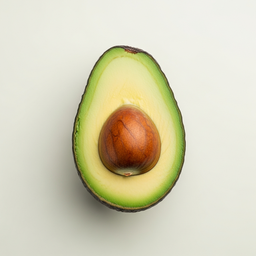 Avocado
 Tryptophan + healthy fats optimize serotonin for sleep and mood
Technical: Turkey breast contains 290mg tryptophan per 100g (104% RI) — highest of all meats. Tryptophan is precursor for serotonin and melatonin synthesis in the pineal gland. Monounsaturated fats in avocado (10g/100g) increase tryptophan transport across blood-brain barrier by 20-25% by reducing competition with other large neutral amino acids (LNAAs). Vitamin B6 in turkey (0.5mg/100g) and magnesium in avocado (29mg/100g) are essential cofactors for this conversion.
What does this mean for you? Turkey breast with avocado as dinner 2-3 hours before bedtime. Perfect for better sleep quality and relaxation. Also delicious as turkey-avocado wrap for lunch.
Turkey Breast 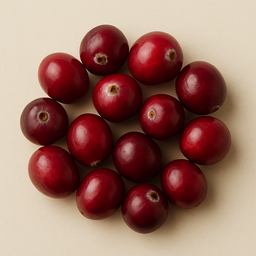 Cranberries
 Thanksgiving classic: tryptophan + polyphenols
Technical: Turkey contains 290mg tryptophan per 100g (precursor for serotonin/melatonin) and B vitamins. Cranberries contain proanthocyanidins (PACs) with strong antioxidant action. The carbohydrates in cranberry sauce also increase tryptophan transport to the brain via insulin response.
What does this mean for you? The drowsiness after Thanksgiving partly comes from tryptophan + carbs. Cranberry sauce with turkey isn't just tradition but also nutritionally logical!
Turkey Breast 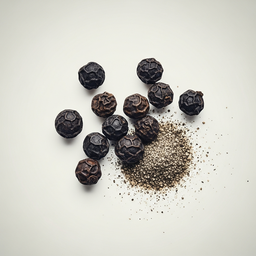 Black Pepper
 Piperine increases absorption of tryptophan and B vitamins from turkey
Technical: Turkey breast contains 290mg tryptophan per 100g — the highest of all common meats. Tryptophan is converted to serotonin (happiness hormone) and melatonin (sleep hormone) via the kynurenine pathway. Piperine from black pepper inhibits glucuronidation and CYP3A4 in the gut, increasing tryptophan bioavailability by approximately 30%. Piperine also improves absorption of B6 — a co-factor for tryptophan-serotonin conversion.
What does this mean for you? Grind fresh black pepper over your turkey dish. Piperine helps your body absorb more tryptophan, improving your mood and sleep. Combine with whole grain carbs (bread, rice) to maximize tryptophan transport to the brain.
Recipes with Turkey Breast
Discover delicious recipes featuring turkey breast:
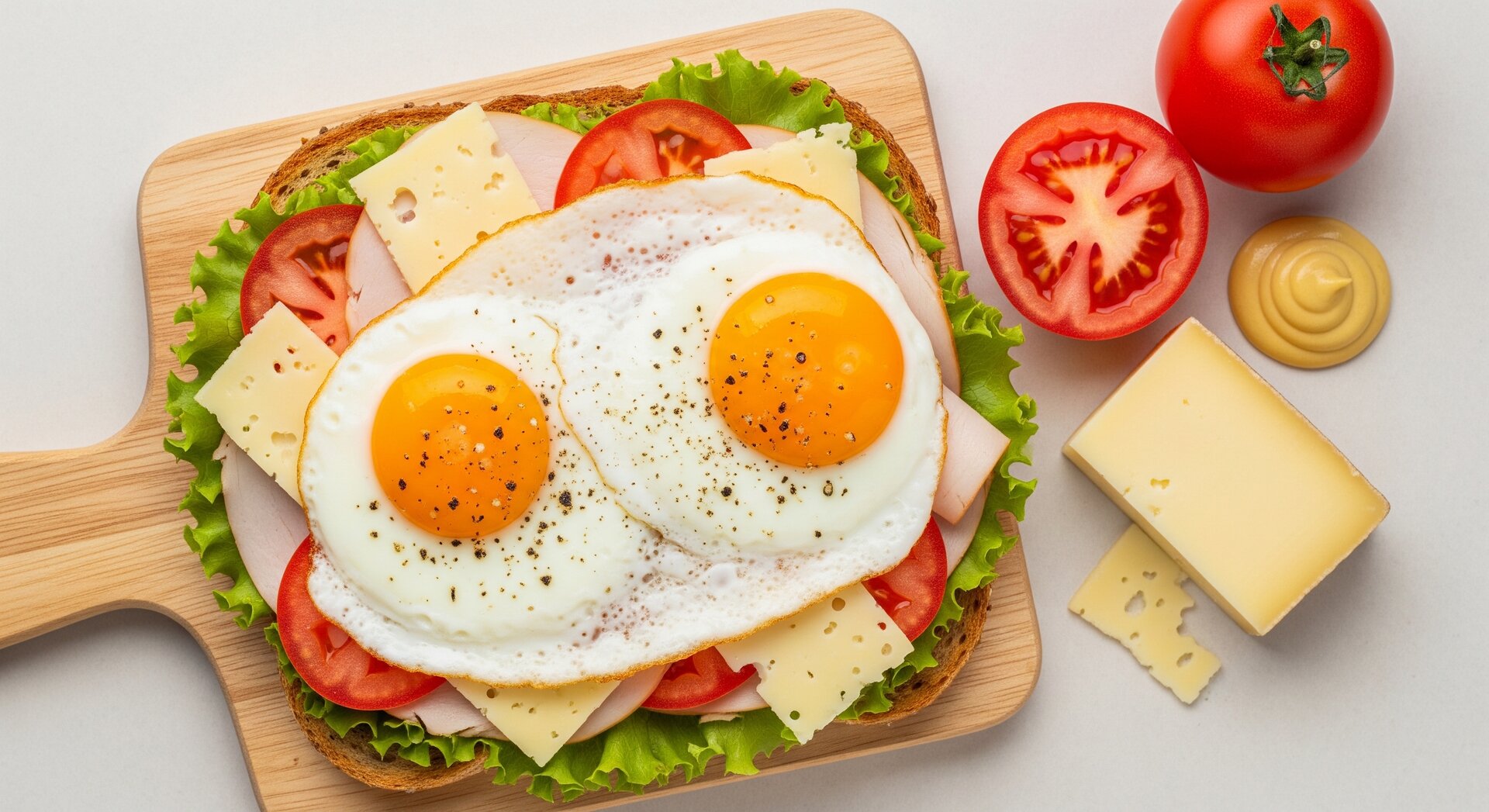 Belgian Uitsmijter with Aged Cheese and Tomato 18 min Classic Belgian lunch with fried egg and aged cheese
  823 kcal
  55g protein 2 synergies
 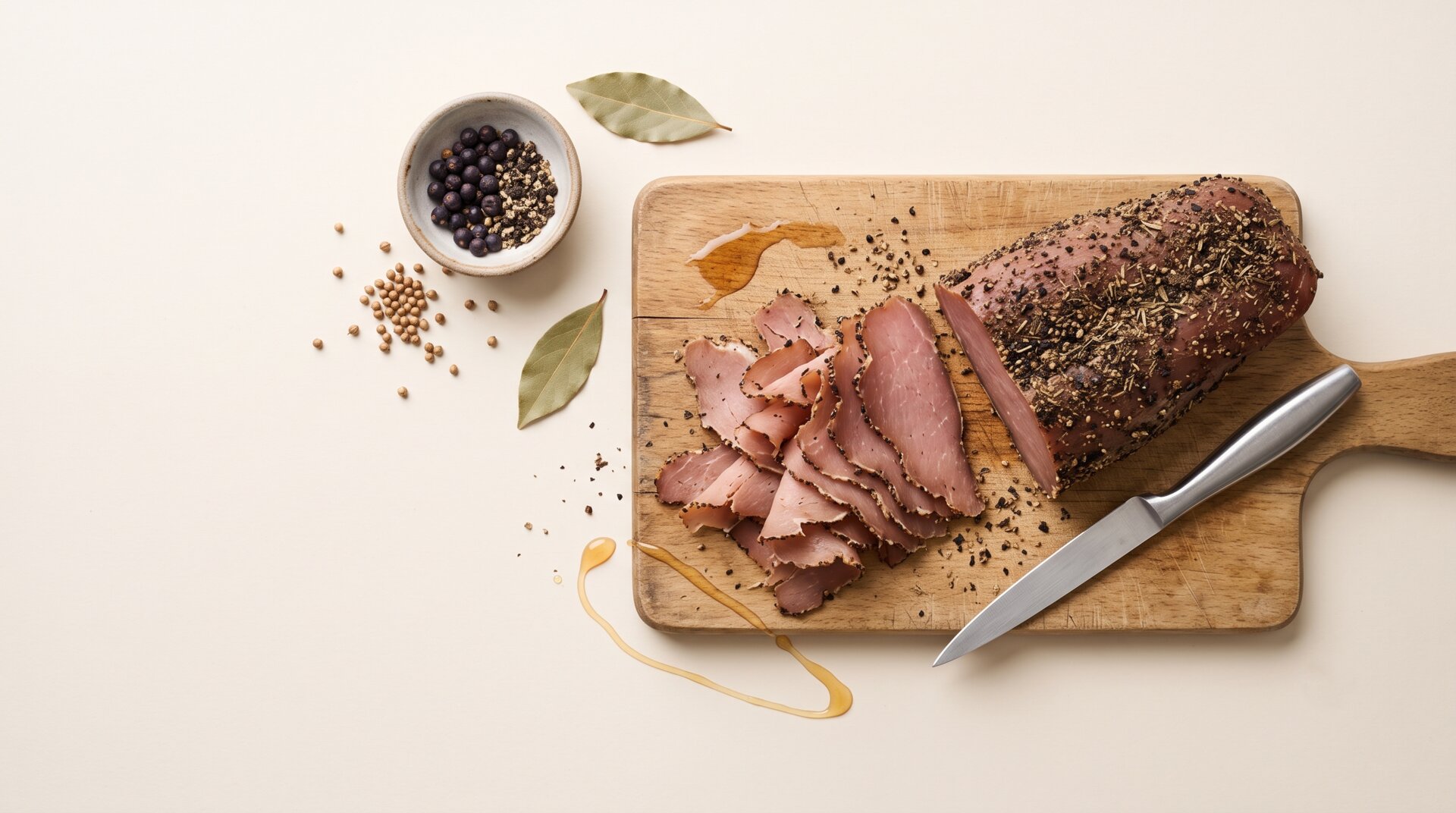 Turkey Filet d'Anvers Cold Cut 200 min Belgian delicacy as halal sandwich meat 50 kcal 10g protein 2 synergies
 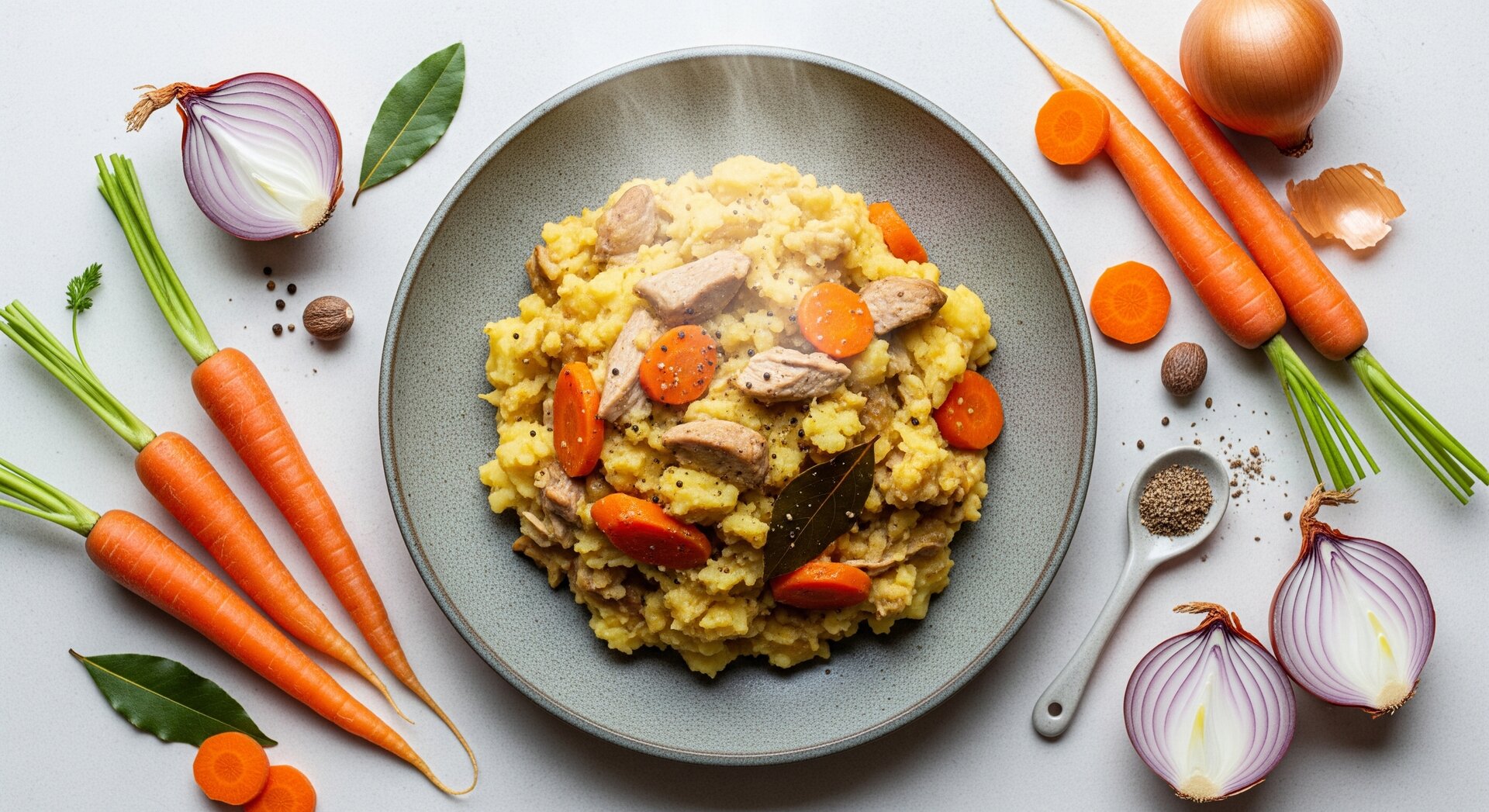 Hutspot with Turkey, Carrots and Potato 45 min Dutch mashed potatoes and carrots with juicy turkey and nutmeg 505 kcal 40g protein 2 synergies
 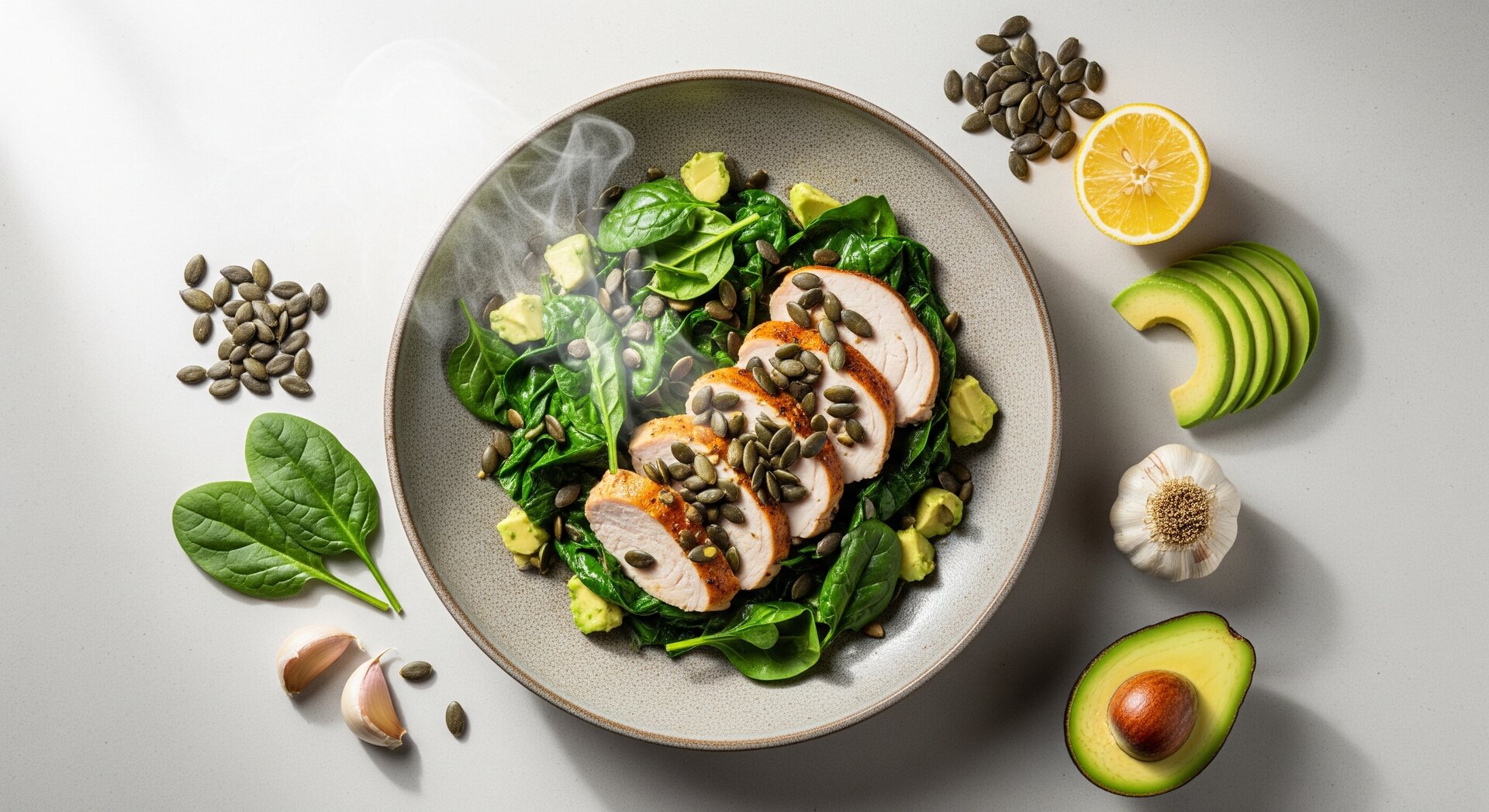 Turkey with Spinach, Avocado and Pumpkin Seeds 40 min Light, protein-rich and fresh on the plate 445 kcal 42g protein 2 synergies
 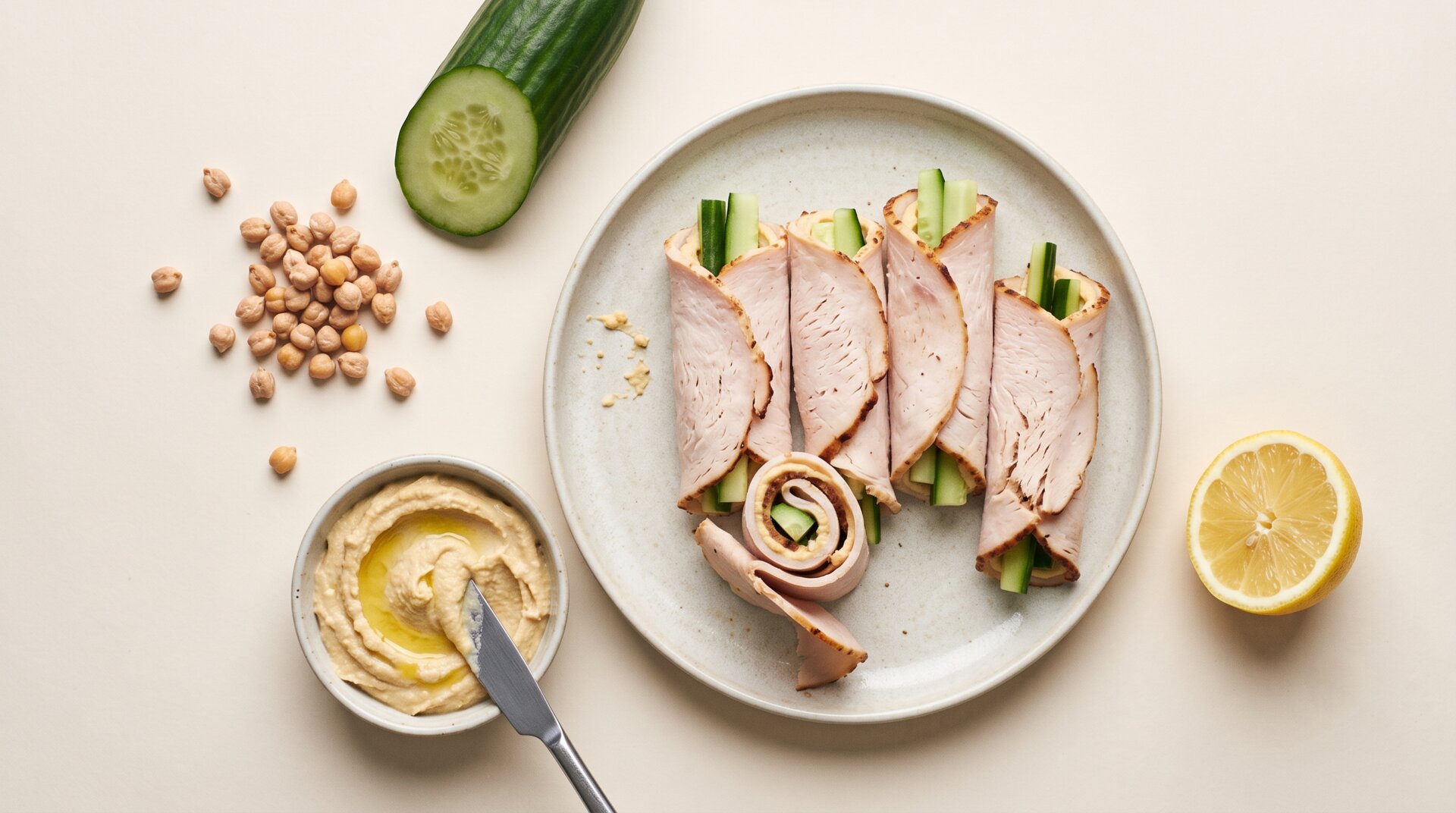 Turkey Rolls with Hummus and Cucumber 10 min Turkey breast rolled with homemade hummus and cool cucumber 182 kcal 23g protein 1 synergies
 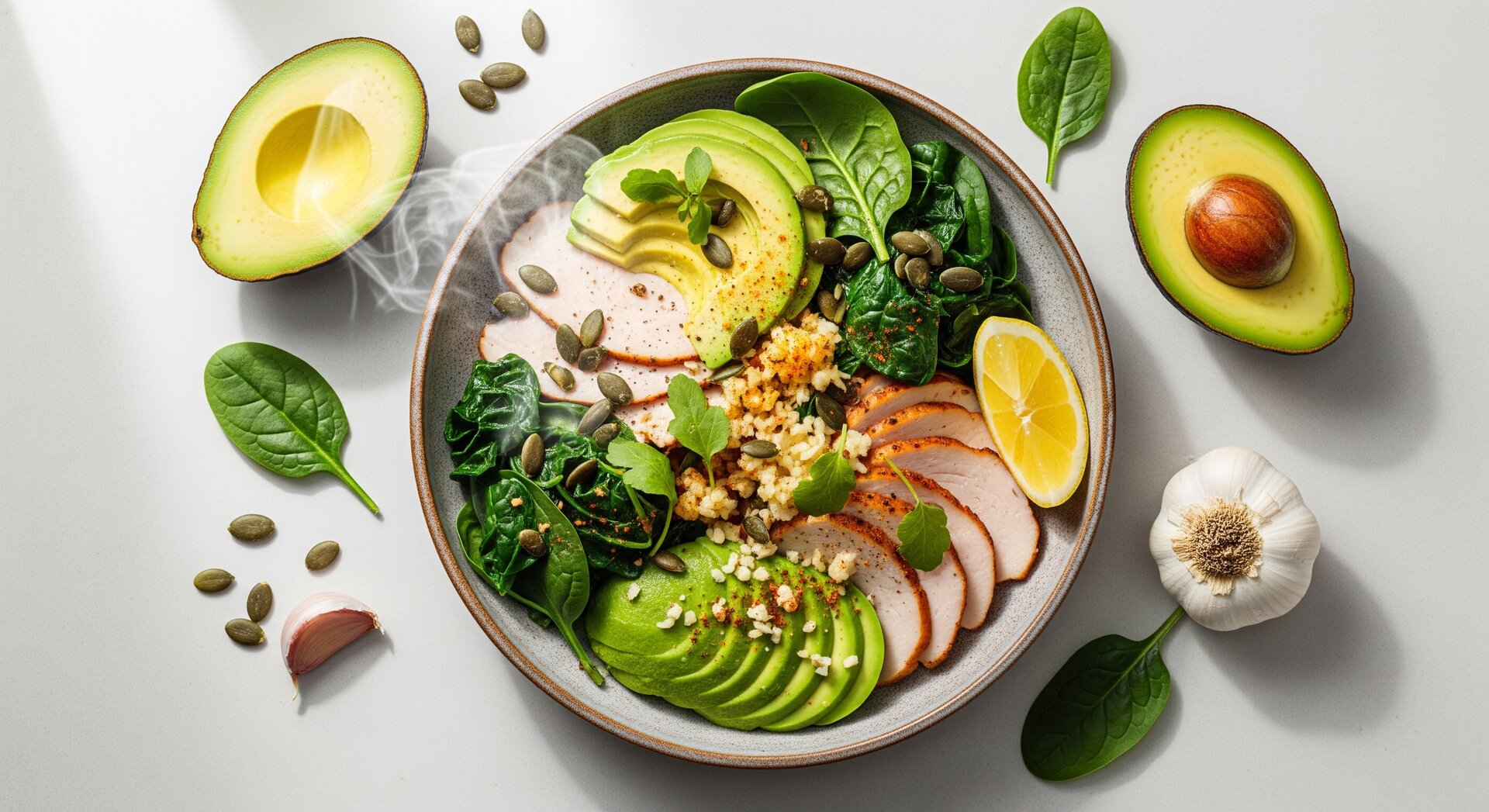 Turkey Avocado Breakfast Platter 20 min Keto breakfast platter with turkey, avocado, spinach and pumpkin seeds 420 kcal 30g protein 2 synergies
  In the Kitchen
Storage
Location:Refrigerator
Shelf life:1-2 dagen (rauw), 3-4 dagen (gekookt)
Store raw meat at bottom of fridge
Preparation
Turkey dries out quickly - marinate or poach for juicy result. Rest 5 minutes after cooking.
Conversions
Substitutes
Smart preparation
1Do not overcook turkey breast — it dries out quickly.
Why?
Turkey breast has little fat and becomes dry quickly.
2Brine turkey breast for 2-4 hours in salted water for juiciness.
3Slice turkey breast against the grain after resting.
Why?
Slicing against the grain makes every bite more tender.
Caution / Warnings
Turkey Breast is very safe, but there are scientific considerations:
Poultry Allergy Severe
Rare but can cause severe reactions
Advice:
Avoid completely with known allergy
Food Safety Severe
Raw poultry can contain Salmonella
Advice:
Always cook through to 74°C internal temperature
Summary
Turkey breast is the leanest meat that exists: 29g protein with only 1g fat per 100g. Perfect for weight loss and muscle building. Bonus: the high tryptophan content supports relaxation and sleep.