- Medium
- 40 min
- 2 serv.
- 10 synergies
- Now at its best: Salmon
Salmon fillets glazed in a glossy teriyaki of soy sauce, honey and fresh ginger, served on steaming brown rice with wok vegetables that still have bite. A quick weeknight meal that looks like it came from a restaurant.
It starts with the sauce. Soy sauce, honey, grated ginger and garlic — just stir together, nothing more. Half goes over the salmon fillets that marinate for ten minutes while you start the rice. Sesame oil sizzles in the wok and then the broccoli florets and bok choy go in, heat on full blast. You hear the snapping, smell the nutty sesame oil merging with the sweet smoke of high wok heat. Five minutes, no more — you want the stems still crunchy, almost raw freshness with just enough char at the edges. The salmon goes separate, skin side down. Don't touch it. Four minutes until the skin is crispy, then flip — three more minutes and the flesh is perfectly pink inside. On the plate, first the rice, steaming and nutty, then the vegetables in their glossy sauce, the salmon on top, and a handful of toasted sesame seeds and avocado slices as the finishing touch.
- 15
- min prep
- 25
- min cook
- 40
- min total
Nutritional Synergies
This recipe combines ingredients that enhance each other:
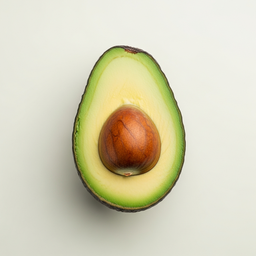 Avocado
 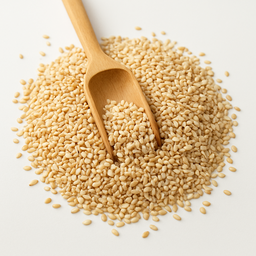 Sesame Seeds
 Healthy fats improve mineral absorption from sesame seeds
Technical: Avocado contains 15% mono-unsaturated fats and vitamin E. Sesame seeds are rich in calcium (975mg/100g), iron (14.5mg) and zinc. The fats from avocado improve absorption of these minerals and the fat-soluble lignans (sesamin, sesamolin) from sesame seeds.
What does this mean for you? Add sesame seeds to your avocado toast or poke bowl. The combination is not only delicious but also remarkably rich in minerals.
JointsEnergySkin & Hair
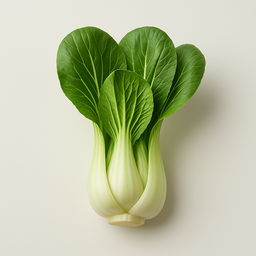 Bok Choy
 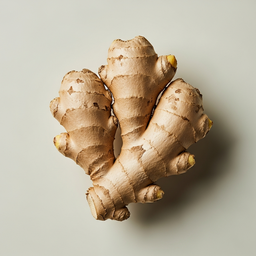 Ginger
 Glucosinolates + gingerols: complementary NF-κB modulation
Technical: Bok choy contains glucosinolates (glucobrassicin) converted to indole-3-carbinol (I3C) — a compound that modulates estrogen metabolism and influences NF-κB. Ginger's 6-gingerol and 6-shogaol modulate COX-2 and iNOS via complementary routes. Together they cover a broad spectrum of bioactive pathways.
What does this mean for you? Stir-frying bok choy with ginger is an Asian base combining two groups of bioactive compounds — each with their own mechanism on NF-κB signaling. A quick, versatile wok combination.
Anti-inflammatoryJoints
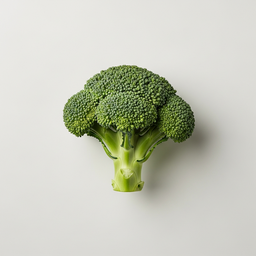 Broccoli
 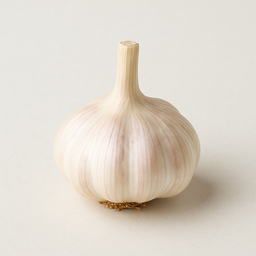 Garlic
 Double sulfur compounds for Nrf2 activation and phase-II enzymes
Technical: Broccoli contains sulforaphane (isothiocyanate) activating the Nrf2 pathway and inducing phase-II enzymes (glutathione S-transferase, quinone reductase). Garlic contains allicin and diallyl sulfide — also sulfur compounds activating the same Nrf2 pathway via thiol reaction. Both are sulfur-containing compounds working synergistically.
What does this mean for you? Briefly sauté garlic and add broccoli — a classic stir-fry base. Two sulfur-rich ingredients each activating the same Nrf2 pathway through their own route. Cut garlic 10 minutes before heating for maximum allicin.
AntioxidantsImmune SystemAnti-inflammatory
Ginger 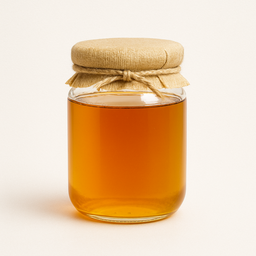 Honey
Honey Classic combination: warming herbal drink with honey
Technical: Ginger's gingerol modulates COX-2 and has antiemetic action (suppresses nausea via 5-HT3 receptor blockade). Honey's glucose oxidase produces hydrogen peroxide with bioactive action, while honey physically coats and soothes the throat. Together: bioactive modulation + throat protection.
What does this mean for you? Ginger tea with honey is a classic, warming combination. The ginger provides gingerol, the honey a smooth, sweet layer.
Immune System
Honey Sesame Seeds Honey antioxidants + sesame lignans for antioxidant support
Technical: Honey's water-soluble antioxidants (phenolic acids, flavonoids) and sesame seed's fat-soluble lignans (sesamin) provide antioxidant support in different compartments. Honey's fructose provides quick energy, sesame's fats and proteins give sustained satiety.
What does this mean for you? Sesame seeds with honey (as in Japanese dishes) combines quick energy with sustained satiety and broad antioxidant support.
EnergyAnti-inflammatorySkin & Hair
Garlic Ginger Allicin + gingerols: complementary bioactive action
Technical: Garlic's allicin works via thiol enzyme inhibition — effective against gram-positive bacteria (Staphylococcus, Streptococcus). Ginger's gingerols and shogaols influence viral replication and stimulate interferon production. Together they cover both bacterial and viral pathways.
What does this mean for you? Garlic-ginger tea is a classic combination. Garlic works via thiol enzymes, ginger via interferon pathways. Cut both fresh for maximum active compounds — allicin only forms after 10 minutes of air exposure.
Immune System
Garlic Honey Fermented: allicin + bee defensin in traditional condiment
Technical: Raw garlic contains alliin converted by alliinase to allicin — an organosulfur compound with bioactive properties — when cut. Raw honey contains hydrogen peroxide, bee defensin-1 and methylglyoxal. Fermenting garlic in honey increases bioavailability of S-allylcysteine (SAC), a more stable bioactive metabolite.
What does this mean for you? Submerge raw garlic cloves in raw honey and ferment for 2-4 weeks. You get a traditional condiment with concentrated bioactive compounds — an ancient fermentation technique that increases bioavailability.
Immune System
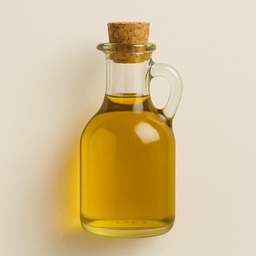 Sesame Oil Ginger
 Asian cooking base: lignans + gingerols via complementary pathways
Technical: Sesame oil contains sesamin and sesamolin (lignans) with antioxidant action. Ginger contains gingerols that modulate COX-2. Both compounds influence NF-κB via complementary mechanisms. The fat in sesame oil also improves absorption of fat-soluble gingerols.
What does this mean for you? Start Asian dishes with sesame oil + ginger as flavor base. This is the fundamental start of wok dishes and combines two bioactive compounds via complementary pathways.
Anti-inflammatoryDigestion
Sesame Oil Sesame Seeds Sesame oil fats enhance absorption of sesame seed lignans
Technical: Sesame seeds contain lignans (sesamin, sesamolin) that are fat-soluble. Sesame oil provides the ideal fat matrix for absorption. Additionally, the oil contains different bioactive forms (sesamol) that work complementarily to lignans in whole seeds.
What does this mean for you? Top dishes with both sesame seeds and a drizzle of sesame oil — you get the fiber and minerals from the seeds plus optimal lignan absorption.
HeartAnti-inflammatoryHormonal Balance
 Salmon Broccoli
 Vitamin D + K: complementary bone metabolism
Technical: Salmon provides 526 IU vitamin D per 100g that increases calcium absorption in the gut, plus 31μg selenium as antioxidant. Broccoli contains 102μg vitamin K per 100g that activates osteocalcin — a protein that directs calcium to bones. Together they optimize the entire calcium pathway: absorption (vitamin D) → transport to bones (vitamin K). Broccoli also provides 89mg vitamin C and magnesium.
What does this mean for you? Salmon with steamed broccoli is an optimal combination for your bone metabolism. Vitamin D from salmon helps absorb calcium, vitamin K from broccoli activates osteocalcin directing calcium to your bones.
Joints
Ingredients (11)
+8 more ingredients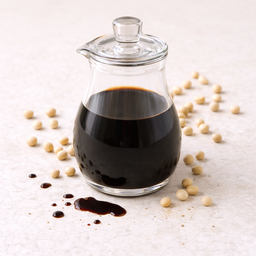
Instructions
- 1 Cook brown rice according to package instructions (about 25 minutes).
- 2 Mix soy sauce, honey, ginger and garlic for the teriyaki marinade.
Nutrition per serving
Indicative values per serving.
Timing & Suitability
Shelf life: 2 days in fridge
Tags & Diet
Allergens: Fish, Soy, Sesame