- Easy
- 80 min
- 4 serv.
- 11 synergies
- Now at its best: Potato
A snert-style winter soup with yellow lentils, potato, carrot, leek, celery, bay leaf and thyme. The merguez is fried separately and served on top of the thick soup with rye bread.
This is snert with a detour: not with split peas and smoked sausage, but with yellow lentils and merguez. The soup still stays thick, earthy and spoonable, exactly what you want from a winter bowl. The lentils slowly break down, the potato binds the broth and the carrot, leek and celery create that soft vegetable base you only really taste once everything has simmered together. The merguez goes on top: spicy, fragrant and fried separately, so the skin lightly snaps and the warm spices do not disappear into the pot. Rye bread belongs alongside it as a dark, sturdy counterpoint. Tear off a piece, dip it into the soup and you immediately understand why this dish tastes better the colder it gets outside.
- 20
- min prep
- 60
- min cook
- 80
- min total
Nutritional Synergies
This recipe combines ingredients that enhance each other:
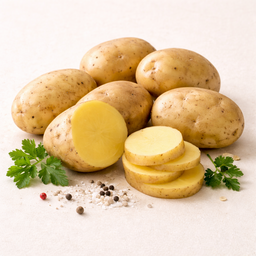 potato
 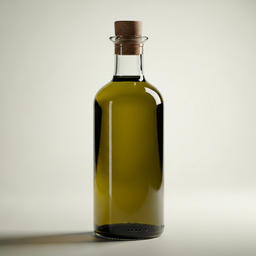 olive oil
 Olive oil improves carotenoid absorption from yellow potatoes
Technical: Yellow potato varieties contain up to 400μg carotenoids per 100g, including lutein and violaxanthin. These are fat-soluble and only 5-10% absorbed without fat. Olive oil's oleic acid (73%) forms mixed micelles increasing absorption up to 3x.
What does this mean for you? Roast or fry potatoes in olive oil — this significantly increases carotenoid absorption. Choose yellow varieties for maximum effect.
General WellnessSkin & Hair
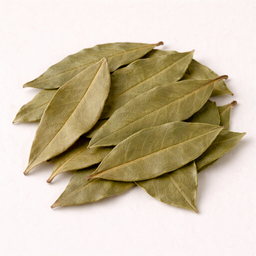 bay leaf
 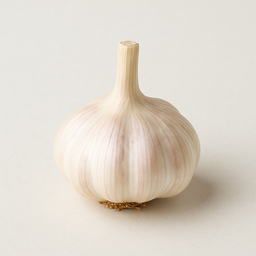 garlic
 Eucalyptol + allicin for broad-spectrum bioactive action
Technical: Bay's 1,8-cineole contains bioactive compounds effective against gram-negative bacteria and fungi via membrane disruption. Garlic's allicin works via thiol blockade in enzymes of gram-positive and gram-negative pathogens. Together they offer the broadest bioactive spectrum of all kitchen herbs. Bay's tannins also enhance the antioxidant action of garlic's S-allylcysteine.
What does this mean for you? Bay leaf + garlic is the base of virtually every good broth or sauce. Historically this served as a preservation method — a tradition that also works exceptionally well for flavor.
Immune SystemDigestion
bay leaf 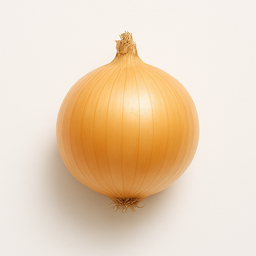 onion
onion Cineole + quercetin: aromatic broth base
Technical: Bay leaf contains 1,8-cineole (eucalyptol, 50% of oil), an aromatic compound. Onion's quercetin (20mg/100g) is a flavonoid. Bay leaf also contains parthenolide, studied in research in relation to COX signaling. The combination is the base of broth and stews in every Mediterranean cuisine.
What does this mean for you? Always add bay leaves together with onions as the base of your broth or stew. The combination gives a warm, aromatic base to any dish.
Immune SystemAnti-inflammatory
olive oil garlic Aglio e olio: allicin + oleocanthal via complementary biochemical pathways
Technical: Garlic contains allicin (formed when cutting/crushing) that influences HMG-CoA reductase (involved in lipid metabolism). Olive oil contains oleocanthal that modulates COX-1/2 enzymes. Together they influence lipid metabolism and prostaglandin cascade via complementary biochemical pathways. The fat also helps absorb fat-soluble garlic compounds.
What does this mean for you? Gently warm garlic in olive oil (don't burn!) as the base for many dishes. This is why 'aglio e olio' pasta is so beloved — two bioactive compounds that reinforce each other.
HeartImmune System
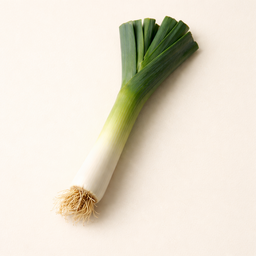 leek garlic
 Double Allium power: inulin + allicin for gut and Nrf2
Technical: Leek contains 2-5g inulin per 100g (prebiotic for Bifidobacterium) and kaempferol. Garlic's allicin has bioactive properties and fructo-oligosaccharides (FOS) also feed beneficial gut bacteria. As Allium family members, they share organosulfur compounds that modulate NF-κB and activate the Nrf2 pathway.
What does this mean for you? Leek and garlic together (base of many soups and stews) give your gut bacteria a double feast of prebiotic fibers. Two Allium crops with complementary organosulfur compounds.
DigestionImmune System
leek 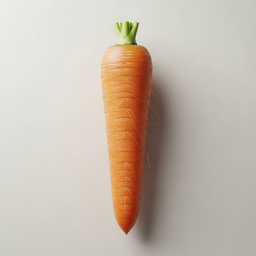 carrot
 Prebiotic inulin + beta-carotene
Technical: Leek's inulin (2-5g/100g) feeds Bifidobacterium producing short-chain fatty acids (butyrate) for colonocytes. Carrot provides 8285μg beta-carotene per 100g. A healthy gut flora (fed by inulin) increases beta-carotene absorption efficiency, as gut bacteria optimize enterocyte function.
What does this mean for you? Leek-carrot soup is a classic combination. Inulin from leek feeds your gut flora, and a healthy gut flora in turn improves beta-carotene absorption from carrot. Double benefit from two simple ingredients.
DigestionSkin & Hair
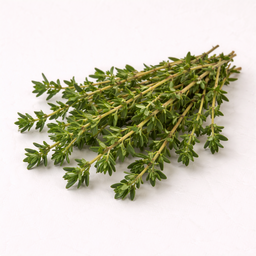 thyme garlic
 Double bioactive action via complementary mechanisms
Technical: Thyme's thymol disrupts cell membranes of microorganisms via lipophilic insertion. Garlic's allicin inhibits microbial enzymes (cysteine proteases). Two independent bioactive mechanisms — membrane disruption (thyme) + enzyme inhibition (garlic) — provide broader spectrum coverage than each ingredient alone.
What does this mean for you? Use thyme and garlic together in sauces, soups and marinades. Two bioactive ingredients working through different routes — the foundation of Provençal cuisine.
Immune System
onion garlic More than 20 organosulfur compounds in one soffritto
Technical: Onion contains diallyl disulfide and quercetin (20-40mg/100g). Garlic contains allicin, ajoene and S-allylcysteine. Together they provide more than 20 different organosulfur compounds that modulate NF-κB. Allium crops are intensively studied in nutrition science for their unique sulfur chemistry.
What does this mean for you? Start every dish with sautéed onion and garlic — not just for flavor, but for the unique concentration of organosulfur compounds. Cut garlic 10 minutes before heating to allow allicin formation.
DigestionImmune System
carrot olive oil Up to 5x more beta-carotene absorption
Technical: Carrot contains 8285μg beta-carotene per 100g, but bioavailability from raw carrot is only 3-4%. Heating + olive oil increases this to 20-25%. Oleic acid (73% of olive oil) forms mixed micelles that efficiently transport beta-carotene to enterocytes for absorption.
What does this mean for you? Roast carrots with olive oil or eat them in a salad with dressing. Without fat you absorb only 3% of beta-carotene — with olive oil up to 5x more.
Skin & HairFocusImmune System
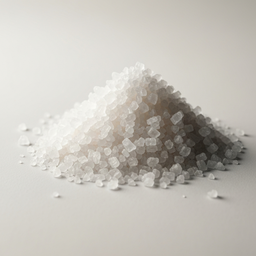 sea salt olive oil
 Minerals + polyphenols for cellular balance
Technical: Sea salt's sodium is essential for the sodium-potassium pump (Na+/K+-ATPase) that regulates every body cell. Olive oil's oleuropein and hydroxytyrosol provide antioxidant protection for cell membranes. The combination supports cell integrity: sea salt regulates ion balance, olive oil protects the membrane. In Mediterranean cuisine, coarse sea salt + olive oil is the most basic flavor profile.
What does this mean for you? Freshly ground sea salt with extra virgin olive oil is the simplest and most nutritious finishing of any dish. The combination provides the basic needs of your cells: minerals for function, polyphenols for protection.
HeartGeneral Wellness
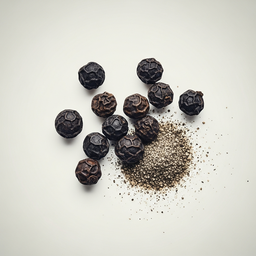 black pepper olive oil
 Fat increases piperine absorption and enhances polyphenols
Technical: Piperine is fat-soluble and absorbed 2-3x better with dietary fat. Olive oil's oleocanthal and piperine both modulate COX signal transduction through different mechanisms, providing additive bioactive effect.
What does this mean for you? Grind fresh pepper over salads with olive oil dressing. The combination enhances both pepper absorption and bioactive action.
Anti-inflammatoryHeartDigestion
Ingredients (14)
+11 more ingredients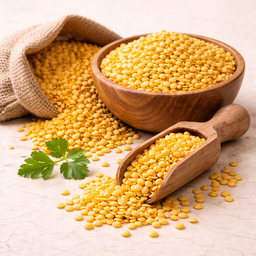
Instructions
- 1 Rinse the lentils: Rinse the yellow lentils in a sieve under cold water until the water runs clear.
- 2 Sauté onion and garlic: Heat the olive oil in a large Dutch oven over medium heat. Sauté the onion for 3 minutes, add the garlic and cook for 1 more minute.
Nutrition per serving
Indicative values per serving.
Timing & Suitability
Shelf life: 4 days in fridge
Tags & Diet
Allergens: Gluten, Celery