- Easy
- 65 min
- 2 serv.
- 9 synergies
- Now at its best: Onion
Classic Levantine dish of green lentils and brown rice, crowned with sweet caramelized onions and served with a fresh cucumber-tomato salad. Middle Eastern comfort food that has endured for centuries.
There's something hypnotic about onions slowly caramelizing — thirty minutes of patience rewarded with golden-brown, silky strands so sweet you'd eat them off a spoon. Pile them over the warm mujaddara — lentils and rice that form a creamy, earthy whole, perfumed with cumin, coriander and a whisper of cinnamon — and you have a plate that embraces. The fresh cucumber salad alongside the warm dish is exactly what you need: crisp, citrusy from the lime, with mint that tingles to finish. This is the kind of food you shouldn't need a recipe for, but want to get perfect every time.
- 10
- min prep
- 55
- min cook
- 65
- min total
Nutritional Synergies
This recipe combines ingredients that enhance each other:
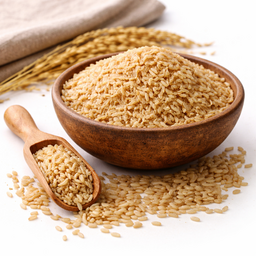 Brown Rice
 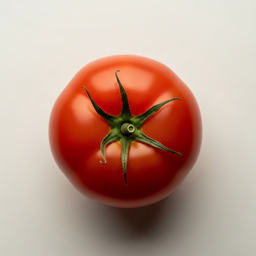 Tomato
 Vitamin C from tomato increases iron absorption from brown rice
Technical: Brown rice contains 0.8mg iron per 100g plus phytic acid. Tomato provides 14mg vitamin C per 100g that reduces Fe³⁺ to Fe²⁺ and bypasses phytate binding.
What does this mean for you? Serve brown rice with tomato sauce or roasted tomatoes. Classic combination in Mediterranean rice dishes.
EnergyImmune System
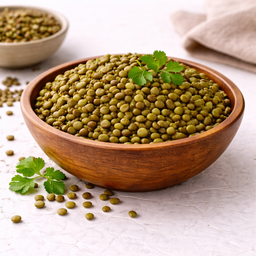 Green Lentils
 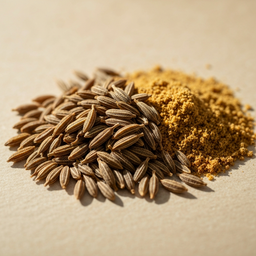 Cumin
Cumin Traditional dal combination: iron + enzymes
Technical: Lentils contain 6-8mg iron per 100g and oligosaccharides that cause gas. Cumin contains thymoquinone and cuminaldehyde that activate pancreatic enzymes and work carminatively (reduce gas formation). In Ayurveda this combination is standard.
What does this mean for you? Toast cumin seeds in oil before adding lentils, or sprinkle ground cumin over your dal. This makes lentils more digestible and gives authentic Indian flavor.
DigestionEnergy
Cumin  Olive Oil
 Fat activates volatile oils and increases cuminaldehyde absorption
Technical: Cumin's active compounds (cuminaldehyde, cymene, terpinene) are volatile, fat-soluble compounds. Frying in olive oil extracts and stabilizes these compounds, and the fat improves their gut absorption.
What does this mean for you? Briefly fry cumin in olive oil before adding other ingredients (tadka/tempering). This is why Indian and Middle Eastern cuisines always fry cumin in oil.
DigestionAnti-inflammatoryBlood Sugar
 Cucumber
  Yogurt
 Tzatziki: hydration + probiotics for digestion
Technical: Cucumber is 96% water and contains silicon (involved in collagen synthesis), potassium (147mg/100g) and cucurbitacins — bioactive triterpenoids. Yogurt provides probiotics (Lactobacillus, Streptococcus thermophilus) that feed gut flora. Cucumber's cooling action also reduces TRPV1 receptor stimulation by capsaicin.
What does this mean for you? Tzatziki with spicy food isn't coincidence — cucumber cools, yogurt soothes, and probiotics support digestion. Serve with spicy dishes for optimal comfort.
DigestionSkin & Hair
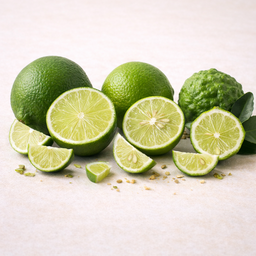 Lime Olive Oil
 Vitamin C + olive oil fats for iron absorption and antioxidant action
Technical: Lime's vitamin C (ascorbic acid) improves absorption of non-heme iron from plant sources. Olive oil's fat-soluble polyphenols (hydroxytyrosol) are better absorbed in combination with vitamin C, which acts as an antioxidant keeping the polyphenols stable.
What does this mean for you? Lime-olive oil dressing is a classic combination that helps your body absorb more iron and antioxidants from your salad.
Immune SystemEnergySkin & Hair
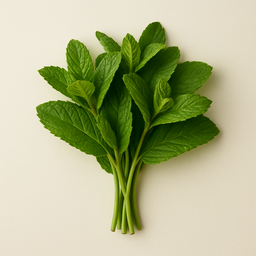 Mint Lime
 Refreshing biotransformation combination
Technical: Mint promotes bile flow and digestive enzyme activity. Lemon/lime contains citric acid supporting biotransformation and vitamin C for immune function. Together they enhance biotransformation capacity.
What does this mean for you? Mint water with lemon is a simple but delicious combination. Drink it in the morning for good hydration — the mint promotes your digestion, the lemon adds vitamin C.
AntioxidantsDigestionImmune System
Mint Cucumber Ultimate cooling: menthol + water-rich food
Technical: Mint contains menthol (40-50% of essential oil) that activates TRPM8 cooling receptors - you feel cooling without temperature drop. Cucumber is 96% water and provides electrolytes. Together they offer both physiological and sensory cooling.
What does this mean for you? Add fresh mint to cucumber water or raita. Ideal in hot weather, after exercise, or for hot flashes. The combination works better than either ingredient alone.
DigestionStress ReliefEnergy
Olive Oil Tomato Mediterranean golden rule: fat increases lycopene absorption 4x
Fat significantly increases lycopene bioavailability (PMID: 15927929)
Technical: Tomatoes contain lycopene (3-7mg per 100g), a carotenoid with strong antioxidant action. Lycopene is fat-soluble with only 10-15% absorption without fat. Olive oil increases this to 40-60% (2.5-4x improvement). Cooking further increases lycopene bioavailability.
What does this mean for you? Always add olive oil to tomato dishes — sauces, salads, bruschetta. This is why Mediterranean cuisine is so healthy. Cooked tomatoes with olive oil = maximum lycopene.
HeartSkin & Hair
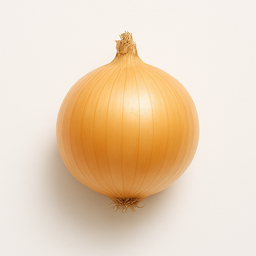 Onion Tomato
 Quercetin + lycopene: synergistic polyphenol-carotenoid combination
Technical: Quercetin from onion (20-40mg/100g) and lycopene from tomato (2573μg/100g) work through different mechanisms. Quercetin chelates metal ions and modulates lipid peroxidation, lycopene quenches singlet oxygen. Combined polyphenols and carotenoids work synergistically — the combination works through complementary mechanisms.
What does this mean for you? Tomato sauce with onion is the base of nearly every Mediterranean cuisine — and rightly so. Quercetin and lycopene enhance each other's action through complementary biochemical pathways. Cooking in olive oil makes carotenoids more absorbable.
HeartAnti-inflammatory
Ingredients (14)
+11 more ingredientsInstructions
- 1 Heat 2 tablespoons olive oil in a wide pan over low heat. Cook the onion rings slowly for 25-30 minutes, stirring regularly, until deep golden brown and caramel-sweet. Set aside.
Nutrition per serving
Indicative values per serving.
Timing & Suitability
Shelf life: 4 days in fridge