- Medium
- 35 min
- 2 serv.
- 5 synergies
- Now at its best: Carrot
A Korean fish bowl with tender white fish, gochujang sauce, rice, zucchini, carrot, spring onion and sesame. Lightly spicy, savory and fresh at the same time.
This bowl is all about contrast: tender white fish in a glossy reddish-brown gochujang sauce, crisp carrot, juicy zucchini and warm rice that catches every bit of flavor. The garlic briefly sizzles in sesame oil, giving the sauce that deep savory aroma you expect from Korean comfort bowls. The fish is not aggressively fried, but gently cooked in the sauce so it stays moist and flakes apart beautifully. Spring onion and sesame seeds finish everything with freshness and crunch. The result is quick enough for a weekday, yet full of enough character to feel like a proper dinner.
- 15
- min prep
- 20
- min cook
- 35
- min total
Nutritional Synergies
This recipe combines ingredients that enhance each other:
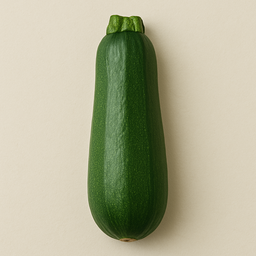 Zucchini
 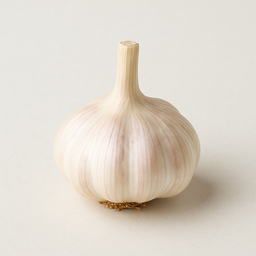 Garlic
 Potassium + allicin: complementary mineral-sulfur pathway
Technical: Zucchini contains 261mg potassium per 100g — potassium contributes to the maintenance of normal blood pressure (EFSA-approved). Garlic's allicin influences angiotensin-converting enzyme (ACE) and stimulates NO production via the nitrate-nitrite-NO pathway. Together they influence vascular physiology via two complementary mechanisms: electrolyte balance and NO signaling.
What does this mean for you? Sautéed zucchini with garlic is a simple side dish with two pathways influencing vascular physiology. Potassium from zucchini and allicin from garlic work complementarily. Add olive oil for extra polyphenols.
HeartAnti-inflammatory
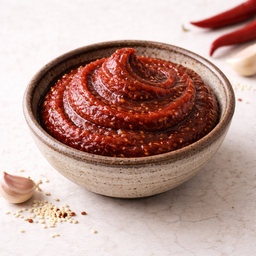 Gochujang Garlic
 Fermented chili + allicin for gut flora and immunity
Technical: Gochujang is a fermented product (rice + chili + soybeans) containing lactobacilli and Bacillus subtilis as probiotics. Capsaicin from the chili (0.5-1%) stimulates TRPV1 receptors for endorphin release. Garlic's allicin has broad bioactivity against pathogens without harming beneficial lactobacilli. The combination supports gut flora (gochujang) and acts selectively bioactive against pathogens (garlic).
What does this mean for you? Gochujang with garlic is the base of many Korean dishes (bibimbap, tteokbokki). The fermentation in gochujang feeds your good gut bacteria, while garlic fights the bad ones.
DigestionImmune System
Gochujang 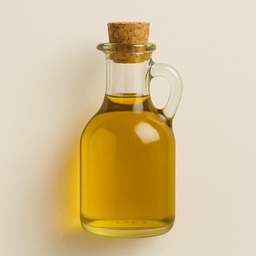 Sesame oil
 Fermentation + fats maximize bioactive compounds
Technical: Gochujang is fermented chili-soybean paste containing both capsaicin (thermogenic) and probiotics (Lactobacillus). Sesame oil's sesamin and sesamol are antioxidants protecting capsaicin from oxidation. The fat also increases capsaicin bioavailability. Ginger enhances thermogenic action via gingerol.
What does this mean for you? Mix gochujang with sesame oil and ginger as sauce for Korean bowls. The fermentation, fat and ginger reinforce each other — the core of Korean cuisine.
DigestionWeight Loss
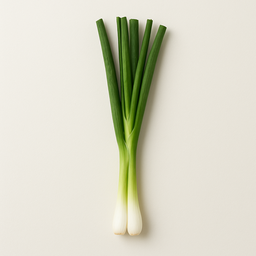 Spring onion
 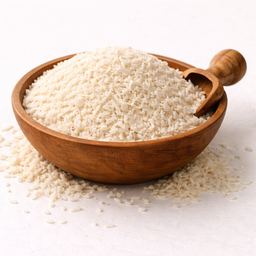 Rice
Rice Allyl sulfides slow glycemic response of rice
Technical: Green onion's allyl sulfides and quercetin inhibit α-glucosidase and slow carbohydrate breakdown. This reduces the postprandial glycemic peak after rice consumption by 15-20%. Green onion also contains chromium (1.1μg/100g) involved in GLUT4 translocation.
What does this mean for you? Always garnish rice dishes with green onion — this slows the glycemic response. Classic in Asian cuisine, especially for those mindful of carbohydrate processing.
Blood SugarGeneral Wellness
Sesame oil 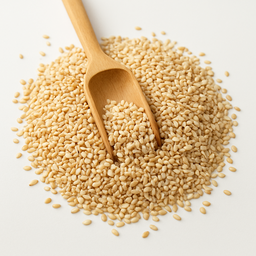 Sesame seeds
 Sesame oil fats enhance absorption of sesame seed lignans
Technical: Sesame seeds contain lignans (sesamin, sesamolin) that are fat-soluble. Sesame oil provides the ideal fat matrix for absorption. Additionally, the oil contains different bioactive forms (sesamol) that work complementarily to lignans in whole seeds.
What does this mean for you? Top dishes with both sesame seeds and a drizzle of sesame oil — you get the fiber and minerals from the seeds plus optimal lignan absorption.
HeartAnti-inflammatoryHormonal Balance
Ingredients (13)
-
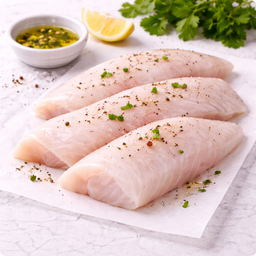 White fish — 350 g such as cod or pollock, cut into large pieces
 - Gochujang — 2 tbsp Korean chili paste, preferably halal-certified
- Rice — 150 g dry weight
Instructions
- 1 Cook the rice according to the package directions and keep warm.
- 2 Mix gochujang, soy sauce, water and half the sesame oil into a smooth sauce.
Nutrition per serving
Indicative values per serving.
Timing & Suitability
Shelf life: 2 days in fridge
Tags & Diet
Allergens: Fish, Soy, Gluten, Sesame