- Easy
- 20 min
- 2 serv.
- 7 synergies
- Fully in season
A light Japanese miso soup with edamame, silken tofu, wakame, kombu dashi, ginger and spring onion.
This Japanese edamame miso soup is soft, green and clear in flavour. Kombu dashi creates a calm base, ginger adds fresh warmth and white miso brings the rounded, salty depth that makes miso soup so loved. Edamame gives a gentle bite, while silken tofu moves softly through the broth. Wakame adds a subtle sea note without making the soup heavy, and spring onion keeps every bowl fresh. It is a quick, quiet soup: little effort, plenty of umami and just enough substance to serve as a light lunch or a warm start to the day.
- 10
- min prep
- 10
- min cook
- 20
- min total
Nutritional Synergies
This recipe combines ingredients that enhance each other:
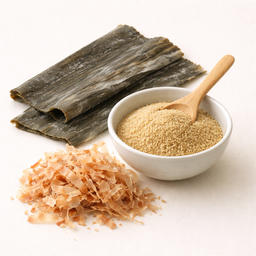 Kombu dashi
 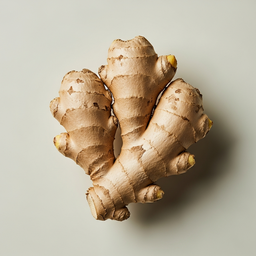 Fresh ginger
 Glutamate-nucleotide umami + gingerols for Japanese recovery food
Technical: Dashi (kombu + bonito) contains the strongest umami duo: glutamate from kombu (2240mg/100g) + inosinate (IMP) from bonito. Glutamate + IMP amplify each other's umami by factor 8 (synergistic umami effect). Ginger's gingerols promote gastric motility and bile production. Dashi's iodine from kombu (1500ug/100g) supports thyroid function.
What does this mean for you? Dashi with ginger is the base of many Japanese broths. Steep kombu in cold water (8 hours) and warm with bonito and fresh ginger for the most umami-rich, digestible broth.
DigestionEnergyHormonal Balance
Kombu dashi 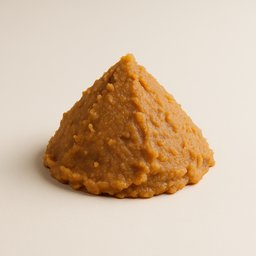 White miso
 Umami stacking: glutamate + inosinate = 8x flavor
Technical: Dashi (kombu + bonito) combines two umami sources: glutamate from kombu and inosinate from bonito. Miso/soy sauce adds a third source: more glutamate from soy fermentation. The synergistic effect of glutamate + inosinate amplifies flavor perception up to 8x — the scientific basis of Japanese cuisine.
What does this mean for you? Dissolve miso in dashi for the most flavorful soup. The combination activates your taste buds 8x stronger than each ingredient alone — this is Japan's umami secret.
General Wellness
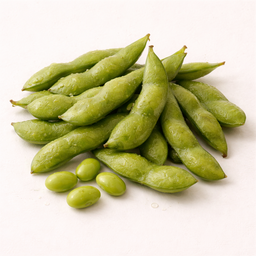 Edamame
 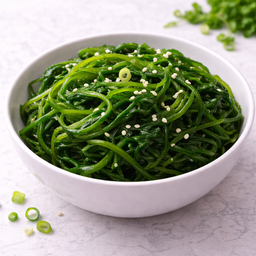 Dried wakame
 Japanese combination: isoflavones + iodine
Technical: Soy isoflavones can affect thyroid function at high doses through TPO inhibition. Seaweed provides iodine (16-2000μg per serving) that compensates this effect. Good to know: iodine contributes to the normal production of thyroid hormones and normal thyroid function (EFSA-approved). In Japan where lots of soy AND seaweed are eaten, this combination is standard.
What does this mean for you? If you regularly eat edamame or tofu, combine with seaweed (miso soup with wakame, sushi with nori). This is the traditional Japanese approach followed for centuries.
Hormonal BalanceEnergy
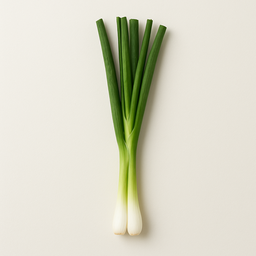 Spring onion
 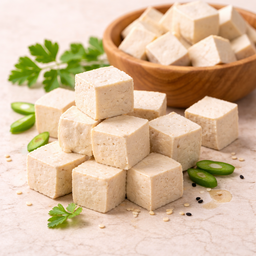 Silken tofu
 Allicin improves iron absorption from plant sources
Technical: Tofu contains 5.4mg non-heme iron per 100g, but also phytate (inositol hexaphosphate) that binds iron. Green onion's sulfur compounds (allyl sulfides) reduce phytate binding through pH lowering in the gut. Vitamin C in green onion (18.8mg/100g) reduces Fe³⁺ to Fe²⁺ for better absorption via DMT-1 transport proteins.
What does this mean for you? Always garnish tofu with green onion — the sulfur compounds free iron that would otherwise remain bound to phytate. Essential for vegetarians and vegans relying on plant-based iron.
EnergyGeneral Wellness
White miso Fresh ginger Japanese soup base: enzymes + gingerols
Technical: Miso contains Aspergillus oryzae enzymes (amylase, protease) that support digestion, plus isoflavones. Ginger contains gingerols that speed up gastric emptying. Together they optimize digestion through complementary mechanisms: miso enzymes break down food components, gingerols promote gut transit.
What does this mean for you? Add grated ginger to your miso soup just before serving (don't boil with miso — this kills the enzymes). This is an authentic Japanese variation.
DigestionAnti-inflammatory
Silken tofu Fresh ginger Isoflavones + gingerols: complementary bioactive compounds
Technical: Tofu's isoflavones and ginger's gingerols are both studied in research in connection with cellular signaling pathways. Together they provide a broad spectrum of bioactive compounds through complementary mechanisms.
What does this mean for you? Marinate tofu in ginger-soy sauce for a powerful combination of bioactive plant compounds. A classic Asian preparation combining protein and phytochemicals.
Anti-inflammatoryJoints
Dried wakame Silken tofu Classic miso soup base: calcium + magnesium + isoflavones
Technical: Wakame contains 150mg calcium per 100g and fucoidans (polysaccharides studied in research). Tofu contains isoflavones that improve calcium retention in bones. Good to know: calcium is needed for the maintenance of normal bones (EFSA-approved).
What does this mean for you? Add wakame to your miso soup with tofu. This is a traditional Japanese combination — an excellent plant-based source of calcium, with isoflavones from soy.
JointsHormonal Balance
Ingredients (7)
+5 more ingredientsInstructions
- 1 Soak the wakame in cold water for 5 minutes, then drain well.
- 2 Bring the kombu dashi and ginger to a boil in a soup pot.
Nutrition per serving
Indicative values per serving.
Timing & Suitability
Shelf life: 2 days in fridge
Tags & Diet
Allergens: Soy